Vista aérea de Valdehúncar
Instituto Geográfico Nacional · CC-BY 4.0 scne.es
Extremadura · Meadows & Conquerors

Valdehúncar

The church bell strikes noon and the only other sound is a tractor shifting gear somewhere beyond the houses. In Valdehuncar, population five hundr...

188 inhabitants · INE 2025
368m Altitude

Why Visit

Church of the Assumption Hiking

Best Time to Visit

summer

San Lorenzo Festival (August) agosto

Things to See & Do
in Valdehúncar

Heritage

  • Church of the Assumption
  • Guadalperal Dolmen (nearby)

Activities

  • Hiking
  • Cultural visit

Festivals
& & Traditions

Fecha agosto

Fiestas de San Lorenzo (agosto)

Las fiestas locales son el momento perfecto para vivir la autenticidad de Valdehúncar.

Full Article
about Valdehúncar

Town near Navalmoral with archaeological remains and natural surroundings

Ocultar artículo Leer artículo completo

The church bell strikes noon and the only other sound is a tractor shifting gear somewhere beyond the houses. In Valdehuncar, population five hundred-odd, the siesta starts early and lasts long. No souvenir stalls flip their signs to “Abierto”, no tour buses wheeze into the plaza. The village simply pauses, leaving visitors to decide whether to lean into the hush or head back to the EX-208.

A village that refuses to perform

Extremadura’s Campo Arañuelo is cattle country: mile after mile of open cork-oak pasture where black Iberian pigs nose for acorns and white stilts pick through the grass. Valdehuncar sits in the middle of it, a single cluster of terracotta roofs and lime-washed walls that looks smaller than the dehesa itself. There is no castle on the ridge, no Baroque confection to tick off. What you get is a working village whose museum-quality details—stone watering troughs, wrought-iron door bolts, bread ovens slotted into gable ends—are still being used for the purpose they were built.

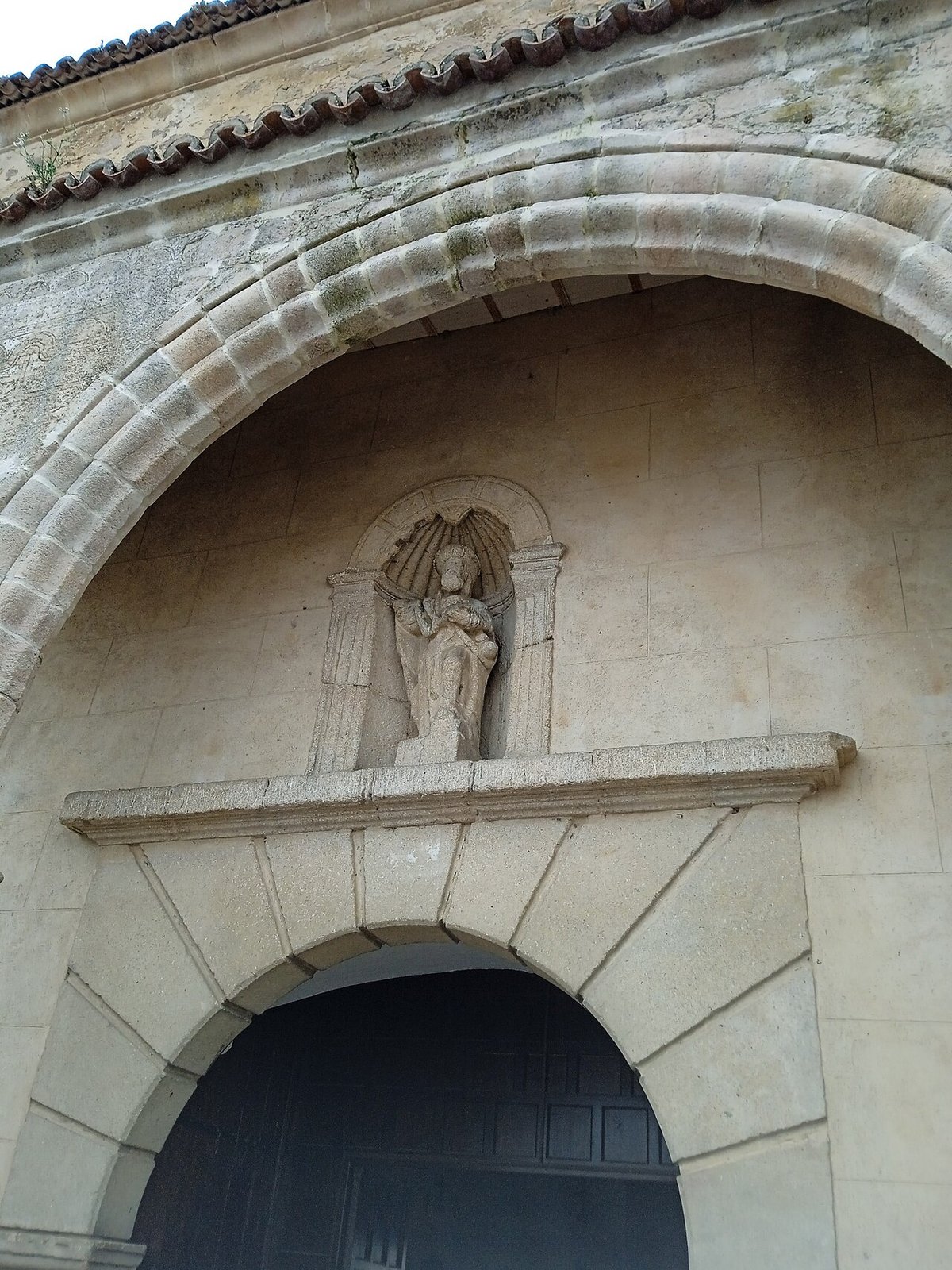
Start at the parish church of San Bartolomé. From the lane it appears almost bulky, the tower patched and extended so many times that the brickwork reads like tree rings. Walk round the outside rather than pushing against the heavy door at midday; the south wall carries a Roman gravestone reused as building stone, the north side a 1950s concrete buttress that speaks of rainy winters and limited budgets. Inside, the air smells of candle wax and floor polish, the nave is wider than it is long, and the single priest still marks hymn numbers on a flaking blackboard.

Streets built for shade, not selfies

Houses are one or two storeys high, roofs pitched to shrug off August heat. Alleyways narrow to arm-span width, then open suddenly into pocket plazas where a fig tree has cracked the paving. Most doors give onto a zaguán, a stone-floored entrance hall cool enough to store wine and stubborn enough to keep out the dust. Peer over the lower half of any stable door and you’ll probably meet a caged canary—villagers swear the birds warn of scorpions, though the real scorpions left decades ago.

There are no yellow arrows for hikers, no ceramic plaques with QR codes. Instead, look for the faded green paint on corner stones: those mark the old water channels that once fed communal troughs. Follow them downhill and you reach the abandoned laundry basin, its stone slabs scrubbed smooth by grandmothers who still remember the gossip that accompanied every Monday wash.

Walking the silence

Beyond the last street lamp the dehesa takes over. A grid of sandy tracks, wide enough for a cattle lorry, radiates into the oaks. Pick any of them; gradients are gentle and every junction looks the same, so a phone GPS or a downloaded map is wise. Within ten minutes the village is a smudge of terracotta and the only moving things are glossy magpies and the occasional retinta cow, chestnut-red and horn-tipped.

Spring brings the colour: acid-yellow broom, purple viper’s bugloss, sheets of white chamomile that smell of apple when crushed. Autumn swaps flowers for fungus—fat parasol mushrooms push up along the verges, and locals appear with wicker baskets and the guarded expression of people who would rather not share co-ordinates. Both seasons deliver the sharp Atlantic light that painters further north pay fortunes to chase, plus night-time temperatures cool enough to justify a jacket and a glass of the local red.

What you’ll eat (and when you’ll eat it)

Valdehuncar has one bar, usually open, and one restaurant whose opening hours depend on whether the owner’s daughter is down from Madrid. Ring a day ahead; if the phone just rings, drive eight kilometres to Arroyomolinos where Casa Paco fires up the grill at weekends. The menu rarely changes: migas—fried breadcrumbs laced with garlic, paprika and tiny shards of pork—followed by caldereta, a lamb stew thickened with bread and bay. Expect to pay €12-€14 for a three-course menú del día including wine that began life in a plastic jug but tastes of violets and iron.

If you are self-catering, the weekly mobile fish van arrives Thursday morning (hake, chincho—small pricy crayfish—and frozen squid rings), while the bakery van honks its horn at 11:00 each day except Monday. Bread is the oval pan de pueblo, crust thick enough to exfoliate teeth, crumb elastic and slightly sour. Buy two loaves; by sunset the first will be gone, reduced to crumbs for the sparrows.

Heat, flies and honesty

Summer is fierce. At 3 pm shade temperatures flirt with 40 °C and the flies operate in squadrons. Walking is possible only before 09:30 or after 18:00; in between, the place feels evacuated. August brings the fiesta of San Bartolomé: a mass, a brass band, a paella the size of a satellite dish, and dancing that continues until the Guardia Civil remind the DJ of the noise regulations. For three days the village doubles in population as cousins return from Badajoz and Madrid. Accommodation doesn’t exist, so most visitors commute from Navalmoral de la Mata, twenty-five minutes away.

Winter is the opposite. Days are short, skies crystalline, the surrounding grass bleached to parchment. The bar keeps its wood-burner stoked and conversation turns to boar hunting and the price of cork. If the gota fría storm system sags this far inland, lanes turn to ochre slurry and you will need wellies even to reach the church. On those days the village feels like the final outpost of somewhere; the silence gains a metallic edge and photographers achieve that brooding Ansel Adams sky without climbing a mountain.

Getting there, getting out

From Cáceres, take the EX-208 towards Navalmoral. After 38 km turn left at the signs for Valdehuncar/Arroyomolinos; the final 7 km wriggle through dehesa so tightly that meeting a lorry means one of you reverses 200 m. There is no petrol station—fill up in Naval Moral or arrive with half a tank. Public transport is a school bus that leaves at 07:15 and returns at 14:30; otherwise you need wheels.

Staying overnight means renting a village house through the regional turismo rural portal. Expect stone floors, wool blankets, Wi-Fi that flickers when the microwave turns on, and a roof terrace that overlooks nothing but stars. Prices hover around €70 a night for two, minimum two nights at weekends. Bring slippers; even in May those floors suck the heat from bare feet.

Two hours, or two days?

If time is tight, park by the church, complete a slow lap of the centre—fifteen minutes—then drive 2 km south on the CC-19, pull onto the verge and walk any track into the oaks. Forty minutes out and back gives you the smell of thyme, the creak of saddle leather as a farmer rides past, and a wide horizon that makes the M25 feel like a rumour.

Stay longer only if you are content to manufacture your own entertainment: read on the plaza, sketch the grain of oak bark, photograph the same cloud for an hour. Valdehuncar will not entertain you; it will accompany you, quietly, like the dehesa itself. Some visitors flee after a single night, unnerved by a quiet so complete it feels like deafness. Others stay a week, discover they have stopped checking their phone, and leave wondering why cities need so much noise to convince themselves they are alive.

Come for the emptiness, not for Instagram fodder. The village offers no souvenirs beyond a jar of local honey sold from a kitchen table, no takeaway coffee beyond the bar’s café con leche served in a thick glass that burns your knuckles. What it does offer is the rare sensation of a place that has nothing to prove and plenty to say—provided you are willing to walk the tracks, sit the siesta, and let the dehesa speak its slow, deliberate Spanish.

Key Facts

Region
Extremadura
District
Campo Arañuelo
INE Code
10199
Coast
No
Mountain
No
Season
summer

Livability & Services

Key data for living or remote work

2024
Connectivity5G available
TransportTrain nearby
HealthcareHospital 7 km away
Housing~5€/m² rent · Affordable
CoastBeach nearby
January Climate7.3°C avg
Sources: INE, CNMC, Ministry of Health, AEMET

Planning Your Visit?

Discover more villages in the Campo Arañuelo.

View full region →

More villages in Campo Arañuelo

Traveler Reviews