Full Article
about Cabeza del Buey
A key town in La Serena, rich in history and nature; known for the Santuario de Belén and its centuries-old olive trees.
Ocultar artículo Leer artículo completo
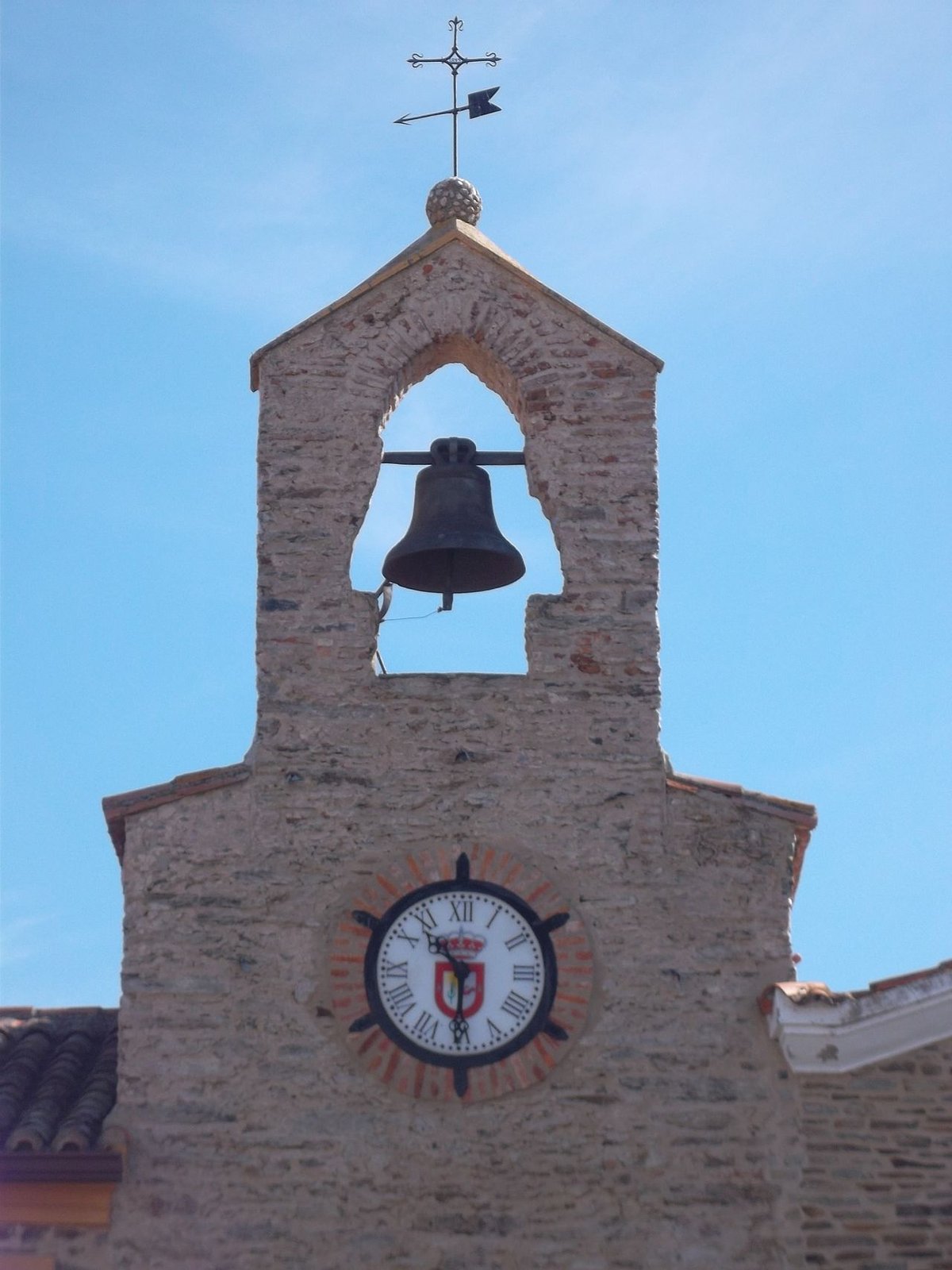
The church bell strikes noon, yet the only sound on Plaza de España comes from swifts wheeling above the stone tower of San Lorenzo. In Cabeza del Buey, 550 metres above the surrounding wheat ocean, siesta begins early and thoroughly. The single cash machine has already swallowed its last note; Tuesday's market traders are folding tarpaulins. By half past twelve, even the bakery grille is halfway down. This is Extremadura's La Serena region at its most candid – a working town where tourism happens by accident, not design.
A Town That Forgot to Shout About Itself
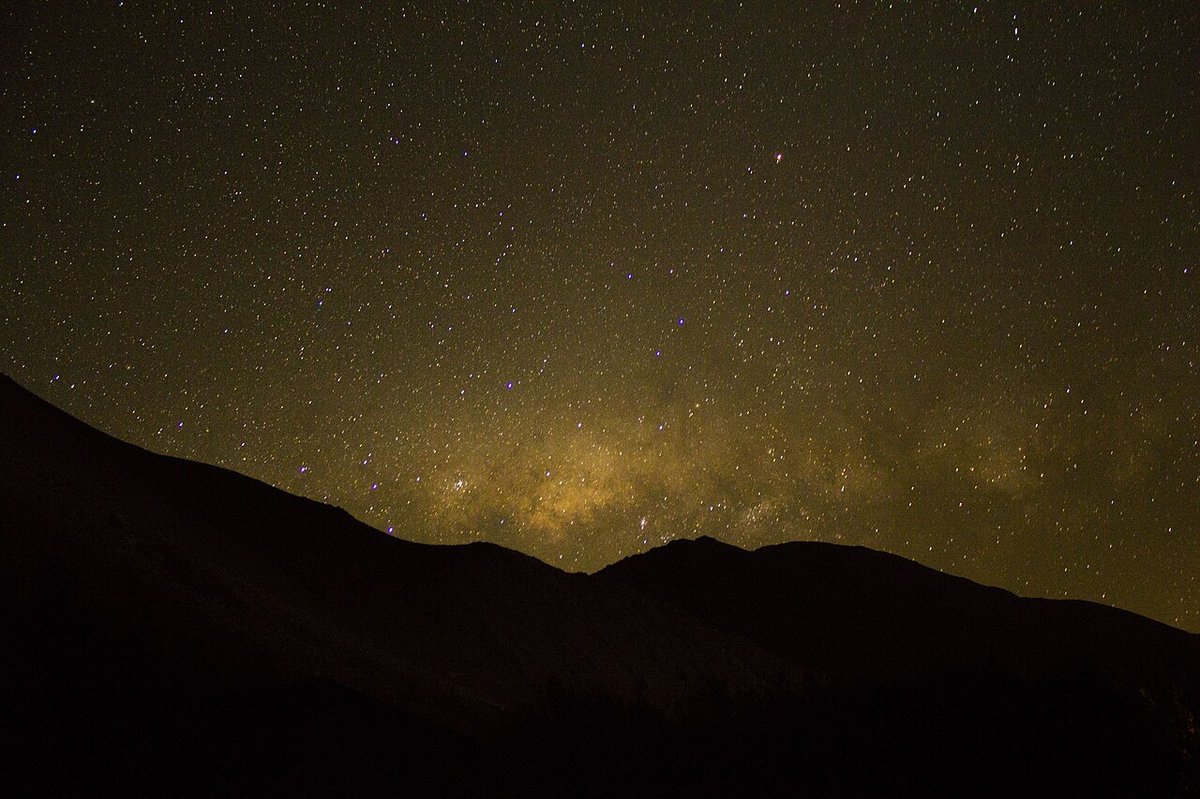
British visitors arrive expecting another whitewashed hill settlement. Instead they find ochre brick, wide streets built for cattle herds, and house walls thick enough to swallow phone signals. At 4,700 inhabitants, Cabeza del Buey is large enough for three pharmacies yet small enough that the evening paseo still circles the same four blocks. The altitude gifts it sharper air than nearby Don Benito; nights drop ten degrees below the plains, ideal for astronomers who park motorhomes on the free aire behind the sports pavilion. TripAdvisor's 229 reviews repeat the same confession: "We had the place to ourselves."
The Iglesia de San Lorenzo anchors the eastern edge. Step inside and the temperature falls another five degrees. Baroque retablos gleam with tobacco-coloured varnish; side chapels hold processional standards frayed by August dust storms. The custodian unlocks doors only when she sees strangers waiting – no fixed timetable, no admission fee, just an expectation that visitors will wipe their feet. Circle the exterior and you'll spot stork nests balanced on medieval buttresses, the birds clacking like faulty radio transmitters.
Climbing for Ruins and Views
What remains of the Castillo de Cabeza del Buey is a five-minute climb up fractured schist paths. Interpretation boards blew away years ago; information arrives via the town plumber who doubles as unofficial guide on weekends. He'll point out the slit where defenders poured boiling oil, then admit historians think it was probably just stones. The reward is a 360-degree ledger of human economy: olive groves to the north, cereal squares to the south, the A-5 motorway a distant silver thread carrying freight to Portugal. Bring binoculars – Spanish imperial eagles use thermals along the Sierra de los Lagares, and there's no gift shop renting equipment.
Back in the centre, mansion houses wear stone coats of arms above studded doors. One belongs to the family who financed the 1920s railway that never arrived; another displays a relief of Mercury, god of commerce, though its last commercial tenant was a dentist who retired in 1998. These buildings aren't museums – ground floors host Saturday night bingo, morning legal surgeries, the occasional pop-up hardware stall. Life layers over history like limewash on limestone.
Eating on Spanish Time, or Not at All
Hunger strikes at six and you're doomed. Kitchens fire up around nine; attempt earlier dining and the barmaid will offer crisps with genuine pity. Self-caterers fare better. The Tuesday market sells queijo de la Serena still weeping whey – buy the torta version, a soft disc that oozes when sliced, ideal with yesterday's bread. Pair it with a bottle of local olive oil whose acidity hovers at 0.2%, low enough to meet the strictest London deli standards. For protein, try presa ibérica, a shoulder cut marbled like Wagyu but priced closer to British pork loin. Ask the butcher to vacuum-seal it; most speak enough English to understand "airport customs."
Restaurante La Serena on Calle Real serves migas extremeñas that convert even carbohydrate-phobic travellers. Fried breadcrumbs arrive studded with garlic chips and tiny grapes – think Christmas stuffing reinvented as main course. A half-ration feeds two; full rations require a post-lunch stroll to the castle ruins and back. Vegetarians survive on pisto manchego, a ratatouille thick enough to stand a spoon in, though after three days you'll dream of green vegetables. The town's solitary hotel offers them, but only when the owner's sister visits from Badajoz with supermarket supplies.
Walking Through Silence
The real attraction begins where tarmac ends. Tracks radiate into dehesa, the centuries-old pasture system that packages oak shade, pig forage and cereal strips into single landscapes. Public footpaths aren't signposted – download the regional 1:50,000 map before leaving Wi-Fi range. A straightforward circuit heads north-east past the ruined aqueduct, returning via the stone cross where shepherds once prayed for rain. Allow two hours, plus another for eagle-spotting detours. Summer walkers should start by seven; by ten the thermometer kisses 35°C and every snake has retired beneath rock. Spring brings wild tulips and the risk of muddy boots – the same clay that grows wheat becomes axle-deep glue after storms.
Mountain bikers find gentle gradients but thorny undergrowth. Hire bikes aren't available; bring your own and spare inner tubes. The polideportivo allows hose-downs provided you return the favour by refilling their water butt. Night riding reveals stars so bright that locals still navigate by Orion's belt, a skill taught in primary school alongside long division.
When Festivity Means Processions, Not Parties
August's San Lorenzo fiestas transform the plaza into a temporary fairground. Unlike better-known ferias, there's no municipal wine tent – instead, families carry their own chairs and share bottles of homemade anis. Processions move at glacial pace; the statue of San Lorenzo pauses outside houses whose owners owe favours to the brotherhood. British visitors expecting flamenco find instead brass bands playing paso dobles slightly off-key, followed by children scattering firecracker wrappers like metallic snow. Accommodation books out months ahead; the hotel's six rooms were reserved for 2024 by January. October's Cristo de la Misericordia is quieter, marked by a single firework display visible from the castle ruins where teenagers gather to drink cola-cao and pretend they're not cold.
Winter brings the matanza, the traditional pig slaughter. Tourists aren't excluded but photography is frowned upon – this is food preparation, not folklore. The resulting jamón hangs in garages throughout town; after March you may be offered slices so rich they coat teeth like good chocolate. Vegetarians should declare themselves early and often – refusal is respected once understood.
Leaving Before the Silence Settles
Depart with enough fuel to reach Campanario's petrol station twelve kilometres away – the town's only pump closed in 2008. Stock up on water too; summer temperatures can nudge 42°C and the next services lie beyond the horizon that already fooled your eyes into thinking land meets sky. Cabeza del Buey won't change your life, but it might reset your watch to a slower timezone. Back on the EX-104, indicate right for Madrid or left for Seville; either way, the church bell fades precisely at the kilometre marker, as if the town switches off its own soundtrack.