Full Article
about Campanario
Notable town in La Serena, known for its Piedraescrita pilgrimage; set amid steppe plains and archaeological sites.
Ocultar artículo Leer artículo completo
The church bell strikes three, and Campanario's entire population seems to vanish. Not into thin air—into shade. By mid-afternoon in high summer, the mercury pushes past 40°C, and even the dogs abandon the Plaza de España's sun-baked cobbles for the cool beneath orange trees. This is when you understand why Extremadura keeps a different clock.
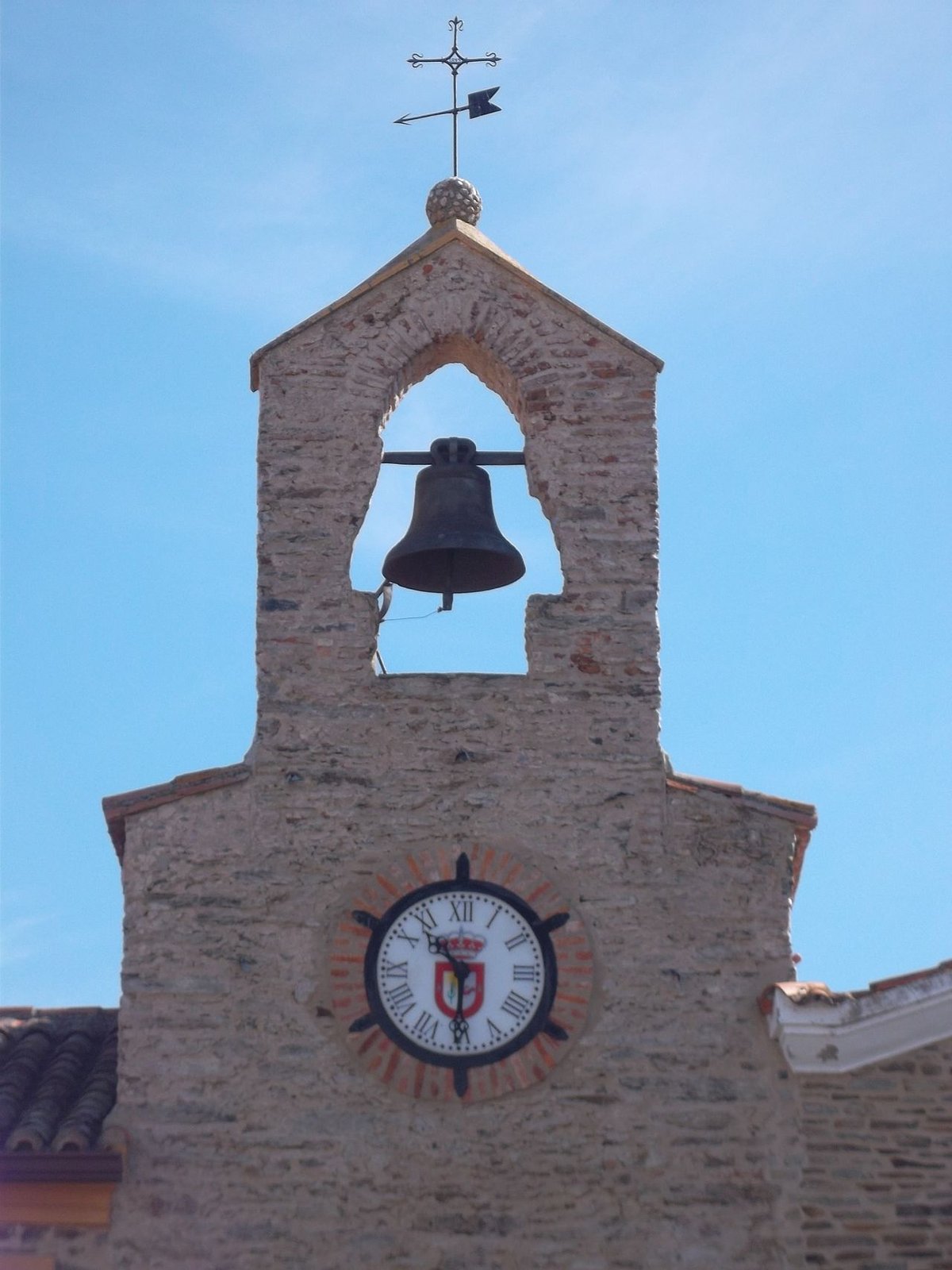
Campanario sits 90 kilometres east of Badajoz, deep in La Serena's rolling grasslands where black Iberian pigs roam among holm oaks. With 5,000 residents, it's neither village nor town—a place where shopkeepers still close for siesta and British visitors remain rare enough to warrant polite stares in the only bar that's open. The name fools most: campo de anís refers to the aniseed fields that once flourished here, not the modest bell tower that crowns the medieval castle keep.
The Architecture of Empty Streets
Start at Plaza de España, where 19th-century arcades create a natural theatre. The stone columns bear witness to generations of gossip, game-playing children, and market-day crowds. Saturday mornings bring Campanario briefly alive—stalls spill down Calle Ancha with £1 punnets of figs and plastic sacks of dried chickpeas—but by lunchtime, traders pack up and the square reverts to its default: elderly men on benches, speaking in the slow, deliberate Spanish that makes Andalusian accents sound like machine-gun fire.
The parish church of Nuestra Señora de la Asunción dominates the skyline, its Mudéjar tower visible from every approach. Inside, the air carries incense and centuries. Gold leaf catches shafting sunlight; the 16th-century altarpiece tells its stories in carved wood rather than words. Opening hours follow Mass times—try 11:00 Sunday or 19:00 weekday evenings. Turn up at 15:00 and you'll find doors locked, priest asleep, and no amount of earnest tourism convincing anyone to interrupt sacred rest.
Walk five minutes north to find the castle, really just a fortified tower remaining from the 13th-century Arab fortress. The key hangs behind the bar opposite—order a café con leche (€1.20) and mention "el castillo." The owner, cigarette permanently attached to lower lip, will finish her cortado before ambling over with a brass key the size of a small banana. The climb rewards with 360-degree views: terracotta roofs, corrugated-iron farm sheds, and dehesa stretching to a horizon shimmering with heat.
Following the Pig Paths
The real Campanario begins where tarmac ends. Country lanes radiate into dehesa—ancient pasture where Iberian pigs gorge on acorns each autumn. These aren't manicured footpaths but working agricultural routes; expect cattle grids, the occasional tractor, and zero signage. Distances deceive under big skies—what appears a gentle 5-kilometre loop becomes a dusty 12-kilometre slog when temperatures soar.
Early mornings deliver the best walking. Mist rises from dew-soaked grass; storks clatter from their rooftop nests; black vultures circle thermals overhead. The Via Verde de la Serena follows a disused railway track 15 kilometres north—completely flat, completely shadeless. Access requires driving to the old station at Casas de Reina; bring water, because nothing commercial exists along the route.
Cycling works better than walking here. Gentle gradients suit family riders, though road bikes struggle on gravel sections. Mountain bikes handle the rough tracks fanning west towards the reservoir at Cijara, where migrating birds pause en route to Africa. Local farmer José María rents basic hybrids from his garage (€15 per day) but speaks no English—point at wheels, hold up fingers for size, pay in cash.
Eating What the Pigs Eat
Food centres on pork, pork, and more pork. At Restaurante La Muralla, the menú del día costs €12 and arrives with enough calories for a small army. Start with migas—fried breadcrumbs with chorizo and grapes—then segue into presa ibérica, a shoulder cut grilled until pink. Vegetarians face limited options: tortilla española appears begrudgingly, cooked in the same pork fat as everything else.
Café-bar Eloy opens earlier than anywhere else—7:30 for farm workers grabbing coffee and brandy before fields. They'll toast baguette and serve it with local olive oil if you ask; most regulars dunk churros in thick hot chocolate despite 30-degree heat. The sheep's cheese, torta de la Serena, arrives in two strengths. Opt for queso de arroba (roughly 850g) for a mild, creamy introduction; the fully-ripened version tastes like socks in the best possible way.
Market day brings producer-direct sales. Buy figs still warm from sun, almonds cracked that morning, and honey so local you can taste which wildflowers bloomed. Prices run laughably cheap—£5 fills two carrier bags—but bring cash. Even the council-run market stalls reject cards; the nearest ATM sits inside the only bank, open Tuesday and Thursday mornings only.
When the Sun Becomes Enemy
Summer visits require strategy. Schedule castle climbs for 10:00 sharp, before heat renders stone steps suicidal. Seek lunch by 13:30 when restaurants close; attempt eating later and you'll find locked doors even to residents. The single supermarket, Covirán, shuts 14:00-17:30—stock up on water beforehand or face three hours of parched desperation.
Accommodation remains limited. Hostal La Muralla offers ten basic rooms above the restaurant from €35 including breakfast (toast, jam, and industrial orange juice). Air conditioning exists but costs extra—€5 nightly supplement that locals consider outrageous. The alternative means windows open to street noise and the distant clank of agricultural machinery starting pre-dawn.
Spring transforms the landscape. Wildflowers carpet dehesa; temperatures hover around 22°C perfect for walking. Autumn brings montanera season—pigs fattening on acorns—and the annual matanza, now mostly cultural demonstration rather than domestic slaughter. Winter turns harsh; Atlantic winds sweep unimpeded across plains, and daytime temperatures occasionally fail to reach double figures. The village empties further as residents relocate to Badajoz apartments until spring.
Leaving Before You Become Local
Campanario won't fill a week. Two days reveals its rhythms; three risks absorption into the afternoon bench society discussing rainfall statistics. Treat it as a base: 40 minutes drive north sits Trujillo, conquistador hometown wrapped in parador luxury; 30 minutes south, the Roman ruins at Mérida offer mosaics to rival North Africa.
Come for the silence, the £1.20 brandy that tastes like Christmas pudding, the realisation that Spain still contains places unchanged by British second-home owners. Leave before you start synchronising your watch to siesta time, before the bar owner knows your coffee order, before Campanario's slow heartbeat becomes your own. The pigs get fat, the storks return, the church bell marks hours that matter only to those who stay.