Full Article
about Capilla
Impressive historic ensemble crowned by a cliff-top castle; its medieval layout and sweeping views over the Embalse de la Serena remain intact.
Hide article Read full article
Capilla, en el límite oriental de La Serena
Capilla se encuentra en el extremo este de la comarca de La Serena, lindando ya con Castilla-La Mancha. El pueblo, que hoy no llega a los ciento cincuenta habitantes, se despliega en cuesta bajo la atalaya de su castillo. La disposición es clara: la fortaleza en lo alto, y el caserío creciendo después ladera abajo, buscando su protección.
La Serena es una de las planicies más extensas de Extremadura, un paisaje modelado por la ganadería extensiva. No se trata de naturaleza virgen, sino de dehesa: un sistema tradicional donde pasto, encinas y agricultura conviven. Alrededor de Capilla, los muros de piedra seca delimitan las fincas, en un terreno que lleva siglos de uso humano.
El cerro del castillo y los orígenes del pueblo
Lo que define a Capilla es el castillo que corona el pueblo. Se alza sobre un espolón rocoso, visible desde buena parte de la llanura circundante. Sus orígenes son medievales, de cuando este territorio era frontera entre reinos cristianos y musulmanes.
Quedan restos de murallas y estructuras que hablan de su función estratégica. Desde esta altura se domina un amplio tramo del valle y las rutas naturales que cruzan esta parte de La Serena. La elección del lugar solo se entiende bien desde arriba, donde el control visual del territorio era decisivo.
El asentamiento actual se fue desarrollando ladera abajo, aprovechando la protección de la elevación. La relación entre el castillo y las casas sigue marcando la lectura del pueblo.
La iglesia parroquial y la arquitectura local
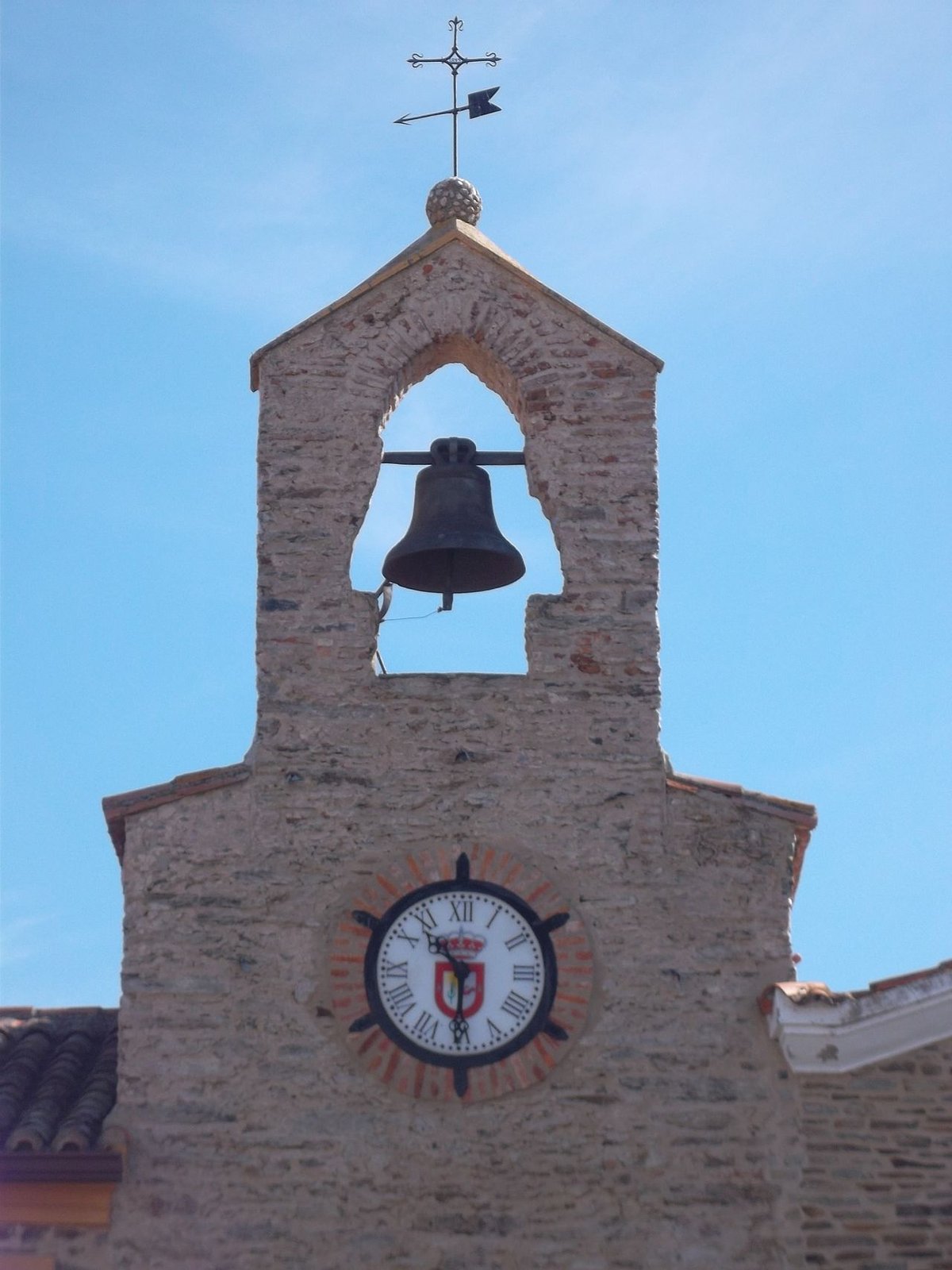
La parroquia está bajo la advocación de la Inmaculada Concepción. Su fábrica parece corresponder a los siglos XVI o XVII, con reformas posteriores que la adaptaron a las necesidades de la comunidad.
No es un edificio grande ni especialmente llamativo. Su importancia reside en su papel dentro de la vida local, como espacio de reunión y de celebración de los ritos que marcan el ciclo anual.
Las casas de Capilla responden al tipo habitual en los pueblos de La Serena: bajas, encaladas, con basamento de piedra y puertas amplias pensadas para el paso de herramientas o pequeño ganado. Algunas conservan corrales traseros y dependencias agrícolas, reflejo de una vida donde la vivienda y el trabajo han estado siempre vinculados.
La dehesa alrededor del pueblo
El entorno inmediato es dehesa. Encinas dispersas sobre pasto abierto, y caminos de tierra que conectan fincas y majadas, los refugios estacionales para el ganado. Este no es un paisaje decorativo, sino un espacio en activo que sostiene la actividad agraria.
En determinadas épocas del año es frecuente ver aves propias de medios abiertos: cigüeñas, milanos y pequeñas rapaces aprovechan las corrientes térmicas, mientras que abubillas y otros pájaros característicos de la dehesa interior también están presentes.
Muchos de los senderos que salen del pueblo siguen viejas veredas ganaderas o caminos prácticos entre propiedades. No todos están señalizados, por lo que conviene tener cierta orientación antes de adentrarse a pie.
El ciclo anual y sus tradiciones
Las celebraciones locales siguen vinculadas al calendario religioso. La fiesta de la Inmaculada Concepción suele reunir a los vecinos con quienes regresan desde otras ciudades por la ocasión.
En verano, el ambiente cambia. Se reabren casas cuando las familias con raíces en Capilla vuelven por temporada. Más que eventos organizados, este periodo se llena de encuentros informales, comidas compartidas y veladas al fresco cuando baja el calor.
Otra costumbre que perdura en algunas casas es la matanza del cerdo, tradicional del invierno. Aunque menos frecuente que antaño, sigue siendo una forma de conservar el saber doméstico relacionado con la elaboración de embutidos y conservas.
Cómo llegar y moverse por Capilla
Se llega a Capilla por carreteras comarcales que enlazan con la N-430, una de las vías principales que atraviesan La Serena. El último tramo discurre entre dehesas y fincas ganaderas, acentuando la sensación de entrar en un paisaje rural en uso.
El pueblo se recorre a pie en poco tiempo. La subida hacia el cerro del castillo tiene algún tramo pedregoso, por lo que es recomendable calzado adecuado. Desde lo alto, se comprende el carácter definitivo de esta parte de Extremadura: ancha, tranquila y moldeada por una larga continuidad entre el terreno y sus habitantes.