Full Article
about Castuera
Capital of the La Serena region and famous for its turrón; a landscape of endless plains and birthplace of the merino sheep.
Ocultar artículo Leer artículo completo
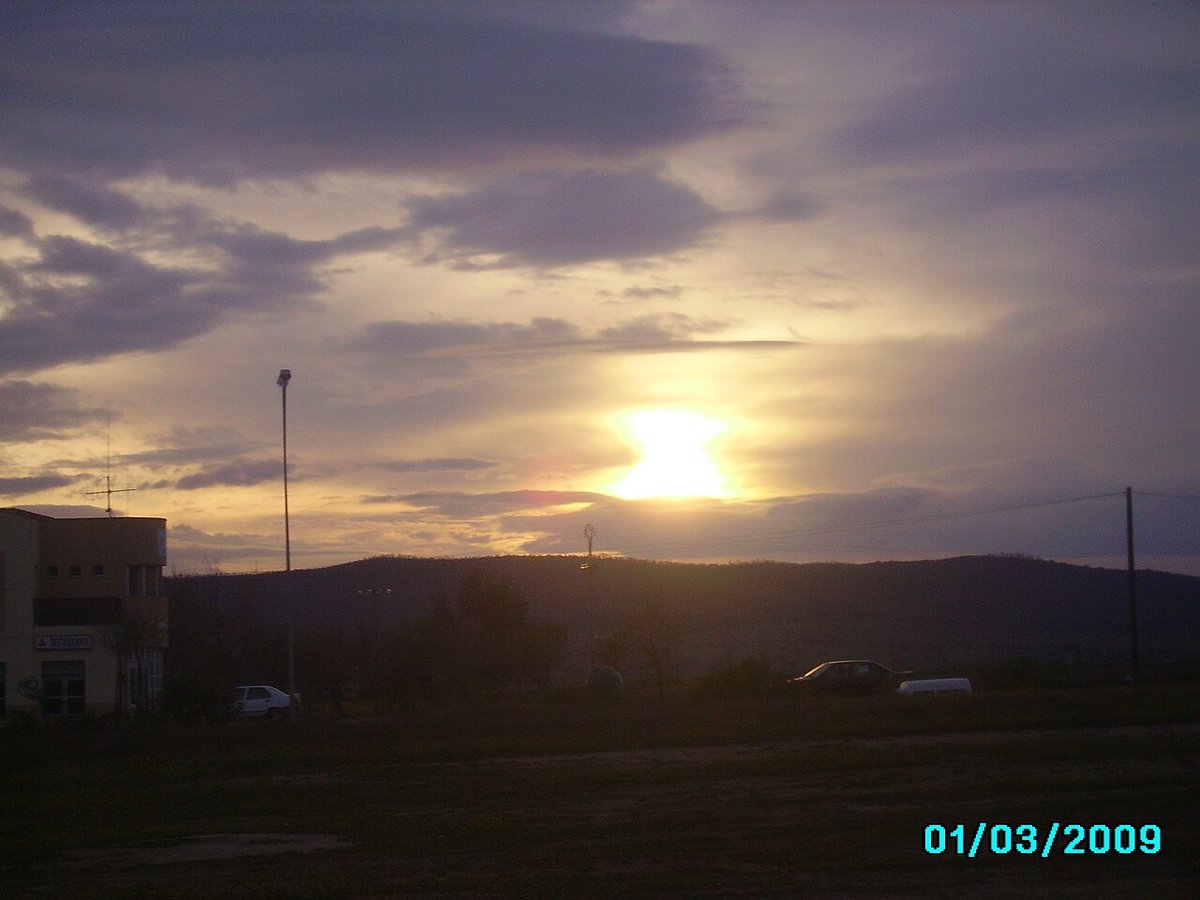
Five thousand souls, one set of traffic lights, and a horizon that starts at the end of every street. Castuera sits 512 metres above southern Extremadura’s rolling cereal ocean, La Serena, and from the town’s modest ridge you can watch clouds throw shadows the size of counties across wheat stubble and olive groaks. It feels less like a place you arrive at than a place you’re suddenly inside, once the last roundabout on the EX-118 releases you.
The weekday calm is absolute. Old men in berets walk three abreast down the centre of the road; cars wait rather than honk. By 14:00 the only sound is the slap of dominoes in the bar of Hotel Extremadura and the gurgle of a fountain installed to honour emigrants who once left for Madrid or Barcelona and now send back retirement money and second-hand cars. Those cars – often spotless 15-year-old BMWs – line the main street until siesta ends at 17:30, when shops reopen and the bakery starts selling sugar-dusted pestiños faster than the woman at the till can bag them.
A church, a castle and a camp nobody meant to find
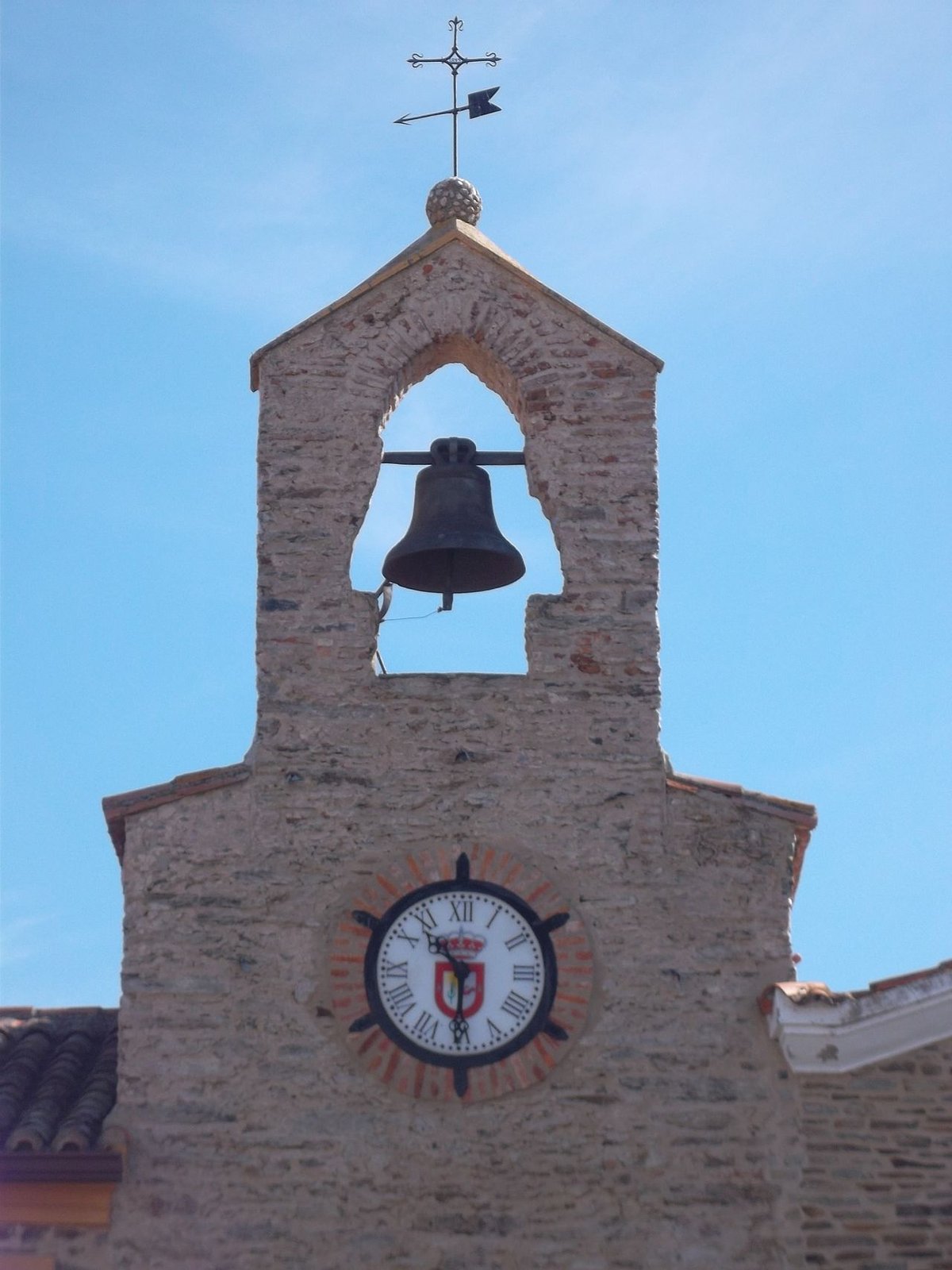
The 16th-century parish church, Nuestra Señora de los Remedios, anchors the old quarter with the confident bulk of a building that has never needed to compete with skyscrapers. Step inside and you’ll find a gilded altarpiece rescued from a fire in 1936 and a side chapel whose floor tiles still carry the scorch marks – the priest leaves the lights low so the scent of beeswax and burnt stone lingers. Ring the bell at the tourist office (Tuesday to Friday mornings is safest) and a guide will walk you three streets uphill to the Castillo del Conde de la Corte, a fortified house rather than a fairy-tale castle. Climb the battlement for 360-degree views of dehesa country: holm oaks spaced like oversized broccoli florets across a pale-yellow platter. You’ll probably have it to yourself; pack water because there’s no café up there.
Three kilometres east, past the industrial estate and a sign easy to miss, the Campo de Concentración memorial keeps watch over the remains of a Franco-era prison camp. Between 1938 and 1942 more than 20,000 Republican prisoners passed through here; today the outlines of barracks are picked out in rusted steel strips on the ground, and an audio guide (Spanish only, but the QR code downloads decent English text) lets survivor testimonies speak above the wind. It’s bleak, necessary, and visited more by German cycle-tourists than by anyone from town. Go in the cool of the morning: there is no shade.
Cheese, paprika and the stubborn art of lunch
Gastronomy in Castuera is built around what the dehesa produces: milk from Merino sheep, acorn-fattened pork, and the smoky paprika of nearby La Vera. In the Saturday market, stallholders slice torta de la Serena so ripe it sags like a water-filled balloon; spread it on bread with a drizzle of local honey and you’ll understand why Extremadurans argue their cheese beats anything the French can muster. For a sit-down feed, Restaurante Artigi on Calle del Pilar will serve you a plate of migas – fried breadcrumbs laced with garlic, grapes and chorizo – followed by slow-roasted kid, all for €14 if you stick to the menú del día. Vegetarians get a roasted piquillo-pepper stack topped with the same gooey cheese; staff will walk you through the menu in enough English to prevent surprises, but they appreciate an attempted “buenas tardes”.
Order coffee afterwards and you’ll be offered licor de bellota, a sweet oak-infused spirit that tastes like single-malt Marmite; treat it as a dare. Most places close by 17:00, so if you fancy a beer at 19:00 you’ll need the mesón on Plaza de España, where the television plays bullfighting replays and the owner keeps a three-legged cat on the bar for luck.
Steppe light and bird-heavy silence
La Serena is one of Europe’s last great steppes, and Castuera is a convenient base for its bird-rich emptiness. Drive ten minutes south on the EX-382, pull off at any unsurfaced track, and within half an hour you’ll spot great bustards lumbering into the air like overweight cargo planes. Bring binoculars and patience: the birds feed close to the road at dawn, then retreat as the heat thickens. Spring turns the plain emerald and throws up poppies in tractor-tyre tracks; by July the same earth is pale dust and the temperature pushes 40 °C. Walking is possible – waymarked circuits start behind the cemetery – but carry more water than you think civilised and expect zero shade. Cyclists appreciate the old livestock trails that link to Zalamea de la Serena; the surface is hard-packed, the gradients gentle, the reward a chilled beer in an village where nobody expects you.
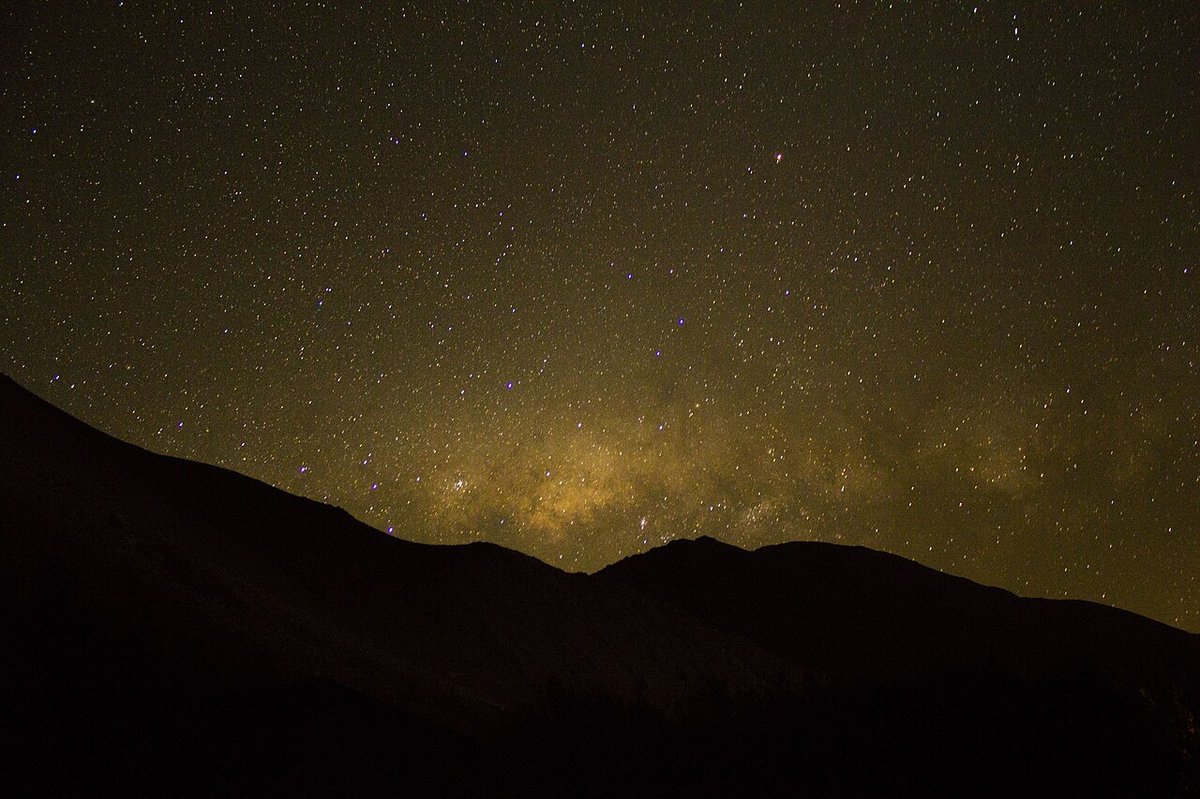
Night belongs to the sky. Street-lighting here is deliberately dim to protect the nearby Calera y Chozas astronomical site, so a five-minute stroll beyond the football pitch delivers Milky Way views that most Britons last saw on a Greek island before the bars arrived. August sees Perseid meteors streak across a black dome so wide you’ll crane your neck like a tourist in a cathedral.
When to come, where to sleep, what can go wrong
April–May and mid-September to October give you warm days, cool nights and a countryside that either blooms or glows bronze after harvest. August is furnace-hot; Christmas is bright, sharp and deserted. Only two hotels operate inside the town limits – the no-frills Hotel Extremadura and the smarter, patio-centred Hotel La Serena – plus a single rural cottage let through the tourist office. Book even for mid-week in low season; engineers working the local photovoltaic plants fill rooms without warning.
Sunday remains sacredly shut. If you arrive late Saturday you’ll find bars open for football, but by 22:00 the streets empty and Monday morning feels like a public holiday. Petrol stations on the bypass follow Spanish rules: one is always “automatic” with card-only pumps that reject most UK chip-and-pin cards unless you know your Spanish PIN. Fill up before 14:00 on Saturday or risk pushing your hire car 40 km to the nearest 24-hour station.
Cash still rules. Most shops levy a €5 minimum for plastic; Restaurant Artigi is the exception. Download Spanish offline in Google Translate, because even the young waitress who studied in London reverts to rapid-fire Extremaduran when the jamón arrives.
Leave before checkout and you’ll probably depart through a silent town, shutters rattling in the breeze and the smell of woodsmoke drifting from someone’s kitchen. Castuera won’t fling souvenirs at you or rearrange itself for the ’Gram; it offers instead the rare sense that the map really does still contain squares of emptiness where the modern century feels negotiable. Turn the car east, and within minutes the camp memorial, the bustards and the unbroken horizon regroup in the rear-view mirror, reminding you how small, and how briefly necessary, a traffic light can be.