Full Article
about Higuera de la Serena
Small town in La Serena devoted to farming; quiet setting of steppe and dehesa landscapes.
Hide article Read full article
First Impressions in La Serena
Some villages make sense straight away. Others take a little longer. Tourism in Higuera de la Serena belongs firmly in the second group.
You arrive, park near the square and the first thought is simple enough: this is small. And it is. But if you linger, if you give it more than a quick circuit, the place begins to show how it really works.
Higuera de la Serena lies in the comarca of La Serena, in the eastern part of the province of Badajoz, Extremadura. This is a broad territory of long horizons where the countryside matters more than any single monument. Agriculture and livestock remain closely tied to daily life, and that connection shapes the rhythm of the village.
Nothing here feels arranged for display. The pace follows the fields.
The Square and the Parish Church
The centre is the plaza. It does not try to impress, yet it gathers the everyday life of the village: neighbours greeting each other, cars passing slowly, conversations that stretch on longer than expected.
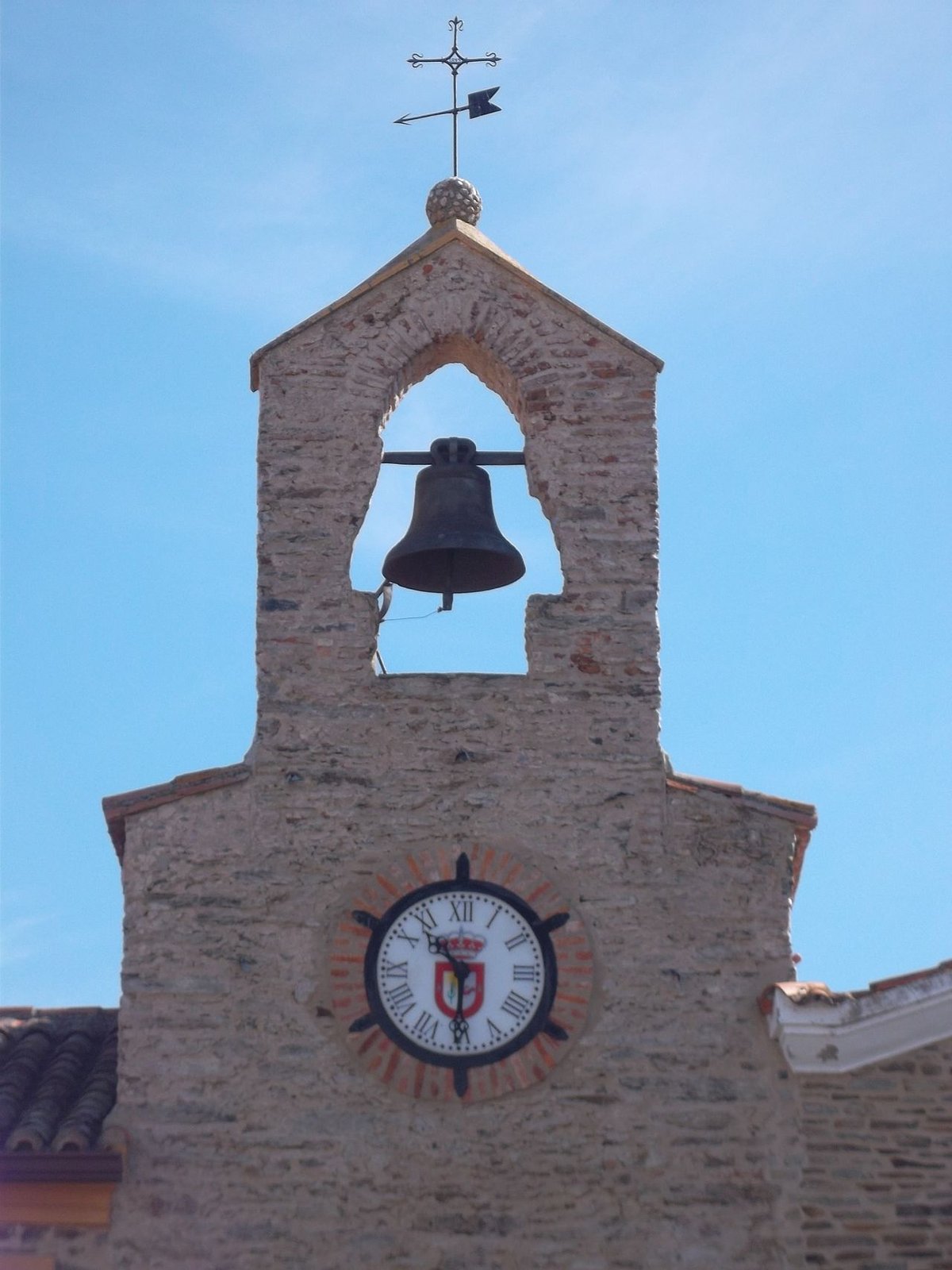
On one side stands the parish church of Nuestra Señora de la Asunción. The present building is usually dated to the late medieval period, although it has been altered over time. Its tower is solid and practical rather than ornate. In many villages across Extremadura, churches like this served several purposes at once: a place of worship, a visual reference point and a meeting space.
The surrounding streets keep their familiar air. Whitewashed façades line the way. Doorways still see chairs brought out in the evening when the heat eases. Now and then an old coat of arms appears on a house front, a reminder that Higuera de la Serena has been here far longer than it might seem when you drive in.
It does not take long to walk through the centre. The interest lies less in grand sights and more in observing how the square shifts through the day.
Stepping Out into the Landscape
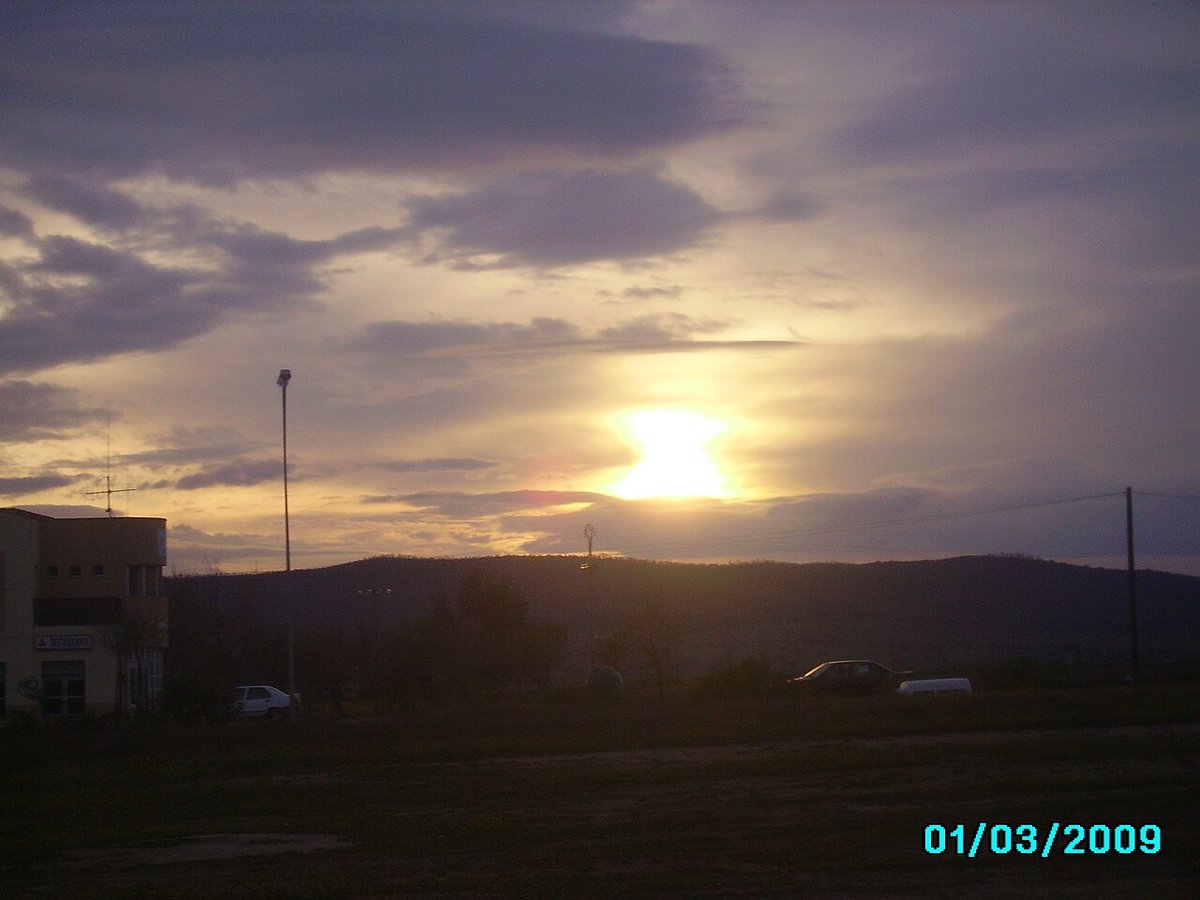
Leave the built-up area and within minutes you are in open countryside. A couple of bends in the road are enough.
The setting around Higuera de la Serena is typical of La Serena: dehesa mixed with cereal fields, scattered holm oaks and large estates stretching towards the horizon. A dehesa is a traditional Iberian landscape of pasture dotted with trees, shaped by grazing and farming over centuries. It is not dramatic in the conventional sense. The appeal reveals itself more clearly when you drive slowly or walk along a farm track.
Isolated cortijos, or rural farmhouses, still appear here and there. Very old holm oaks stand in the fields, as if they have always been part of the scene. On clear days the sense of space is striking. The land seems to breathe more widely than usual.
This is a landscape that rewards patience. It does not demand attention, but it holds it once you start to notice the details.
Simple Walks and Quiet Tracks
Several dirt tracks leave from the outskirts of the village. Local residents and farm workers use them regularly. Some lead towards small seasonal watercourses, others into denser patches of dehesa.
The Estación Biológica de Los Hornos is also mentioned in the area. It is linked to studies of wildlife and ecosystems within the comarca. It is not designed as a quick tourist stop, yet its presence underlines the ecological interest of what might at first seem like a calm and uneventful landscape.
Spring and autumn are generally the most comfortable seasons for walking. The colours of the fields shift noticeably, and the heat is less intense than in high summer. Even a short stroll along a quiet track can give a sense of how closely the village and its surroundings are connected.
Open Skies and Birdlife
Anyone who looks up now and then will notice that the skies here are active.
The open fields of La Serena provide territory for lesser kestrels, harriers and other birds of prey that take advantage of air currents above the crops. Storks are a common sight on posts and rooftops. In certain seasons, great bustards can be heard in higher pasture areas, although they are becoming increasingly difficult to find.
No elaborate birdwatching plan is required. It is often enough to stop the car along a quiet track and stand still for a few minutes. The combination of wide fields and little traffic creates good conditions for observing what is already there.
The experience remains simple and informal, in keeping with the character of the village itself.
Food from the Fields
Local cooking follows the broader traditions of the province of Badajoz: country dishes and pork products.
Migas appear on the table, as do lamb stews and locally produced embutidos. The style is straightforward and filling. It makes sense after a morning spent working outdoors or walking in the countryside.
In season, people also look for wild mushrooms in some nearby areas, particularly after periods of rain. Local knowledge matters here. Residents tend to know exactly where to go and what to pick. Improvisation without a good understanding of the terrain or the species is not advisable.
The food reflects the same values seen in the landscape: practicality, continuity and a close link to the land.
Festivities that Bring People Back
Village celebrations follow a fairly classic calendar for the region.
In August, Nuestra Señora de la Asunción is honoured with religious events and days when many people who live elsewhere return home. May brings decorated crosses displayed in several streets, a tradition that continues to be observed.
These dates are not designed to draw large crowds from outside. They mark moments when the community gathers and reconnects.
In the end, Higuera de la Serena works much like other villages in La Serena. At first glance it may seem understated. Spend a little time watching the movement in the square and the way the countryside opens out around it, and the logic of the place becomes clearer. If you pass through quickly, you will see it in minutes. If you pause, you begin to understand it.