Full Article
about La Coronada
A farming town in La Serena with wide streets; known for its devotion to the Virgen de las Cruces and its steppe surroundings.
Ocultar artículo Leer artículo completo
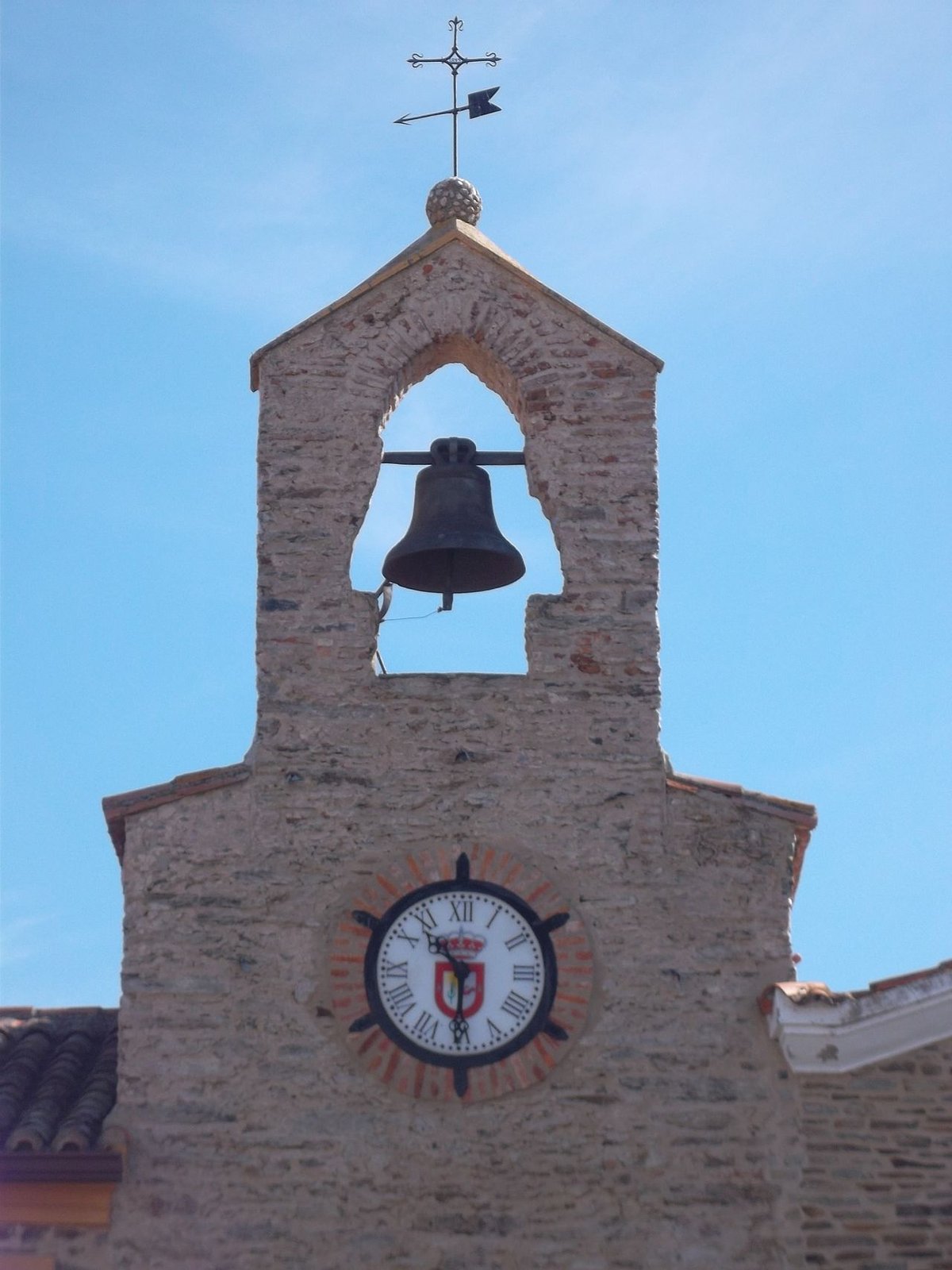
The church bell strikes noon and the only thing moving is a single stork drifting over the plaza. Every shop has pulled its metal shutter halfway down, not out of crisis but out of certainty: nothing urgent will happen until the temperature drops. In La Coronada, 2,000 inhabitants and two centuries of routine have produced a timetable that no amount of foreign guidance can overturn.
A map you can fold into your pocket
The whole village is barely a kilometre from end to end. Start at the ayuntamiento, a modest 19th-century brick box painted the colour of pale tobacco, and walk south; you’ll hit the last house in four minutes. The streets are laid out like a deck of cards dealt by someone in a hurry—short, straight lines that stop abruptly at pasture. There is no ring road, no industrial estate, only the dehesa rolling on every side, its holm oaks spaced as if someone planned the savannah by eye.
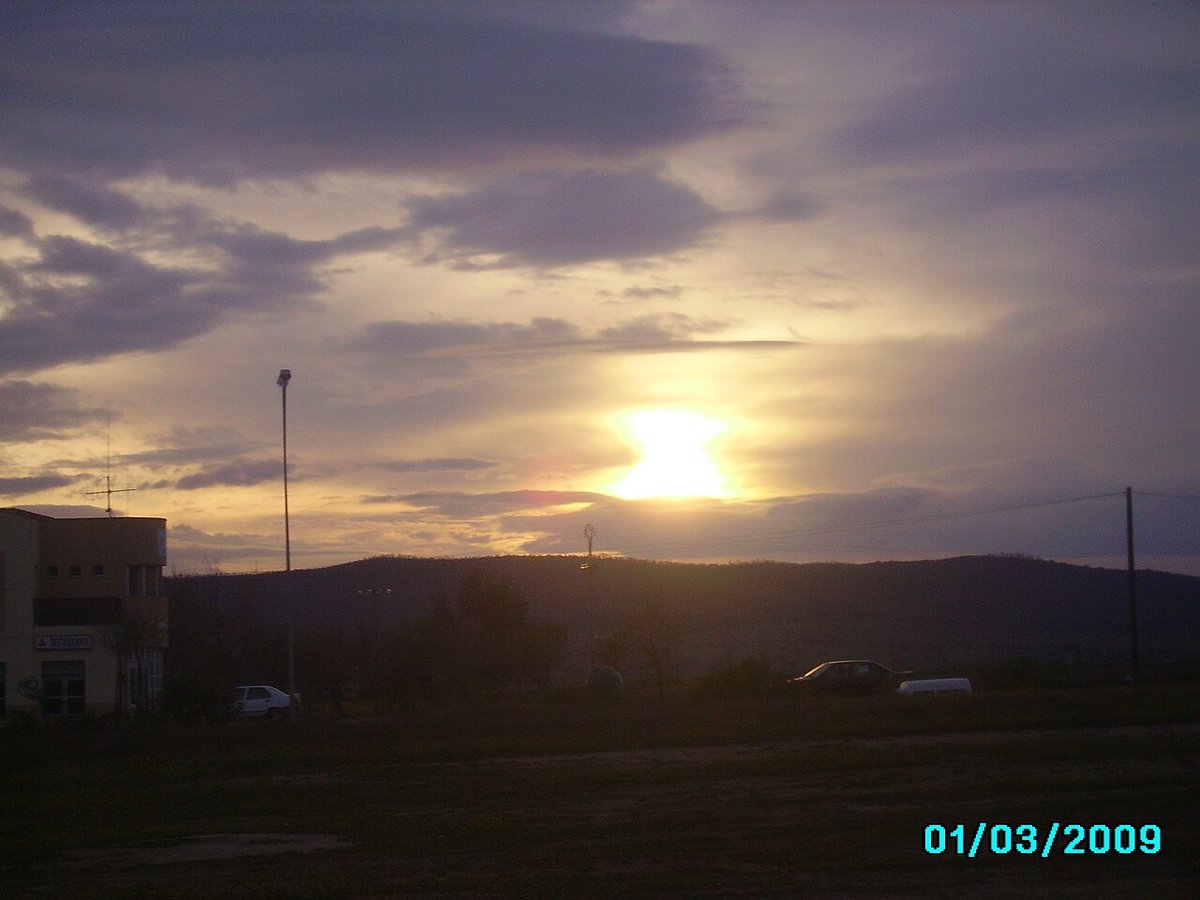
That openness is the first surprise for visitors expecting the usual Extremaduran alleyways. Sunlight has nowhere to hide; in July it ricochets off whitewash and pushes the mercury past 40 °C. The compensation comes in winter, when the same unobstructed sky turns into a theatre for cranes. Between November and February several thousand ride the thermals above the village, their croaking audible long before they appear. Bring binoculars, but don’t expect a hide: the best vantage point is the stone bench outside the Bar Central, coffee €1.20, locals happy to identify birds for anyone who asks.
Stone, clay and the smell of oak
The parish church of Nuestra Señora de la Asunción looks, at first glance, like a barn with delusions of grandeur. The façade is plain brick, the tower short and slightly crooked. Inside, the single nave widens into side chapels lined with ochre stone that has darkened where fingers have rested for two hundred years. The altarpiece, gilded in 1643, still carries the original invoice chalked on the back: 1,200 reales, half paid in silver, half in lambs. No one rushes you; the door stays open because the sacristan lives opposite and keeps an eye from her kitchen window.
Round the corner, Calle Ancha widens to accommodate the weekly Thursday market—six stalls, one of which sells only rope. The houses here are single-storey, their roofs tiled with curved terracotta that the local factory once produced from river clay. Peek through an open gate and you’ll see the standard layout: a paved patio, a wellhead, a single lemon tree in a pot large enough to bathe a toddler. These courtyards are private; photographs from the threshold are tolerated, stepping inside is not.
The reservoir that isn’t a beach
Guidebooks sometimes claim the Embalse de La Serena is “ten minutes away”. The sat-nav disagrees: 26 km of winding country road, half of it single-track, takes closer to thirty. What you reach is not a lido but an inland sea—15,000 hectares of water created when the Guadiana was dammed in 1989. Black-winged stilts pick along the shoreline; fishermen cast for carp and zander from folding chairs. There is no sand, no ice-cream kiosk, and the only shade is what you bring. Come if you like birds or blank horizons, but treat it as an excursion, not an afternoon dip.
Back in the village, the swimming option is simpler: ask at the Bar Central for the key to the municipal piscina. It’s a 25-metre unheated pool open July to September, entry €2, closed between 2 p.m. and 5 p.m. because lifeguards observe the siesta too.
What arrives on the plate
Food is organised around the pig and the cereal cycle. Breakfast might be toast rubbed with tomato and a slice of jamón from a beast that was still wandering the dehesa last year. Lunch, if you time it right, is cordero a la miel—leg of lamb slow-roasted with local rosemary honey—served at Mesón La Encina (menú del día €12, only on weekends, ring ahead). Vegetarians can expect eggs, cheese and the excellent pimentón-dusted chickpea stew known as cocido de pegar, but little green apart from lettuce. The nearest supermarket stocking tofu is 45 km away in Don Benito; plan accordingly.
Walking without waymarks
There are no signed footpaths. What exist are livestock tracks—broad lanes of pressed earth that connect water points. Park at the cemetery on the southern edge and follow the widest track south-west; within twenty minutes the village shrinks to a white line and the only sound is cowbells. The going is flat, but the ground hides rabbit holes; trainers are fine in dry weather, boots essential after rain. Carry water: the shade of an individual oak is generous, the distance between oaks is not. Circle back via the old railway cutting, now a dirt road, for a 5 km loop that returns you in time for the evening passeo, when residents promenade the plaza in clockwise silence.
Getting here, staying over, knowing when not to come
La Coronada sits on the EX-390, 72 km south-east of Cáceres and 56 km north of Mérida. The nearest railhead is at Villanueva de la Serena, 35 km away, served twice daily from Madrid. Car hire is available at the station; pre-book or you’ll be offered a van used by the local builder. Buses reach the village on schooldays only, departing Castuera at 7 a.m. and returning at 2 p.m.—useful for pupils, useless for tourists.
Accommodation within the village is limited to two casas rurales, four rooms each, prices €55–€70 including breakfast. Both close in August when owners escape to the coast. Larger hotels cluster in Castuera ten minutes’ drive north: the H2 La Serena (€65, pool, accepts dogs) is the reliable choice. Book mid-week; weekends fill with families visiting grandparents.
Avoid August altogether unless you enjoy 42 °C heat and shuttered streets. Late October brings the crane migration and temperatures perfect for walking; almond blossom in late February is the other sweet spot. If it rains—rare but spectacular—caution wins: red clay turns to grease and even tractors slide backwards.
The farewell that isn’t
The village offers no souvenir shop. The closest thing is the cooperative store on Calle Real where you can buy a vacuum-packed kilo of ibérico shoulder for €24 and a bottle of local honey for €6. Wrap them in a T-shirt, drive away, and somewhere on the A-5 you’ll realise the true export of La Coronada is not edible: it is the recalibration of your own sense of hurry. The cranes will still be circling tomorrow, the church door will still be open, and the rope seller will still have the same length of hemp. The village does not depend on you; that, oddly, is why you might depend on it for a memory of what time feels like when nobody is watching.