Full Article
about Magacela
A hilltop village with a historic castle and a dolmen; it offers one of the best views in the region.
Hide article Read full article
A Hill That Catches the Eye
Some places appear almost by accident. You are driving along a quiet road through La Serena, in the province of Badajoz, and a silhouette rises on a hill ahead. At the top, the ruins of a castle look out over the plains. That is how tourism in Magacela often begins: with a glance upwards.
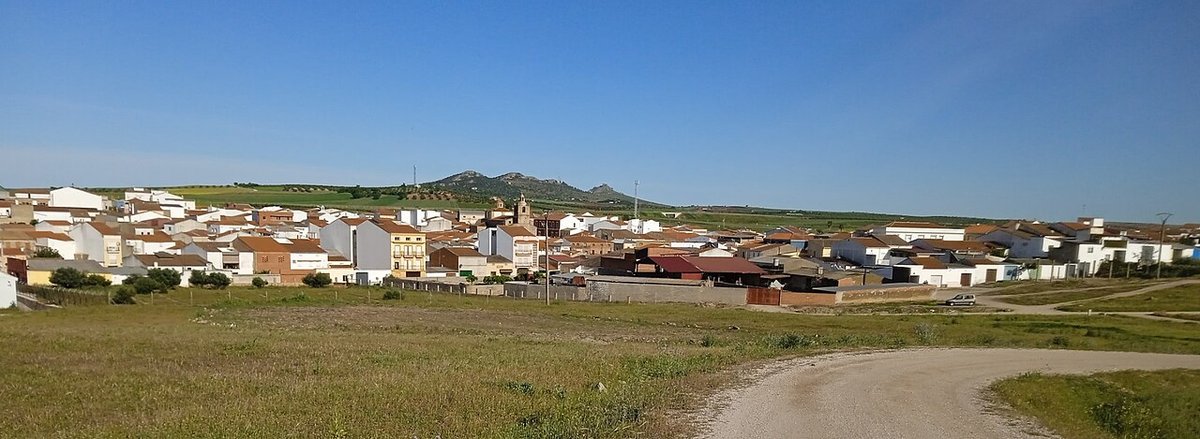
The village sits on a cerro, a rounded hill that stands out from the surrounding countryside. From below, the castle seems to watch over everything, an old presence that has seen the landscape change slowly over time. There are no grand façades or dramatic entrances here. What draws attention is the setting itself.
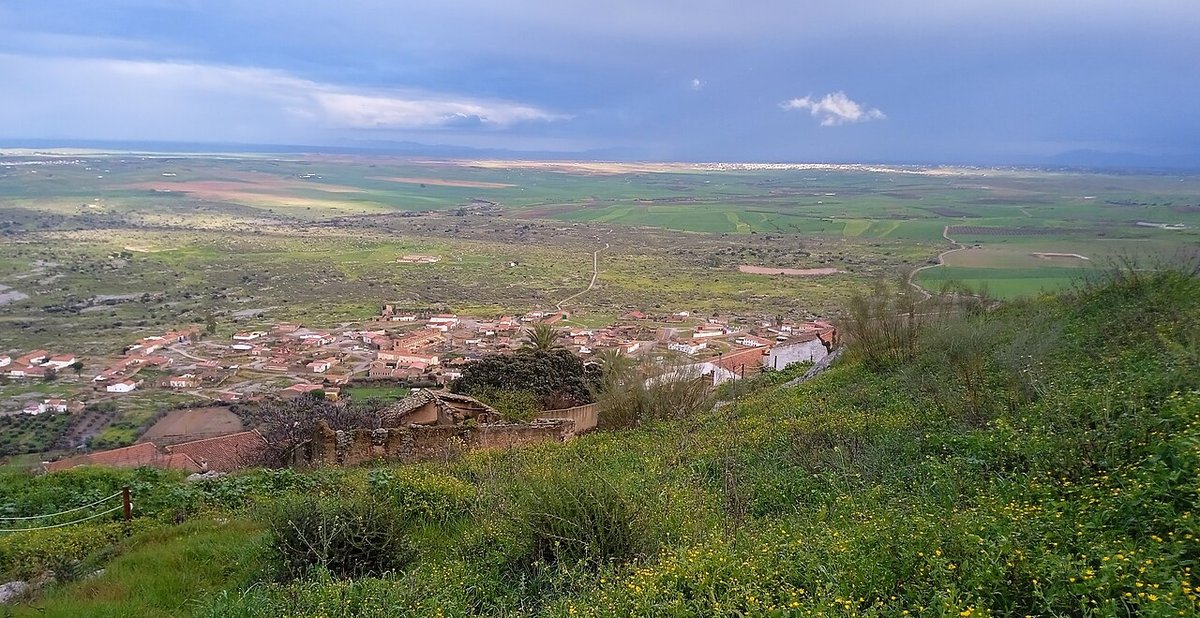
At the top, the view opens in every direction across La Serena. Dehesas stretch towards the horizon, dotted with encinas, the holm oaks that define much of Extremadura’s landscape. Large plots of farmland and wide skies give a sense of space that feels constant and unhurried. It is the kind of place where the landscape explains the character of the region without the need for information panels.
The Castle and Its Strategic Hill
The Castillo de Magacela organises the village both visually and historically. Its ruins occupy the highest part of the hill, and the defensive layout can still be made out among the remaining walls. This is not a polished restoration or a site prepared for spectacle. What stands is old stone, open structures and the clear marks of time.
The name Magacela is often linked to its Andalusí past, commonly interpreted as something like “castle on the rock”. Standing at the top, that association feels logical. The position is strategic, with clear views over the surrounding plain. From here, the terrain of La Serena lies fully exposed.
The walk up can be done on foot from the village itself. It is not especially long, though the slope makes itself known. In summer, taking it slowly is wise. The reward is not a single monument but a panorama that frames the entire visit.
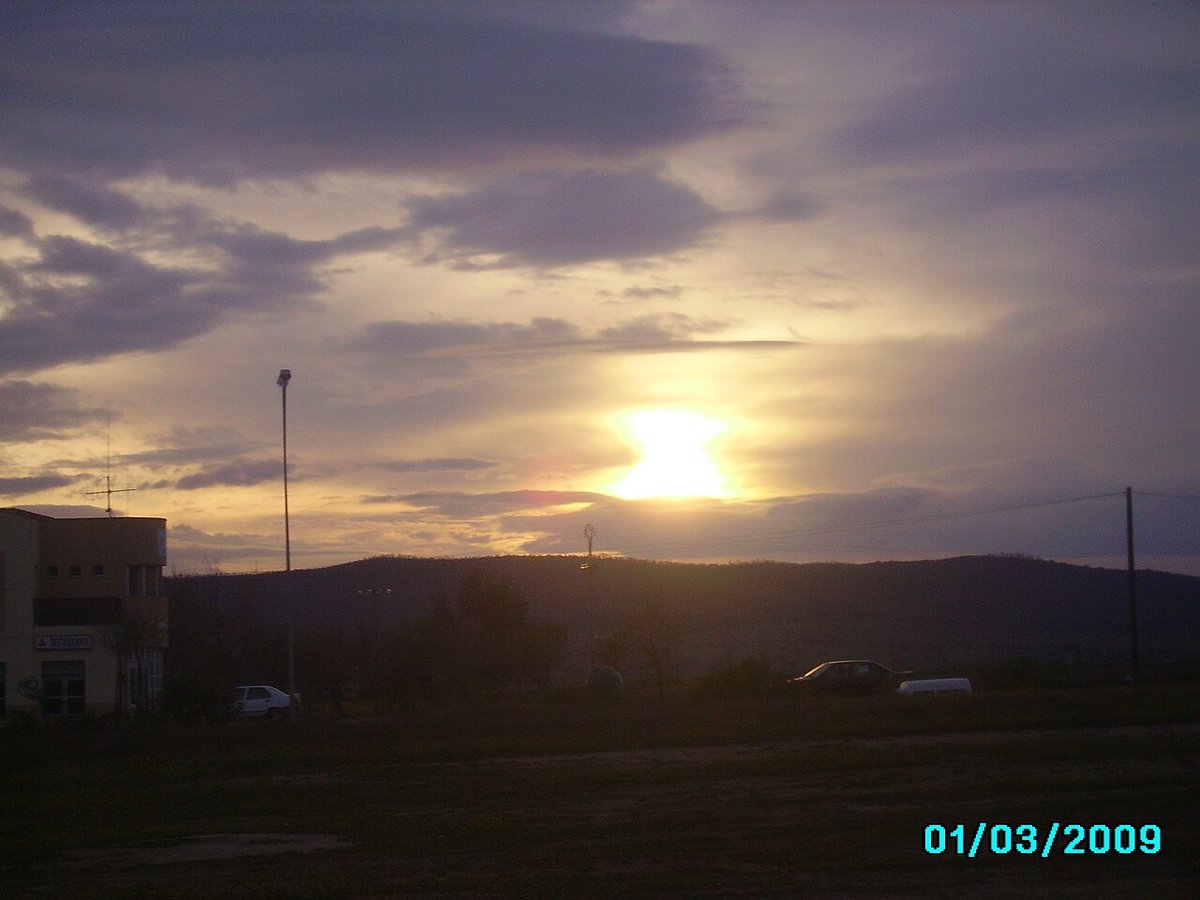
At sunrise and sunset, the stone of the castle shifts in colour with the changing light. Even without professional equipment, the setting offers strong photographic appeal. The hill, the ruins and the open landscape form a simple composition that does not need embellishment.
Stone Streets and Quiet Corners
Back down in the village, Magacela invites an unhurried walk. The urban layout is relatively orderly, with cobbled streets and houses built from thick stone walls. In summer, these traditional buildings keep the interiors cool in a way many modern flats struggle to match.
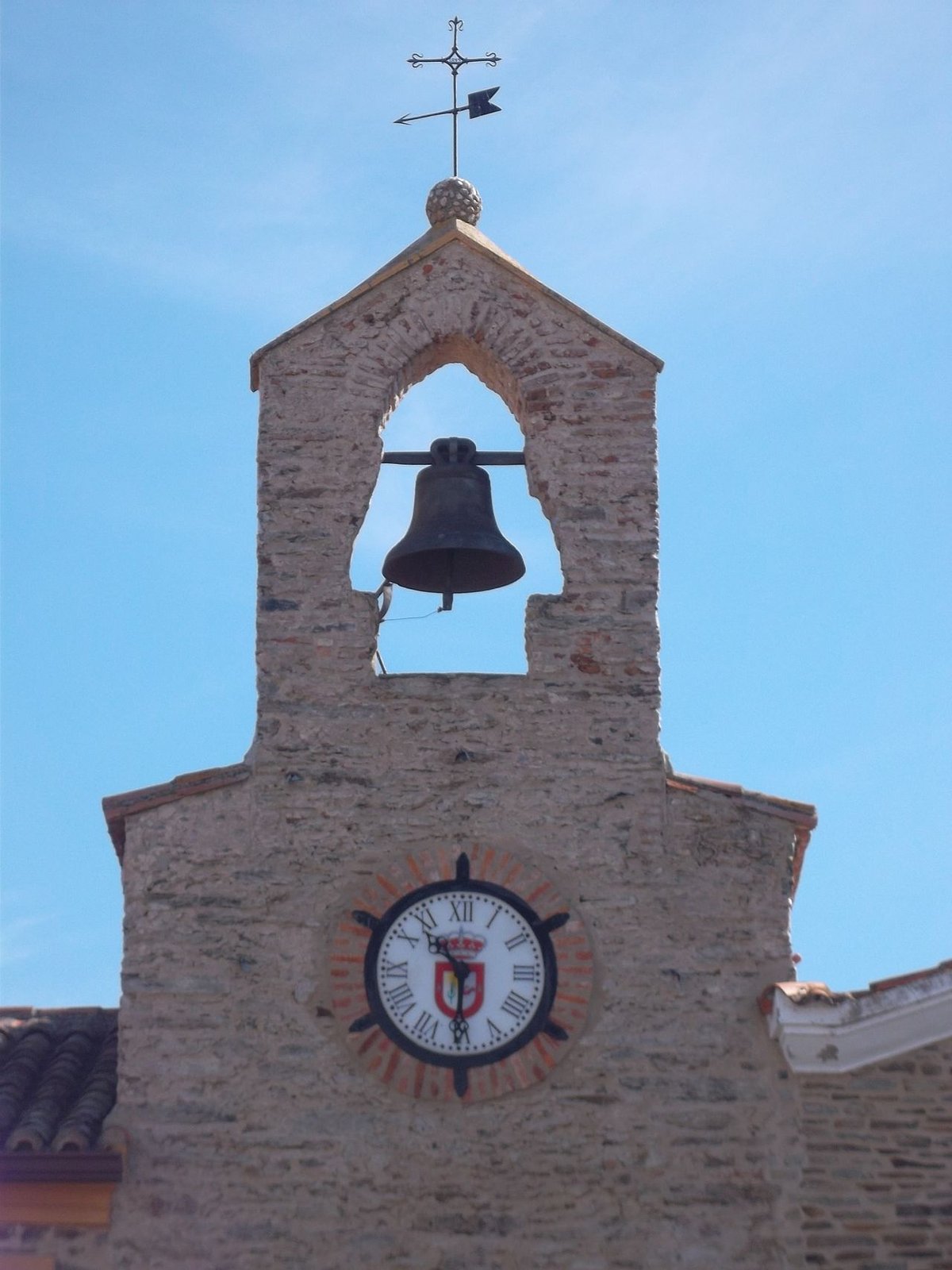
The Iglesia parroquial de Nuestra Señora de los Remedios shapes much of the village skyline. Like many parish churches in Spain, it combines elements from different historical periods, reflecting centuries of gradual expansion and modification. Inside, the atmosphere is sober. There are no lavish decorative schemes, but there is the calm familiarity of a working village church.
Remains of the former Convento de San Benito can also be found. It is not a monumental complex, yet it helps to understand the importance religious orders once had in this part of Extremadura. Their presence shaped both the spiritual and social fabric of many settlements across the region.
The plaza acts as a small centre of gravity. A few benches, neighbours sitting and talking, and the steady rhythm typical of a village of around five hundred inhabitants define the scene. Life here tends to unfold slowly, with daily routines taking precedence over spectacle.
Walks, Wildlife and Open Skies
The hill of Magacela is surrounded by open countryside. Paths and tracks lead around the slopes, weaving between encinas and grazing land. These are straightforward routes, more suited to gentle walks than technical hiking.
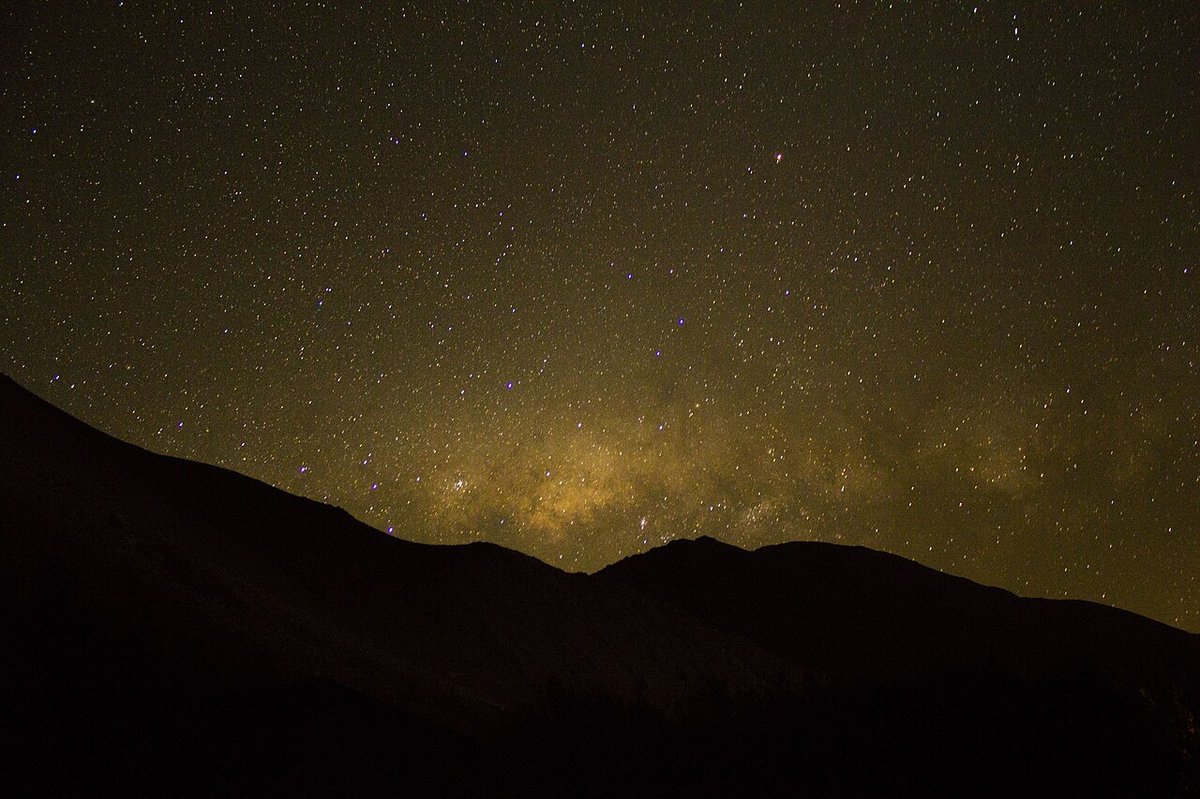
La Serena is known for its wide skies, and this part of the region sees frequent bird activity. Birds of prey are often visible, taking advantage of air currents over the fields. With binoculars and a little patience, watching the sky becomes an activity in itself.
The relationship between village and countryside feels direct. Fields begin just beyond the last houses, and the horizon is never far from view. The absence of urban noise or large-scale development reinforces the sense that Magacela is closely tied to its surroundings.
Local Flavours of La Serena
Food in Magacela reflects the produce of La Serena. Iberian pork plays a central role on local tables, as it does across much of Extremadura. Traditional dishes such as migas, made from fried breadcrumbs, and gazpachos de campo, a rural variation on cold soups suited to hot weather, appear regularly.
Hearty stews are also common, cooked slowly and served in generous portions. These are straightforward dishes, rooted in agricultural life and designed to satisfy after time spent walking the hill or exploring the surrounding paths.
The cuisine does not aim for complexity. It draws from what the land provides and from recipes passed down through generations. In that sense, it mirrors the village itself: practical, grounded and closely connected to its environment.
Festivities with a Local Feel
Magacela’s main celebrations revolve around the Virgen de los Remedios. The patronal festivities take place around September and typically combine religious processions with open-air dances and lively evenings in the streets. For visitors unfamiliar with Spanish village life, these events mix devotion with community gathering, often centred on the church and the plaza.
During Semana Santa, Holy Week, local processions bring further movement to the streets. In spring, the romería de San Isidro reflects the area’s agricultural identity. A romería is a traditional pilgrimage, usually involving a procession to a rural site and a day spent outdoors. In Magacela, it remains closely linked to farming life.
These are not festivals designed primarily to attract tourism. Most people know one another, and the atmosphere resembles a gathering of neighbours more than a large-scale event.
How Long to Spend in Magacela
Magacela works best as a calm stop within a wider route through La Serena. The castle ruins, a walk through the old centre and time spent looking out over the plains from the top of the hill are enough to form a clear impression.
A few hours allow visitors to grasp the essence of the place. Magacela is not a destination for a long city break. It functions more like a natural viewpoint encountered along the road: a pause that offers perspective on this part of Extremadura. From the hilltop, with La Serena unfolding in every direction, the character of the region becomes easy to understand.