Full Article
about Malpartida de la Serena
Quiet town in La Serena; noted for the nearby Cancho Roano archaeological site, a Tartessian sanctuary.
Ocultar artículo Leer artículo completo
The church bell strikes noon, and the only other sound is a tractor grumbling through the narrow lanes. In Malpartida de la Serena, Extremadura, this passes for rush hour. Five hundred souls live here, give or take the odd grandchild who returns for August, and the village measures its days by livestock bells rather than smartphone alerts.
A Village that Refuses to Shout
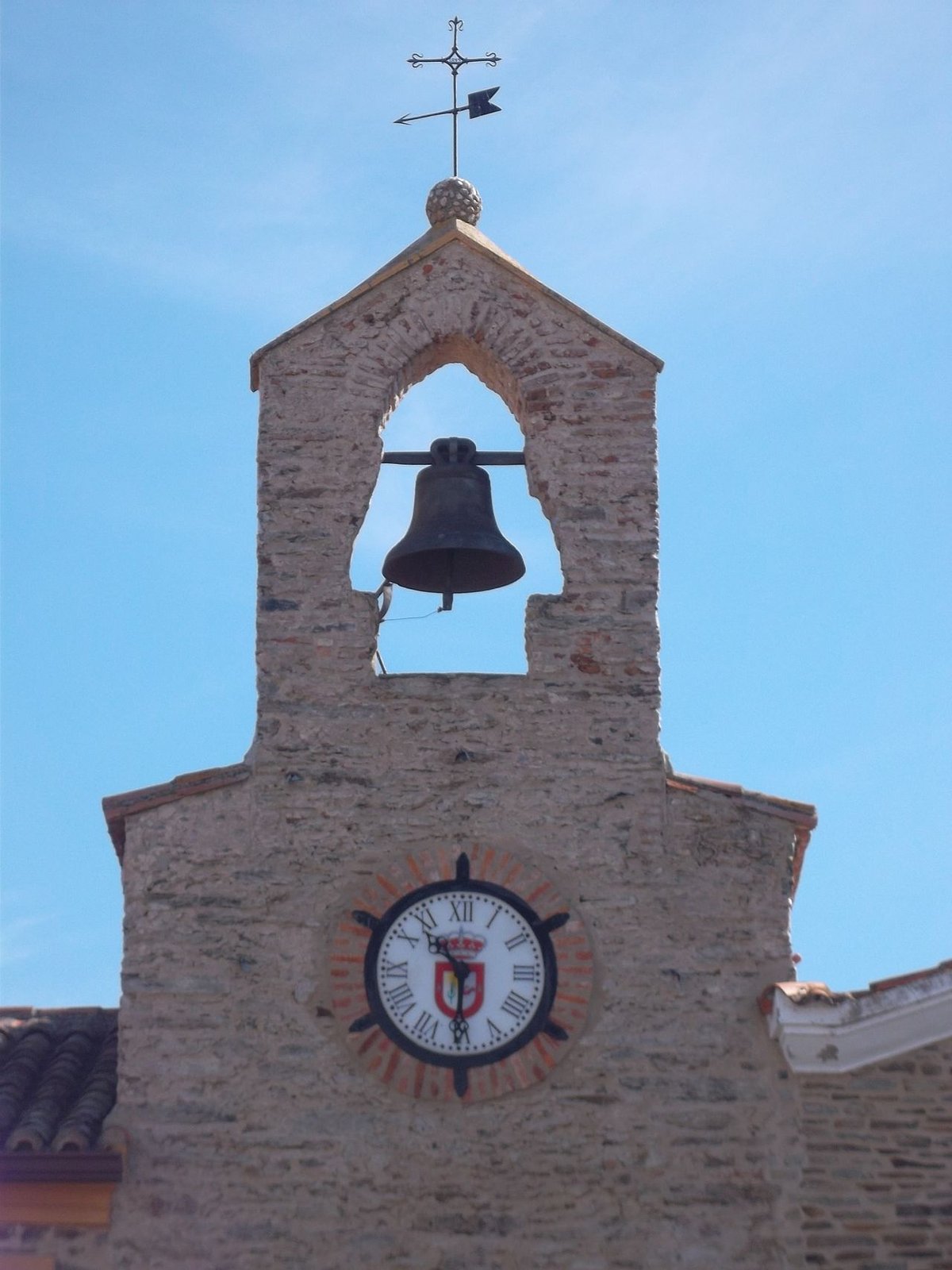
Whitewashed cubes huddle around the fifteenth-century tower of Nuestra Señora de la Asunción, their terracotta roofs baked almost black by decades of Iberian sun. Granite doorframes, shoulder-scratched by generations of passing mules, give away which houses pre-date the Civil War. There is no ticket office, no interpretation board, no gift shop. The monument is simply the village itself, and the admission price is whatever you spend on a coffee in the single bar that opens at 7 a.m. and closes when the owner feels like it.
Walk without purpose. That is the only instruction. Three minutes in any direction brings you to the edge of town, where tarmac surrenders to dusty farm tracks and the dehesa begins. These open oak pastures stretch unbroken all the way to the horizon, a savannah tweaked by centuries of pig and shepherd until it feels both wild and deeply known. Between the holm oaks, charcoal-grey Iberian pigs snuffle for acorns, each ham worth more than the average agricultural wage. The smell is of warm thyme and distant manure: not unpleasant, just honest.
What You Actually Do Here
Serious hikers will be disappointed. The handful of waymarked routes peter out after a kilometre, replaced by centuries-old livestock droves known locally as vías pecuarias. One of them, the Cañada Real Segoviana, still funnels sheep southwards in late autumn; stand quietly by the stone track and you may hear the metallic clink of bells before the flock appears through the heat shimmer. Good boots are essential—after rain the clay sticks like wet concrete—and carry more water than you think necessary. Extremadura hides its brutality beneath a benign sky.
Birdwatchers do better. Booted eagles patrol the thermals above the ridge; black vultures, wings the span of a small car, tilt overhead without seeming to move a feather. Dawn and dusk are reliable, but midday in July is for mad dogs and Englishmen only. Spring brings rollers and bee-eaters, autumn waves of migrating storks. A pair of €30 binoculars transforms the landscape into television with the sound up.
Food is inseparable from the calendar. Visit in February and every garage reeks of woodsmoke and pig fat: families still gather for the matanza, slaughtering one animal to provide ham, loin, chorizo and morcilla for the year. Outsiders are rarely invited, but the bar will serve migas—fried breadcrumbs laced with garlic and spicy chorizo—washed down with local beer that costs €1.20 a caña. The cheese, torta de la Serena, is liquid at room temperature; spoon it onto toasted bread and understand why Michelin-starred chefs order it by the crate. There is no tasting menu, no amuse-bouche, just produce that left the farm before you woke up.
Fiestas Where Nobody Checks Your Credentials
Mid-August turns the village inside out. The fiestas de la Asunción bring home emigrants from Madrid, Barcelona, even Swindon, doubling the population overnight. Brass bands march at 2 a.m., fireworks rattle the church windows, and the plaza fills with teenagers who have known one another since nursery school. Visitors are welcome but not fussed over; buy a raffle ticket for the ham, dance when the music starts, remember that Spanish time runs approximately 45 minutes late.
January belongs to San Antón, patron of animals. Locals lead horses, dogs and the occasional pet rabbit to the church for a sprinkling of holy water. The procession feels medieval because, in effect, it is: the blessing guarantees healthy stock and, by extension, the village economy. Photographs are fine, selfies with someone’s prize mule less so—ask first.
Getting Here, Staying Sane
Public transport is a theoretical concept. There is a Monday bus from Castuera that returns on Thursday; otherwise, hire a car at Badajoz airport (90 minutes) or Mérida station (75 minutes). The last 20 km slice through wheat fields so wide you can see tomorrow’s weather on the far side. Petrol stations are scarce—fill up when you see one.
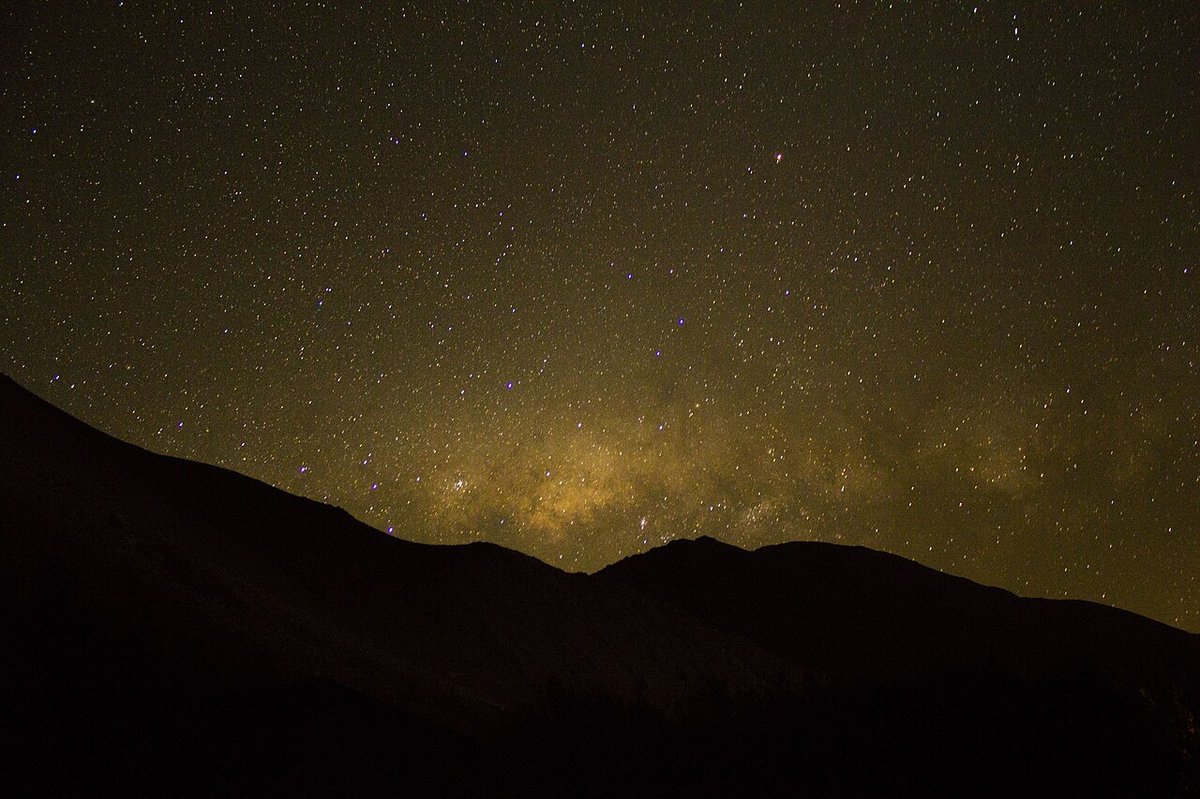
Accommodation is limited to three rural houses and a four-room guesthouse above the bakery. Expect stone walls, patchy Wi-Fi and showers that deliver either scalding or freezing water, never both. Prices hover round €60 a night; book ahead for Easter and August. Camping is tolerated beside the municipal pool in July, but there are no facilities beyond a cold-water tap and the stars, which, admittedly, are spectacular.
Summer heat is not a joke. Thermometers touch 42 °C by late morning; sensible mammals vanish until 7 p.m. Plan like the locals: walk at sunrise, siesta through midday, reappear at dusk with bread, cheese and a bottle of ice-cold beer. In winter the plain turns bitter; mist lingers until lunchtime and the houses, built to repel July, can feel draughty. Spring and autumn are the sweet spots, when the dehesa glows emerald and night temperatures demand only a light jumper.
The Honest Verdict
Malpartida de la Serena will not change your life. It offers no ruins to tick off, no viewpoints to Instagram, no cocktail bar to brag about. What it does offer is a calibration device for urban urgency: a place where bread is baked at 5 a.m. because that is when people want it, where the mayor can be found repairing the road himself, where the loudest noise at 11 p.m. is the church clock counting the hour.
Come if you need reminding that villages still exist without marketing departments. Stay two nights, buy ham from the cooperative shop on the main street, walk until the tarmac ends, then turn back. Leave before boredom sets in, but notice how the car accelerates a fraction less eagerly on the return road. The village will not miss you, yet the dehesa will keep the footprints you left in the dust for days after the wind should have erased them.