Full Article
about Monterrubio de la Serena
Famed for its extra-virgin olive oil with D.O.P. status; set between La Serena and the Campiña amid vast olive groves.
Hide article Read full article
A Place That Smells of Olives
Some towns become famous because of a photo. Others become known for what is inside the jar. Tourism in Monterrubio de la Serena leans firmly towards the second category. Conversations here tend to circle back to olive oil. Not the view, not the hotel, but the oil. Whether this year’s batch has more bite, whether it has come out smoother, how the harvest is looking.
Depending on the season, you may even notice it in the air. When the almazaras, the olive mills, are working at full speed, there is a scent of fresh oil that drifts through the streets. It slips in through an open car window and lingers. Subtle at times, unmistakable at others.
Monterrubio is a large municipality in terms of land, closely tied to olive cultivation. A short drive or walk along the surrounding tracks makes that clear. Rows of olive trees stretch out across the landscape, repeating themselves until they blur into the horizon. There is a sense that everything here revolves around the olive grove. For locals, talking about olive oil is not foodie fashion, it is everyday conversation.
The oil produced in the area has held a Denominación de Origen Protegida status for years, a protected designation that recognises its origin and quality. In the town centre, inside a historic house, there is a small museum dedicated to this world. It explains how olives were once harvested and pressed, how the mills operated, and how production has evolved over time. By the end, it is easier to understand why debates about oil can become as animated as football discussions.
When the Rhythm Shifts
Monterrubio de la Serena changes character depending on when you visit. At its core it moves at an unhurried pace, but certain moments in the year bring a different energy.
In summer, the town usually hosts a fair dedicated to olive oil. Streets that are often quiet fill with stalls and visitors tasting different varieties. Conversations take on the tone of a professional tasting session. Some people come simply to buy large containers to take home. Others compare aromas and flavours with the seriousness more often associated with wine.
Spring brings the romería of San Isidro. A romería is a traditional pilgrimage and rural festival, common in many parts of Spain. In Monterrubio, the hermitage stands slightly elevated on the outskirts of the town. Groups of people walk up together, carrying cool boxes, folding chairs and enough food to spend the day outdoors. The atmosphere has something of a school trip about it, with families and friends sitting on the ground, sharing tortilla and sandwiches, talking for hours.
At these times, the town feels fuller and louder, yet still rooted in its own routines. The festivals do not transform it into a spectacle. They simply amplify what is already there.
La Serena, Wide and Open
Monterrubio de la Serena sits within the comarca of La Serena. This is La Serena the region, not the tennis player. The landscape here is open and expansive. It is not mountainous, nor is it dense forest. Instead there are broad fields, scattered dehesas, the traditional pastureland dotted with trees, and vast numbers of olive groves.
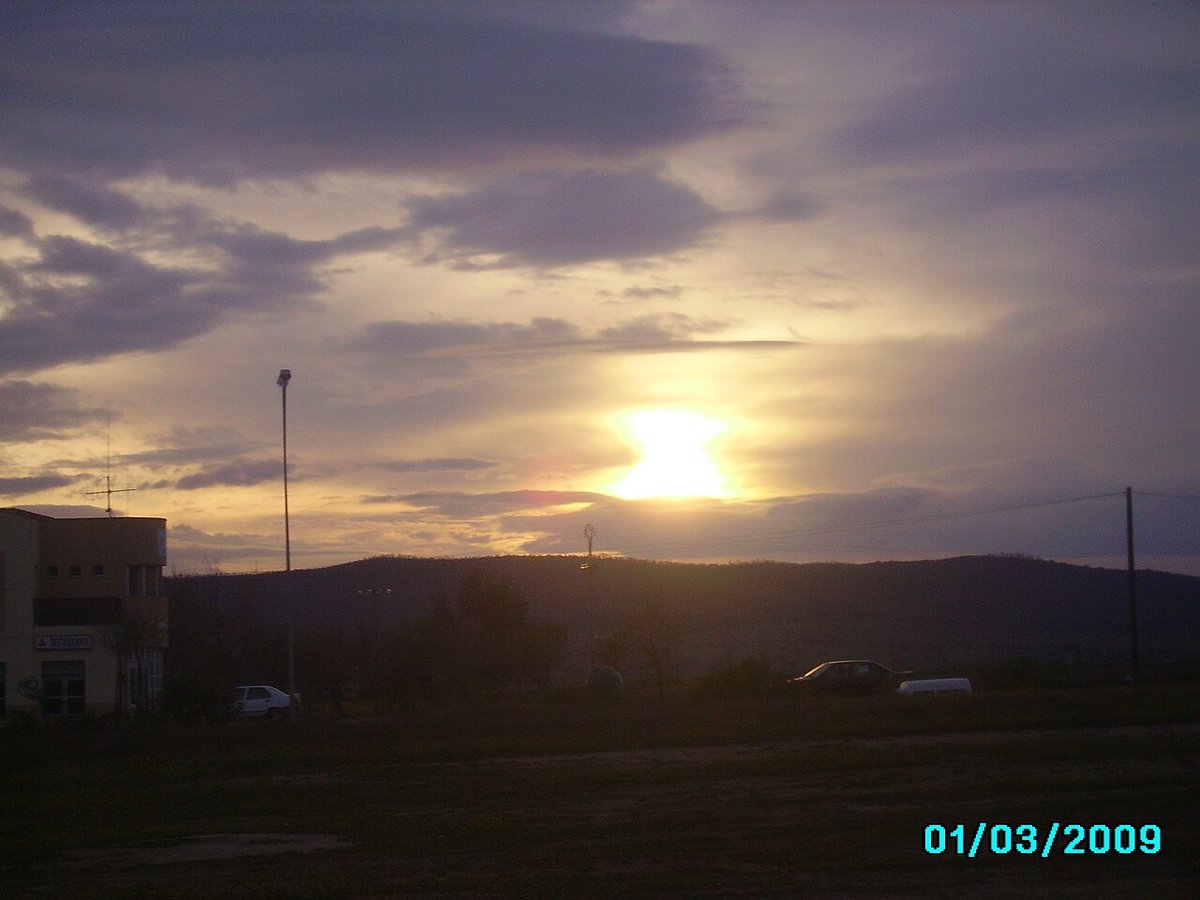
Climb to any small rise outside the town and the view becomes clear. The terrain stretches out like a grey-green carpet. The scale is part of the experience. There is space to breathe, to look far ahead without anything interrupting the line of sight.
Several rural tracks criss-cross the area. Locals use them for walking or cycling, and some lead to rocky outcrops and modest high points from which much of the municipal area can be seen. These are not epic hikes. They are the sort of gentle walks that suit a slow afternoon, the kind you take after lunch to ease back into the day.
Food, inevitably, brings the conversation back to the region’s produce. Across La Serena, queso de La Serena appears regularly on the table. This sheep’s cheese is very creamy, with a strong aroma. In many homes it is opened and served almost like a spread. Add a drizzle of the local olive oil on top and the combination works surprisingly well. It may sound unusual at first, but here it feels entirely logical.
A Town That Keeps Its Own Pace
Monterrubio does not seem shaped around visitors. That is part of its character.
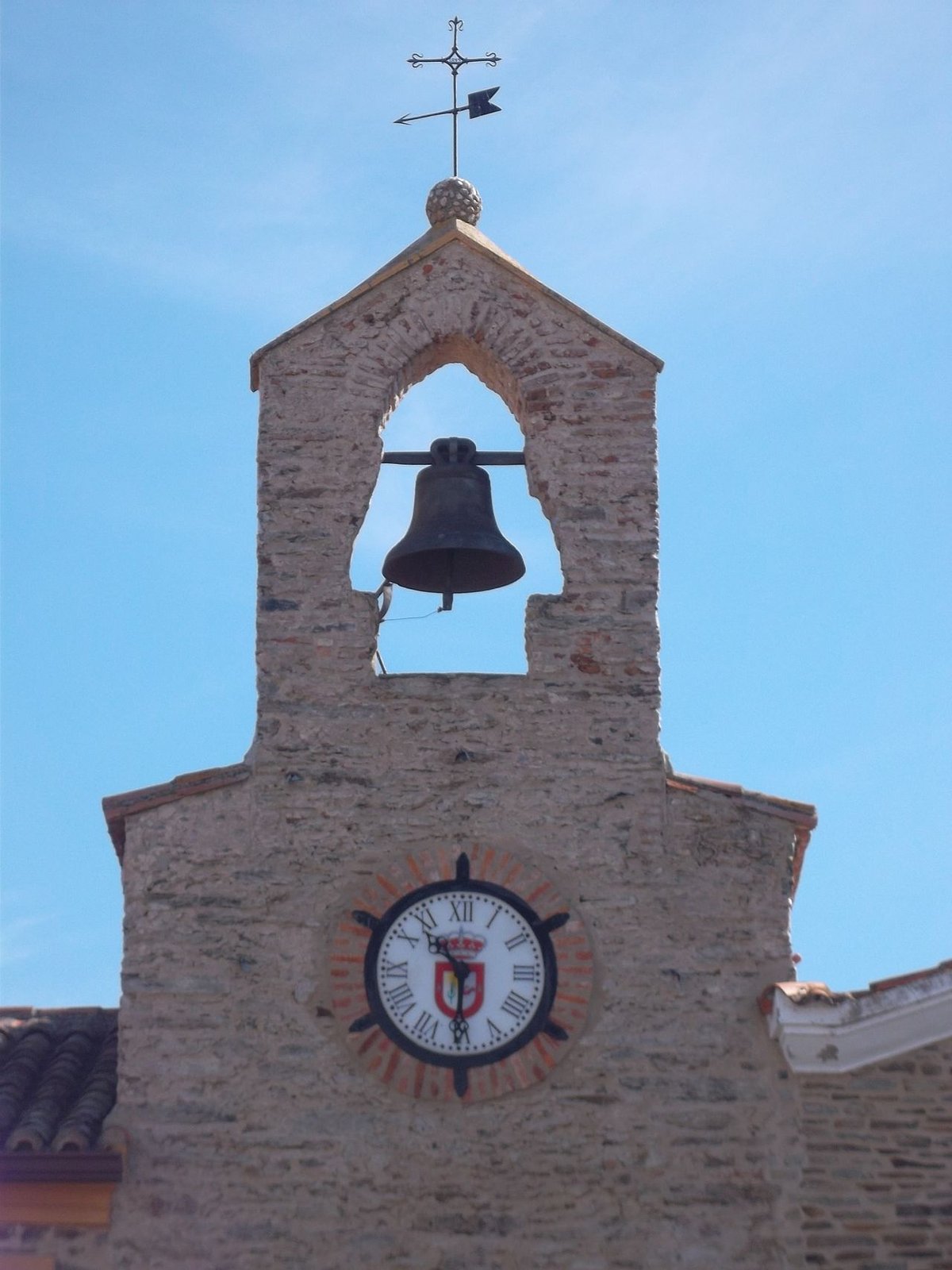
In the centre, houses look lived in. Some have been renovated, others carry the marks of having passed through several generations. The parish church stands prominently within the urban area and remains a genuine meeting point for residents, not simply a backdrop for photographs.
On the outskirts, there are hermitages and agricultural paths used in daily life. One of these, dedicated to the Cuarenta Mártires, is surrounded by open countryside. Local tradition says it was built in gratitude after a plague ruined crops in the area. It is the sort of story that moves quietly from grandparents to grandchildren, becoming part of the shared memory of the place.
Spending time here makes one thing clear: daily life does not revolve around the visitor. The main square, long-standing shops, neighbours talking in doorways as evening falls, everything carries on whether anyone has come from outside or not. Visitors may attract a glance of curiosity, but there is no sense of performance.
Approaching Monterrubio Simply
The best way to approach Monterrubio de la Serena is without overcomplicating it.
Those particularly interested in olive oil may find the harvest months especially engaging, when activity increases and the focus on production is most visible. Yet any time of year offers insight into how the town functions and what matters here.
A few unhurried hours are enough to walk through the centre, visit the olive oil museum if it is open, and head out along a track lined with olive trees. Afterwards, sit down for a simple meal featuring local produce. Half a day, or a relaxed full day, gives space to absorb the atmosphere.
Monterrubio de la Serena does not demand a packed itinerary. It asks instead for attention to small details: the smell of oil in the air, the rhythm of conversation, the endless lines of trees under a wide Extremaduran sky. Here, tourism is less about ticking off sights and more about understanding why an entire town can revolve around something as humble, and as defining, as olive oil.