Full Article
about Peñalsordo
Town known for the Octava del Corpus fiesta; near the La Serena reservoir amid mountain scenery.
Hide article Read full article
A village shaped by La Serena
Tourism in Peñalsordo is closely tied to its place within La Serena, a region known for its wide horizons and extensive livestock farming. The village lies at the eastern edge of the province of Badajoz, where the dehesa begins to blend into more open penillanura landscapes. Just over 800 people live here today, and daily life still follows the rhythms of the countryside to a large extent.
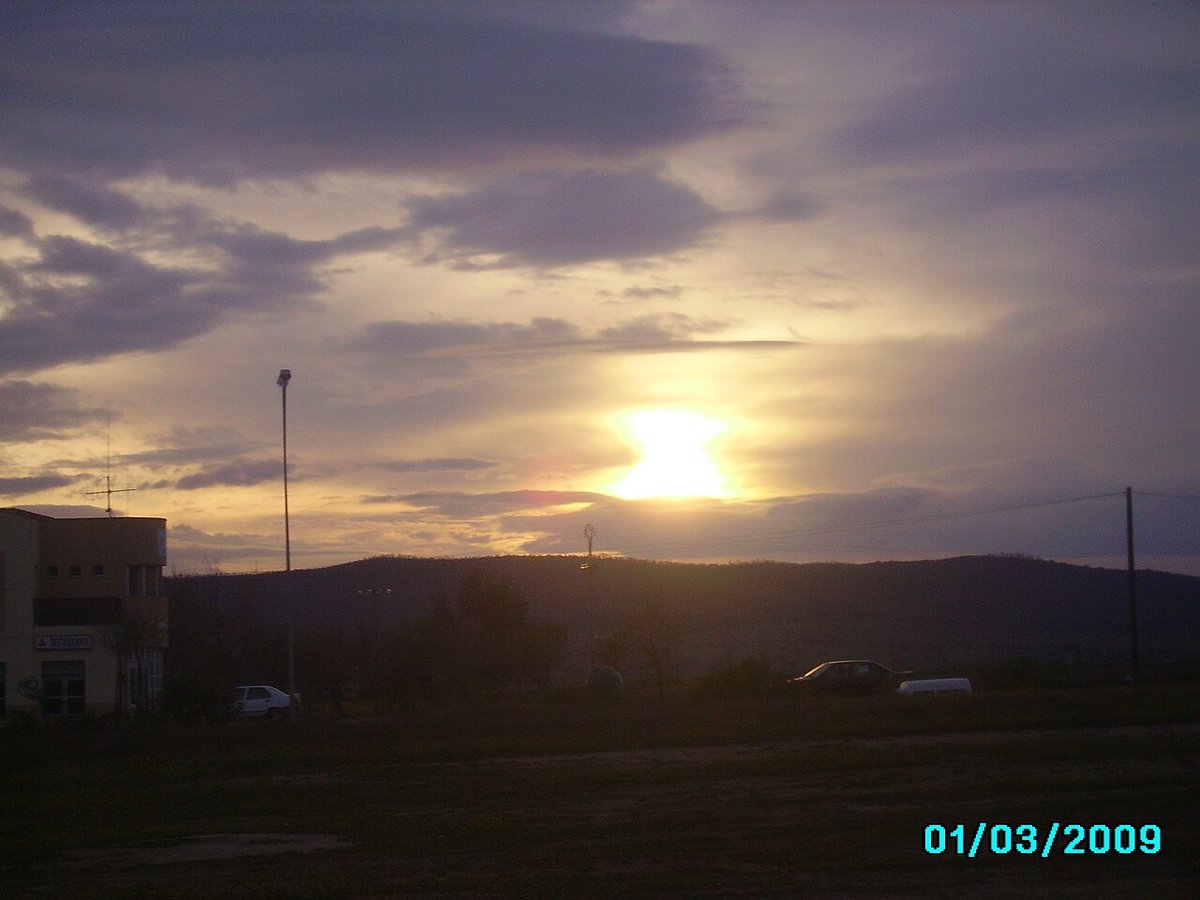
The surrounding landscape is made up of dehesas of holm oak and cork oak, the result of centuries of human management of Mediterranean woodland. It is not a dense forest. Trees are spaced apart, leaving room for pasture where livestock has traditionally been raised. That balance between trees and grazing land underpins much of the local economy.
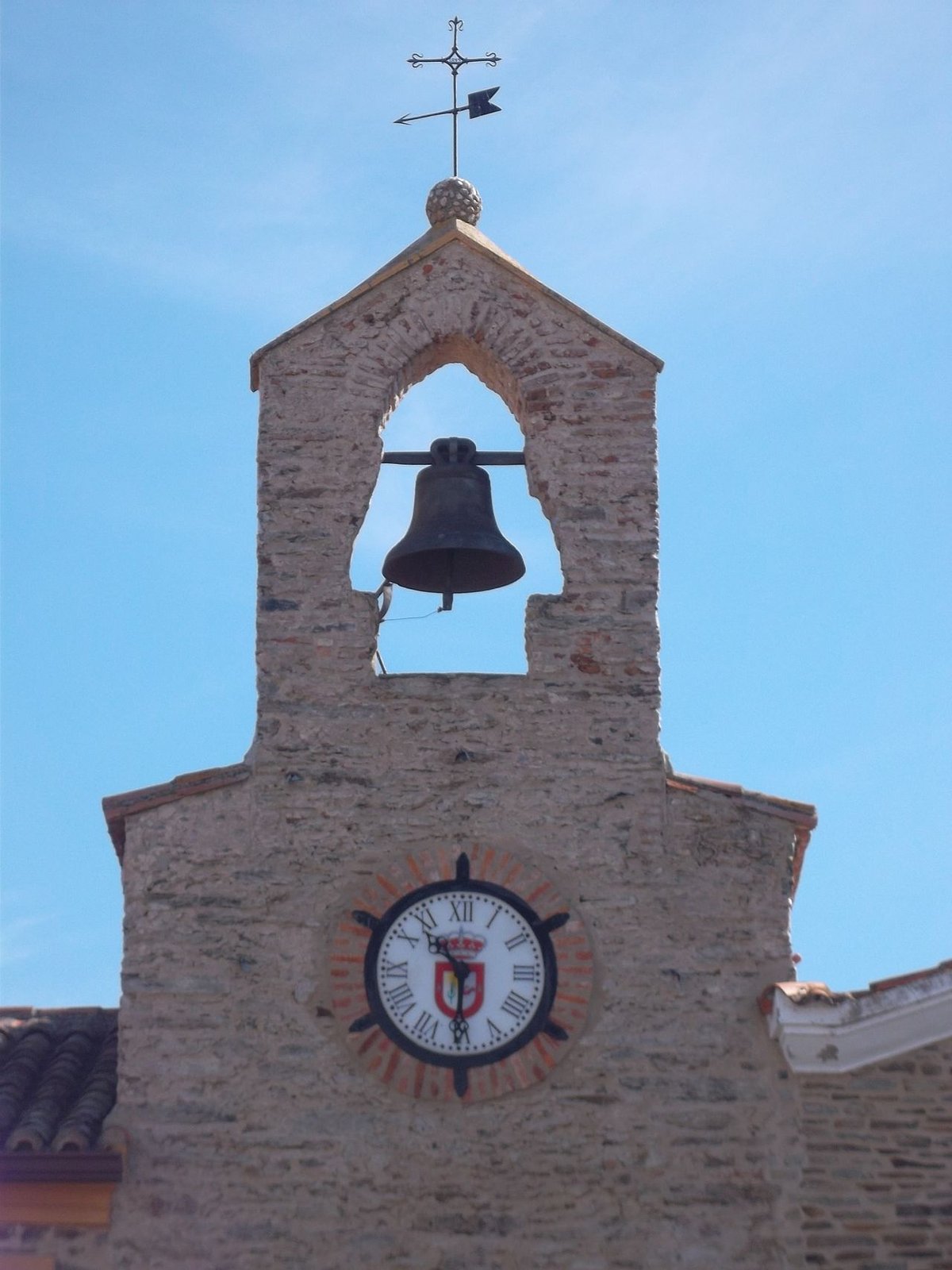
In the village itself, most houses rise one or two storeys, with masonry walls and whitewashed façades. There are no large monumental complexes, yet the architecture reflects a practical approach closely tied to agricultural life. At the centre stands the parish church of Nuestra Señora de la Asunción, a building constructed in different phases over time. More than its size, it draws attention because it shapes the main square and everyday life around it.
The dehesa and its quiet rhythms
The land around Peñalsordo has long been used for hunting and livestock. Early in the morning, the quieter areas often show signs of wildlife activity, with deer, wild boar and a variety of birds moving through the landscape. As the day warms up, activity drops noticeably, which is typical in this kind of open terrain.
At some distance from the village centre stands the hermitage of the Cristo de la Misericordia. The building itself is simple, yet its setting helps make sense of the gentle relief of La Serena. Long rolling hills stretch out alongside dehesas and dirt tracks that fade into neighbouring estates.
This is a landscape best understood slowly. The spacing of the trees, the use of the land and the absence of dense woodland all point to a system shaped over generations. It is both natural and managed, with grazing animals playing a key role in maintaining its appearance.
Paths through pasture and birdlife
Several agricultural tracks and livestock paths lead out from the village into the dehesa. Not all of them are marked as formal routes, though they are commonly used for walking or cycling. Anyone unfamiliar with the area is advised to ask locally or consult a map before setting out.
The wider region supports a notable range of bird species typical of these ecosystems. Small birds of prey, azure-winged magpies known locally as rabilargos, and hoopoes are often seen during the milder months, especially in the early hours of the day. The openness of the terrain makes observation easier, although the same exposure means that activity drops once the heat builds.
These paths are part of everyday rural life rather than designed visitor trails. They connect grazing areas, farms and neighbouring land, offering a direct way to experience how the landscape functions.
Food rooted in livestock traditions
Local cooking reflects what the surrounding land has always provided. Products from the traditional matanza, the home slaughter and processing of pork, still play a role in many households. Goat’s cheese and honey from nearby producers are also common in the area.
The Iberian pig forms part of the dehesa landscape itself, feeding during the montanera when acorns are available. This seasonal cycle is closely linked to the way the land is managed and to the flavours associated with the region.
In a village of this size, what is available can vary depending on the time of year and the presence of visitors. This is typical across much of rural Spain, where supply often follows local rhythms rather than fixed expectations.
Festive dates and local traditions
The main celebrations in Peñalsordo revolve around the parish church and the hermitage of the Cristo de la Misericordia. In August, the patron saint festivities honour Nuestra Señora de la Asunción. At this time, the village often fills with people who live elsewhere for most of the year.
In September, the romería of the Cristo de la Misericordia takes place. This traditional pilgrimage follows the paths leading to the hermitage, linking the settlement with its surrounding landscape in a direct way.
During Semana Santa, processions pass through the streets of the village centre, continuing a long-established tradition in this part of Extremadura. These events form part of the annual rhythm, marking the calendar as clearly as the agricultural cycles.
Before setting out
Peñalsordo is small enough to explore on foot without difficulty. The surrounding area deserves more time, especially for those interested in understanding how the dehesa works and how extensive livestock farming shapes the landscape of La Serena. For anyone planning to follow rural tracks, it is usually best to ask for information locally before heading out.