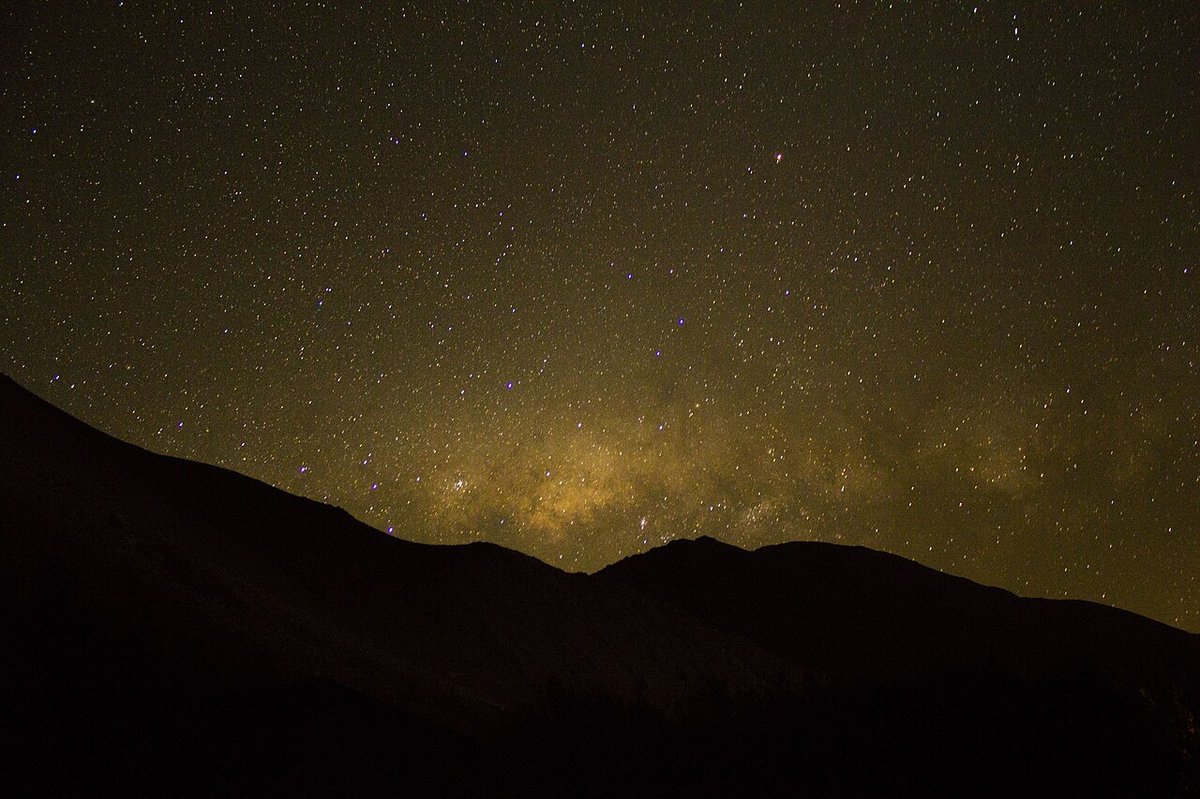
Valle de Elqui, La Serena, Chile (Unsplash).jpg
Matías Guerrero Gatica matiasgueg · CC0
Extremadura · Meadows & Conquerors

Valle de la Serena

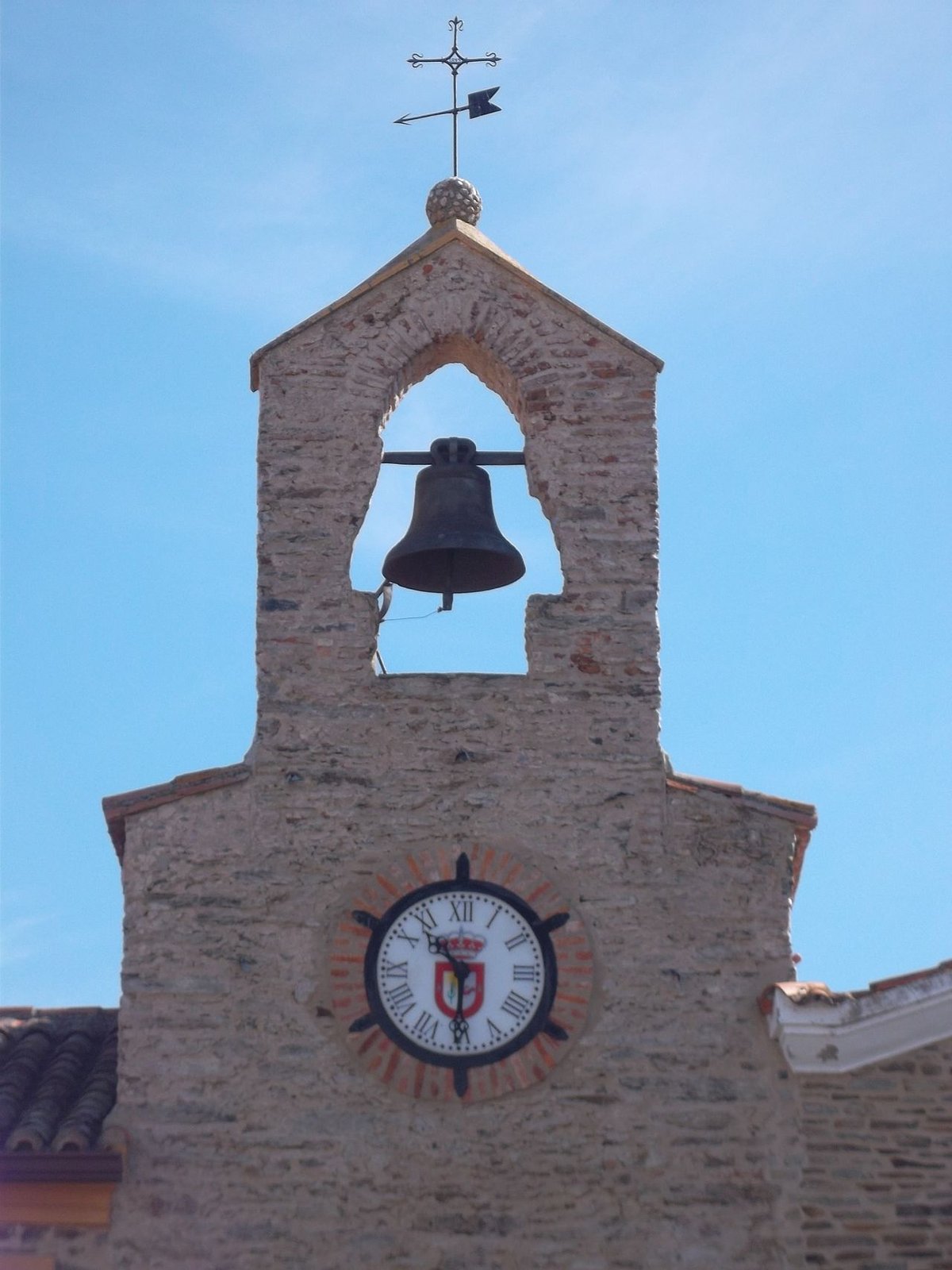
The church bell strikes noon and the only other sound is a tractor changing gear on the road out of town. Valle de la Serena doesn't do background ...

1,075 inhabitants · INE 2025
423m Altitude

Why Visit

Donoso Cortés House-Museum Donoso Cortés Cultural Route

Best Time to Visit

summer

August Fair (August) agosto

Things to See & Do
in Valle de la Serena

Heritage

  • Donoso Cortés House-Museum
  • Church of the Immaculate Conception

Activities

  • Donoso Cortés Cultural Route
  • Hiking in the Serena
  • Hunting

Festivals
& & Traditions

Fecha agosto

Feria de Agosto (agosto), Virgen de la Salud (agosto)

Las fiestas locales son el momento perfecto para vivir la autenticidad de Valle de la Serena.

Full Article
about Valle de la Serena

Birthplace of Juan Donoso Cortés; La Serena town with a museum in his birthplace and steppe surroundings.

Ocultar artículo Leer artículo completo

The church bell strikes noon and the only other sound is a tractor changing gear on the road out of town. Valle de la Serena doesn't do background noise. At 423 metres above sea level, on a rolling plateau of wheat and holm oaks, the village keeps the same measured pulse it has had for decades—one set by livestock markets, wheat harvests and the slow turn of dehesa seasons.

Granite Doorways and Wheat Horizons

Calle Real, the single traffic artery, takes four minutes to walk from end to end. Houses are whitewashed in thick chalk that blushes terracotta where the rain splashes up from the street. Granite-framed doors—wide enough once for mules—now shelter the occasional SEAT Ibiza. Most are firmly shut; this is not a place that lives with curtains open for passing trade. Peer through the iron grill of number 23 and you’ll glimpse a cobbled patio where a single lemon tree grows in an oil drum. Nothing is staged, nothing is labelled. The reward is the accidental vignette rather than the postcard view.

The 16th-century parish church of Nuestra Señora de la Encarnación anchors the main square. Its tower is square, sturdy and more defensive than decorative, a reminder that frontier towns in Extremadura doubled as refuges from Portuguese skirmishes. Inside, the air smells of candle wax and damp stone. A side chapel keeps an anonymous carved Christ whose paint has flaked to the colour of weathered barns. Weekday Mass is at 20:00; drop in then and you’ll hear the echo of perhaps a dozen voices—mostly women, mostly over sixty—singing the responses without accompaniment.

Working Woodland, Not Wilderness

Leave the centre by the southern allotments and within five minutes the tarmac turns to compacted earth flanked by stone walls. This is the beginning of the dehesa, the agro-forest that covers much of La Serena. Holm oaks stand 20 metres apart, their lower limbs pollarded for charcoal centuries ago and now regrown into knuckled elbows. Between the trunks the grass is cropped tight by sheep and the occasional rust-coloured retinta cow. In April the turf is bright enough to hurt your eyes; by late July it has faded to parchment and every footstep raises a puff of dust.

There are no way-marked footpaths, only the ranch tracks that link water points. Locals advise carrying a GPS app—many of the estate roads loop back on themselves and shade is non-existent. A straightforward option is to follow the gravel lane signed “El Jarrizal” south-west for 45 minutes until you reach an abandoned stone shelter. From its roof you can see wheat fields ripple like water all the way to the horizon, a horizon that on clear days shows the silhouettes of the Villuercas Mountains 80 kilometres away. Bring two litres of water per person; there is nowhere to refill.

Bird life rewards the patient. Hawfinches crack olive stones in the treetops; crested larks run between the furrows; at dusk red-necked nightjars perch on the stone walls and stare with reptile eyes. Spring migration brings bee-eaters that arrow overhead calling like squeaky toys. A pair of binoculars and a seat in the shade of an oak will fill a quiet hour faster than you expect.

Cheese that Fights Back

Valle de la Serena has two bars, both on Calle Real. Neither opens before 09:30 or serves food after 21:00. The smarter option is Bar Carolina, where the owner keeps a whole Torta del Casar in the fridge and will cut you a wedge the size of a coaster for €5. The cheese arrives in its own wooden ring, the top sliced off like a lid. Inside, the paste is the colour of melted butter and the aroma suggests farmyard after light rain. Spread it—almost pour it—onto shards of toasted country bread. The flavour starts mild, then builds to a sheepy, slightly bitter finish that makes you reach for another sip of cold lager. British palates sometimes compare it to an extremely runny Vacherin; the difference is the tang of thistle rennet used to coagulate the milk.

For something less pungent, order a plate of ibérico de bellota: ham, lomo and chorizo carved from pigs that fattened on acorns under these same oaks. The fat is silky and sweet, closer to nut oil than to the white hard stuff you find on supermarket chorizo in the UK. A ración for two costs €12 and comes with a clay dish of local olives that still taste of the branch.

When the Thermometer Wins

Summer here is a different country. Daytime highs of 38 °C drive even the dogs indoors. Plan any outdoor movement for before 10:00 or after 19:00. The village’s August fiestas—La Velada—start at midnight and finish at dawn for good reason. Processions of drummers in hand-embroidered waistcoats weave between strings of paper lanterns; free tapas of migas (fried breadcrumbs laced with garlic and chorizo) are handed out from giant pans. It’s the only week of the year when you’ll struggle to park, and the only time the bars stay open past 23:00. Book accommodation in Villanueva de la Serena, 25 km away; Valle itself has no hotel.

Winter swings to the opposite extreme. January nights drop to 2 °C, the wind whistles across open plains and the stone houses, built to stay cool, feel like caves. Still, crisp days can be glorious: larks singing, wheat stubble gold against black tree trunks, and the distant Sierra Morena suddenly visible under snow. If you come between December and February, choose one of the refurbished village casas rurales with proper central heating; the old cottages look romantic but can be perishing.

Bigger Boots, Bigger Loop

Mountain-bikers use Valle as the starting point for a signed 56-kilometre circuit that climbs 1,130 metres through wheat fields, cattle ranches and the Hoya Vaquera ravine. The route is 70% farm track, 30% tarmac, and there is nowhere to buy water once you leave the village. A print-out of the GPS track from the regional tourism website is essential—the signposts are small and easy to miss at speed. April and late-September are perfect: 24 °C at midday, cool enough for a jacket at dawn. In July the same trail is a furnace; even Andalusian riders postpone visits until after 18:00.

If you prefer walking, drive ten minutes north to the banks of the Zújar reservoir where a disused service road hugs the shoreline. Flamingos sometimes feed in the shallow western arm, and the water is warm enough for a swim from May onwards—though there are no lifeguards, no loos, and the shore is stony; bring sandals.

How to Get Here, Where to Crash

Fly to Madrid or Seville, pick up a hire car and allow two hours and 45 minutes on the A-5 motorway before turning onto the EX-118. Public transport exists in theory—one daily bus from Madrid’s Méndez Álvaro station to Castuera, then a taxi—but the timetable is built for locals, not visitors. A car also lets you string together a weekend circuit: spend Friday night in medieval Zafra, Saturday in Valle de la Serena, Sunday morning at the cheese cellars in Casar de Cáceres, all within 90 minutes’ drive.

For a bed, the nearest reliable option is the Hospedium Hotel Cortijo Santa Cruz just outside Villanueva de la Serena. Expect 1970s-style tiled corridors, but rooms have been refitted, there’s a pool overlooking wheat fields, and rack rates drop to €75 (about £65) in April or October including breakfast. Valle itself offers two self-catering cottages; both sleep four, charge €80 a night and must be booked by WhatsApp—signal is patchy, so confirm before you travel.

Parting Shots

Valle de la Serena will never feature on a “Top Ten…“ list, and that is precisely its character. Come for the slow rhythm, the cheese that tastes of thistle and sheep, the view of a million wheat ears bending in the same breeze. Stay two hours and you’ll have seen the streets; stay two days and you’ll start recognising the dogs by name. Stay longer only if you can cope with silence once the church bell stops.

Key Facts

Region
Extremadura
District
La Serena
INE Code
06146
Coast
No
Mountain
No
Season
summer

Livability & Services

Key data for living or remote work

2024
ConnectivityFiber + 5G
HealthcareHealth center
EducationElementary school
Housing~5€/m² rent · Affordable
Sources: INE, CNMC, Ministry of Health, AEMET

Planning Your Visit?

Discover more villages in the La Serena.

View full region →

More villages in La Serena

Traveler Reviews