Full Article
about Zarza-Capilla
Made up of two settlements (Zarza and Capilla); noted for its rock paintings and mountain setting.
Ocultar artículo Leer artículo completo
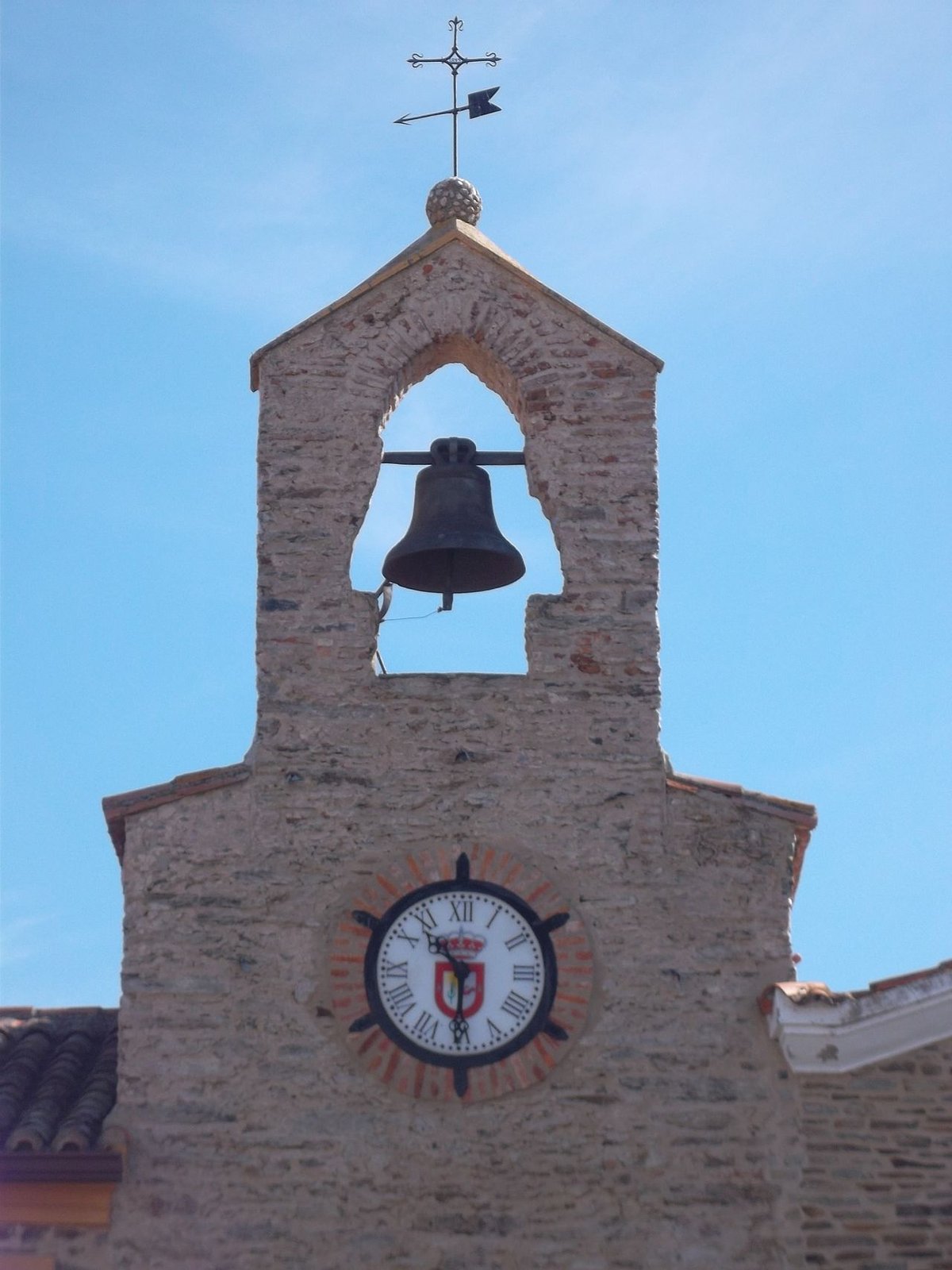
The church belltower appears first, rising above holm oaks like a stone compass. At 579 metres, Zarza Capilla sits high enough that you can spot the campanile from five kilometres out, winding along the EX-390 through wheat fields that shift from emerald in April to gold by June. This is La Serena proper—the breadbasket of Extremadura—where horizons feel wider than the sky and every road seems to point toward somewhere emptier.
Two villages for the price of one
Sat-nav will deposit you at the older nucleus, a knot of whitewashed houses around the ayuntamiento and the fifteenth-century parish church. Keep going another three hundred metres and you reach Zarza Capilla la Nueva, thrown up in the 1940s after the original settlement outgrew its spring. The newer quarter has the main square, the only shop still selling fresh bread, and a thick stand of eucalyptus that locals treat as a windbreak and picnic ground rolled into one. Both halves together barely trouble the 300 mark in population, so the distinction matters mainly when you’re hunting for the albergue after dark.
The albergue itself is hard to miss: a converted Guardia Civil barracks painted ochre, it squats on the ridge between old and new. Beds start at €18 including sheets, and the on-site restaurant will grill a half-kilo of local pork for €12 if you reserve before noon. It is also the only place to sleep in the municipal boundaries, so book even for a Tuesday in February—weekenders from Mérida have been known to snaffle the last room on a whim.
Walking the dehesa without a trail map
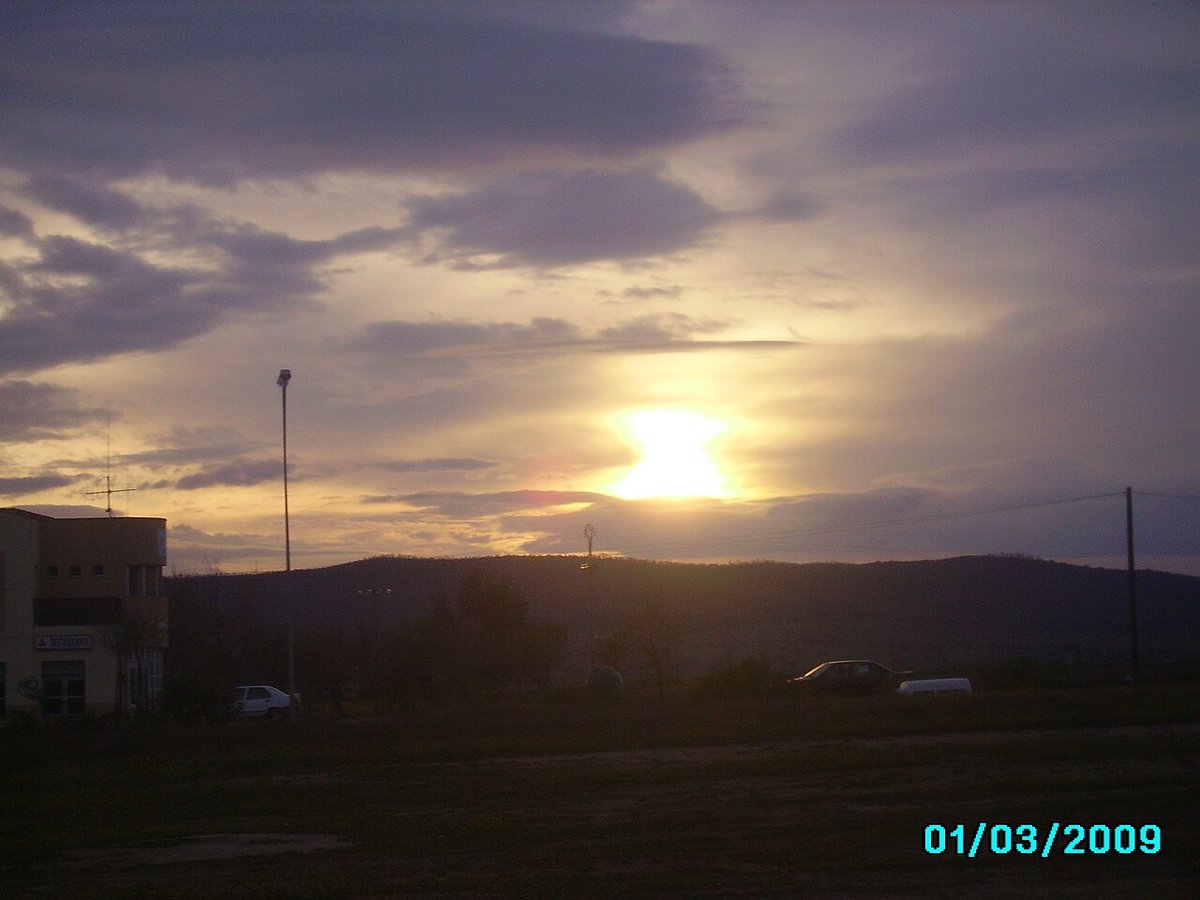
Forget way-marked routes. Farmers’ tracks radiate from the village like spokes, threading through dehesa that looks unchanged since the Reconquest. The classic loop heads south-east toward the abandoned cortijo of El Guijo—three kilometres on red earth, then back along the ridge for sunset over the Serena reservoir. You will share the path with sheep, black Iberian pigs, and the occasional 4×4 delivering hay. Gates must be closed; bulls occasionally graze with the cows; carry water between April and October because shade is promised to the oak, not to the walker.
Spring brings the colour: purple vetch, yellow Spanish broom, and enough wild asparagus to fill a carrier bag if you know where to look. By mid-July the grass has baked to straw and the sensible timetable shifts to dawn or dusk. August midday heat tops 38 °C; walking then is possible but joyless, and even the village dogs retreat indoors.
What passes for sightseeing
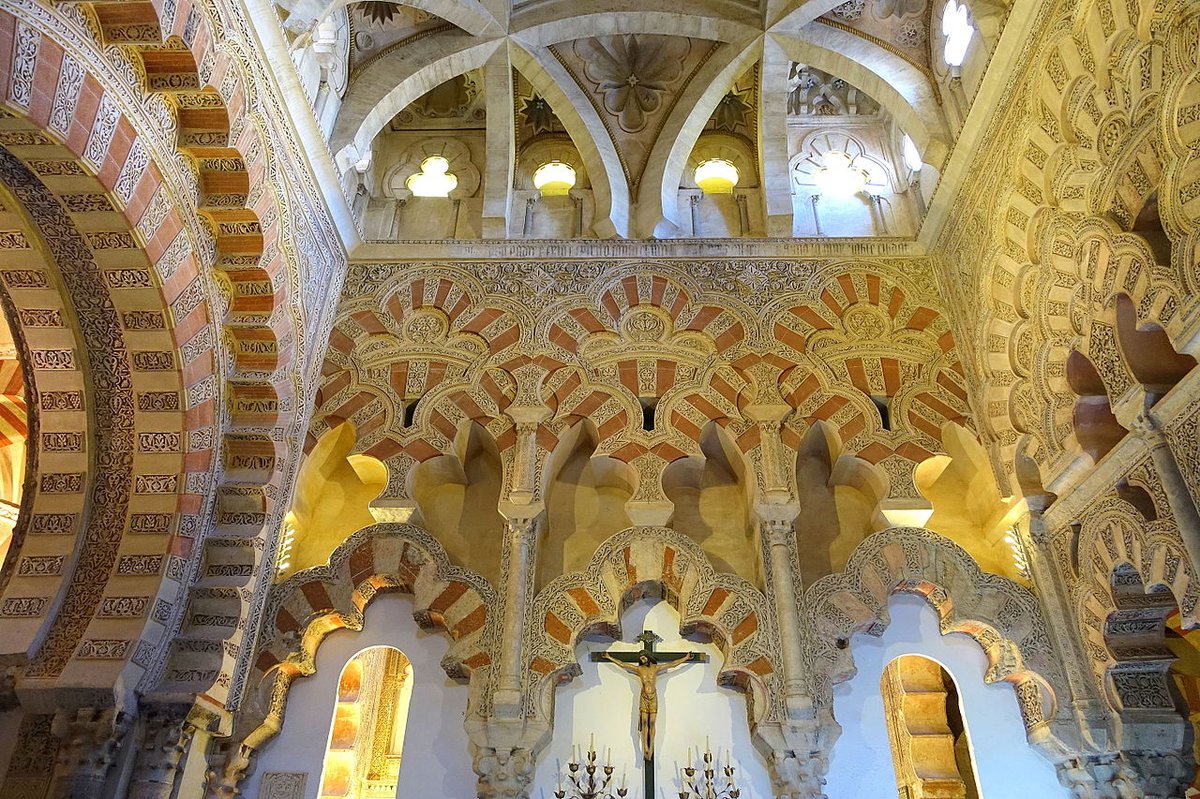
The church keeps Spanish hours: mass at 11:00 on Sunday, otherwise locked. Knock at the presbytery house and the sacristan may let you in to see a single-nave interior whose chief treasure is a Baroque retablo gilded with American gold. Everything else is vernacular architecture—stone lintels carved with dates and wheat sheaves, bread-ovons turned into hen houses, and communal washhouses that still run after heavy rain. The pleasure lies in the details rather than the drama: a crimson geranium against lime wash, or the smell of oak smoke drifting from a chimney at tea-time.
If you need a horizon, drive ten minutes to the Los Lagos mirador above the reservoir. Griffon vultures use the thermals here, and on windless evenings the water turns glassy enough to double the sky. Flamingos sometimes drop in during migration—binoculars help, but even a cheap pair will pick out their absurd knees against the blue.
Eating on Serena time
There is no menu turístico board, no Instagram-friendly terrace. Lunch starts at 14:00 and finishes when the last customer leaves; dinner is theoretically 21:00 but the kitchen will fire up earlier if you ask nicely. Migas—fried breadcrumbs with garlic, pepper and pancetta—appear on every table in winter; in summer the albergue serves a cold tomato soup thick enough to stand a spoon in. Vegetarians get tortilla de patata or a roasted piquillo pepper stuffed with goat’s cheese. Meat eaters should try the presa ibérica, a shoulder cut that tastes like the best pork steak you have ever met, served rare and smoky from the oak-fired grill. House wine is a young tempranillo from nearby Tierra de Barros; €2.50 a glass, €8 a bottle, and perfectly drinkable.
Puddings rarely stray beyond rice pudding with cinnamon or a flan that wobbles like a 1970s dinner party. Coffee comes in glass tumblers; ask for “café con leche de sobres” if you want the milk poured from a UHT carton rather than the espresso machine—either way, the brew is strong enough to fuel the drive back to the motorway.
Getting here, getting out
The closest airport with UK flights is Madrid; allow three hours on the A-5 and EX-390, last 40 km on empty but winding local roads. Seville shaves thirty minutes off the journey but involves more tolls. Badajoz airport is nearer (one hour) yet only connects via Madrid or Barcelona, so you gain little. Car hire is non-negotiable—there is no railway station and the weekday bus from Castuera arrives at 14:15, too late for a morning walk and too early for lunch, then leaves at 17:00 before anyone has eaten.
Fill the tank in Castuera; the village pumps close at 18:00 and card readers are temperamental. Phone signal is patchy on the surrounding tracks, so download offline maps before you set off across the dehesa.
When to come, when to stay away
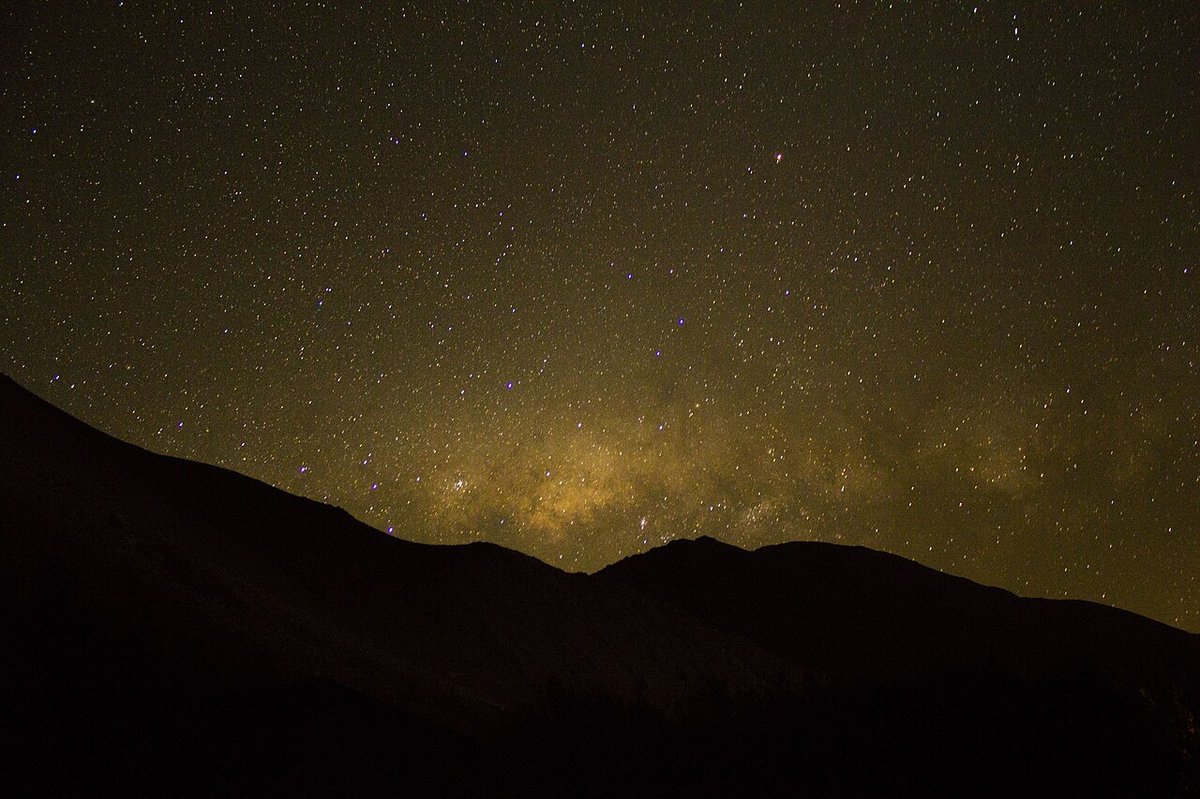
Late March to mid-May is the sweet spot: temperatures hover around 22 °C, the steppe glows green, and night skies are still crisp enough for stars. September and October offer similar weather plus the added theatre of the harvest—combine harvesters work floodlit after dark, and the smell of crushed grain drifts for miles. Mid-winter is monochrome but mercifully quiet; bring a fleece for the wind that barrels across the plateau and expect shuttered houses—many owners head to Mérida until spring.
August is punishing unless you are conditioned to Iberian heat. Accommodation sells out anyway as Extremadurans retreat from the cities, so you will pay peak rates for the privilege of hiding indoors between 13:00 and 19:00.
Parting shot
Zarza Capilla will never feature on a glossy regional brochure. It offers no souvenir shop, no guided tasting, no historic palace to justify the detour. What it does provide is a working slice of upland Extremadura where the clock still follows the flock, and where an evening stroll can end with vultures overhead and a plate of pork that left the paddock that morning. Come prepared to slow down, or do not come at all.