Full Article
about Baterno
Small village in the Siberia Extremeña, ringed by hills and pines; perfect for nature lovers and total quiet.
Hide article Read full article
Getting there takes its time
Travel to Baterno asks for a bit of patience. From Badajoz it is roughly 120 kilometres along the N‑430, followed by a turn onto secondary roads through the La Siberia area of Extremadura. The final stretch brings bends, narrow sections and limited signage. Anyone unfamiliar with the area is better off arriving in daylight.
Baterno has around 230 residents and sits at about 560 metres above sea level. Winter brings noticeable wind and cold. Summer heat builds from midday onwards. For walking and time outdoors, spring and autumn tend to be more comfortable.
San Andrés and the shape of the village
The church of San Andrés is small and straightforward, which fits a settlement of this size. It has white walls, a compact form and little decoration.
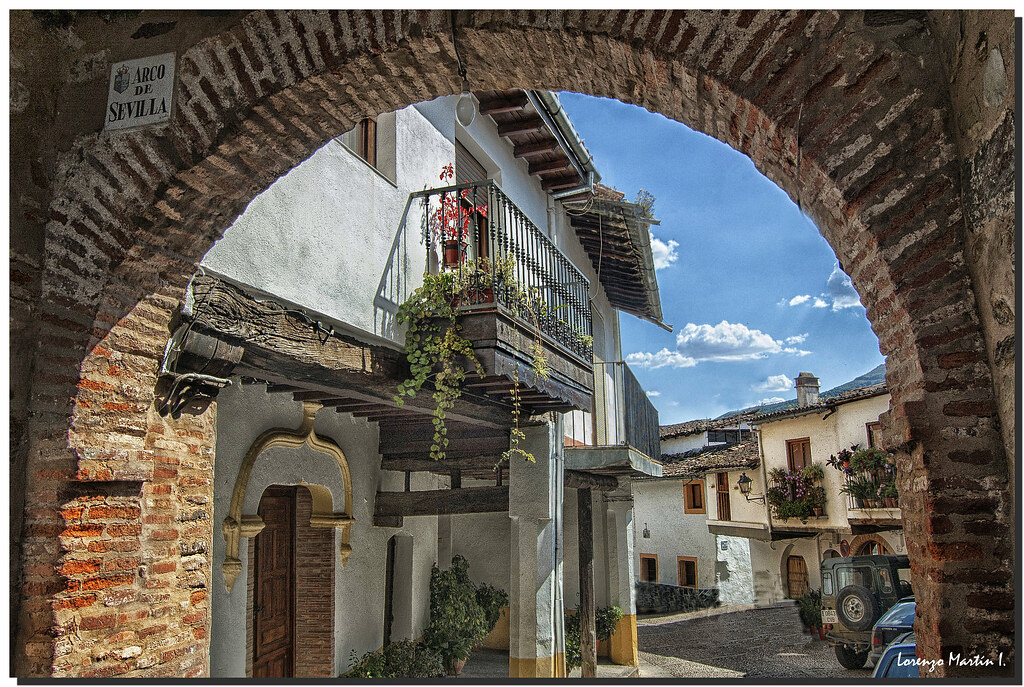
The rest of the village follows the same pattern. Streets are short, with stone paving in places, and houses are whitewashed with thick walls. Many still have back patios that continue to serve as vegetable plots or small yards for animals.
The built area ends quickly. Beyond it, holm oaks, cultivated plots and low scrub take over. The land feels open. Views stretch a long way from the tracks, with few obstacles on the horizon.
Moving around and what surrounds it
Getting about is simple. The village itself is best explored on foot, while a car is useful for the surrounding area. Outside the centre there are dirt tracks that link farms and other small settlements. Farmers and livestock keepers have used them for years. Modern signage is scarce and surfaces are not always in good condition.
The terrain shifts between dry plots, seasonal streams that only carry water at certain times, and areas of loose rock. After rain, some paths become much harder to use.
Birdlife is easy to spot if you take a moment to look up. Birds of prey often appear, with eagles, kestrels or sparrowhawks riding the air currents. They tend to be more active early in the day or towards evening.
Food in the area reflects this part of Extremadura. Lamb and kid goat are common, along with goat’s cheeses and home-cooked dishes. In season, wild mushrooms and other foraged products make their way into local cooking.
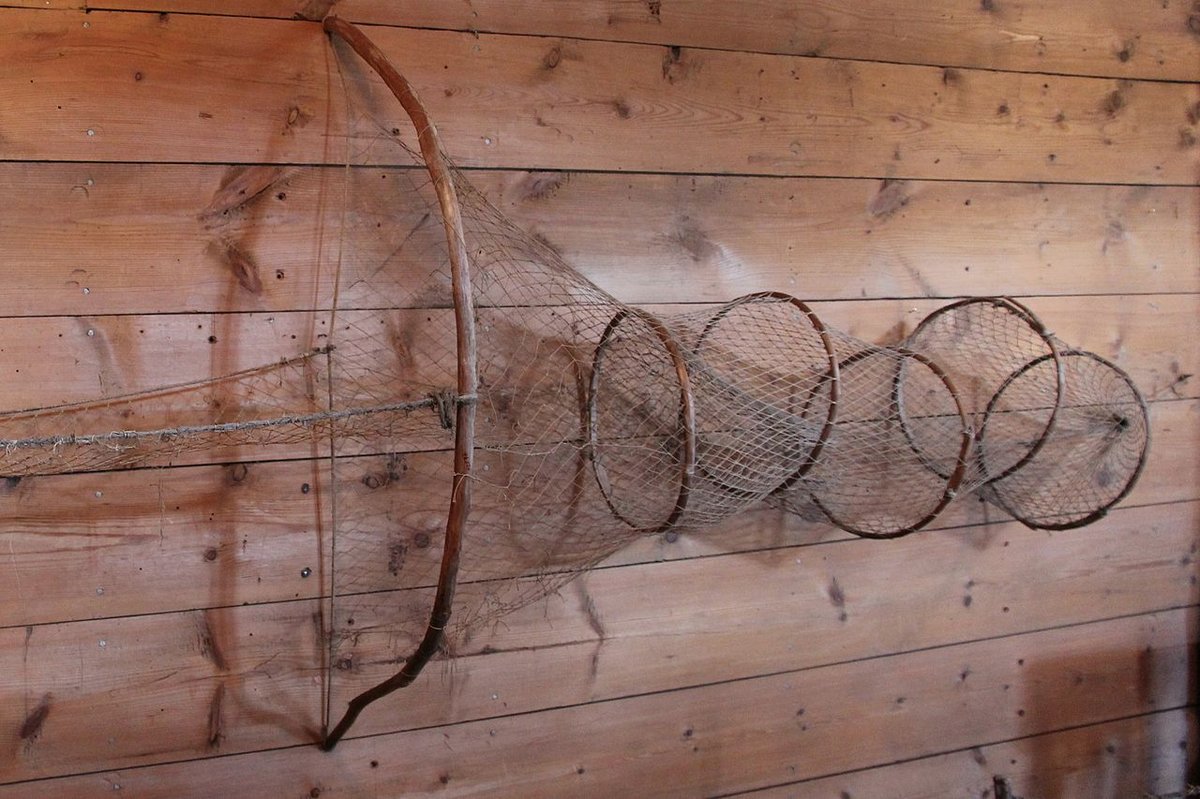
Around Baterno there are also old threshing floors and stone pens tied to agricultural and livestock work. They are not monuments in a formal sense. They are traces of how people worked here until fairly recently.
Summer gatherings and local rhythm
Festivities concentrate in summer, when people who live elsewhere return for a time. The atmosphere stays simple and very local.
Processions and music in the streets usually take place during August. Families and neighbours organise shared meals, with recipes that have been repeated in the village for years.
This is not a packed calendar of events. It is more about people coming back and keeping a connection with Baterno.
Practical notes before you go
Most visits arrive via the Villanueva de la Serena area, taking secondary roads towards La Siberia. It helps to allow enough time for the journey and to avoid pushing arrival into the dark if the turn-offs are unfamiliar.
Anyone planning to walk in the surrounding countryside should carry water and protection from the sun. Heat becomes quite noticeable from midday onwards.
Between April and May, or September and October, conditions are usually easier to handle. In winter the wind can be strong and daylight hours are short. It helps to go with a clear idea of what you want to see and not to expect a full day of activities. Baterno is small and can be covered quickly.