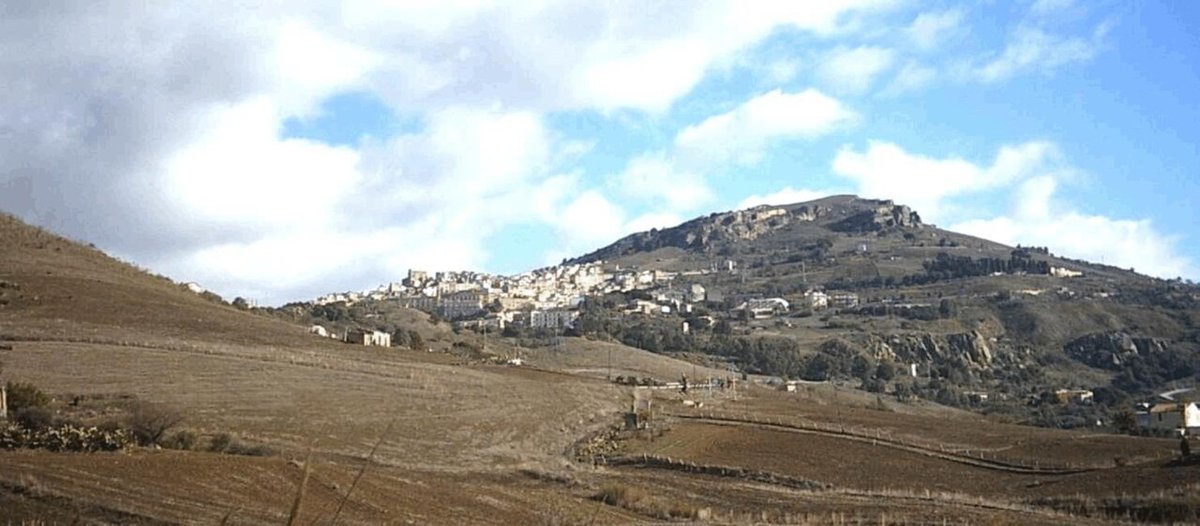
Castilblanco en 1198.jpg
Fernando de Caco y Sotomayor · Public domain
Extremadura · Meadows & Conquerors

Castilblanco

The morning bus from Herrera de la Sierra drops you at the edge of Castilblanco with a hiss of brakes and a puff of diesel. Nobody queues to board....

820 inhabitants · INE 2025
501m Altitude

Why Visit

Mountain Church of San Cristóbal Routes through the Biosphere Reserve

Best Time to Visit

spring

San Cristóbal Festival (August) agosto

Things to See & Do
in Castilblanco

Heritage

  • Church of San Cristóbal
  • hillfort on Cerro de la Barca
  • chapel of San Matías

Activities

  • Routes through the Biosphere Reserve
  • Visit to the pre-Roman hillfort
  • Nature tourism

Festivals
& & Traditions

Fecha agosto

Fiestas de San Cristóbal (agosto), La Candelaria (febrero)

Las fiestas locales son el momento perfecto para vivir la autenticidad de Castilblanco.

Full Article
about Castilblanco

Located in the Siberia Biosphere Reserve; known for its mountain landscape and the Castro del Cerro de la Barca.

Ocultar artículo Leer artículo completo

The morning bus from Herrera de la Sierra drops you at the edge of Castilblanco with a hiss of brakes and a puff of diesel. Nobody queues to board. The driver stretches, lights a cigarette, and points uphill: “El castillo, ahí arriba”. He’s gone before you’ve shouldered your rucksack, leaving you alone with the smell of wild thyme and the knowledge that the next scheduled service back is tomorrow at seven.

At 501 m above sea-level, the village is only half the height of Ben Nevis, yet the plateau feels higher. The Guadiana basin lies 300 m lower to the south, so the air is sharp even in May, and winter mists pool in the cork-oak valleys like milk in a saucer. Locals claim the temperature can swing ten degrees between dawn and lunchtime; bring both fleece and sun-cream and you’ll cover most eventualities.

What’s left of the fortress

The castle track starts between the pharmacy and a house whose satellite dish is bolted to an ancient olive trunk. Ten minutes of steady gradient brings you to a bald summit scattered with masonry: one wall still wearing a medieval arrow-slit, another sprouting prickly pears. Information boards never arrived, so the imagination has free rein—Moorish look-outs, Portuguese raids, nineteenth-century shepherds sheltering from rain. The 360-degree repayment for the climb is a lesson in Extremaduran geometry: dehesa in neat brown polygons, the silver ribbon of the García Sola reservoir, and three villages sitting on their own hillocks like counters on a game board. Sunrise here is worth the alarm; sunset turns the oak trunks copper and makes the stone glow like a neglected radiator.

Back in the lanes, house walls are the colour of lightly buttered toast. Washing lines zig-zag overhead, and a plaster stork nest occupies the cross-bar of the church tower. The Parroquia de Nuestra Señora de los Remedios keeps its doors open, unusual in rural Spain, so you can step straight into frankincense and cool air. Inside, the carved wooden Virgin is dressed in a robe stiff with decades of candle smoke; her face is almost black, giving the impression she’s spent too long in the fields with everyone else. Drop a euro in the box and the automatic lights reveal eighteenth-century fresco stripes—red ochre and Wedgwood blue—painted by craftsmen who never signed anything.

Pork, bread and pond-water coffee

There are two places to eat during the week, both on Plaza de España. Casa Paco opens at seven in the morning for farmers who need coffee thick as pond-water before checking their stock. Mid-morning the menu switches to migas: fried breadcrumbs strewn with grapes, garlic and the local paprika that tastes more of smoke than heat. A plateful costs €6 and defeats most appetites until nightfall. Bar El Castillo grills pork from the black-footed pigs you saw snuffling among the acorns; the pluma ibérica is a feather-shaped cut marbled enough to make a British butcher weep. House red comes from nearby Tierra de Barros and is served at cellar temperature—cooler than Rioja, warmer than claret—so let it sit five minutes unless you want the tannins to pinch.

Vegetarians survive on tortilla and the excellent tomato-rubbed toast, but they should not expect a quinoa salad. Gluten-free bread is unknown; coeliacs should pack their own loaf or eat a lot of cheese. Expect to pay €12-15 for a three-course menú del día including wine; cards are accepted, but the machine line sometimes fails when the wind is easterly, so carry cash.

Walking without waymarks

Castilblanco has not signed up to the Andalusian “sendero de gran recorrido” system; trails here are working drover roads known as cañadas. The most straightforward route leaves the village by the cemetery and follows a stone wall south-west towards the Garganta de Castilblanco. After 40 minutes the path dips into a shallow ravine where granite boulders have been polished smooth by cattle rubbing their winter coats. Pools form after rain; in early May they’re deep enough for a bracing dip, though the water is the colour of builder’s tea. Mid-July they’re ankle-deep and warm as soup—best enjoyed with your boots off and a sense of humour.

A longer circuit continues along the Cañada Real to the abandoned railway halt at Talarrubias, 14 km away. The gradient never rises above 200 m, but the surface is stony; decent walking shoes matter more than alpine boots. Carry two litres of water in summer—there are no fountains after the first kilometre and the dehesa offers precious little shade once the sun is above the oaks. In August you need to start before eight; by eleven the heat shimmers like petrol and lizards seek refuge inside your rucksack pocket.

When the village parties

The fiesta calendar is mercifully short. On the last weekend of August the patrona, Virgen de los Remedios, is carried downhill from her hermitage while the brass band competes with fire-crackers. A temporary bar under plane trees sells rebueltos (scrambled eggs with wild asparagus) and mojitos strong enough to stun a mule. Outsiders are welcome; if you carry a camera someone will insist you photograph their toddler in flamenco frills. Accommodation triples in price—book early or base yourself in Herrera, 18 km away, and drive in for the fireworks.

The pig-slaughter season arrives between January and March, dictated by the moon and the price of feed. Modern EU rules mean the killing happens in the municipal abattoir, but neighbours still gather afterwards to cut, salt and spice. Visitors invited to help will be given the job of stirring the morcilla (blood pudding) while it cools; refuse politely if you’re squeamish, but accept a slice of fresh manteca colorá—lard flavoured with paprika and orange—spread on country bread. It is the taste of every Extremaduran childhood and keeps the winter wind outside the ribs.

Beds for the night

The village has two legal options. Albergue San Matías occupies a former priest’s house opposite the school; dorm beds are €18 including sheets, and the patio has a plum tree that drips fruit onto the breakfast table in July. The owners speak no English but communicate by holding up jam jars and gesturing enthusiastically. Private rooms are available at Finca Serena, 3 km out on the Garlitos road, where a Swedish architect and a local farmer have converted a stone barn into four doubles with under-floor heating and rainwater showers. Rates start at €90 B&B; dinner is offered if you warn them before six. Mobile coverage is patchy, so download your offline map before turning up the lane.

Getting here (and away)

No railway arrives; the high-speed line between Madrid and Seville whistles past 40 km to the south. From the UK, fly to Madrid, then take the hourly Avanza coach to Talavera de la Reina (2 h 15 min). Change for the Wednesday-and-Friday service to Castilblanco, currently departing at 15:40 and arriving 18:05 after a cinematic crossing of the Guadiana gorge. Car hire is wiser: the A-5 motorway to Navalmoral de la Mata, then the EX-118 mountain road, delivers you in two and a half hours from Barajas airport. Petrol stations thin out after Navalmoral; fill the tank and the thermos while you can.

Winter driving can be entertaining. At 500 m, snow is rare but frost blackens the tarmac; the EX-118 is treated, yet side roads turn to toffee. Carry a scraper and expect to meet more sheep than cars. Summer is the reverse: tar bubbles in the heat and tyres lose grip, so keep speeds modest on the tight bends above the reservoir.

Worth the detour?

Castilblanco will never compete with Cáceres’ stone mansions or Mérida’s Roman theatre. Come here if you need the soundtrack of Spain without the soundtrack of Spain Inc.: no flamenco tablaos, no guided tours, just the squeak of a windpump and the clatter of a tractor that hasn’t seen a warranty since 1987. Stay two nights, walk until your boots are the same colour as the earth, eat pork until you remember why the Spanish never invented bacon sandwiches, and you will leave feeling that somewhere between the castle rubble and the stork’s nest you touched the working pulse of Extremadura. Catch the dawn bus out; the driver will still be on his first packet of the day, and he’ll nod as if you’d never left.

Key Facts

Region
Extremadura
District
La Siberia
INE Code
06035
Coast
No
Mountain
Yes
Season
spring

Livability & Services

Key data for living or remote work

2024
ConnectivityFiber + 5G
EducationElementary school
Housing~5€/m² rent · Affordable
CoastBeach nearby
Sources: INE, CNMC, Ministry of Health, AEMET

Planning Your Visit?

Discover more villages in the La Siberia.

View full region →

More villages in La Siberia

Traveler Reviews