Full Article
about El Risco
Small village with charm in Siberia; noted for its elevated setting and views over the Zújar reservoir.
Ocultar artículo Leer artículo completo
The church bell strikes noon, yet only three shadows move through El Risco's single street. At 500 metres above sea level, the air carries that particular clarity found in places where human presence feels temporary—where the landscape has forgotten to make concessions for convenience.
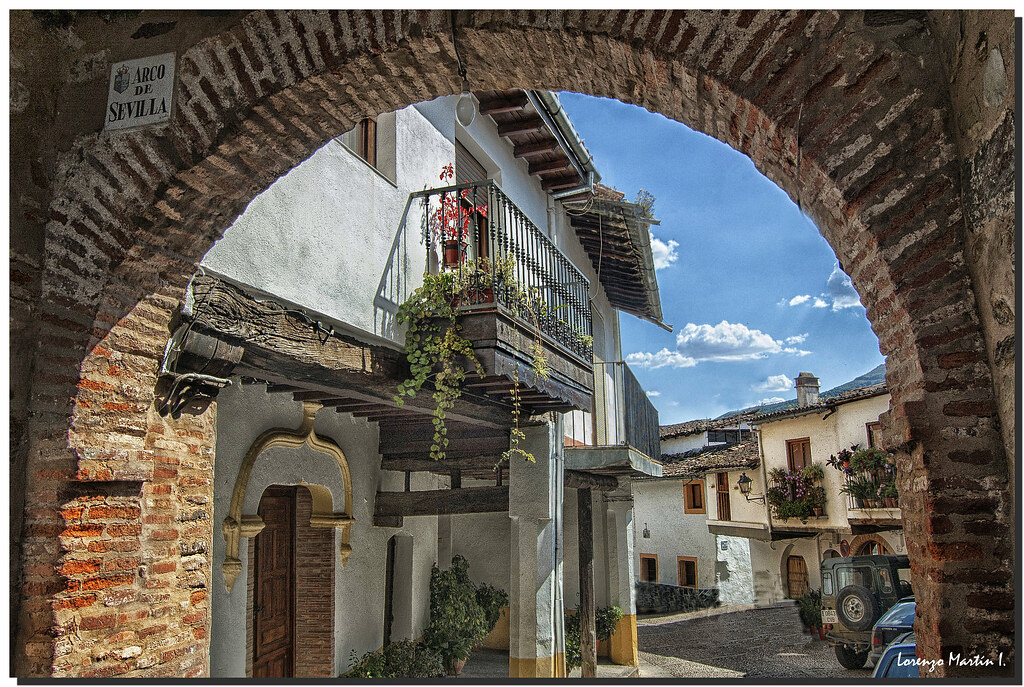
This is La Siberia extremeña, Spain's forgotten quadrant, where Badajoz province stretches towards the horizon in endless dehesas of holm oak and cork. El Risco sits at the region's heart, a scatter of white cubes that appears almost accidental against the ochre earth. The village takes its name from the rocky outcrops that puncture the surrounding hills, limestone fingers pointing skyward like geological afterthoughts.
The Architecture of Absence
Traditional houses here weren't built to impress. They emerged from necessity—thick stone walls cut from nearby quarries, roofs tiled with local clay, all designed to withstand summer temperatures that regularly exceed 40°C and winter nights that can drop below freezing. The result is a village that feels grown rather than planned, its narrow lanes following goat paths and water courses rather than surveyors' lines.
The parish church stands as the only vertical punctuation in this horizontal landscape. Its modest bell tower, weathered to the colour of wheat, serves less as architectural statement and more as confirmation that you're still within civilisation's reach. Inside, the atmosphere carries that particular scent of rural Spanish churches—wax, incense, and centuries of stone breathing.
Walking these streets reveals the small details that mass tourism hasn't erased: metal grills still guarding windows, wooden doors whose ironwork predates industrial production, the occasional house where lime wash has been applied so thinly the stone beneath shows through like bones through skin.
Working with What's There
El Risco's relationship with its environment remains fundamentally unchanged. The dehesas that surround the village aren't wilderness—they're working landscapes, shaped by eight centuries of grazing and managed exploitation. Iberian pigs still root for acorns beneath the same oaks that provided charcoal for Roman forges. Locals collect wild asparagus in spring, mushrooms in autumn, always following unwritten rules about what to take and what to leave.
The village serves as an excellent base for walking, though the word 'trail' might be generous. Ancient livestock paths create a network of routes that can occupy anything from an hour to a full day. The GR-134 long-distance footpath passes nearby, connecting El Risco to other La Siberia settlements across distances that feel vaster than their kilometre measurements suggest. Carry water. Lots of it. The landscape gives little away.
Birdwatchers arrive with specific targets: Spanish imperial eagles quarter the dehesas, black vultures ride thermals overhead, and in spring, nightingales turn the olive groves into avian opera houses. The best viewing comes at dawn and dusk, when the day's heat hasn't yet driven wildlife to shelter.
The Taste of Not-Quite-Nothing
Food here follows the pattern established by poverty and proximity. Iberian ham arrives from pigs that lived their lives within sight of the village. Goat cheese carries the herb-infused tang of animals that browsed on wild thyme and rosemary. Local honey tastes of the region's brief but intense spring bloom—chestnut, heather, and countless wildflowers that most visitors never notice.
The seasonal calendar still matters. Autumn brings wild mushrooms and game—partridge, rabbit, the occasional wild boar. Winter means matanza, the traditional pig slaughter that transforms one animal into an entire year's worth of sustenance: chorizo, salchichón, morcilla, and the prized jamón that hangs from kitchen ceilings throughout the region.
Don't expect restaurants. The village bar serves basic tapas and cold beer. For anything more elaborate, Villanueva de la Serena lies 45 minutes away by car. This is eating as extension of living, not entertainment packaged for consumption.
Getting There, Staying Put
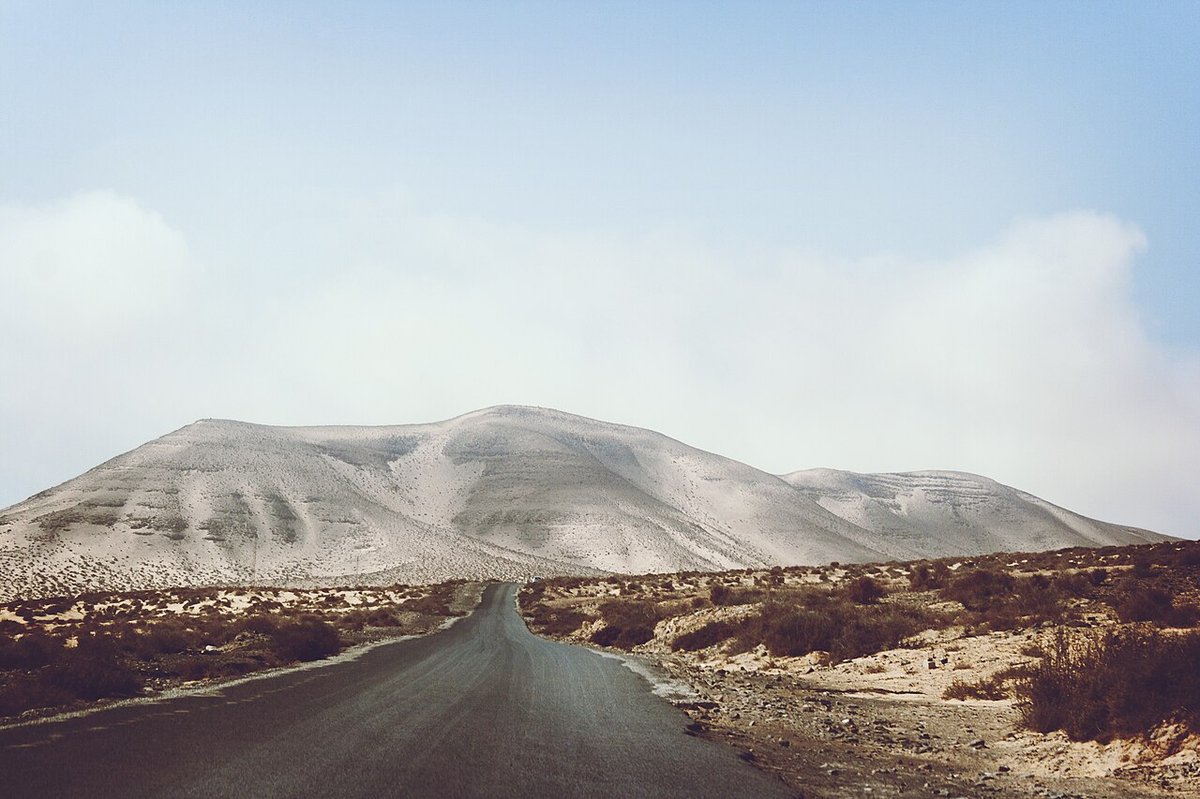
Reaching El Risco requires commitment. From Badajoz, the N-430 heads east towards Córdoba until Villanueva de la Serena, where secondary roads dissolve into the kind of winding tarmac that makes British drivers nostalgic for the pre-motorway era. The final approach narrows further—passing places, herds of sheep, the occasional tractor that owns the road by right of size. Allow three hours from Badajoz airport, more if you stop to photograph the landscape's endless variations on brown and green.
Accommodation options remain limited. Rural houses offer self-catering stays in restored village properties—expect thick walls, small windows, and the kind of silence that makes city dwellers nervous. Book ahead, especially during spring bird migration and autumn mushroom season. Summer brings Spanish visitors escaping coastal humidity, though El Risco's altitude means nights stay mercifully cool even when midday becomes unbearable.
Winter access can prove problematic. Snow falls rarely but heavily when it comes, isolating the village for days. The upside reveals itself in crystal-clear air and the kind of star-filled skies that light pollution has erased from most of Europe. Bring warm clothes. The houses were built for summer survival, not winter comfort.
The Weight of Emptiness
El Risco won't suit everyone. The village offers no Instagram moments, no souvenir shops, no curated experiences. Mobile phone coverage remains patchy. The nearest petrol station requires a 30-minute drive. Evenings mean your own company or that of the dozen locals who haven't relocated to Madrid or Barcelona.
Yet this absence of expectation creates its own value. In a country where tourism has become an industry of delivering the expected, El Risco remains stubbornly itself. The village doesn't need visitors, which paradoxically makes visiting feel like privilege rather than purchase. You come here to understand what Spain looked like before tourism, what it might return to when the flights stop coming.
The landscape teaches patience. Days measured by shadow length rather than smartphone notifications. Entertainment found in watching eagles ride thermals or tracking wild boar prints across dried stream beds. The realisation that 'nothing to do' actually means 'everything to notice'.
Leave before you become part of the furniture. El Risco belongs to its 121 inhabitants, not to the transient curious. They'll tolerate your presence, perhaps even enjoy the novelty, but the village's future doesn't depend on your custom. This knowledge liberates both visitor and visited—you're free to observe without the burden of performance, to experience without the obligation to extract meaning.
Drive away as the sun sets behind the sierra, turning the dehesas gold and purple. The village recedes in rear-view mirror, looking exactly as it did before you arrived. Which, in the end, might be El Risco's greatest gift: the certainty that some places remain indifferent to our passage through them.