Vista aérea de Esparragosa de Lares
Instituto Geográfico Nacional · CC-BY 4.0 scne.es
Extremadura · Meadows & Conquerors

Esparragosa de Lares

The church bell strikes midday and the only other sound is a tractor grinding up the hill. At 473 metres above sea level, Esparragosa de Lares sits...

839 inhabitants · INE 2025
473m Altitude

Why Visit

Mountain Masatrigo Hill (Magic Mountain) Route to Cerro Masatrigo

Best Time to Visit

summer

August Festival (August) agosto

Things to See & Do
in Esparragosa de Lares

Heritage

  • Masatrigo Hill (Magic Mountain)
  • Los Llanos Beach
  • Santa Catalina Church

Activities

  • Route to Cerro Masatrigo
  • Swimming in designated areas
  • Water sports

Festivals
& & Traditions

Fecha agosto

Fiestas de Agosto (agosto), Virgen de la Cueva (mayo)

Las fiestas locales son el momento perfecto para vivir la autenticidad de Esparragosa de Lares.

Full Article
about Esparragosa de Lares

Set in a spectacular spot beside the La Serena reservoir and the Masatrigo hill; perfect for nature and water-based tourism.

Ocultar artículo Leer artículo completo

The church bell strikes midday and the only other sound is a tractor grinding up the hill. At 473 metres above sea level, Esparragosa de Lares sits high enough for the air to feel thinner, cleaner, and—on a July afternoon—hot enough to make the tarmac shimmer. This is La Siberia, Extremadura’s empty quarter, where the summer sky stays relentlessly blue and the nights drop ten degrees the moment the sun disappears behind the sierra. There are no souvenir umbrellas, no flamenco evenings laid on for coach parties, and, on most days, no coach parties either.

A village that refuses to pose for photos

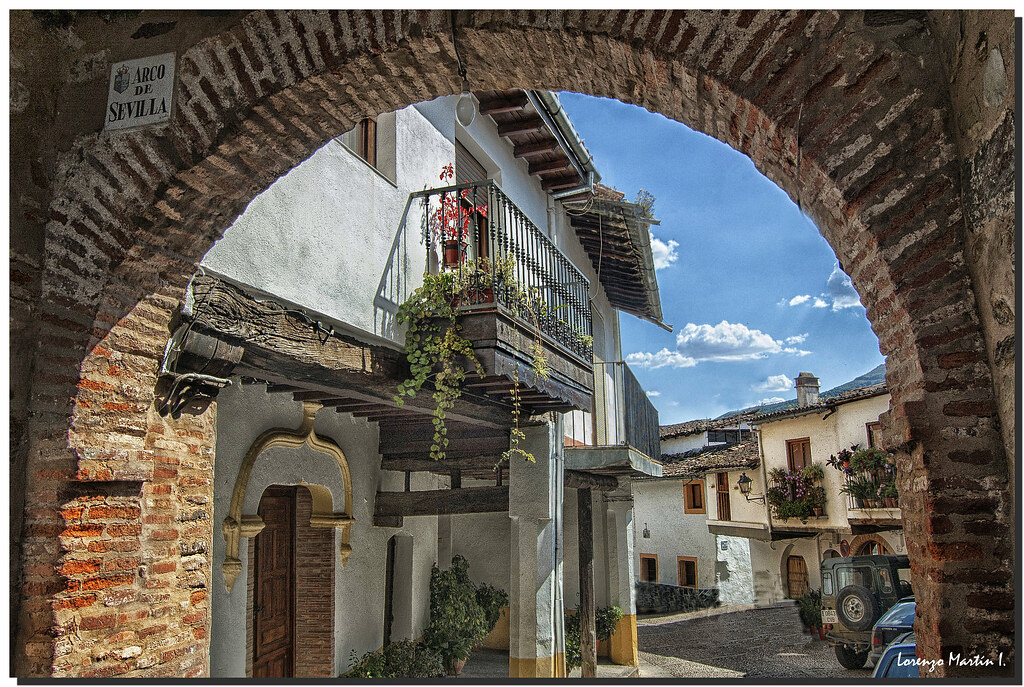
White-washed façades? Not here. Houses are the colour of local granite and sun-bleached brick, their balconies painted municipal green. The place is photogenic only if you like your Spain plain-spoken: a warren of lanes that tilt with the hillside, front doors opening straight onto the street, and the occasional elderly gentleman who will stop to check whether your car has foreign plates. You can walk every street in twenty minutes. That is not a criticism; it is the whole point. Esparragosa trades in quiet, not spectacle.

The 16th-century parish church of San Juan Bautista is the obvious reference point—its squat tower visible from any approach road—yet it has no great art treasures, just a cool nave that smells of candle wax and floor polish. Step inside after a hot walk and the temperature falls ten degrees; stay for a weekday Mass and you will see more villagers than you will meet in the streets all morning.

Walking without way-markers

Maps on phones have a habit of thinning out here. The council has begun to signpost a few “senderos rurales” but most paths are still the ones used by goat herders and mushroom hunters. A useful strategy is to drive three minutes out of the village to the signed lay-by on the EX-322, leave the car, and follow the dirt track that zig-zags up Cerro Masatrigo. The climb is 250 metres, just enough to let you look down onto a patchwork of dehesa—open oak woodland where black Iberian pigs root for acorns between February and April. Take binoculars: griffon vultures circle on thermals above the ridge, and if you sit still you will hear woodlarks rather than ring-tones.

Summer walking demands an early start. By 11 a.m. the mercury is often past 35 °C and there is no shade on the southern slopes. In winter the same tracks turn to slick red clay after rain; ordinary trainers will end up the colour of Worcestershire sauce. Spring and autumn are the sweet spots, when the grass stays green long after Andalucía has browned off and the temperature hovers in the low twenties.

Reservoirs, river-beaches and the lack of an ATM

Esparragosa is not on a main road to anywhere, which is why most visitors are either bird-watchers ticking off reservoirs or couples driving between Trujillo and Guadalupe who fancy a night somewhere that still feels like Spain rather than a film set. The village makes a convenient base for three large embalses—Cijara, Puerto Peña and Orellana—each within 35 minutes’ drive and each hosting wintering wildfowl that bring serious binocular-twitchers from Norwich and Utrecht alike.

Closer at hand, the artificial “playa” of Los Llanos lies two kilometres west along a single-track road. There is sand, a summer-only chiringuito (opens mid-June, shuts when the kids go back to school), picnic tables under eucalyptus, and no lifeguard. On an August weekday you might share the water with a dozen locals and one determined dog; at weekends families arrive from Castuera with cool-boxes and loudspeakers, so come early if you want the place to yourself.

Practical note: the village still has no cash machine. The nearest ATM is in Campanario, 15 minutes east, and it sometimes runs out of notes on Saturday night. Fill your wallet before you arrive or you will be drinking coffee on your last twenty-euro note.

What turns up on the table

Local gastronomy is built for people who have spent the morning mending fences, not uploading brunch photos. Lunch at Restaurante El Paraíso, the only restaurant with consistent opening hours, is a three-course menú del día that changes with the season: thick lentil stew in winter, roast leg of lamb in spring, grilled pork shoulder in summer, all served with the house red that arrives in a plain glass bottle. Price: €12 including pudding; coffee costs extra. Vegetarians can usually coax a pisto (Spanish ratatouille) out of the kitchen, but phone ahead if you dislike pork fat.

Evening eating is more improvisational. Both village bars serve tapas, yet they will close early if trade is slow. Typical counter offerings are tortilla de patatas, spicy chorizo cooked in cider, and bowls of locally cured jamón. If you are self-catering, the butcher opposite the church sells presa ibérica, a shoulder cut that fries like steak; ask him to trim the fat if you do not want your frying pan swimming in it. Pair it with a bottle from the tiny Dia supermarket next to A Cantaros guesthouse—selection is limited but the Galician white is cold and under six euros.

Where to sleep (there is only one address)

A Cantaros is the only lodging British visitors ever mention online, largely because it is the only one that exists. Six rooms opened in 2022 in a new-build that tries hard to look old: terracotta tiles, dark wood beds, Wi-Fi that actually reaches the rooms. Doubles run €65–€75 B&B; hosts Pilar and Manolo speak no English but communicate through generous pours of homemade liqueur. Book by phone or WhatsApp—online platforms list the property sporadically. The alternative is to stay in the provincial capital Badajoz, an hour away on fast roads, but that rather defeats the object of coming up here.

When to come, and when to stay away

April–May turns the surrounding dehesa a soft, luminous green; days are warm enough for T-shirts, nights cool enough for a jumper. September–October brings mushroom season, reddening oaks and the annual pig-fattening montanera—you will hear shotguns at dawn and see 4x4s loaded with feed. Both shoulder seasons average 22 °C at midday and drop to 10 °C after dark; pack layers.

July and August are fierce. The village thermometer once touched 46 °C; without a pool you will be driven indoors between noon and six. In January expect 5 °C under grey skies, plus the sort of damp that creeps into stone houses. Roads ice over at night and the bars install gas heaters that smell faintly of kerosene. Come then only if you enjoy empty space and star-filled skies unspoiled by light pollution.

Combining Esparragosa with the rest of Extremadura

Because the village itself fills half a day, sensible itineraries treat it as a hinge rather than a highlight. Link it with Trujillo’s conquistador palaces (50 minutes west) or the monastery town of Guadalupe (45 minutes north). Birders often stay two nights, spending one day on the Cijara loop looking for Spanish imperial eagles and the next driving the winding road that skirts the Guadiana gorge. Drivers heading back to Madrid can rejoin the A-5 at Navalmoral de la Mata, shaving 30 minutes off the mountain route compared with returning through Badajoz.

The honest verdict

Esparragosa de Lares will not change your life. It offers no epiphany inside a medieval church, no sunset selfie that will break the internet. What it does provide is a chance to calibrate your own pace against a place where the loudest noise at 10 p.m. is the church clock striking the hour. If that sounds like compensation enough for a cash-only economy and the possibility of a closed bar, put it on the map. If you need craft shops, guided tours and somebody to explain the local terroir, keep driving—the road eventually reaches Cáceres.

Key Facts

Region
Extremadura
District
La Siberia
INE Code
06048
Coast
No
Mountain
Yes
Season
summer

Livability & Services

Key data for living or remote work

2024
ConnectivityFiber + 5G
HealthcareHealth center
EducationElementary school
Housing~5€/m² rent · Affordable
CoastBeach 2 km away
Sources: INE, CNMC, Ministry of Health, AEMET

Planning Your Visit?

Discover more villages in the La Siberia.

View full region →

More villages in La Siberia

Traveler Reviews