Full Article
about Orellana la Vieja
Famous for its Costa Dulce and Blue Flag beach; a top destination for water sports and fishing.
Hide article Read full article
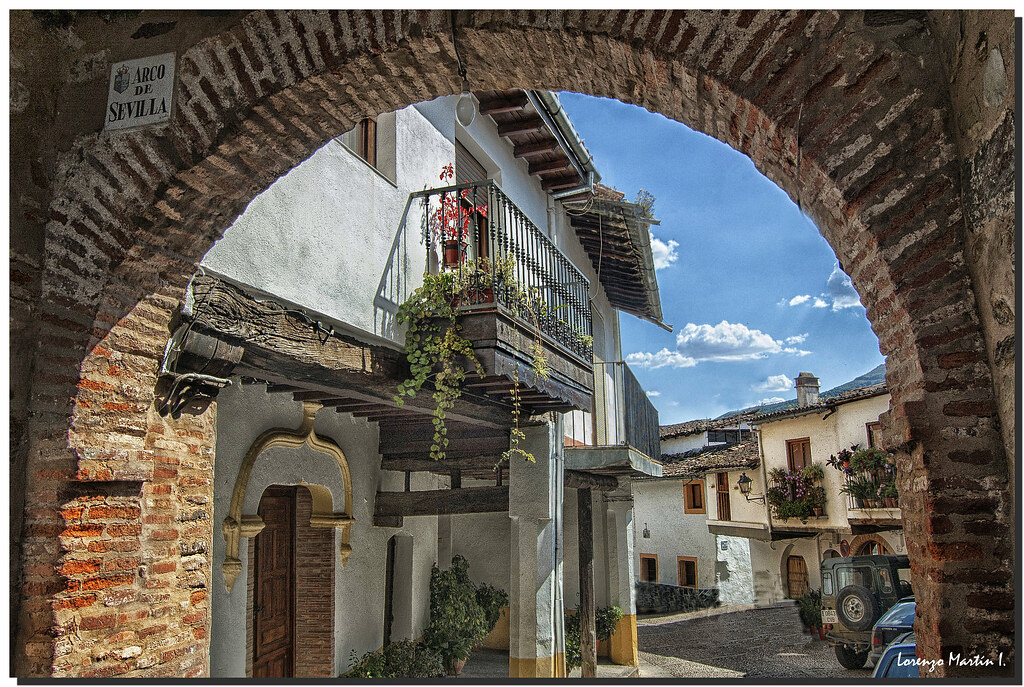
The sound of water against stone is different here. It’s a slow, soft lap, not a crash. That’s what you hear first from the road into Orellana la Vieja, where the reservoir meets the shore. The village of red-tiled roofs sits back from the waterline, clustered on a hillside among holm oaks. It feels like a place watching, not touching, the vast expanse it faces.
A landscape rewritten by water
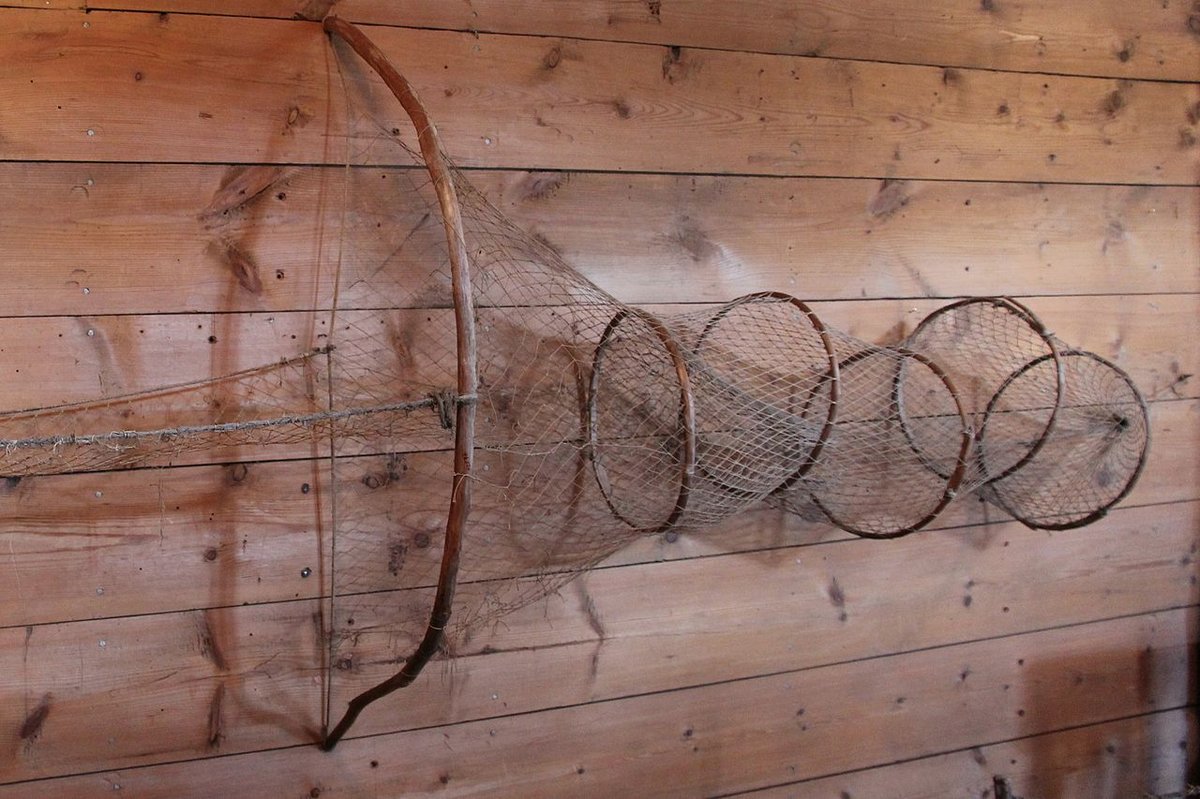
Until the last century, this was dehesa and small plots. Now, a man-made horizon of water defines the view. On bright spring mornings, the light off the surface is sharp enough to make you blink. The air smells of damp earth and crushed thyme. You might see locals fishing at that hour, when the wind hasn’t yet stirred and the reservoir lies flat as a pane of glass. The water’s presence is a constant—a reflective grey-blue calm, or a blinding sheet of afternoon sun.
The climb to the castle
The streets slope upward, your steps slowing on the worn, uneven cobbles. At the top, the Castillo‑Palacio de los Altamirano is 14th-century stone holding the day’s warmth. Lean against it in the late afternoon and it still radiates heat. From the walls, the view is all water and sky. The silence is broken only by jackdaws nesting in the cracks or wind moving over the hill. It’s a quiet, exposed place.
Moments of scent and sound
The village rhythm changes with the calendar. During La Enramá, around Easter, streets become tunnels of olive and eucalyptus branches. The scent is pungent and green, clinging to your clothes. Summer nights shift to the Plaza Mayor: chairs on the pavement, children weaving between tables, conversations under a lingering heat. From higher up, you can see the village lights reflected perfectly in the still reservoir water. In July, there’s a procession for the Virgen del Carmen where boats accompany her image across the water. It feels like a natural extension of life here, where the reservoir is both backdrop and stage.
Walking the shoreline
Paths trace the water’s edge or cut through pine and scrub. The landscape changes with the reservoir’s level—high water can turn peninsulas into islands. Walk far enough and village sounds fade, replaced by reeds rustling, a heron lifting off, and the evening chorus of frogs. In early spring, rosemary blooms and the air carries a sweet, herbal scent. Shade is scarce. By mid-morning in summer, the heat is intense. Carry water.
On the table
Meals here are straightforward. Huevos embizcochados appears often—a dense mix of day-old bread, dried peppers, pork jowl and egg. It’s filling, meant to be eaten with bread. Winter brings hot soups of pepper and tomato, served in earthenware bowls with an egg cracked into the steaming broth. Breakfast might be bollos dormíos, faintly anise-scented sweet buns dipped into milky coffee while the morning air is still cool.
A practical note
Come in spring. The water level is usually good, paths are green, and walking is comfortable. August transforms the place; second homes fill, nights are louder. You’ll need a car to get here. Park in the upper part of town—the central streets are narrow, steep, and cobbled. When you leave, climbing back up the road, you get one last glimpse: rooftops sloping down toward that wide, silent expanse of water.