Full Article
about Valdecaballeros
Located in Siberia with a famous spa; a landscape of reservoirs and hills perfect for unwinding.
Hide article Read full article
Valdecaballeros, o cuando el tiempo se mide por el nivel del agua
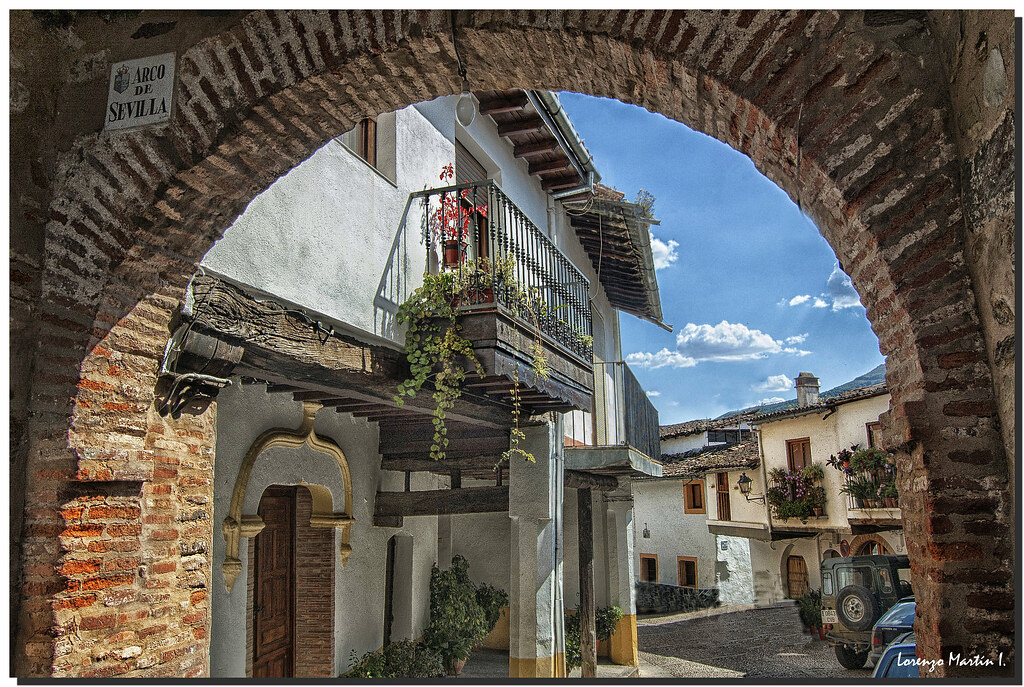
Llegar a Valdecaballeros es como cuando te bajas de la autovía y tomas una carretera comarcal: el paisaje se abre, aparecen las primeras encinas y el asfalto empieza a serpentear sin prisa alguna. Estás en La Siberia extremeña, una de esas comarcas donde el silencio tiene peso propio. El pueblo, con sus calles en cuesta y sus persianas a media asta a las tres de la tarde, no hace mucho ruido. Y no es que esté vacío; es que aquí el ritmo lo marca otra cosa.
Esa otra cosa es el embalse de García Sola. Desde casi cualquier punto alto del pueblo, ves esa mancha azul enorme, un mar interior que se traga el horizonte. La vida aquí gira en torno al agua: la pesca, los paseos en barca, la búsqueda de una cala solitaria. Es lo primero que te explica cualquiera: “¿Qué hay que hacer? Pues bajar al pantano”.
La central nuclear que se quedó a medias
A unos kilómetros, totalmente visible desde la carretera, está el recordatorio de un futuro que no llegó: la central nuclear inacabada de Valdecaballeros. En los 70 empezaron a construirla, mejoraron las carreteras, llegó gente nueva… y luego vino la moratoria nuclear y todo se paró en seco.
Hoy parece el decorado abandonado de una película de ciencia ficción plantado en mitad de la dehesa. Es imponente y extraña. No se puede visitar, no está en ninguna ruta turística, pero está ahí. Te hace pensar en el pueblo que pudo ser y no fue, y en cómo este lugar siguió con su vida mientras ese gigante de hormigón dormía a su lado.
Dos piedras romanas y una iglesia sin pretensiones
La iglesia de San Miguel es de esas que pasas por delante sin fijarte. Arquitectura rural extremeña, sobria. Pero dentro guarda algo que no esperas: dos hitos romanos de granito. Son piedras que marcaban los límites entre territorios hace dos mil años, cuando Mérida era Emerita Augusta.
Verlas ahí, apoyadas contra una pared, tiene más fuerza que cualquier museo. Son como un mensaje directo: “Esto ya era un lugar con lindes cuando esto era Roma”. El edificio es del siglo XV y tiene ese aire mudéjar discreto que por aquí llaman “de ladrillo y cal”. Merece los cinco minutos que cuesta entrar.
Un balneario perdido en la dehesa
A tres kilómetros del pueblo está el balneario de Valdefernando. Las aguas se conocen desde el siglo XIX, pero lo que llama la atención es el edificio: estilo neomudéjar en ladrillo visto, como una casa señorial perdida en medio del campo.
No está integrado en ningún circuito termal glamuroso. Se llega por un camino, aparece solo rodeado de encinas y silencio. Tiene ese aire de sitio olvidado por el tiempo que a veces es justo lo que buscas.
Cómo moverse por aquí (sin volverse loco)
Intentar hacer turismo al uso en Valdecaballeros es frustrante. No hay una lista de “diez cosas imprescindibles”. La clave está en cambiar el chip.
Lo básico: Aparca en la plaza o cerca, date una vuelta por las calles (son cuestas, aviso) y luego sí o sí baja hacia el embalse. El contraste entre el pueblo seco y esa masa de agua es bestial. El calor: En verano pega fuerte. Sombrero, agua y crema solar no son sugerencias; son obligatorias. La romería: Si coincides a mediados de julio con la Virgen del Carmen, verás algo peculiar: sacan a la virgen en barca por el embalse hasta Peloche. Es uno de esos espectáculos rurales que no se ven en muchos sitios. Comer: No vengas buscando alta cocina ni platos con nombre rimbombante. Se come como en toda Extremadura: bien, contundente y sin florituras.
Valdecaballeros es para quien le apetezca un sitio donde lo principal sea parar. Donde sentarse junto al agua o perderse por un camino de dehesa sea el plan del día. Si necesitas actividad constante o fotos para Instagram cada media hora, probablemente te aburras.
Pero si te va eso de llegar a un sitio donde preguntan “¿de dónde eres?” antes que “¿cuántas noches?”, entonces le habrás pillado el punto. Es ese tipo de lugar donde miras al pantano y entiendes por qué miden las estaciones por lo llena o vacía que está la presa