Full Article
about Arroyomolinos de la Vera
Picturesque Vera town on the mountainside with steep streets and spectacular valley views.
Ocultar artículo Leer artículo completo
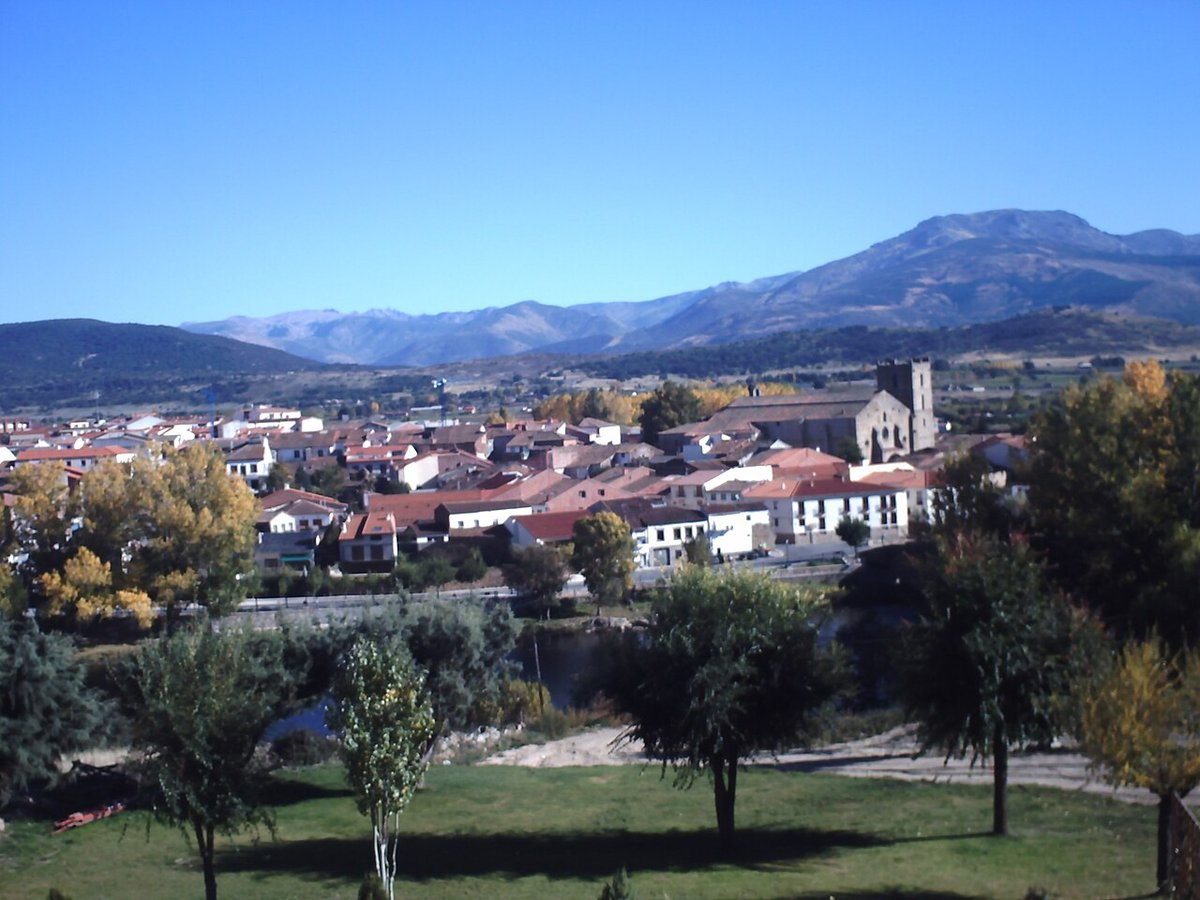
The water arrives before you do. Even from the main road, you can hear it rushing through channels carved centuries ago, racing downhill towards the stone houses of Arroyomolinos de la Vera. At 617 metres above sea level, this isn't some sleepy hilltop settlement—it's a working village where gravity still powers everything from irrigation to the local gossip network. The streams don't just flow past; they cut straight through the streets, creating a constant soundtrack that makes mobile phone calls practically impossible.
Following the Water
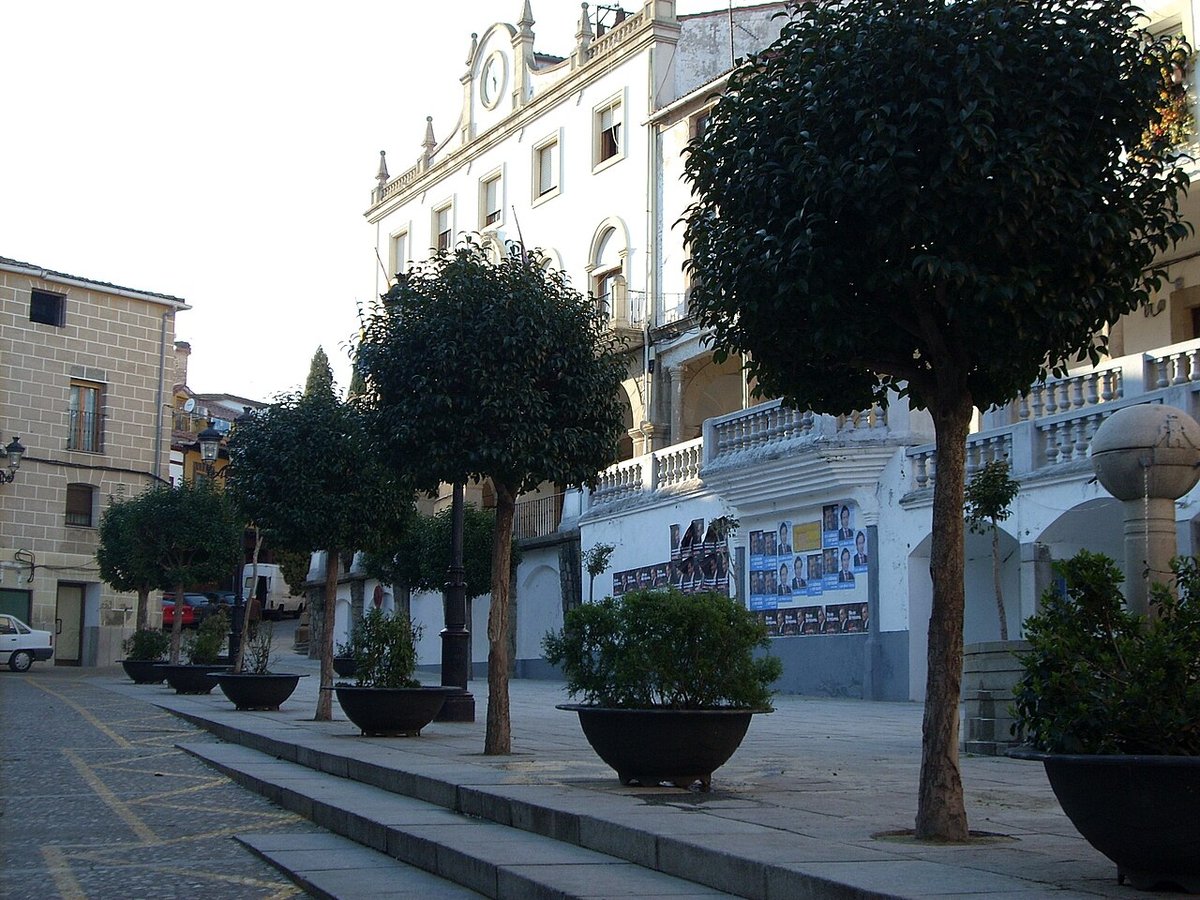
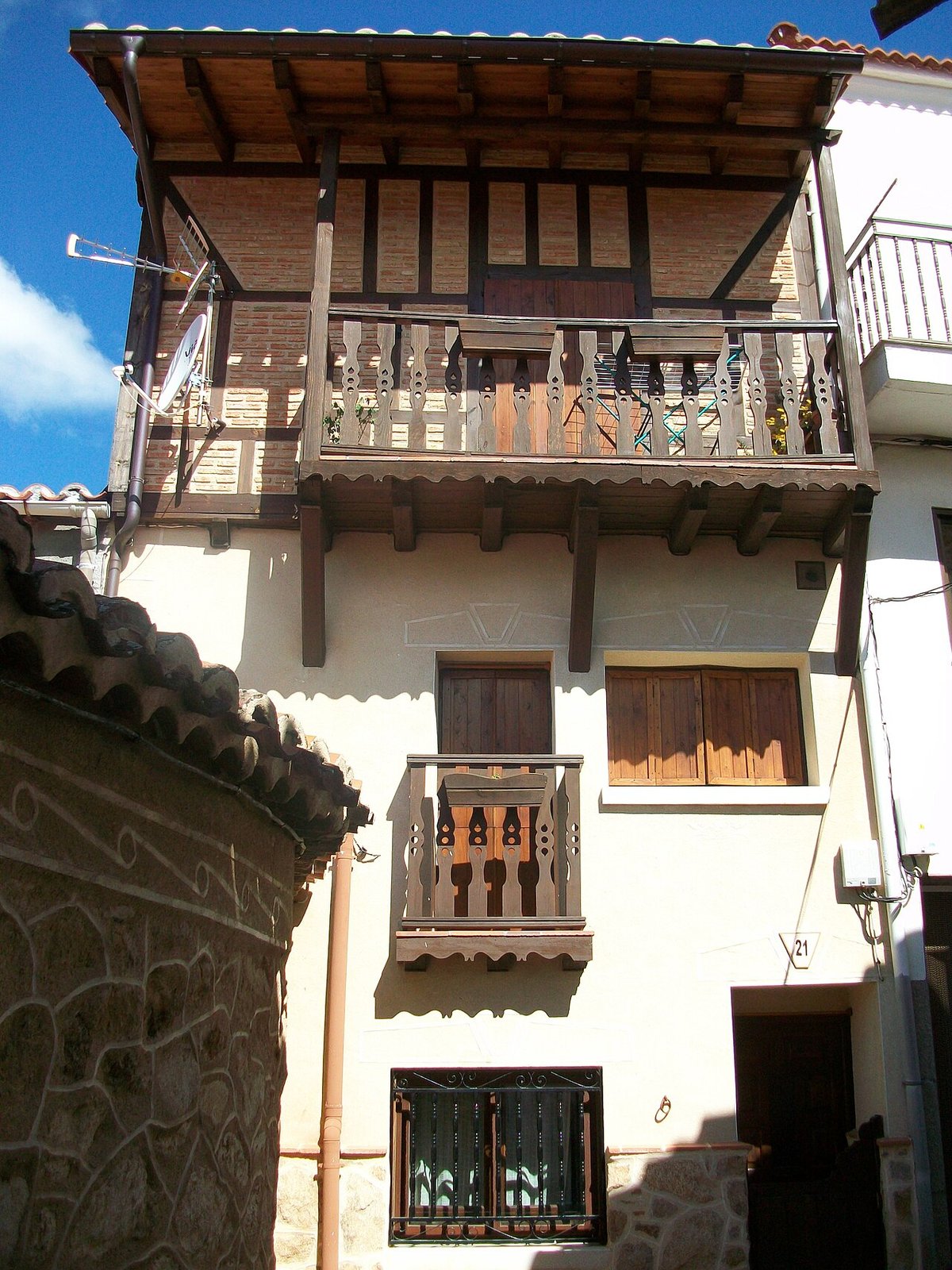
British visitors expecting whitewashed Andalusian clichés will find something altogether more substantial. The architecture here is called verata style: thick granite walls, timber balconies that creak satisfyingly underfoot, and roofs designed to handle both blistering summer heat and winter snow from the Gredos peaks. The whole thing looks like it was carved from the mountain itself, which isn't far from the truth. Local builders still use stone quarried from the surrounding hills, and the colour changes subtly throughout the day—from grey-blue in morning light to warm honey by late afternoon.
Wandering without purpose is the main activity. Start at the Fuente del Lugar, where villagers still fill plastic bottles despite everyone having modern plumbing. The water tastes faintly metallic, evidence of the mineral-rich mountains that feed it. From here, narrow lanes climb upwards, sometimes turning into proper staircases where the gradient demands it. The occasional wooden handrail isn't for show—these stones get lethal when wet, and wet is the default setting here.
The Iglesia de la Asunción squats at the village's highest point, a late-Gothic structure that managed to survive everything from Napoleonic troops to twentieth-century renovation zealots. Inside, the air smells of beeswax and centuries of incense. The main altarpiece features a Virgin figure that locals credit with everything from adequate rainfall to successful hip operations. Photography is permitted, but the lighting is so dim you'll need steady hands or a proper camera—phones won't cope.
What Grows Between the Stones
The surrounding agricultural terraces (bancales) predate the Romans, built by hand to create flat ground where none existed. Today they grow cherries, peppers for pimentón de la Vera, and tobacco for some of Spain's finest cigars. British gardeners will appreciate the irrigation system: narrow channels that divert mountain water through each plot in strict rotation. Disputes over water rights still occasionally end in fistfaws, though the local mayor insists this happens less frequently than in his grandfather's day.
Spring brings the most dramatic transformation. Cherry blossoms turn the hillsides white for precisely ten days, usually around early April. During this period, Spanish day-trippers arrive in coachloads, creating traffic jams on roads barely wide enough for a donkey. The village's single bar runs out of coffee by 11am. Visit in late May instead, when the blossoms have become small green fruit and you can walk the orchards in peace.
The Ruta de los Molinos follows the water downstream past ruined flour mills, their massive grinding stones now serving as impromptu picnic tables. The path is officially 4 kilometres, but feels longer due to constant stops to photograph waterfalls that look artificially perfect. Warning: after rain, this becomes an exercise in mud-skating. Proper walking boots aren't optional—they're essential survival gear.
Eating What the Mountain Provides
Food here follows the altitude. Breakfast might be migas—fried breadcrumbs with garlic and chorizo—designed to fuel farmers for a morning's physical labour. Lunch is substantial: goat stew flavoured with pimentón, the local smoked paprika that tastes nothing like the supermarket version back home. The meat comes from animals that grazed on mountain herbs; the flavour is distinctly wild, almost gamey.
Dinner presents challenges for polite British palates. Torta del Casar cheese arrives looking like a collapsed custard, its interior liquid and pungent enough to make grown men weep. Spread it on bread, not crackers—it needs the structural integrity. Local trout, when available, comes pan-fried with almonds. The fish taste of clean mountain water, delicate enough to make you wonder why anyone bothers with sea bass.
The village bar opens at 7am for coffee and closes theoretically at 11pm, though if locals are still talking, the proprietor just locks the door and continues serving. Cash only—contactless payment technology hasn't penetrated this far inland. The nearest ATM is twelve kilometres away in Jarandilla de la Vera, so withdraw money before you arrive.
When the Weather Changes Everything
Summer brings relief from coastal humidity but surprises visitors with intense afternoon heat. Temperatures might read 32°C on the thermometer, but the altitude makes the sun feel closer, more personal. Locals observe siesta religiously—not through laziness, but because working in direct sun at this elevation causes actual physical damage. Morning walks should start by 8am; evening excursions begin after 6pm when shadows stretch across the valleys.
Winter transforms the village into something resembling a Cumbrian hamlet. Snow arrives suddenly, sometimes in October, cutting road access for days. The stone houses, designed for this climate, stay warm thanks to metre-thick walls and wood-burning stoves fed with oak from the surrounding forests. Electricity cuts are common during storms; the water keeps flowing regardless—gravity doesn't require the national grid.
Autumn provides the sweet spot: stable weather, empty village, and chestnut forests that turn bronze before shedding. The local fiesta happens mid-August, featuring bull-running through streets barely wider than the animals themselves. British health and safety officials would have conniptions. The autumn agricultural fair in October is more civilised: local honey, handmade cheese, and enough pimentón to make your suitcase smell like a smokehouse.
Getting There, Getting Out
The drive from Madrid takes three hours on excellent roads until the final twenty minutes, when navigation becomes an exercise in blind faith. The EX-203 winds through chestnut forests, occasionally narrowing to single-track with passing places. Rental car insurance becomes relevant—those stone walls have been standing for centuries and aren't moving for a Nissan Micra.
Public transport exists in theory. A bus connects to Jarandilla de la Vera, timed perfectly for schoolchildren but useless for tourists. From there, one daily service reaches Plasencia, where proper trains run to Madrid. Missing the connection means overnighting in Jarandilla—not a hardship, but plan accordingly.
Mobile phone reception varies between patchy and fictional. Vodafone customers fare slightly better than EE, but nobody enjoys reliable data. Download offline maps before leaving civilisation. The village's single accommodation—a converted manor house—offers WiFi that works when the wind blows in the right direction.
Arroyomolinos de la Vera rewards visitors seeking authenticity over convenience. Come for the water, stay for the cheese, leave before the novelty of medieval plumbing wears off. It's not undiscovered—Spanish weekenders have been visiting for decades—but it remains indifferent to tourism in a way that increasingly rare. The village will continue existing whether you visit or not, water still flowing, stones still standing, life proceeding at the only pace the terrain allows.