Full Article
about Cuacos de Yuste
Retreat of Emperor Charles V; a historic-artistic site of world importance
Ocultar artículo Leer artículo completo
The bells of San Francisco ring at 21:00 sharp, and the swifts that wheel above the monastery roof vanish into the dusk. In the main square, teenagers drift between bench and bar, grandparents fold newspapers, and nobody checks a watch. Cuacos de Yuste keeps time the same way it did when Charles V rocked in his wooden chair five centuries ago: slowly, stubbornly, and with no interest in Madrid’s clocks.
A village that outlived its emperor
Charles chose the place for its climate—mild winters, mountain air, the promise of quiet—and then discovered Extremadura’s version of quiet includes church bells every quarter-hour. He died here in 1558 in a suite of bare rooms overlooking the cloister; the bed, the prie-dieu and the rack of mediæval walking sticks are still on show, fenced off by a discreet rope. Admission is €7, free for EU passport-holders after 15:00 on Wednesdays and Sundays, but the real trick is to arrive after the coach parties leave at 11:30. By midday you have the place to yourself, the guide turns off her microphone, and the only sound is swallows in the eaves.
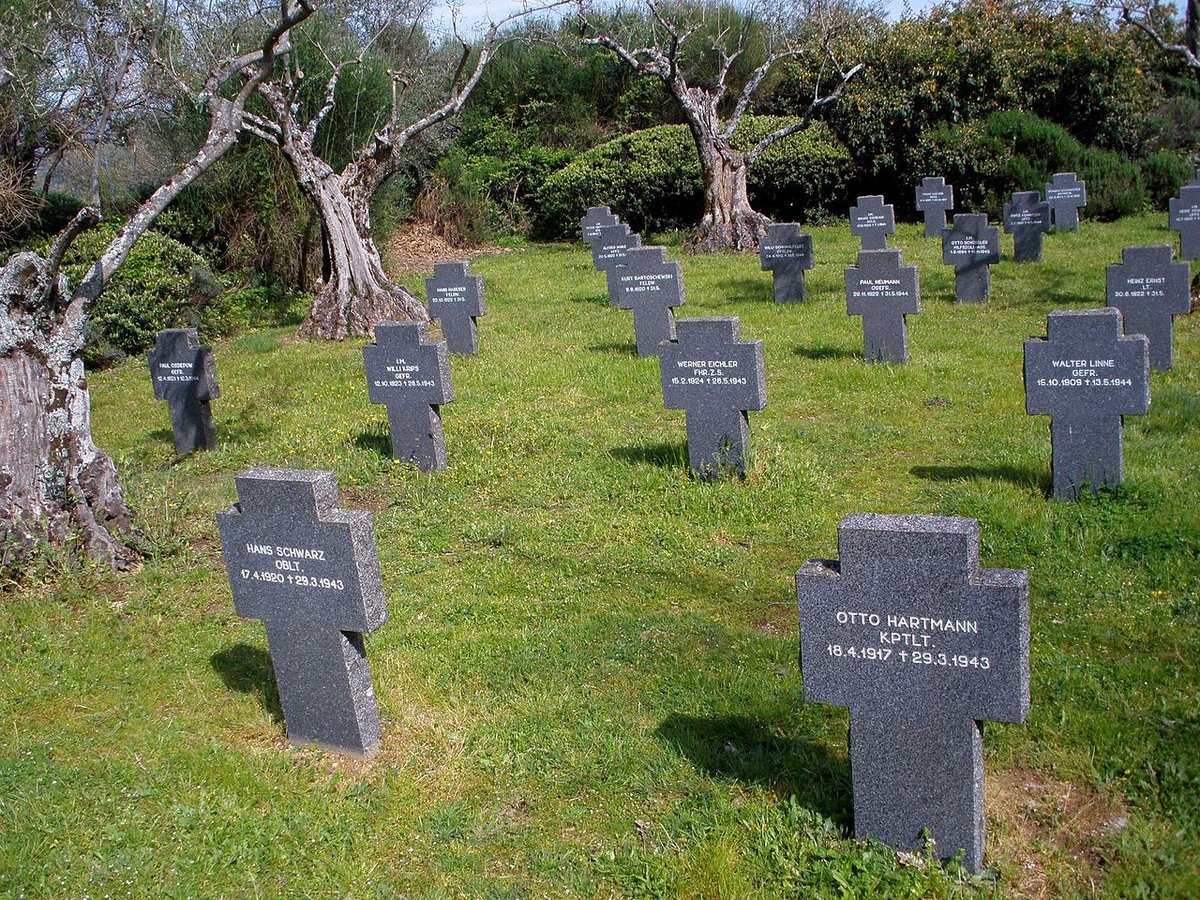
The monastery sits ten minutes’ walk below the village, past walnut groves and a small German war cemetery—an odd footnote from the 1950s that British visitors notice more than the Spanish ever mention. Park at the signed eastern car park (free, shaded by chestnuts) rather than threading the hire car through lanes built for mules.
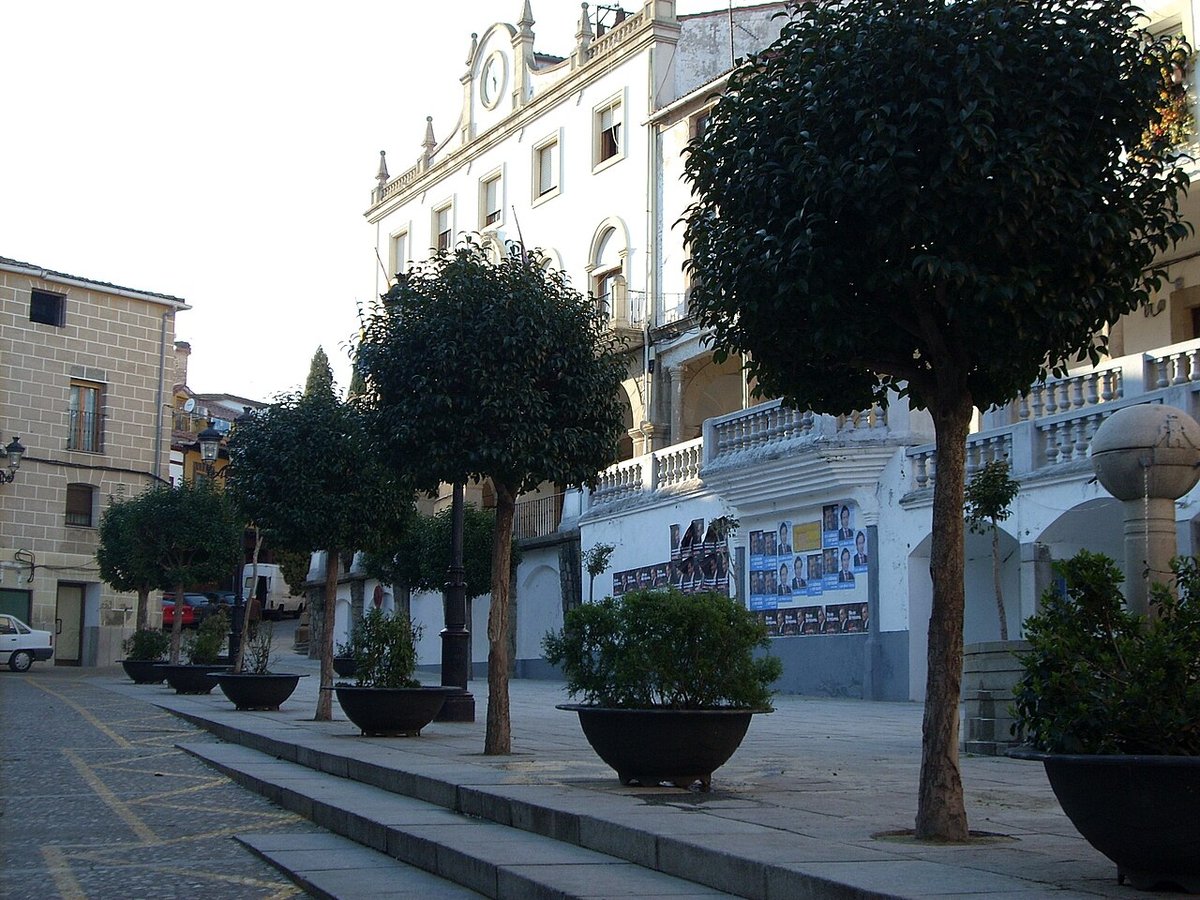
Back in the centre, the stone is softer, the timber darker, the balconies geranium-red. Half-timbered houses lean together like old friends, their upper floors jettied out over the street in a style that feels more Herefordshire than Andalucía. The late-Gothic parish church of Nuestra Señora de la Asunción anchors the upper town; step inside to escape the sun and you’ll find a baroque altar glinting with gold leaf that arrived courtesy of Mexican silver.
Water, woods and walking shoes
Cuacos is the last place you’d expect to find a wild-swimming poster, yet five minutes down a stony track the Garganta de Cuacos opens into a string of emerald pools. El Bañaero, the biggest, is deep enough for a proper swim by June, though the water stays toe-numbing until July. Families from Madrid bring coolboxes and stay all day; walkers on the Emperor Route—an undulating 12 km path to neighbouring Jarandilla—stop to rinse off dust. Bring rubber shoes; the rocks are slick with algae and there’s no kiosk once you leave the lane.
Chestnut forests coat the hillsides from 700 m upwards. In October they turn the colour of burnt sugar and the village smells of wood smoke and roasting nuts. A short circular walk, way-marked in yellow, leaves from the top of Calle San Juan, climbs 200 m through the trees and drops back past an abandoned stone mill. Allow ninety minutes, longer if you stop to photograph the Gredos peaks rearing up to the east.
Serious walkers can pick up the Vera network: two-day loops linking mediaeval bridges, waterfalls and villages where the bar still charges €1.20 for a caña. Buy the 1:25,000 “La Vera” map in the monastery shop; phone coverage is patchy and Google’s offline map ends at the river.
What lands on the plate
Lunch starts at 14:00 or not at all. The local star is torta del Casar, a sheep’s-milk cheese so runny you slice off the top and scoop like fondue. A small one feeds two, costs around €12 in the Friday market and travels well if kept cool. Iberian pork “secreto” tastes like a premium bacon steak marinated in smoked paprika—an easy gateway for anyone still scarred by over-salted British back bacon. Vegetarians survive on pimentón-roasted peppers and the village baker’s empanadillas filled with spinach and pine nuts.
House wine is drinkable, cheap and comes from neighbouring Tiétar; order it by the “cuarto” and you’ll get a generous 250 ml carafe. Pudding is usually torcío de Cuacos, a deep-fried pastry tube piped with custard—think Spanish éclair. Coffee arrives with a complimentary shot of chestnut liqueur in autumn; accept it, then decline the second unless you fancy the mountain road home through the clouds.
Evenings are quiet. Two bars stay open past 23:00, both showing football on mute. If you need nightlife, Cáceres is an hour away; if you need starlight, stay put.
When to come, when to stay away
April and late-October are the sweet spots: daytime 22 °C, cool nights, gorges full of water, coach bays half-empty. May brings wildflowers and the feast of the Cross, when locals haul a flower-decked granite cross up the hill at dawn—worth waking for, but book accommodation early; there are only thirty-odd rooms in the whole village.
August is hot (35 °C by noon) and the pools fill with shrieking teenagers. The monastery stays pleasantly cool, yet the walk back uphill feels like trekking through a pizza oven. Mid-winter can be magical—mist in the valley, wood smoke in the streets—but daylight is gone by 18:00 and half the restaurants close. Check ahead if you’re arriving between January and March.
Rain is sudden and heavy; the stone streets become streams within minutes. Carry a light jacket even in July and don’t trust the five-day forecast—Extremadura does its own thing.
The bottom line
Cuacos de Yuste is not a blockbuster. A diligent traveller can see church, cloister and chestnut wood in a morning, buy paprika, eat cheese and be back on the A-5 before the siesta ends. That is precisely its virtue. The village offers what the Costas lost thirty years ago: a place where history is still being lived in, not just sold, and where the emperor’s ghost has to queue behind schoolchildren for the evening bread. Stay one night and you leave with aching calves and smoky clothes; stay two and you start recognising the butcher’s dog, learn which balcony belongs to the baker, and catch yourself timing your day by the monastery bells. The guidebooks call it a detour. Extremadura knows it is the destination.