Full Article
about Gargüera
Gateway to La Vera from the Jerte Valley; a quiet farming town
Ocultar artículo Leer artículo completo
The chestnut trees start talking before the village comes into view. Their leaves rustle at 501 metres above sea level, a sound that disappears when you reach Garguera's single-row main street. One hundred and seventy-seven residents. More chestnuts than people, as locals like to point out between sips of bitter coffee at Bar la Plaza, the only establishment that keeps irregular hours depending on whether Antonio feels like opening.
This is La Vera's edge country, where the Gredos mountains shrug off their granite seriousness into something gentler. The altitude matters here. While Seville swelters at 40°C, Garguera sits in its own microclimate, four degrees cooler and twice as likely to catch afternoon clouds that never quite reach Cáceres city. British walkers arriving from Madrid's 650-metre plateau notice the difference immediately: deeper breaths, less sweat, the peculiar sensation of walking uphill without your heart hammering against your ribs.
The Architecture of Not-Quite-Anything
San Juan Bautista church squats at the village centre like a brown toad, its 16th-century bell tower repaired so many times that architects have given up dating the stonework. The building's significance isn't religious grandeur—it's what the church reveals when you walk around it. Houses grow directly from its shadow, their walls sharing mortar with sacred stone. One facade displays a noble coat of arms, half-erased by rain, belonging to a family that left for Mexico in 1923 and never returned.
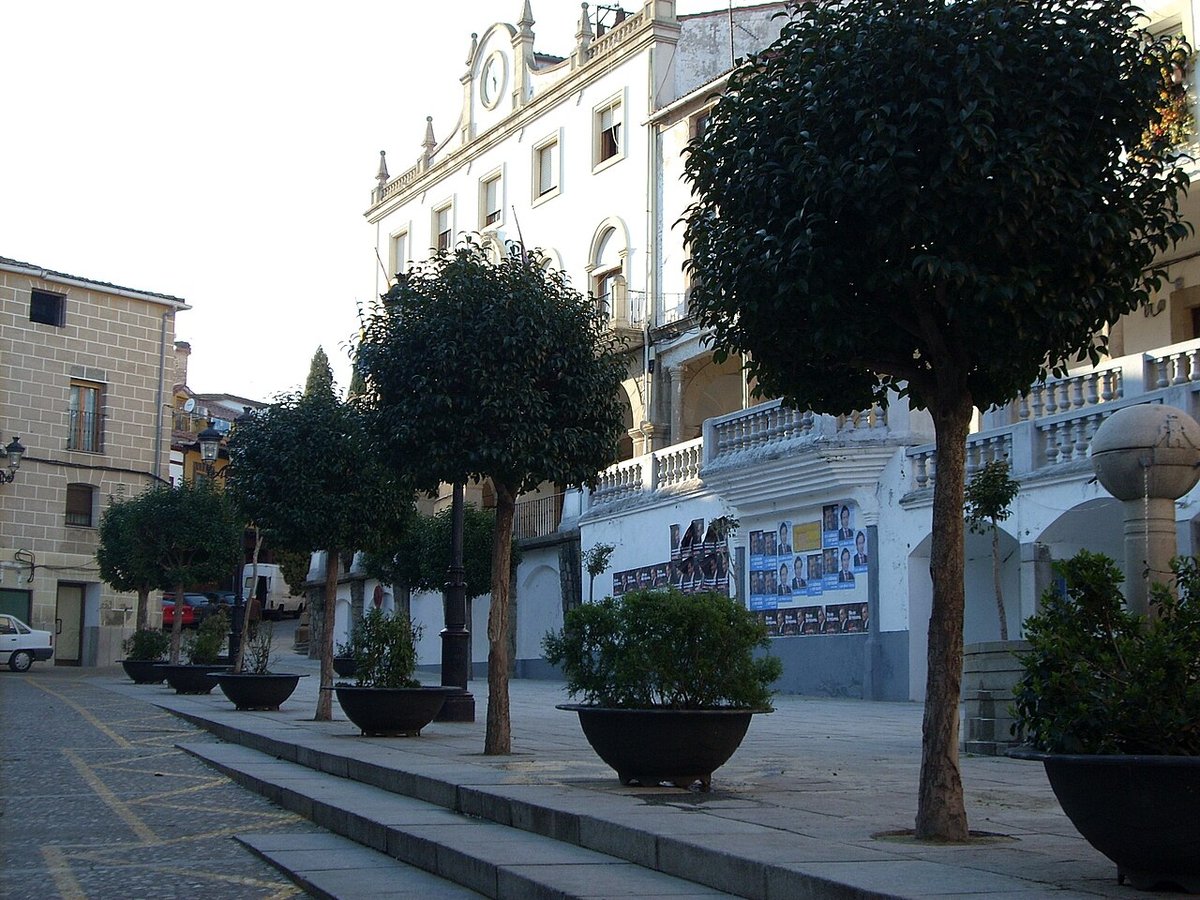
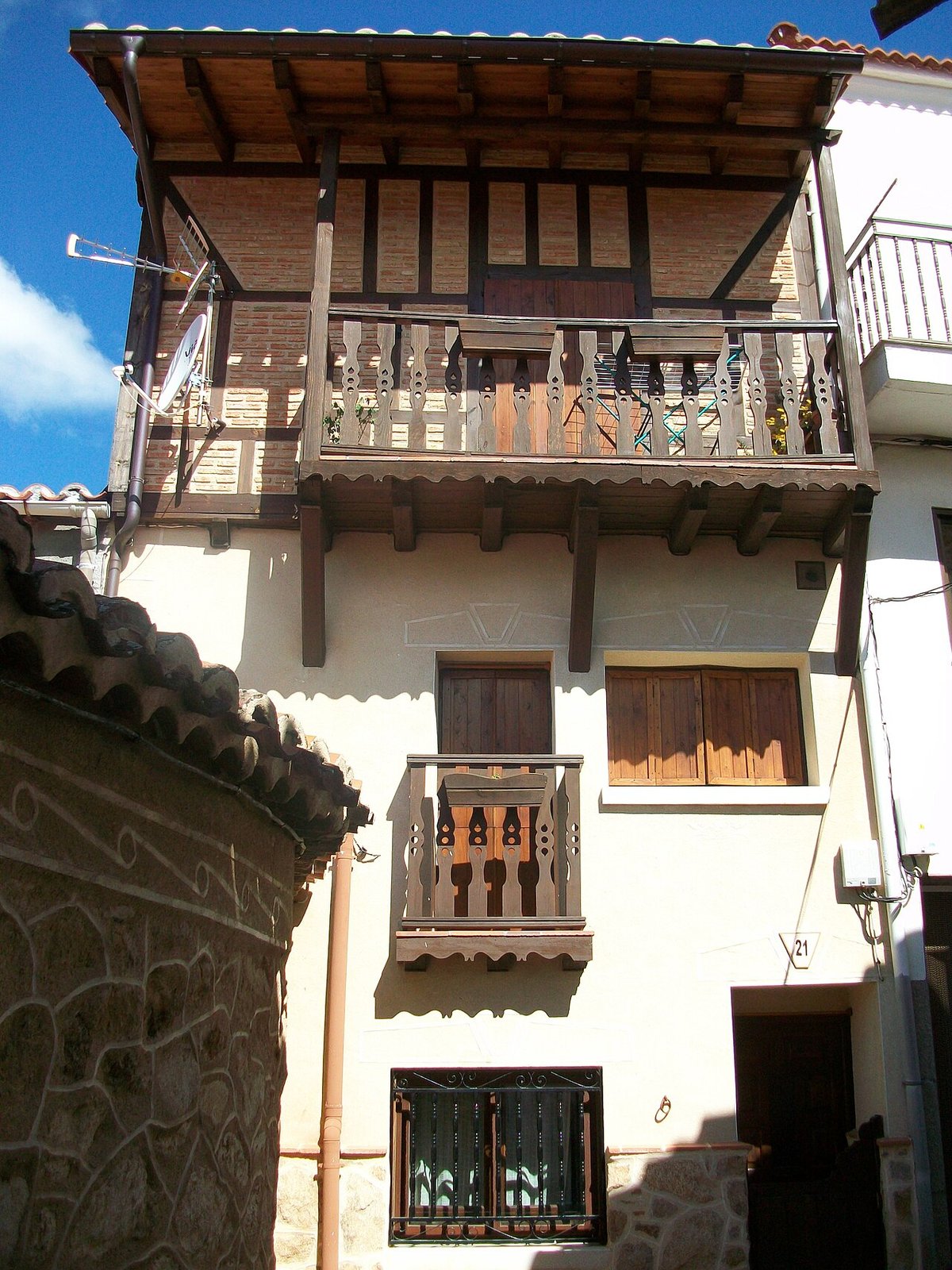
These architectural afterthoughts continue down Calle de la Iglesia, where modern aluminium windows sit uncomfortably beside wooden balconies thick with forty years of paint. The street takes exactly four minutes to walk end-to-end, including time to read the brass plaque commemorating Garguera's role in the Spanish Civil War (brief, undistinguished, best forgotten). What catches the eye aren't monuments but adaptations: a garage door carved through a medieval arch, satellite dishes blooming from terracotta roofs, the inevitable swimming pool that appeared when Barcelona weekenders bought the old mill.
Following Water That Sometimes Forgets to Flow
The Garganta de Gargüera isn't grand canyon territory. It's better described as a generous ditch, carved by water that appears dramatically after October rains and vanishes equally dramatically by August. The walking route starts behind the cemetery—always behind the cemetery in these parts, as if the living need reminding of property boundaries. Brown signs point toward "Sendero de la Garganta" but give up after 300 metres, presumably when the budget ran out.
What follows is classic Extremaduran hiking: definite paths that become indefinite, definite markings that become theoretical. The trail follows white stones painted by someone who understood that navigation here depends on reading landscape rather than following arrows. Chestnut trees give way to narrower cork oaks, their bark stripped in vertical stripes like victims of an enthusiastic potato peeler. The sound of water increases before the water itself appears, a typical La Vera trick caused by acoustic properties of granite ravines.
Summer walkers should carry more water than they think necessary. The altitude might be moderate but the sun reflects off pale stone with vicious efficiency. One couple from Oxford, interviewed sweating at kilometre three, admitted they'd expected "a gentle woodland stroll." They got something closer to Dartmoor's steeper sections, minus the fog plus considerably more thorny undergrowth. Their mistake: starting at 2 pm in late July, when sensible locals sleep and only English tourists venture outdoors.
The Politics of Paprika
Food here operates on a simple principle: if it doesn't contain pimentón de La Vera, someone's grandmother will ask if you're feeling quite well. The local smoked paprika appears in everything from scrambled eggs to coffee-based desserts, creating a distinct flavour profile that British palates recognise immediately but can't quite place. It's barbecue meets sundried tomato meets something that lingers on fingers for days.
Don't expect restaurants. Garguera's culinary scene consists of Rosa's front-room dining operation, open Friday through Sunday if her arthritis isn't playing up. Three courses cost €14 and invariably feature cabrito (baby goat) raised within sight of the village. Vegetarian options exist in theory—Rosa once served a British yoga instructor grilled peppers with paprika, then worried for weeks about the woman's protein intake. The wine comes from neighbouring vineyards, cloudy and uncertain but containing exactly the right alcohol percentage for post-hike analysis of foot blisters.
When to Arrive, When to Leave
April delivers the sharpest contrast. Morning fog sits in the valley like poorly-set custard, burning off by 10 am to reveal bright green terraces recently cleared of winter's brown vegetation. Temperatures hover around 18°C—perfect walking weather that continues through May and June, when daylight stretches until 9:30 pm and the village fountain runs reliably.
October brings chestnut harvest and the annual feria, three days when population swells to 400 and the single street becomes impassable due to roasting equipment. British visitors often find this the sweet spot: accommodation prices remain reasonable, daytime temperatures settle at 22°C, and the chestnut-based menus actually reflect local reality rather than tourist board fantasy.
Winter means business. At 501 metres with surrounding peaks touching 1,200 metres, Garguera catches weather systems that miss Madrid entirely. January temperatures drop to -5°C overnight, and the road from Navalmoral de la Mata becomes entertainingly treacherous after rain. Several January visitors have discovered their rental car's "all-weather" tyres weren't designed for Spanish mountain roads, leading to expensive recovery operations and colourful language directed at hire company representatives.
Getting Lost Properly
The nearest airport sits at Badajoz, 180 kilometres away, though most British visitors arrive via Madrid's Barajas, adding an extra 90 minutes of driving through landscapes that gradually shift from motorway monotony to something worth photographing. Car hire is essential—public transport involves a bus to Jaraíz de la Vera that runs twice daily if the driver's wife hasn't gone into labour, followed by a taxi journey costing €35 for 12 kilometres of increasingly narrow roads.
Accommodation options reflect Garguera's suspicion of mass tourism. Agua Antigua Casa Rural occupies a restored water mill on the village edge, its three bedrooms booked solid during Easter and October by repeat visitors who've been coming since 2008. Alternative options scatter across neighbouring villages: stone cottages with Wi-Fi that works when it rains, swimming pools that stay empty during drought years, English-speaking hosts who've perfected the art of recommending walks precisely calibrated to British fitness levels.
Leave the village by 3 pm if you're driving back to Madrid. The EX-203 might seem empty at 5 o'clock, but Spanish truck drivers use these roads after dark with alarming speed and limited patience for tourists photographing sunset over the Alagón valley. Besides, Garguera's real magic happens in early morning light, when mist rises from the chestnut groves and you can walk for an hour without meeting anyone except the village mayor walking his dog—a man who nods politely then returns to whatever thoughts occupy those who choose to live where castañas outnumber humans by several thousand to one.