Full Article
about Jaraíz de la Vera
World capital of Pimentón de la Vera; market town with a natural lake
Ocultar artículo Leer artículo completo
The smell hits before the town comes into view: warm, sweet smoke drifting across the valley like a barbecue that started three centuries ago and nobody remembered to put out. Welcome to Jaraíz de la Vera, the place that seasons half of Spain. One factory alone grinds 400 tonnes of dried peppers each autumn; the air carries the evidence.
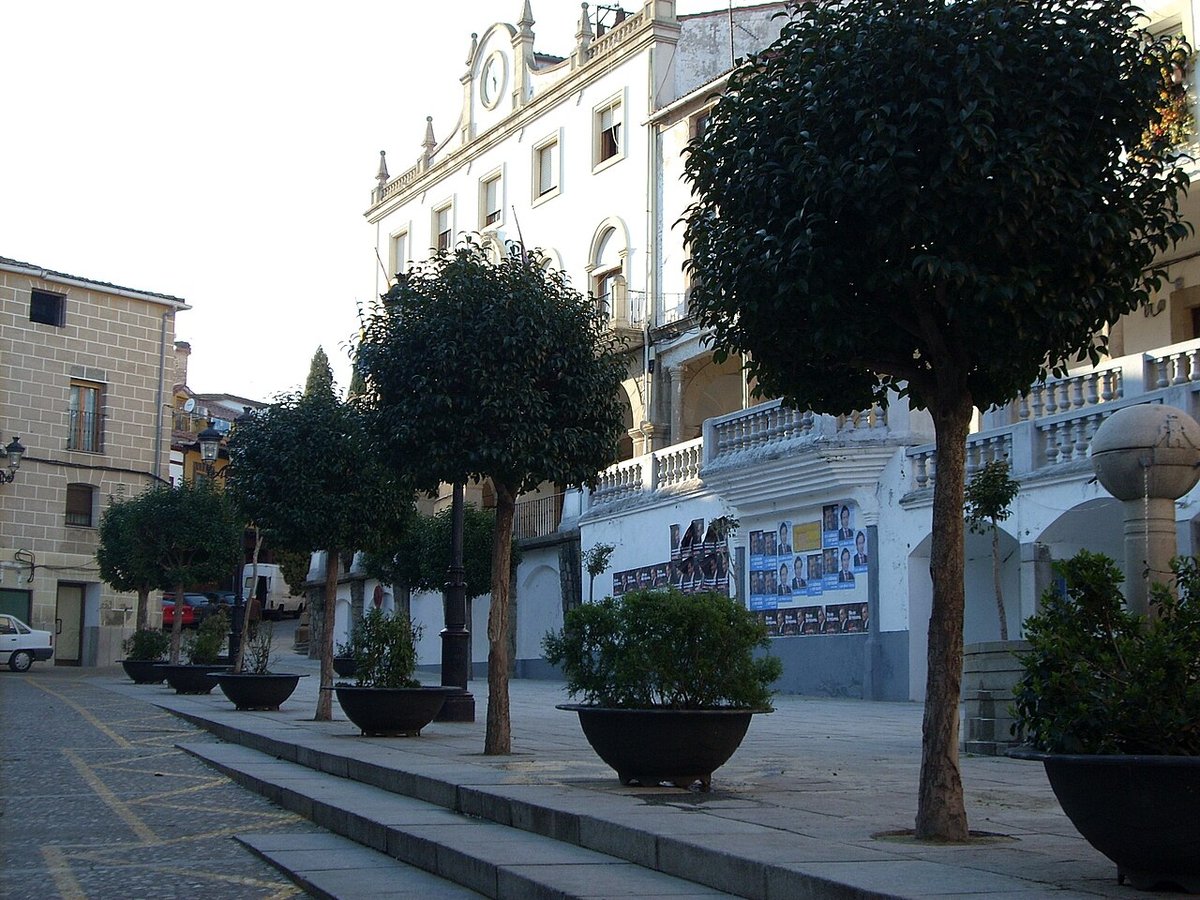
Most motorists shoot past on the EX-203, bound for the monastery where Emperor Charles V spent his last years. Pull off, though, and you find a working market town that happens to double as the paprika capital of the country. The centre is low-rise and practical—no postcard-perfect plaza here—but the side streets bloom with balconies scarlet from geraniums and the occasional rogue chilli plant. Tuesday is market day; arrive before ten or you’ll be doing laps of the ring-road with every Spanish grandmother in the district.
Smoke, Peppers and a Lake that Isn’t on the Posters
The Centro de Interpretación del Pimentón squats in a 1930s brick mill on Calle del Pimentón—no imaginative branding required. Entry is €3 and the visit lasts exactly 28 minutes, timed to a video that shows peppers drying over oak fires in dark barns. British visitors emerge startled that something so prosaic can be so absorbing; the gift shop does a roaring trade in mild, apple-smoked tins that pass UK customs without a raised eyebrow.
Five kilometres north the landscape folds into the Garganta de Jaranda, a granite gorge cooled by waterfalls and chestnut shade. A natural pool has been corralled into a mini-lido with a sandy patch just big enough for a picnic rug. Locals call it “la playa de Jaraíz” and treat it like the coast: cool-boxes, inflatable dolphins, radios competing with cicadas. Water temperature hovers at 18 °C even in August—perfect for shrill teenagers, a wake-up call for everyone else. Weekends fill up by one o’clock; aim for ten and bring repellent—the midges here have no respect whatsoever for DEET.
Walking Off the Pork
The town sits at 561 m, low enough for olives but high enough that nights stay fresh. South-facing paths climb quickly onto fire-roads that thread between allotments and abandoned stone terraces. The signed Ruta de los Pilons follows an irrigation channel built in the 1700s; stone basins once used for soaking flax now make handy paddling spots. Allow two hours, and take water—shade is patchy and summer temperatures flirt with 38 °C.
Serious walkers push on into the Sierra de Gredos. The main trailhead at Cañada de los Pájaros is 25 minutes by car; from there a five-hour circuit reaches the refuge at Elola (1,550 m) with views back over the Tiétar valley and, on very clear days, the granite wall of the Almanzor peak. Snow can linger on the north side until April; check the park website for closures.
Eating Like You Mean It
Jaraíz does not do delicate. Breakfast means migas: breadcrumbs fried in olive oil with shards of bacon and a dusting of the local paprika. One portion keeps most people upright until well past lunch. Bars around Plaza de España serve it until about eleven, after which the focus shifts to goat—kid roasted whole, shoulder slow-cooked with bay, or a mild cheese pâté spread on toast for the less carnivorous.
Lunchtime menus hover between €12 and €15 and rarely stray from the trilogy of soup, meat and flan. La Finca on Avenida de la Constitución adds a paprika-glazed pork fillet that tastes like a Sunday roast wearing Spanish aftershave. Portions are large enough that the three-course option is best tackled after, not before, a gorge walk.
Evening is tapas time. Order chorizo al infierno and the barman will douse a terracotta dish in local aguardiente, set it alight, then leave you to stab semi-flaming sausage while the paprika fat crackles. Health-and-safety officers would weep; everyone else grins.
When to Come, Where to Sleep
Spring and early autumn give you wildflowers or leaf-change without the furnace heat. Easter week is busy—processions squeeze through the narrow lanes and hotel prices jump 30 per cent. Summer nights are warm enough to sit outside until midnight, but day-trippers from Madrid triple the population at weekends; book accommodation early or stay Monday–Thursday and have the pool to yourself.
The smartest beds are at the Arañez hotel, a converted paprika warehouse with exposed beams and a small rooftop pool (doubles from €85). Budget travellers head to Hostal El Paraíso on the main drag—clean, no-nonsense rooms above a café that opens at six for the early walking crowd (€45 with breakfast). Self-caterers can rent stone cottages in the hamlet of Cuacos, five minutes away; most come with fireplaces for winter lets when the sierra turns properly cold.
Driving remains the easiest option. Jaraíz is 2 h 20 min west of Madrid on the A-5, then 30 min along the EX-203. A daily bus links the town to Plasencia (50 min) where fast trains connect to Madrid. Without wheels you’re stuck, though—taxis to the monastery or the lake run €20 each way and are thin on the ground.
The Honest Verdict
Jaraíz will not make you gasp at every corner. The centre is functional, the industrial chimneys still puff, and English is treated as an exotic extra rather than a necessity. Yet the place works: it smells of something real, feeds you properly, and gives you a lake and a mountain within fifteen minutes of your coffee. Come for the paprika if you like, but stay for the sense that Spain hasn’t tidied itself up just for the cameras.