Full Article
about Losar de la Vera
Famous for its animal-shaped gardens along the road and the Cuartos gorge.
Hide article Read full article
Losar de la Vera, donde los setos tienen cosas que decir
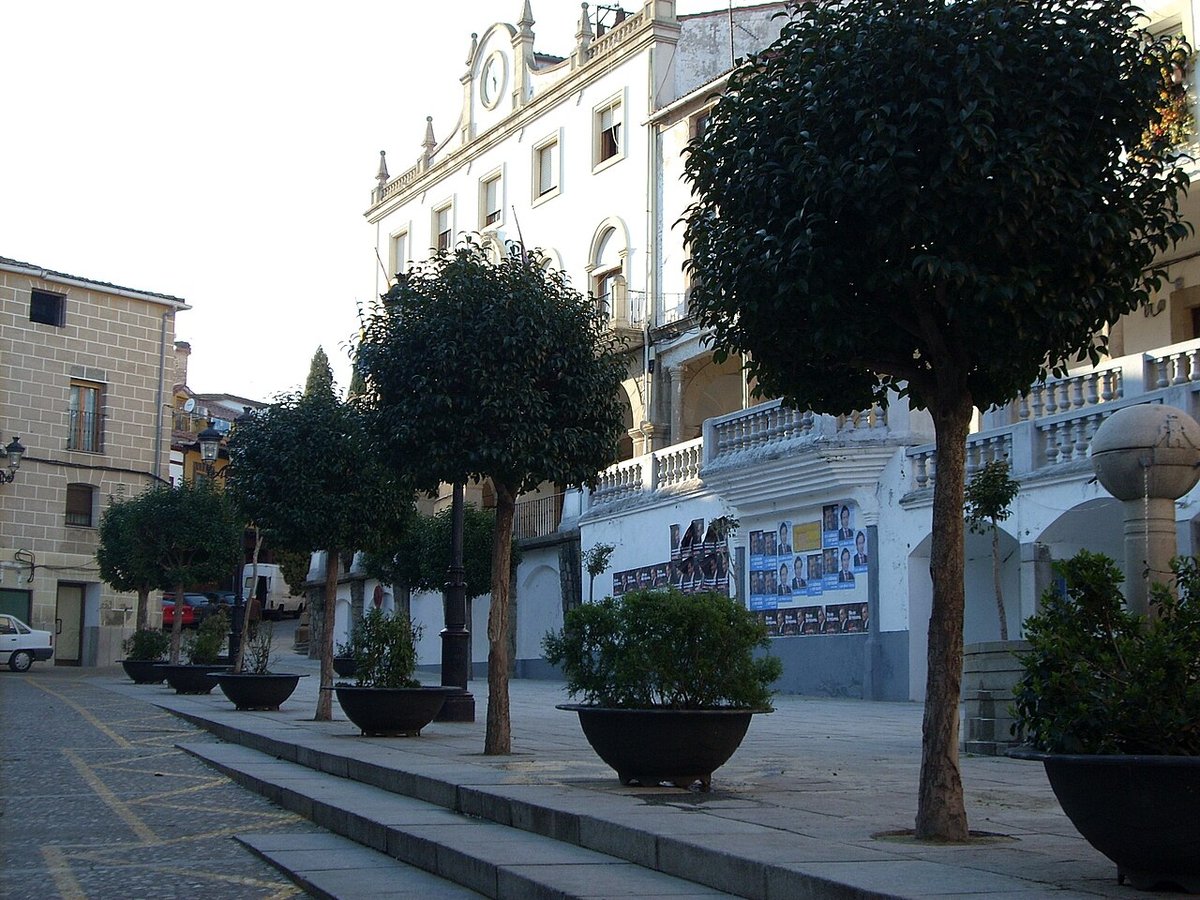
Llegas a Losar de la Vera y al principio cuadra. Es el pueblo que te imaginas: calles tranquilas, casas bajas, el silencio roto por un coche que sube la cuesta. Y entonces te das cuenta. Aquel seto no es un seto, es un dinosaurio. El de más allá tiene forma de guitarra. Y en una plaza, uno recorta la silueta de un Cristo.
Aquí las plantas no crecen, se disfrazan. Alguien empezó a podarlas con esta idea en los setenta y ahora hay más de cien figuras verdes desperdigadas por el pueblo. No es un museo ni una ruta señalizada. Es como si el paisajista del pueblo hubiera tenido un día muy inspirado y nadie le parara los pies.
Un paseo con toques extraños
Cuentan que Tim Burton pasó por aquí en los ochenta y que esto le dio ideas para Edward Scissorhands. Es una de esas historias locales que nunca puedes verificar, pero que encajan perfectamente cuando ves un elefante de boj junto a una fachada encalada.
Los vecinos pasan a su lado sin inmutarse. Para ellos es lo normal. Tú vas con el móvil en la mano, parando cada veinte metros para hacer otra foto. No hay un orden. Aparece un toro junto al ayuntamiento, unos músicos cerca de la iglesia, un pájaro enorme en una rotonda. Es como una búsqueda del tesoro sin mapa.
El alivio de la garganta
A tres kilómetros escasos del pueblo está la garganta de Cuartos. El agua ha ido trabajando la piedra durante siglos, sin prisa pero sin pausa. Hay un puente antiguo y pozas donde bañarse cuando aprieta el calor.
El camino hasta allí es plano y se hace bien en media hora. Lo interesante no es la caminata en sí, sino el cambio de aire. En verano, bajar a la garganta es como entrar en una habitación con el aire acondicionado puesto. El sonido del agua lo ocupa todo y durante un rato te olvidas del asfalto.
Comida sin disimulos
En Losar no busques cocina de reinterpretación. Aquí se come como se ha comido siempre.
La sopa de cachuelas es ese plato que parece simple hasta que pruebas el segundo cazo. Lleva pan, pimentón de la Vera, ajo y lo que haya por la cocina. Pide poco al principio.
La morcilla mondonga también tiene su punto. No es la morcilla de arroz habitual; lleva miga de pan y una mezcla de especias que sabe a guiso de los de antes.
Y luego está el cabrito. Si te da pena pensar en las cabras, mejor pide otra cosa. Si no, la caldereta está en casi todas partes. Lleva pan para mojar, claro.
Agosto y los que vuelven
En agosto el pueblo cambia el chip. Son las fiestas del Santísimo Cristo de la Misericordia y vuelve gente que ahora vive en Madrid o Barcelona.
Uno de los eventos más comentados es la Vaquilla del Aguardiente. Su nombre lo explica casi todo: sueltan un novillo por una calle y la gente corre delante con más valor que sentido común. A veces aparece una botella de aguardiente para animar el asunto.
También está el Día del Emigrante, normalmente en verano. La plaza se llena entonces de conversaciones que siempre empiezan igual: "¿Te acuerdas cuando...?".
Cómo tomarlo (y cómo no)
Desde Madrid se tira unas dos horas por la A-5. Se llega fácil.
Este no es un pueblo para hacer una lista interminable de visitas obligatorias. Funciona mejor como parada tranquila si vas recorriendo La Vera o si te diriges hacia Gredos.
Un plan sensato sería este: dar una vuelta buscando las figuras verdes, bajar andando a la garganta para refrescarte, comer algo contundente y terminar con un café en alguna terraza mientras cae la tarde.
No vengas buscando el pueblo más espectacular de Extremadura porque no lo es. Viene bien para unas horas sin prisa. Para ver algo distinto sin tener que pagar entrada. Y para llevarte esa imagen absurda y genial de un estegosaurio vegetal vigilando una calle cualquiera. Eso sí lo tienes garantizado