Full Article
about Tejeda de Tiétar
Quiet village on the plain with a prominent church and local traditions
Hide article Read full article
A village that turns the volume down
Some places feel like turning your phone volume down after a long day. Everything is still there, just quieter. Tourism in Tejeda de Tiétar sits somewhere in that space. In the La Vera area of Extremadura, with around 761 residents, it is the kind of village where time seems to move differently, like leaving a motorway for a smaller road and realising you are no longer in a rush.
Tejeda de Tiétar does not try to stand out. It lies at about 446 metres above sea level, near the Tiétar river, and daily life revolves around familiar rhythms: vegetable plots, intense summer heat, finding shade where possible, and houses built more for coping with the climate than for appearances.
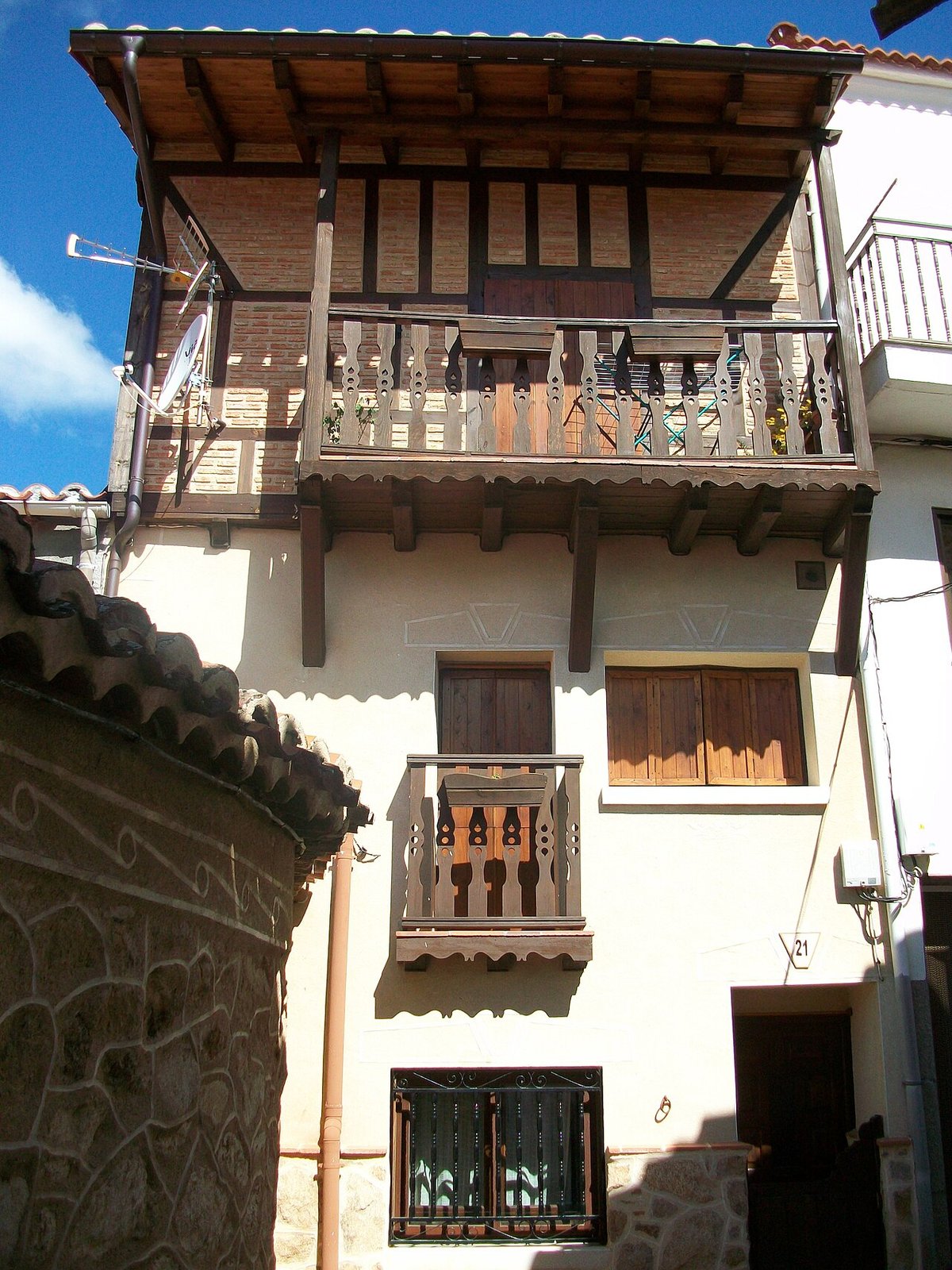
The name comes from the old tile kilns that once existed here. Traces of that past can still be seen in some buildings. There are adobe walls, wooden balconies and inner courtyards that act as traditional summer living rooms, the place where a bit of air circulates when the sun is strong outside. The architecture feels practical in the way many rural homes are, like an old coat that may not look special but does its job.
The visible lines of the past
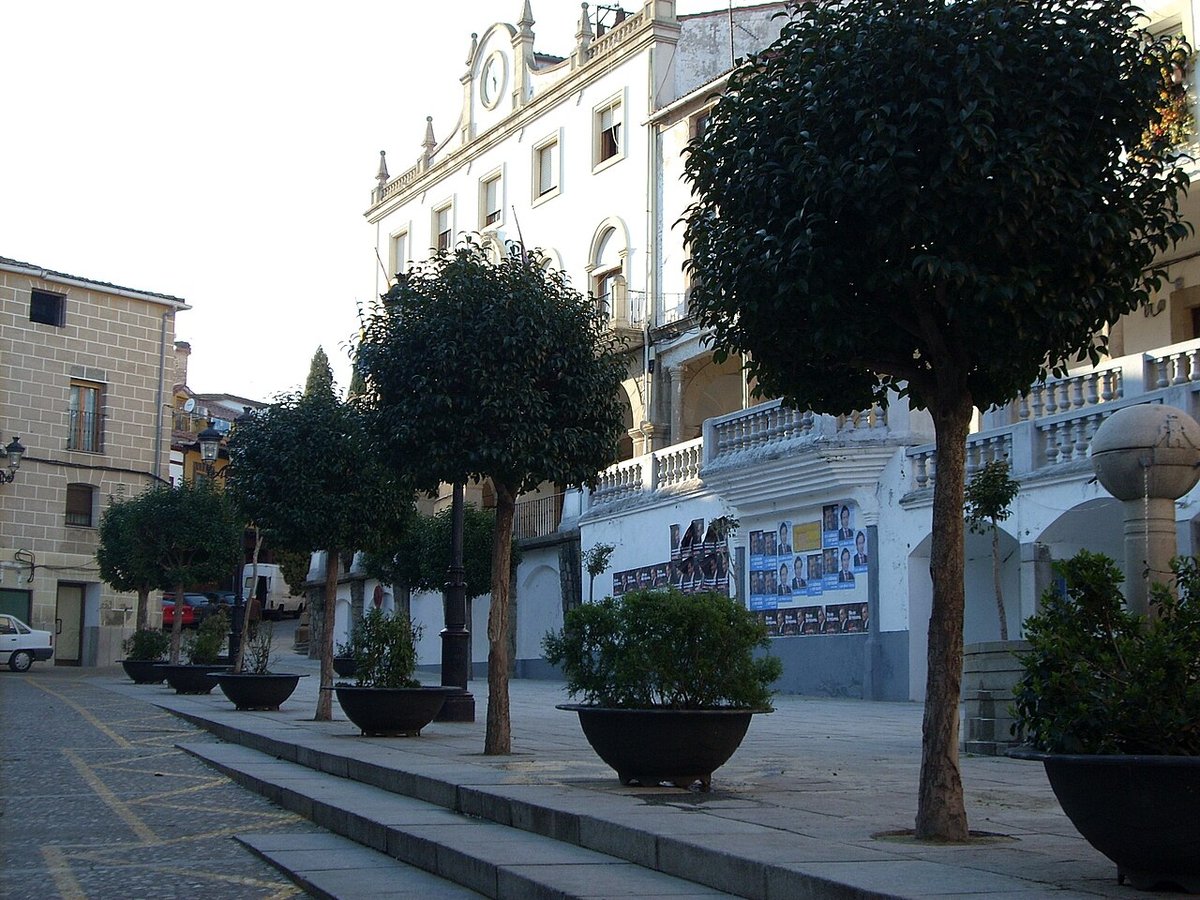
The centre of the village is organised around the church of Nuestra Señora de la Asunción. Its tower appears between the streets like a point of reference when you look up to orient yourself. It is not grand, but it anchors the layout of the place.
The building combines older sections with later additions, something common in villages that have grown gradually over time, like a house expanded bit by bit by each generation.
Nearby stands the town hall, with arcades that reflect the traditional role of small squares: offering shade in summer, space for conversation, and a steady flow of people passing through. There is also the Casa del Comendador, linked to the period when the area depended on military orders. It is not a museum, rather a clue to how the territory was organised centuries ago.
Walking through the streets reveals the logic of an agricultural village. Many houses clearly have two levels: the lower floor once used for animals or tools, and the upper floor for living. It echoes the idea of repurposed garages seen today, but in an older form.
Beyond the village, the landscape changes quickly. Scattered holm oaks, dirt tracks and, not far away, the Tiétar river. Along the riverbanks, groves of poplars and ash trees create cooler pockets of shade, especially welcome in the height of summer, like finding a long strip of shadow in a sunlit car park.
Simple ways to spend the day
Tejeda de Tiétar works best without big plans. It suits those unstructured afternoons where a short walk turns into something longer without much effort.
The paths near the river are straightforward. Nothing technical, just trails that can be followed at a relaxed pace, with the sound of water and birds in the background. The quiet is broken only occasionally by a distant car or a tractor at work.
Local food remains closely tied to what the land provides. Vegetable gardens irrigated by the Tiétar, locally sourced meat and dishes that are filling in a very direct way. Migas, stews and gazpacho verato are typical examples, the sort of meals that recall large family lunches where there is always more bread than expected.
The river groves are also active with wildlife. Small birds move among the trees, while birds of prey make use of the nearby air currents. For anyone who enjoys watching carefully, it is the kind of place where standing still for a few minutes reveals constant movement.
When the heat becomes intense, people head towards the water. There are modest pools, nothing dramatic, but enough to dip your feet or take a quick swim. It has the same effect as opening a window on a summer night: simple, but it changes how everything feels.
Traditions without display
Festivities in Tejeda de Tiétar follow the familiar calendar of rural life and the church. In August, celebrations are held for Nuestra Señora de la Asunción. During these days, the village becomes busier than usual as many residents who live elsewhere return, something seen across many Spanish villages in summer.
In January comes San Antón, marked by the blessing of animals and a communal bonfire. It is a very local scene, with people gathered around the fire, talking as the cold evening sets in.
Easter week, or Semana Santa, is also observed, with processions moving through narrow streets without elaborate staging. The tone remains restrained.
Then autumn arrives, bringing the usual seasonal tasks: grape harvests, preserving food, and traditional pig slaughter in some households. Fewer people take part than in the past, but some families continue to keep these practices alive, much like recipes that are never written down but still passed on from one generation to the next.
Tejeda de Tiétar does not reshape itself for visitors. It simply continues at its own pace, and that is precisely what defines the experience of being there.