Full Article
about Torremenga
Verato village with prehistoric remains and a landscape of dehesa and sierra
Ocultar artículo Leer artículo completo
At 530 m above the Tiétar valley, Torremenga sits just high enough for the evening air to carry the scent of oak smoke before you see it. The smoke rises from low, brick huts the size of garden sheds—hornos—where strings of red peppers hang like curtains drying into Pimentón de la Vera. Drive in at dusk between October and February and the whole village smells like a barbecue you weren’t invited to, but don’t mind gate-crashing.
Stone, adobe and one working bar
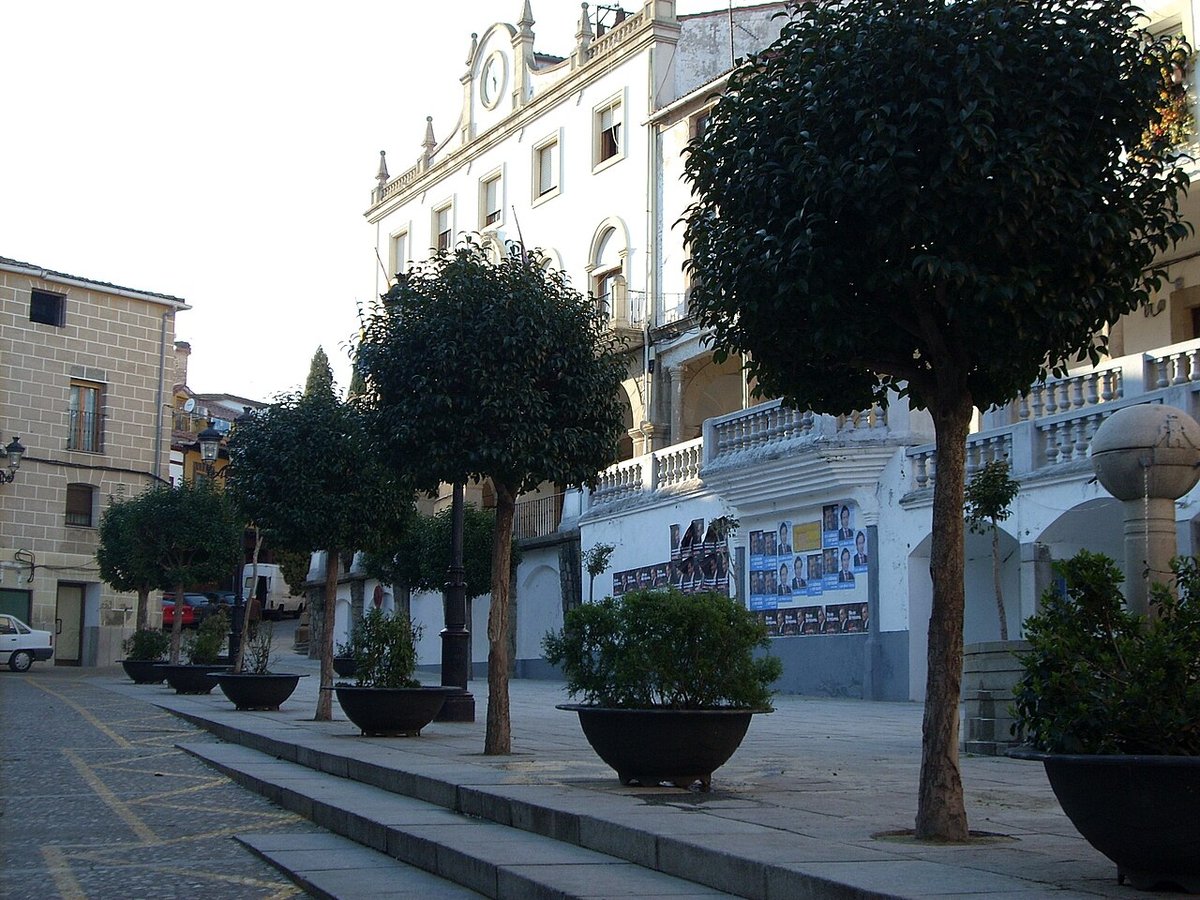
Forget the sugar-cube villages of Andalucía. Torremenga is built from russet granite and sun-baked adobe the colour of digestive biscuits. Walls are thick, windows small, balconies wooden and slightly warped. Nothing is whitewashed; the only splashes of colour come from scarlet peppers, geraniums in olive-oil tins and the occasional Real Madrid flag draped from a first-floor railing. The population hovers around 600, roughly the same as a single London Underground carriage at off-peak, except here everyone recognises the engine driver.
There is one bar, Bar Avenida, half-sports pub, half-front room. Cerveza is €1.80, tapas arrive without asking, and the television shows replays of last night’s Partidazo. If you want a cappuccino, you’ll get an instant Nescafé with UHT milk; order a café con leche and the barman heats fresh milk on the stove. Cards are accepted, but the machine is temperamental—bring cash. The nearest ATM is ten minutes down the EX-203 in Jaraíz de la Vera, beside a Mercadona where you can stock up on ibuprofen and queso de oveja before retreating uphill again.
Walking without waymarks
Torremenga is not a place for tick-list sightseeing. The 16th-century parish church is open only for Saturday-evening mass; its bell tolls the hour and half-hour, the only noise apart from dogs and the odd tractor. Instead, you walk. A stony lane leaves the top of the village past vegetable plots guarded by netting and sarcastic grandmothers. Within ten minutes the tarmac gives way to a pista that climbs through dehesa—open woodland of holm oak and cork—towards the Sierra de Gredos. You gain 300 m in 4 km; buzzards circle, wild thyme crunches underfoot, and the view opens south across the irrigated plain of La Vera. Turn round when the path forks at a ruined stone hut; beyond that the track dissolves into goat trails and Google Maps lies.
Summer hikes start at dawn. At 35 °C by midday even the lizards seek shade, and the only sound is the hiss of irrigation sprinklers in the valley. Winter is milder than the Spanish interior average—snow falls once every few years and melts before lunch—but nights drop to 3 °C. Pack a fleece for December visits; stone houses hold the cold like a fridge.
Paprika, belly pork and why mashed potatoes taste of smoke
Restaurants are thin on the ground, so eating happens in kitchens or at the bar. The local staple is patatas revolconas: potatoes boiled in salted water, mashed with pimentón dulce (sweet smoked paprika), olive oil and torreznos—crisp strips of pork belly. The result is nursery food with a campfire aftertaste. A plate costs €6 at Bar Avenida and feeds two if you order tomato salad on the side. Goat appears in two guises: kid stewed with bay and paprika for winter fiestas, or as a firm, nutty cheese served with membrillo paste. Vegetarians get migas—fried breadcrumbs with garlic and grapes—minus the bacon, though the frying pan rarely starts the day meat-free.
Buy paprika to take home from the tiny shop opposite the church. Tin prices are fixed by the regional cooperative: 250 g of picante for €4.50, dulce for €4. The label is in Spanish only; customs at Heathrow waves it through. Smuggle a second tin for your neighbour—once you’ve tasted smoked roast chicken you won’t want to share.
When the village remembers how to party
Torremenga’s calendar is short and loud. The fiesta patronale happens around the third weekend of August: one evening of verbena dancing in the plaza, one morning of encierros (cows released in a makeshift ring, no bulls), and two consecutive nights of fireworks that echo off the granite like artillery. Accommodation within the village is booked six months ahead by returning Madrilenian families; if you want a room, stay in Jarandilla (12 km) and drive over after supper.
In late January the matanza weekend revives the pig-killing tradition. Locals invite relatives, slaughter a 150 kg porker in an outbuilding, and spend the next day making chorizo, salchichón and morcilla. Tourists are welcome if they bring strong stomachs and a bottle of orujo. What you won’t find is a staged show: this is freezer-filling, not folklore.
Base camp, not destination
Treat Torremenga as somewhere to sleep rather than somewhere to “do”. Within 20 minutes’ drive you reach the monastery of Yuste where Emperor Charles V died in 1558, the natural pools at Garganta de los Infiernos, and the cherry orchards of Valle del Jerte that blossom white for two weeks each March. After a day of sightseeing, Torremenga’s silence feels deliberate rather than empty. Sit on the stone bench by the fountain, count the swifts overhead, and notice how the paprika smoke has settled into your hair like incense.
Getting here, staying here, leaving
Fly to Madrid, pick up a rental car at Terminal 1, and head west on the A-5. Two hours later take exit 242 towards Navalmoral, then the EX-A1 north. Torremenga appears on the right, signed before Jaraíz. There is no petrol station in the village; fill up at the Repsol on the roundabout in Jaraíz before the final climb.
Accommodation is limited to nine rooms in total. Hotel El Turcal sits two kilometres outside the village on the road to Jarandilla: small pool, mountain views, owners speak enough English to explain breakfast times. Doubles from €70 including toast, jam and industrial café con leche. Closer in, Finca Valvellidos offers two self-catering cottages from €90 a night; the track is steep and unsurfaced—don’t attempt it in a Fiat 500. Both places close January–February; owners need a winter break too.
Public transport is theoretical. One bus a day leaves Plasencia at 07:15, reaches Torremenga at 08:03, and returns at 14:30. Miss it and you’re walking 18 km along the EX-203. Car hire is cheaper than two taxis and lets you load up on paprika without baggage-weight anxiety.
Leave before 10:00 on Sunday and the village is still asleep, shutters down, peppers dripping dew from their strings. The smell of oak smoke lingers in the boot all the way to Madrid.