Full Article
about Viandar de la Vera
Small, quiet Veratan village on the mountainside
Hide article Read full article
Morning sounds on the southern slopes
Early in the day, when the sun still slips low between the rooftops, Viandar de la Vera smells of damp wood and the faint trace of a late chimney fire. Shutters open slowly. From a nearby plot comes the dull strike of a hoe against soil. Above everything else, there is water. The gargantas, mountain streams that descend from the Sierra de Gredos, are never entirely still.
The village sits on the southern side of the range, just over 500 metres above sea level, within the region known as La Vera. A little more than two hundred people live here. The landscape holds a balance typical of the area: water flowing for most of the year, shade from chestnut and oak trees, and small cultivated plots fitted into every workable piece of flat ground. In summer, the Tiétar valley heats up, but these slopes tend to stay a little cooler, and nearby water shapes the rhythm of daily life.
Built from what the land provided
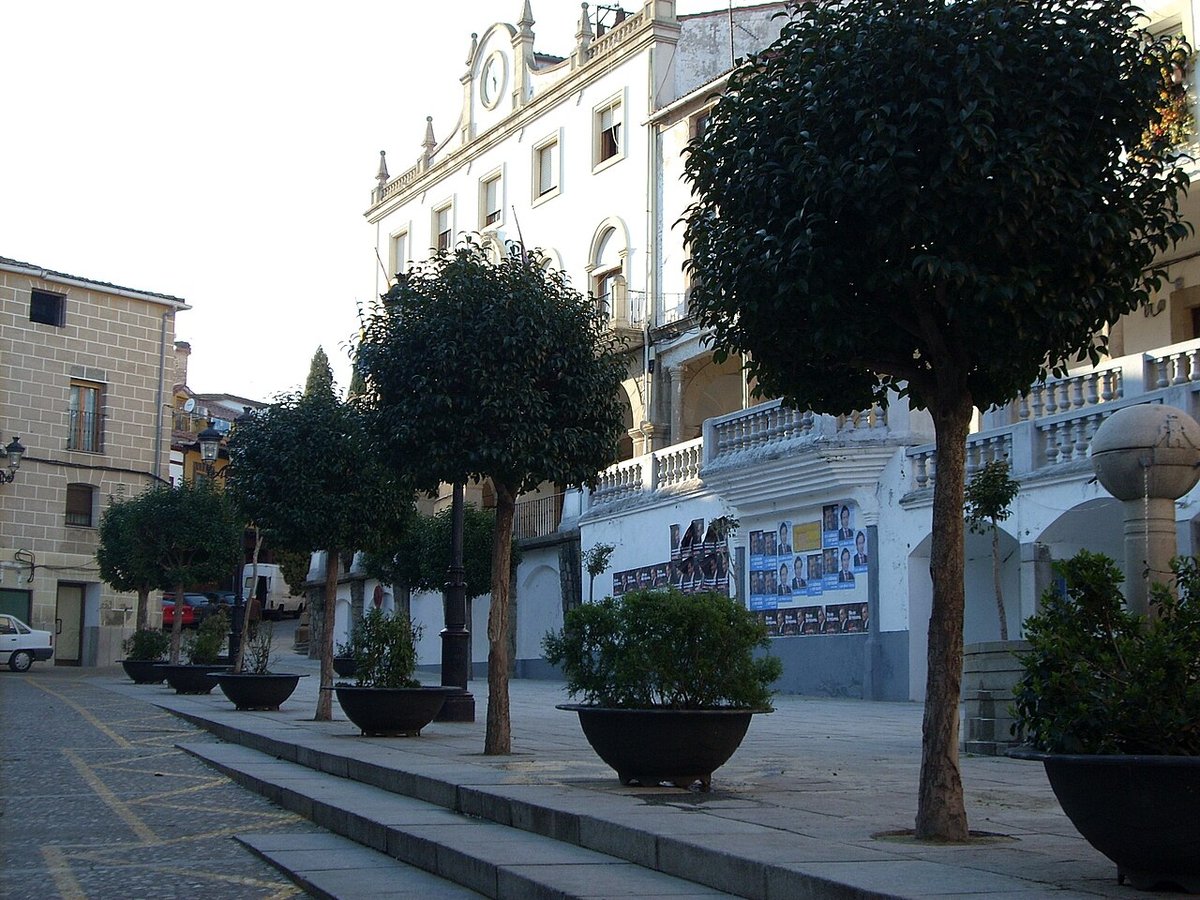
The houses follow a pattern seen across many villages in La Vera. Stone walls, dark timber on balconies and overhanging upper floors, and roofs that extend just far enough to shield against rain. Decoration is minimal. What you see responds more to need than to display.
At the centre stands the parish church dedicated to San Pedro, dating back to the 16th century. Its bell tower carries across the whole village when it rings, marking hours and celebrations in a way that still feels present. Around it, the streets are short and often steep, encouraging a slower pace. In summer, many doors are left open to let air move through the interiors.
Following water through paths and mills
A short walk from the centre brings you to footpaths that follow the course of the gargantas flowing down from Gredos. These are mountain streams, sometimes narrow between rocks, sometimes widening into pools where the water settles before continuing downhill.
In places, the remains of old hydraulic mills still stand, now in ruins or partly overtaken by vegetation. For a long time, they were part of everyday life here, used to grind grain from nearby harvests.
The paths are often lined with dry stone walls that divide small plots of land. Between them grow oaks, chestnuts and low scrub. By late autumn, the ground is covered with damp leaves and the smell of wet earth becomes especially strong.
Anyone walking in the area will want sturdy footwear. The routes are not particularly long, but there are steady inclines and sections of loose stone, especially after rain.
Summer life shaped by cold water
When the heat sets in, much of daily life shifts towards the water. The nearby gargantas form natural pools where locals bathe when levels allow. Even in August, the water runs cold, as it comes straight from the peaks of Gredos.
It is better to head there early in the morning or later in the afternoon. At midday, the sun falls directly and shade is scarce outside the riverside woodland.
Food tied to the surroundings
Cooking here remains closely linked to what is grown and raised nearby. In many homes, meals are simple and familiar: patatas revolconas seasoned with pimentón de La Vera, vegetables from kitchen gardens, and cured meats prepared during winter.
In autumn, the surrounding woods often yield níscalos, a type of wild mushroom, and in some years boletus as well. When the season is good, it is common to see people returning with wicker baskets and boots marked by mud.
Roast kid goat tends to appear during family gatherings or village festivities.
A calendar that still revolves around the village
The main celebrations take place around San Pedro at the end of June, when the village gathers near the church and relatives return from elsewhere. In August, there are also evenings of music and activities in the square, something seen across many villages in the region when those who moved away decades ago come back for the summer.
Winter brings a noticeable shift. Fewer people in the streets, smoke rising from chimneys, and a quiet broken mainly by dogs or the sound of the gargantas after heavy rain.
The approach and the changing seasons
The usual way to reach Viandar de la Vera is by road from Plasencia, heading into La Vera and continuing past fields of tobacco, cherry trees and peppers before climbing into the slopes of Gredos. The final stretch follows gentle bends through woodland that turns reddish in autumn.
Spring is the greenest time of year, with abundant water in the streams. Summer centres on swimming in the pools. In autumn, the chestnut groves shift colour for a brief period.
In August, it is worth arriving early in the day and, if possible, during the week. Small villages in La Vera change noticeably at summer weekends.
Viandar does not revolve around major landmarks or spaces designed for large crowds. What it offers is simpler: paths, water, and a pace shaped by the land itself.