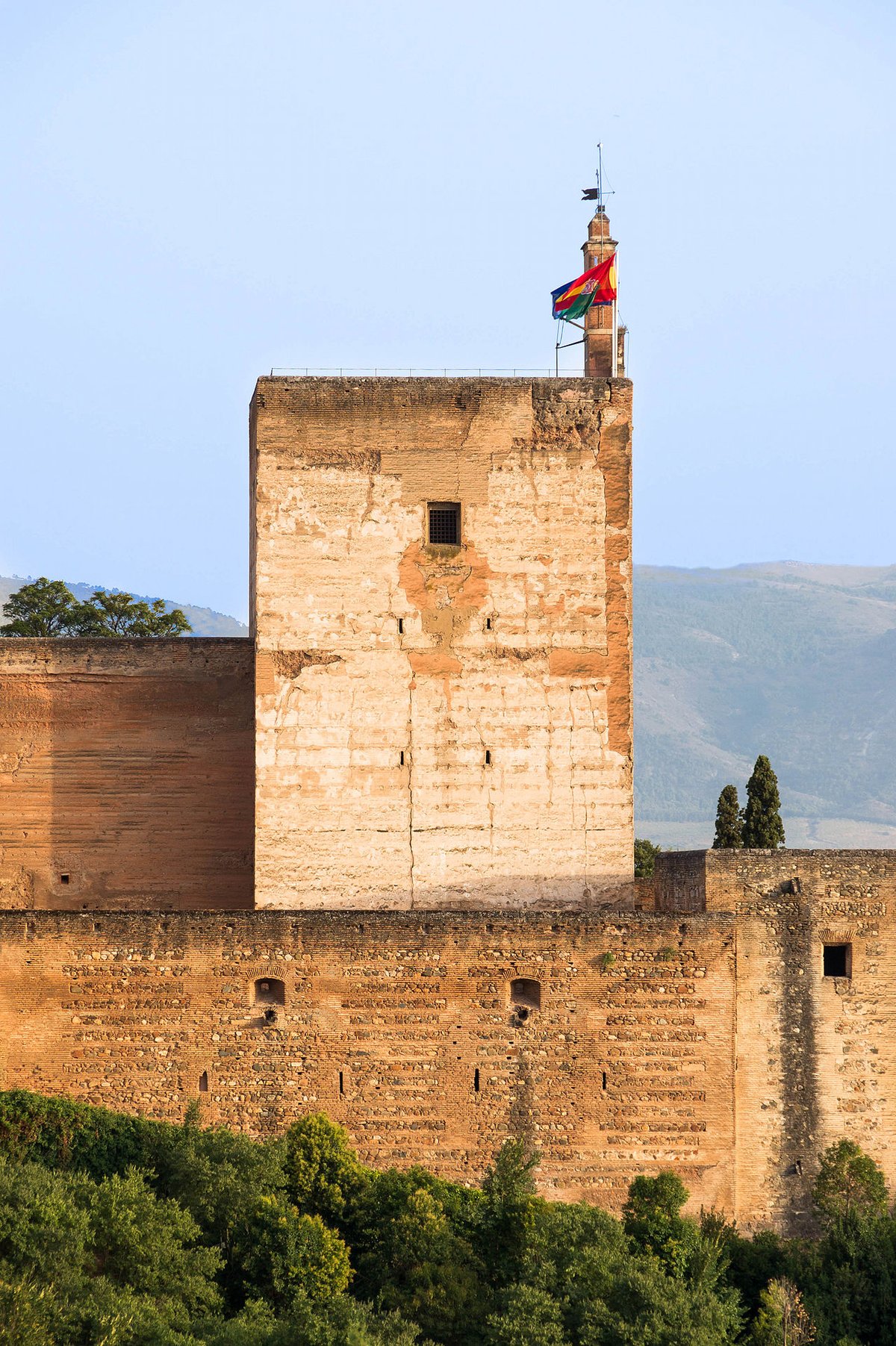
Torre de la Vela Alhambra.jpg
Jebulon · CC0
Extremadura · Meadows & Conquerors

Pinofranqueado

The chemist in Pinofranqueado still weighs aspirin on brass scales from 1953. Ask for paracetamol and the pharmacist will wrap two blister packs in...

1,783 inhabitants · INE 2025
450m Altitude

Why Visit

Mountain Natural pool River swimming

Best Time to Visit

summer

La Enramá (August) agosto

Things to See & Do
in Pinofranqueado

Heritage

  • Natural pool
  • Nature classroom
  • Hamlets

Activities

  • River swimming
  • Las Hurdes hikes
  • Campsite

Festivals
& & Traditions

Fecha agosto

La Enramá (agosto)

Las fiestas locales son el momento perfecto para vivir la autenticidad de Pinofranqueado.

Full Article
about Pinofranqueado

Tourist hub of Las Hurdes with a large natural pool and facilities

Ocultar artículo Leer artículo completo

The chemist in Pinofranqueado still weighs aspirin on brass scales from 1953. Ask for paracetamol and the pharmacist will wrap two blister packs in brown paper, exactly as her grandmother did with cough drops. This is the first clue that you have left the Spain of high-speed trains and €5 cortados somewhere back on the EX-204.

At 450 metres above sea level, the village sits where the southern meseta tips into the granite wall of the Sierra de Gata. The altitude is just enough to shave three degrees off the Cáceres summer, and to funnel Atlantic weather through the valley so that mornings arrive cool and misty even in July. Locals claim—only half-joking—that they keep two coats in the car: one against the sun, one against the cloud that can drop out of a clear sky at teatime.

Stone, Slate and the Sound of Storks

Pinofranqueado was built with what lay underneath it. Pizarra, the blue-grey slate that flakes off the hillsides, roofs the older houses and paves the lanes that tilt towards the river. The stone is soft enough to carve but tough enough to resist the freeze-thaw that cracks concrete; roofs here last a century unless a chestnut branch lands on them. Walk uphill from the small plaza and you can still spot timber balconies sagging under geraniums, their paint the colour of ox-blood and paprika. A few steps further, 1980s brick boxes with PVC windows muscle in, proof that the village never became a museum. The mix jars at first, then feels honest: people live here, they extend kitchens, they add garages. Planning permission is discussed over coffee, not in heritage committees.

The parish church of San Andrés keeps the same slate in its 16th-century walls but ditched the Romanesque doorway in 1962 after the stonework began to shear. Inside, the retablo is unpainted cedar; candle smoke has turned the carved evangelists the colour of strong tea. Sunday mass is at eleven, amplified by a single speaker that crackles like a bus station PA. If you arrive early you will hear the storks clacking on the bell-tower—pairs have nested here since 1983, reversing a century-long absence blamed on wire shooters and drought.

Walking the Hurdan Shelf

Maps call the surrounding terrain “Montes de Pinofranqueado” but walkers quickly discover the land is sliced into hanging valleys that end suddenly in basalt cliffs. The PR-HU 5 footpath starts opposite the football ground, follows an irrigation channel for forty minutes, then climbs 250 metres through sweet-chestnut coppice to the Ermita de la Virgen de la Luz. From the tiny porch you can see the whole village laid out like a cardboard model, the slate roofs reflecting silver after rain. Beyond, the Alagón river is a green ribbon 300 metres below; buzzards ride the thermals at eye-level.

The circuit back down passes the Fuente de los Doce Caños, a spring that never drops below 11 °C even when August is frying eggs on car bonnets. Fill a bottle—no need to treat it—then continue to the natural pools of Ovejuela where the water has carved smooth basins deep enough for a proper swim. Weekends bring families from Plasencia, but on a Tuesday morning you may share the spot only with a pair of grey wagtails. If cars line the verge, drive another five minutes to Chorro de la Meancera; the track is rough but the reward is a waterfall you can stand under like a cold shower.

Winter rewrites the deal. Daytime temperatures can stay at 8 °C for weeks, and night frost turns the slate roofs into skating rinks. The EX-204 is kept open with grit, but the smaller road to Ladrillar becomes a toboggan run after December rain. January and February are for chestnut-log fires, migas fried in chorizo fat, and short circular walks that finish at the bar before the sun drops behind the sierra. Accommodation shrinks to two casas rurales with wood-burners; the third place shuts from November to March because the owner refuses to pay for diesel heating.

What Arrives on the Back of a Truck

Pinofranqueado has no daily market, just a mobile fish van that reaches the plaza at 10:30 every Tuesday and Friday. Locals check the blackboard for “rodaballo” (turbot) or “boquerones” (white anchovies) brought up from the coast in polystyrene boxes. If you miss it, the Supermercado Cristina stocks UHT milk, tinned asparagus and three types of chorizo; don’t expect fresh basil or hummus. The shop closes at 14:00 sharp—owner María has lunch to prepare—and stays shut until 17:00. On Sunday the metal shutter never lifts at all.

Evenings belong to the two bars that face each other across the main road. Both serve draught Estrella at €1.60 a caña, both keep the television on mute, and neither accepts cards for under €10. Order a ración of patatera, a soft paprika-coloured spread that tastes like smoky pâté; scoop it onto bread while you work out whether the barman is watching the bull-replay or WhatsApping his daughter in Madrid. Food appears when the family kitchen is ready—expect a fifteen-minute wait that stretches to thirty if a neighbour drops in for lottery tickets.

When the Valley Turns Bronze

Mid-October is the hinge of the year. Morning fog lifts to reveal chestnut leaves the colour of burnt toast, and the air smells of moss and wood-smoke. The castañada festival arrives on the second Saturday: free roasted chestnuts handed out in paper cones, new wine drawn from barrels in the co-op cellar, and teenagers practising traditional dances they learned that morning. By 23:00 the plaza smells of anise and damp wool; someone produces a tambourine, someone else a guitar with three strings missing. British visitors often compare it to a Somerset apple-wassail minus the morris sticks—same communal goodwill, fewer health-and-safety cones.

Spring offers the opposite palette. Wild cherries flower along the lanes in March, followed by rockrose and lavender that splatter the hillsides with white and violet. Temperatures hover in the low twenties, ideal for the 12-kilometre walk to the abandoned village of Monsagro along a mule track paved in the 1800s. You will meet more Iberian magpies than humans, and the only sound is the click of hooves from a goatherd moving his flock to higher pasture.

Getting There, Getting Cash, Getting Out

The drive from Cáceres takes ninety minutes if you resist the sat-nav shortcut that dumps you onto a single-track concrete strip. Stay on the A-66 to Plasencia, pick up the EX-204 towards Vegas de Coria, then follow signs for Pinofranqueado on the C-501. Buses run twice daily except Sunday; the 15:00 service from Salamanca arrives at 18:45 after forty-three stops and one driver change. Bring cash—the village ATM, installed in 2009, still suffers nervous breakdowns when more than three people queue. The nearest working machine is twenty-two kilometres away in Nuñomoral; the bar owner will give directions, but only after he finishes his coffee.

Leave time for the night sky. Streetlights are switched off at midnight to save the council €3,400 a year, and the darkness is total. On a clear evening the Milky Way spills across the valley like smoke from a billion distant camp-fires. Stand in the plaza, tilt your head, and you will understand why half the British walkers who come for a weekend end up staying the week. They claim it is the silence they came for, but really it is the moment when the galaxy feels close enough to touch, and the village below it decides not to change a thing.

Key Facts

Region
Extremadura
District
Las Hurdes
INE Code
10146
Coast
No
Mountain
Yes
Season
summer

Livability & Services

Key data for living or remote work

2024
ConnectivityFiber + 5G
HealthcareHospital 23 km away
EducationElementary school
Housing~5€/m² rent · Affordable
Sources: INE, CNMC, Ministry of Health, AEMET

Planning Your Visit?

Discover more villages in the Las Hurdes.

View full region →

More villages in Las Hurdes

Traveler Reviews