Full Article
about Cáceres
UNESCO World Heritage city with one of Europe’s most intact medieval and Renaissance quarters.
Ocultar artículo Leer artículo completo
The storks win every time. Perched on twelfth-century battlements above Plaza Mayor, they survey the evening parade of Extremaduran wine glasses and crisply fried pork while tourists below crane necks upward, cameras forgotten. Those stone towers have seen Romans, Moors, conquistadors and now British week-enders stepping off the Madrid coach, but the birds still run the skyline.
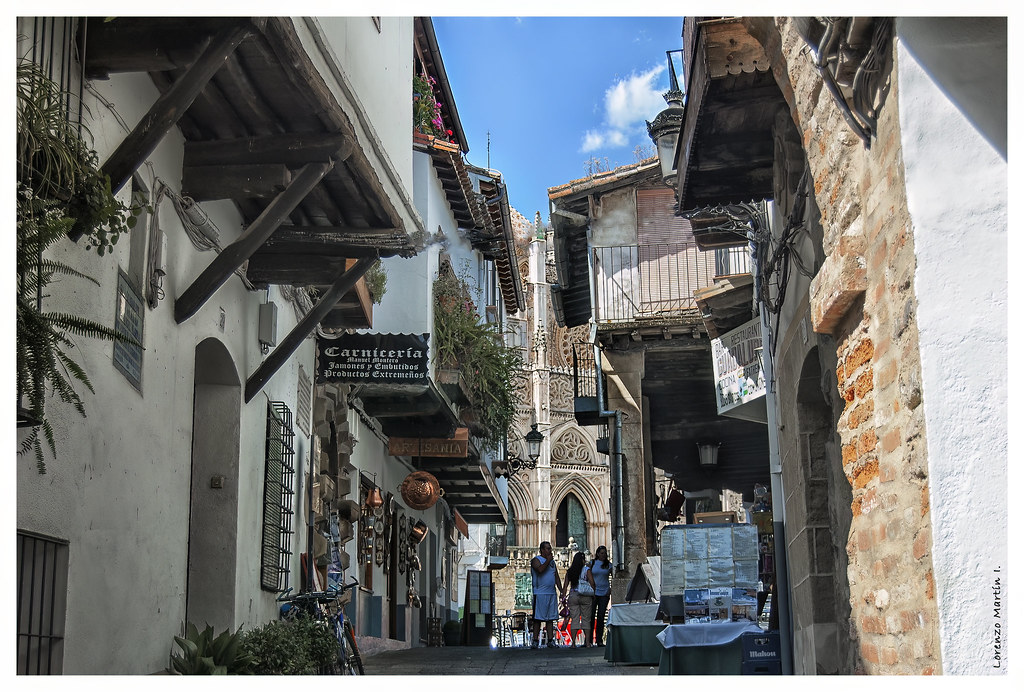
Cáceres sits 459 m above Spain's dusty western tableland, high enough for night temperatures to drop even in July, when midday hits 40 °C. The old town is built from the same granite that pushes through local pasture, so houses, churches and a double belt of wall appear hewn from a single ridge. The effect is severe, almost monochrome—until restaurant doors swing open and ochre patios spill light onto the lanes.
Walking Through Five Centuries Before Lunch
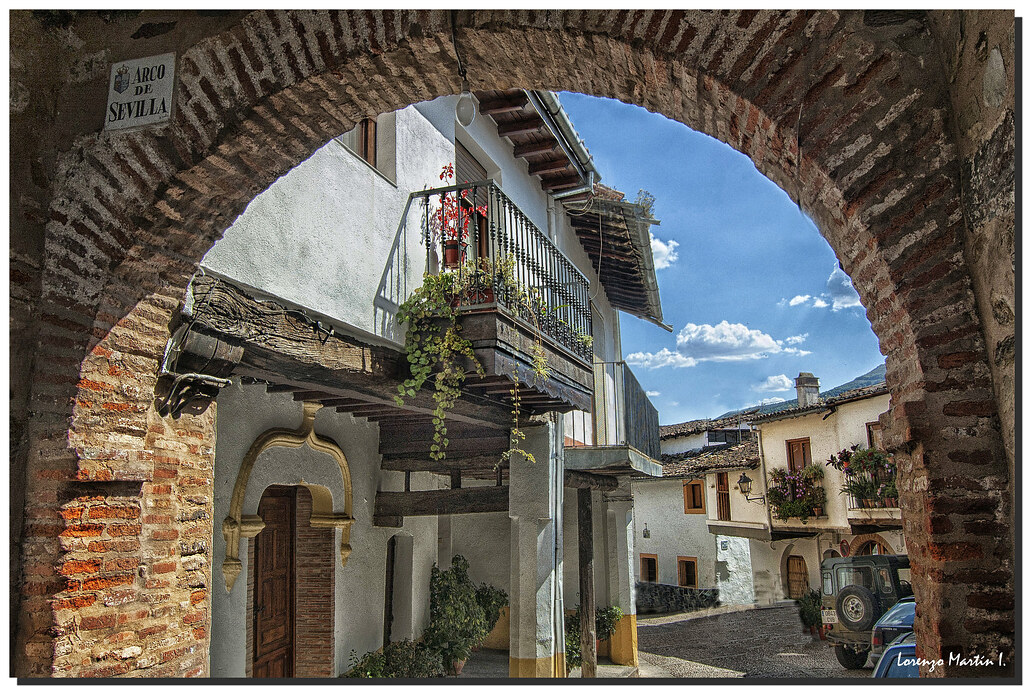
Enter by Arco de la Estrella, a Renaissance incision in Islamic stone, and you're in a traffic-free grid where balconies barely project beyond arm's reach. Palacio de Carvajal has an interior courtyard of orange trees open to visitors (free, 09:00–19:00); step inside and street noise drops to pigeon wings and running water. Two minutes away, Casa de las Veletas shelters an 11th-century cistern so well preserved that schoolchildren float paper boats on the thin film of water left for atmosphere. The cathedral tower costs €4 and demands 124 steps; the reward is a 360-degree roofscape unchanged since the Catholic Monarchs garrisoned the place.
Most ecclesiastical doors stand ajar with no ticket desk in sight—check first, pay second, or you may queue twice. English captions are patchy; a £3.50 audio guide from the tourist office (Plaza Mayor, west side) fills the gaps without sounding like a university lecture.
Food That Outweighs the Siesta
Menus here are written for farmers, not food bloggers. A €12 menú del día brings three courses, bread and either wine or water; expect migas (fried breadcrumbs with garlic and bacon) followed by cordero a la estaca, lamb slow-roasted over holm-oak embers. Torta del Casar, the local runny sheep cheese, arrives in its own terracotta dish; scoop it like fondue or wear it on your chin—there's no dignified method. Vegetarians survive on gazpacho, salads and the reliable tortilla, though options double during WOMAD (first weekend in May) when the town fills with musicians and their meat-free riders.
Sweet teeth should queue at Convento de San Pablo before 11:00; cloistered nuns sell almond biscuits (pastas de almendra) through a wooden turntable, €9 a box, no haggling. The transaction is conducted in whispers; speak up and the hatch snaps shut.
Heat, Cobbles and Other Honest truths
Summer sightseeing is a morning sprint. By 13:00 stone radiates stored heat back at you; locals retreat until 18:00. Flat-soled shoes help—Cáceres was built for horses, not heels—and a refillable bottle is essential; public fountains dotted around the Judería supply potable water. Monday shuts most museums, so plan a countryside day: Los Barruecos, 15 km west, has prehistoric monoliths and nesting storks framed by granite boulders, while Monfragüe National Park offers vulture-spotting walks along 200-metre cliffs.
Parking beneath Plaza Mayor costs €14 a day and saves a hunt for shrinking street spaces. Arriving by train is possible—Mérida-bound services stop here—but the three-hour journey from Madrid feels Victorian beside the 2 h 45 min ALSA Supra coach with Wi-Fi and extra leg-room.
Festivals Worth Timing (or Avoiding)
Holy Week turns lanes into a candle-lit tunnel of hooded processions; photographers love it, claustrophobics hate it. Book accommodation early or stay in nearby Trujillo and bus in. San Jorge (23 April) fires off a mock dragon-slaying and medieval fair in the main square; noise ricochets off stone until 02:00, so request a room facing the patio if you value sleep. October's classical theatre festival stages Plautus in Roman courtyards—tickets from €18 and surprisingly few Brits in the audience, despite bilingual subtitles.
Winter is crisp but manageable—daylight temperatures hover round 12 °C—and hotel prices halve. The downside: some rural restaurants close, and short days compress sightseeing into six hours.
Beyond the Walls
The new town, spread below the citadel, supplies supermarkets, chemists and a Saturday flea market where leather jackets cost €20 and the accent is pure cowboy movie. A 30-minute drive north reaches dehesa ranchland; family-run fincas offer half-day ham walks that end with jamón ibérico carved straight off the haunch and a glass of robust red from the Ribera del Guadiana co-operative. Drivers should fill up before leaving the city—petrol stations are sparse on the plains.
Back inside the walls, the Parador hotel occupies a 14th-century palace; even non-guests can sip coffee beneath a former throne room for the price of a Starbucks. Night owls head to Calle Pintores for gin-tonics measured by the centimetre; Spanish measures are generous, so the ice often arrives after the spirit.
Leaving Without the Souvenir Regret
Cáceres won't hand you Instagram moments on a plate; details reveal themselves slowly: a Roman capital reused as a doorstep, a coat of arms hacked off during Napoleon's occupation, the smell of fresh bread drifting from an unmarked Judería bakery. Buy the cheese, the biscuits and a bottle of local pitarra wine (under €10, drink within the year), then remember to look up one last time—those storks will still be there, unmoved by your departure, already planning tomorrow's aerial display.