Andarrios chico, sandpiper (Actitis hypoleucos).jpg
Extremadura · Meadows & Conquerors

Sierra de Fuentes

Halfway along the EX-106 the road climbs a low basalt ridge and the hire-car suddenly feels redundant. Through the windscreen the Llanos de Cáceres...

2,081 inhabitants · INE 2025
428m Altitude

Why Visit

Los Hornos Center Visit the Wildlife Center

Best Time to Visit

spring

Christ Festival (September) septiembre

Things to See & Do
in Sierra de Fuentes

Heritage

  • Los Hornos Center
  • Sierra de Fuentes Cliff
  • Church

Activities

  • Visit the Wildlife Center
  • Hike up El Risco
  • Local food

Festivals
& & Traditions

Fecha septiembre

Fiestas del Cristo (septiembre)

Las fiestas locales son el momento perfecto para vivir la autenticidad de Sierra de Fuentes.

Full Article
about Sierra de Fuentes

Close to the capital; home to the Los Hornos Wildlife Recovery Center

Ocultar artículo Leer artículo completo

The View that Makes You Downshift

Halfway along the EX-106 the road climbs a low basalt ridge and the hire-car suddenly feels redundant. Through the windscreen the Llanos de Cáceres roll out like a yellow ocean until they dissolve into haze. Sierra de Fuentes sits right on the lip, 428 m above the plain, and the first thing you notice is the hush: no motorway, no irrigation pivots, just a single stork turning on a thermal. Park by the cemetery wall and the only soundtrack is the click of cooling metal and your own boots on grit.

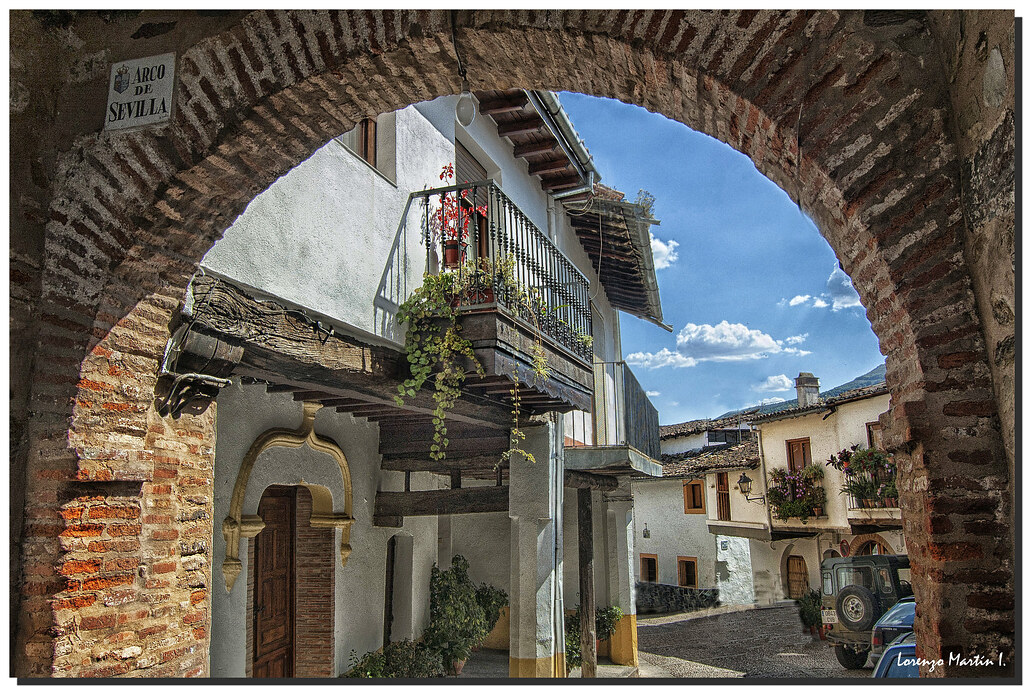
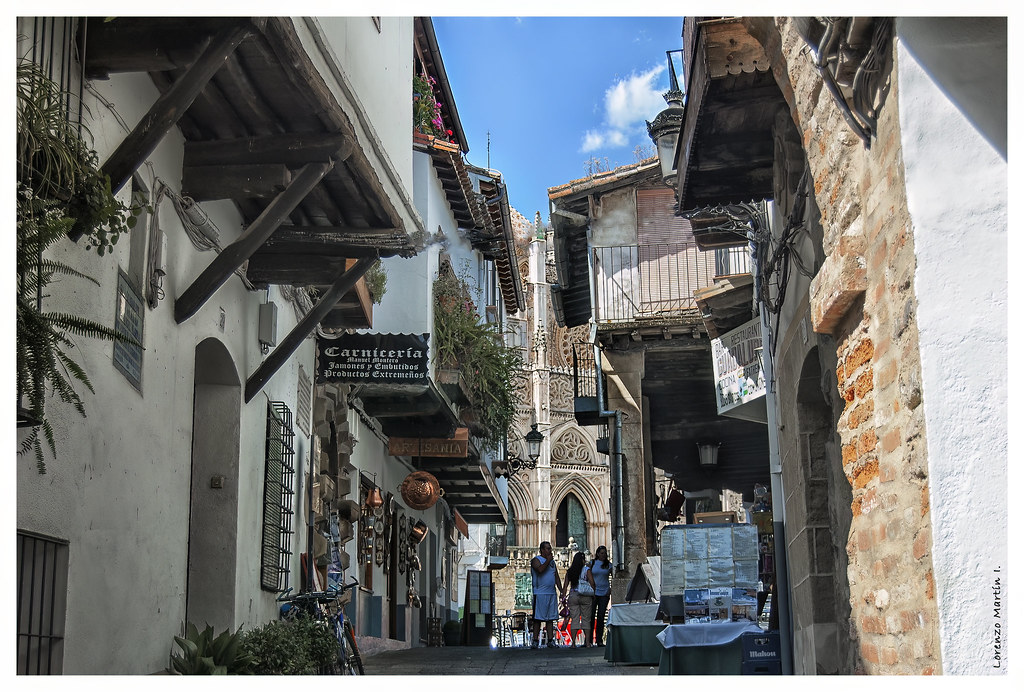
The village proper begins at a fork where the tarmac turns into Calle de la Constitución. Houses are low, whitewashed, with grilles the colour of oxidised copper. A man in overalls is hosing the dust off his doorstep; he nods, but doesn’t break stride. By the time you reach the small square the thermometer on the pharmacy wall reads 34 °C in late May—hot, yet nothing like the 42 °C that bakes the plain below. The altitude shaves off the worst of the Extremaduran furnace, which is why locals from Cáceres keep weekend cottages here.

What Passes for a Skyline

The parish church of Nuestra Señora de los Remedios was finished in 1570 and looks it: heavy stone bell-tower, roof tiles the colour of burnt toast, swallows nesting in the corbels. Inside, the air smells of candle wax and floor polish rather than incense. A side chapel holds a doll-sized Virgin dressed in brocade; someone has left a plastic tub of carnations and a half-bottle of water to keep them fresh. There’s no admission charge, no audio-guide, just a printed A4 sheet in Spanish explaining that the retablo was gilded with New World silver. English signage is non-existent—Google Translate and good manners suffice.

Behind the altar a door opens onto a tiny museum of vestments. The caretaker will unlock it if you ask at the town hall opposite; she keeps the key in her handbag and expects a two-euro donation for the roof fund. The embroidered 18th-century chasuble is worth the climb up the narrow stairs, even if you’ve no interest in ecclesiastical tailoring: gold thread still glints like fish-scales under the fluorescent tube.

Lamb, Lard and Local Wine

Lunch options are limited to three bars, all on the same 100-metre strip. Casa Antonio tapes a hand-written menu to the door each morning; if the chalk says “caldereta”, order it. The stew arrives in a shallow clay bowl, thick with melting chump ends of local lamb, a faint trace of smoky pimentón curling off the surface. A plate of patatas revolconas—paprika mash flecked with crisp pork belly—costs €4 and could halt a ploughman. Ask for a “jarra” of house red and you’ll get a half-litre of pitarra wine poured from a glazed jug; it tastes like Beaujolais left in a saddlebag, but at €3.50 resistance is futile.

Vegetarians should lower expectations. One bar will do scrambled eggs with wild asparagus in season (March–April), otherwise it’s tortilla or exile. Everything shuts at 4 p.m.; the barman pulls the metal shutter even if you’re still sipping. Plan accordingly, and buy emergency quince jelly and sheep’s cheese in the little grocer’s before the siesta bell rings.

Walking the Dehesa

Sierra de Fuentes is less a destination than a launch pad. At the northern edge of the village a cattle grid marks the start of the Cañada Real Leonesa, an ancient drove road that once funnelled merino sheep to León. The track is graded gravel, fine for trainers, and within twenty minutes the last rooftop has vanished behind holm oaks. Distance is deceptive: the plain looks flat, yet the horizon keeps retreating. Carry more water than you think—shade arrives only when the sun drops—and watch for darting rabbits that can snap an ankle in a rut.

After 6 km you reach an abandoned stone shelter; the map calls it Casar de La Encina, though there’s no village, just a trough fed by a spring. The water is potable, but UK stomachs may balk. Turn round here for a 12 km round trip, or press on another 4 km to a granite outcrop nicknamed “El Risco” where griffon vultures nest. Mobile signal dies halfway, so download an offline track before setting out. In July and August the council bans walking after 11 a.m. following a German tourist’s heat-exhaustion incident; the Guardia Civil will turn you back at the barrier.

Night-time at 500 Inhabitants

By nine the temperature has fallen to 22 °C and the square fills with folding chairs. Grandparents fan themselves; children chase a football between the plane trees. The only bar still open switches to table service, bringing trays of ice-cold beer while the waiter watches the football replay on a cracked telly. Order a “copa” of local pitarra white and it arrives in a liqueur glass—no measures, no pretension.

Light pollution is negligible. Walk 200 metres past the last streetlamp and the Milky Way spills across the sky like tipped sugar. British astronomers bring tripods in autumn when humidity drops and nights are already chilly enough for a fleece. Expect a sharp frost by December; the village briefly doubles in population when Cáceres families drive up to watch the children scrape the windscreens—novelty at 428 m.

The Practical Bits that Matter

Sierra de Fuentes is 25 km west of Cáceres, 30 minutes on the EX-106. A hire car is essential; there’s no petrol station, and the Monday morning bus to the regional hospital is for locals only. Accommodation is self-catering: a dozen village houses on Airbnb, prices £65–£110 per night for two bedrooms, most with roof terraces and plunge pools. Bring pool towels—owners leave only one each and the Chinese shop in Cáceres sells them for €7 if you forget.

Shops observe medieval hours: open 09:00–14:00, closed until 17:30, then 18:00–20:30. Bread is baked at 07:00; by 11:00 the crust is concrete. The nearest supermarket is a Carrefour in Cáceres, so stock up before you leave the ring-road. Phone reception on Vodafone and EE is patchy on the north side of the ridge; Movistar gives three bars almost everywhere.

When to Come, When to Stay Away

April–mid-June is prime time: the dehesa is neon green, temperatures hover round 24 °C, and storks clatter on every chimney pot. Late September brings the fiesta patronal: brass bands, processions, and a pop-up funfair that blocks the only through-road. Rooms are booked months ahead; if you dislike bingo loudspeakers, avoid.

Mid-July to August is fierce. Daytime 38 °C is normal, the village pool is rammed with shrieking day-campers from Cáceres, and bars run out of ice by 13:00. Winter, conversely, is silent and sharp. Frost glitters on the plain, fireplaces actually burn oak logs, and landlords drop prices by 30 %. The trade-off is shuttered cafés and the possibility of snow that melts into axle-deep mud.

Last Orders

Sierra de Fuentes will not change your life. It offers no Michelin stars, no souvenir tat, no hipster brunch. What it does give is a measured dose of Spanish provincial life at slow shutter speed: a place where bread is still delivered in a wicker basket, where the church bell marks the day, and where the loudest noise at midnight is a dog barking at a tractor headlight on the plain below. Treat it as a quiet HQ for wandering Extremadura—Monfragüe’s vultures, Cáceres’ conquistador palaces, Plasencia’s cathedral are all within an hour—and you’ll leave feeling that someone has turned the volume knob on modern life a quarter-turn lower.

Key Facts

Region
Extremadura
District
Llanos de Cáceres
INE Code
10177
Coast
No
Mountain
No
Season
spring

Livability & Services

Key data for living or remote work

2024
ConnectivityFiber + 5G
TransportTrain 11 km away
HealthcareHospital 7 km away
EducationElementary school
Housing~5€/m² rent · Affordable
January Climate8°C avg
Sources: INE, CNMC, Ministry of Health, AEMET

Planning Your Visit?

Discover more villages in the Llanos de Cáceres.

View full region →

More villages in Llanos de Cáceres

Traveler Reviews