Full Article
about Alconchel
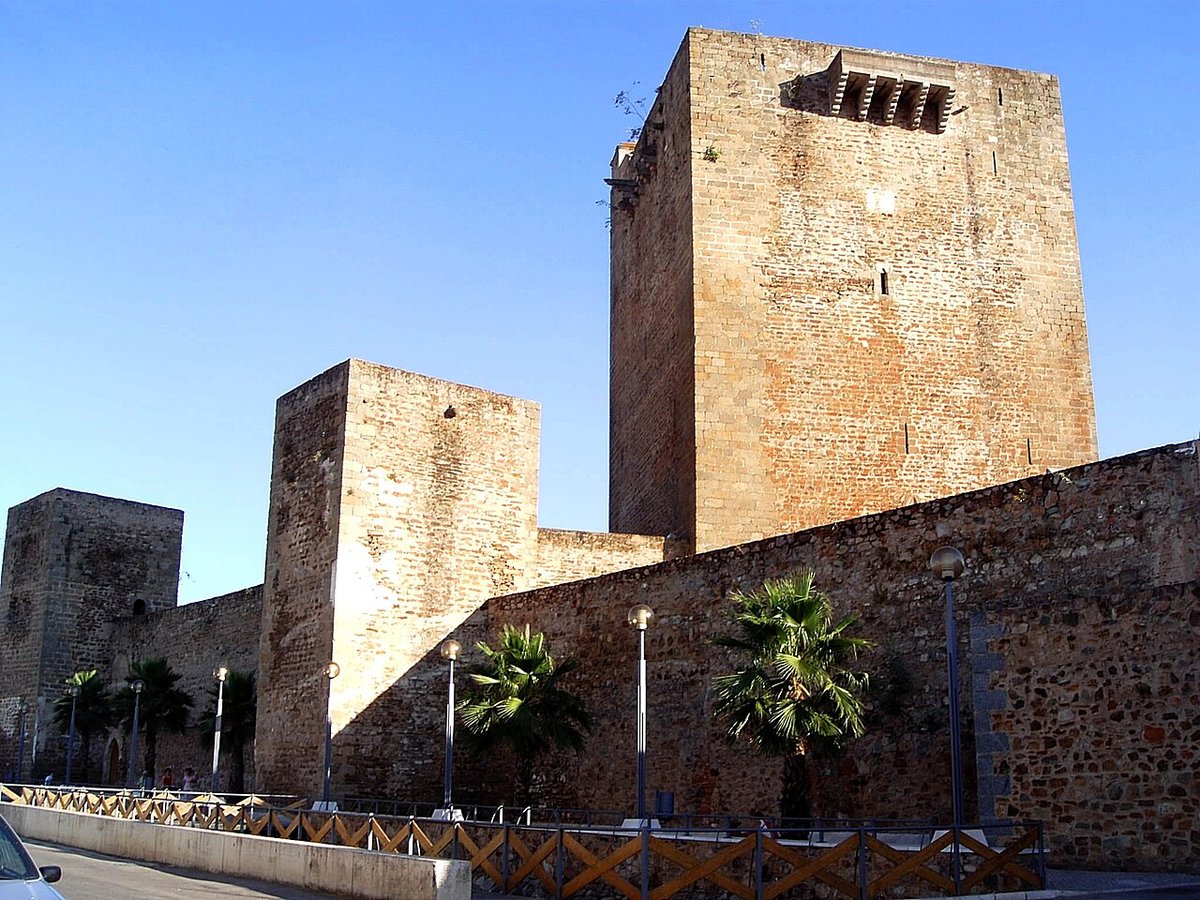
Border town dominated by the imposing Castillo de Miraflores; known for its legends and its dehesa landscape near Portugal.
Hide article Read full article
A village shaped by its setting
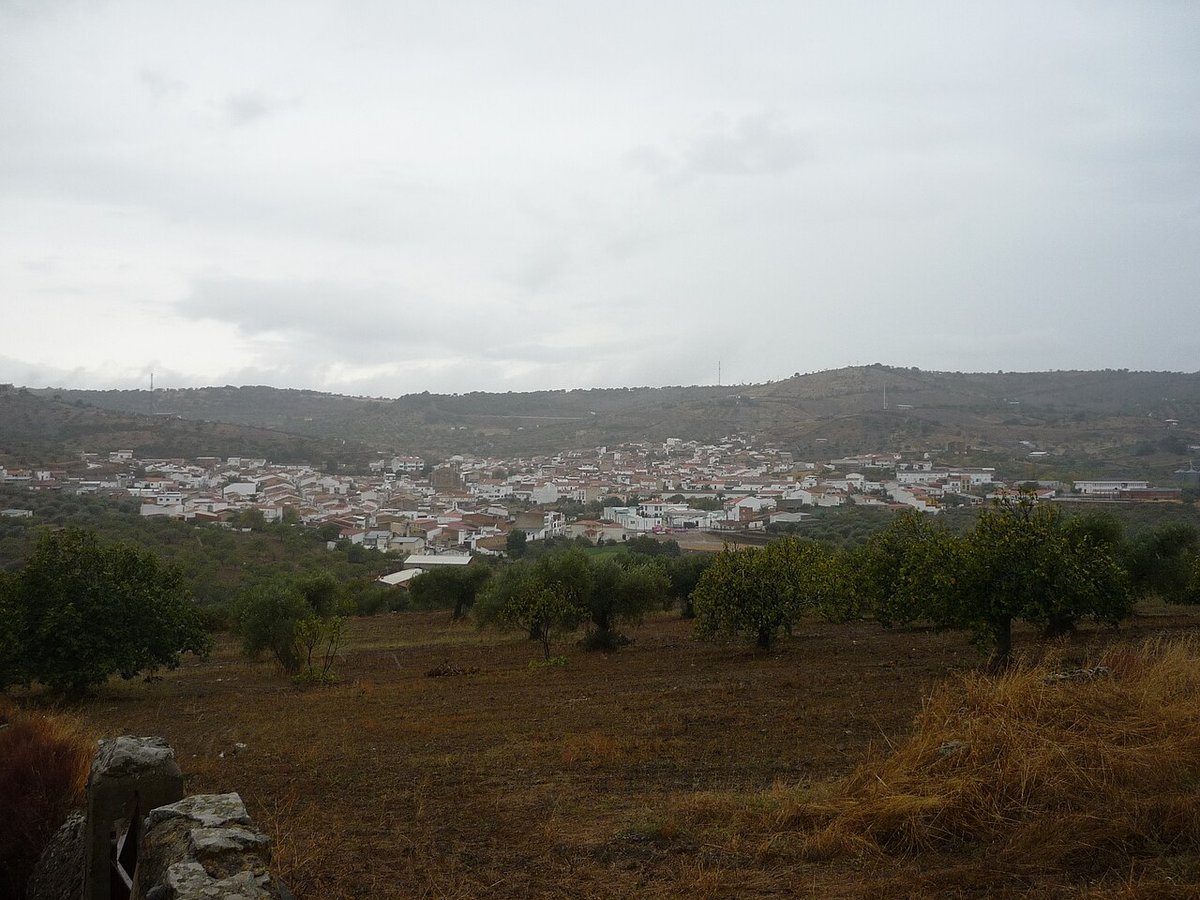
Tourism in Alconchel begins with its location. The village lies in the Llanos de Olivenza, at the western edge of Extremadura, very close to the Portuguese border. This is an open stretch of land with gentle undulations, where dehesas and olive groves dominate the view. With just under 1,600 inhabitants, Alconchel functions today as a small agricultural settlement, still closely tied to that surrounding landscape.
Its position near the border has shaped its history for centuries. This part of the province of Badajoz experienced long periods of dispute between the crowns of Castile and Portugal, and many local settlements emerged or were strengthened in that context. In Alconchel, that defensive logic can still be seen in the castle of Miraflores, which rises on a hill beside the town. The fortress, of medieval origin and at one time linked to the Order of the Temple, overlooks both the village and a wide sweep of the surrounding countryside.
Streets, white façades and San Bartolomé
The layout of Alconchel is compact and easy to explore on foot. Streets are organised around the historic centre and gradually climb towards the castle. Whitewashed houses predominate, usually one or two storeys high, many with stone bases and simple doorways, a style that is widely recognised across this part of Extremadura.
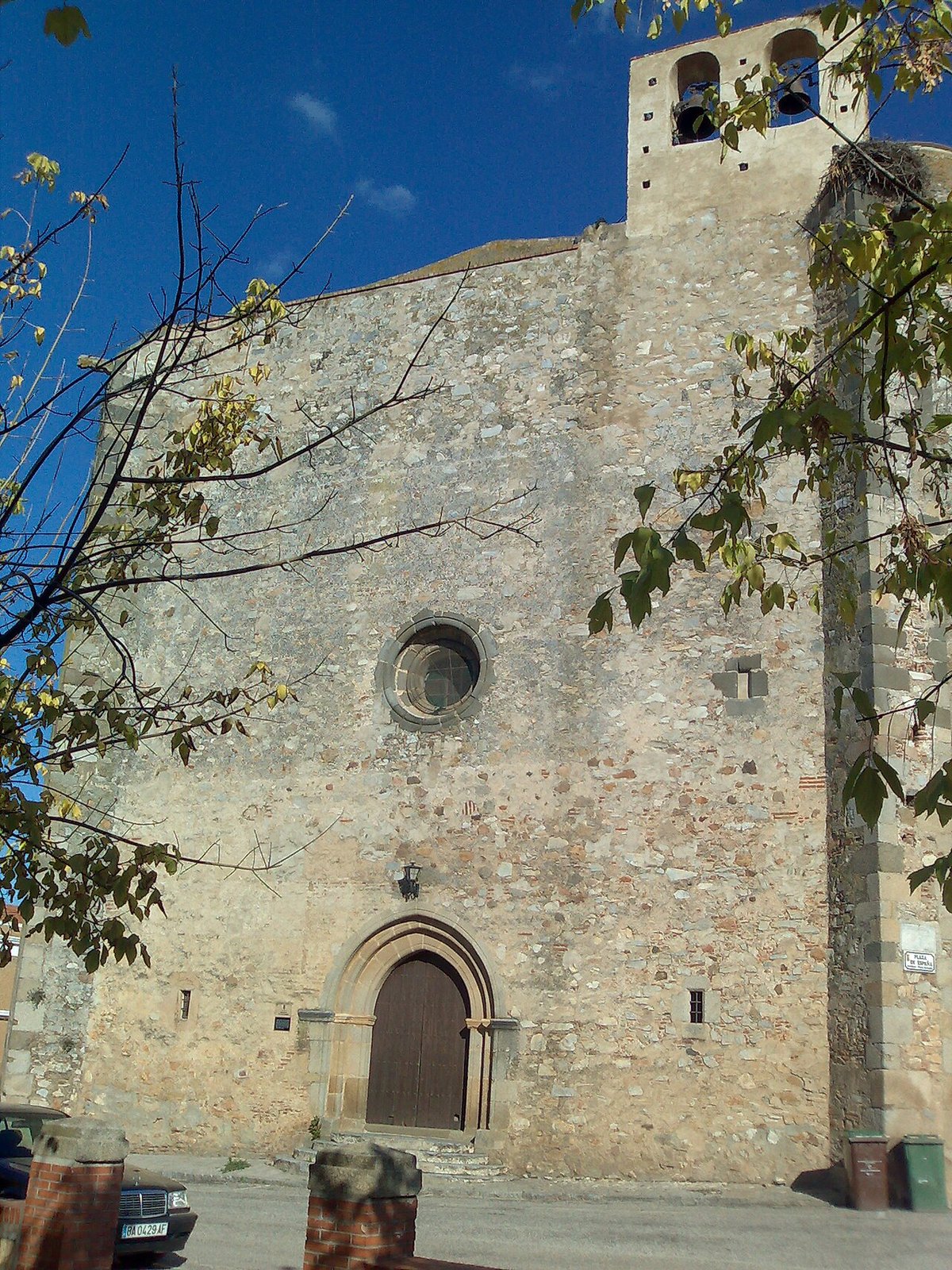
At the centre stands the parish church of San Bartolomé. Built in the 16th century and later altered, it reflects a pattern common in the region, where churches have been adapted over time to meet changing needs. Its white volume and bell tower remain clear reference points within the townscape.
The main square continues to serve as a meeting place in the traditional sense found in many rural towns of Extremadura. It is a space for passing through, for conversation, and for shared celebrations, where daily life and occasional events intersect.
The dehesa landscape
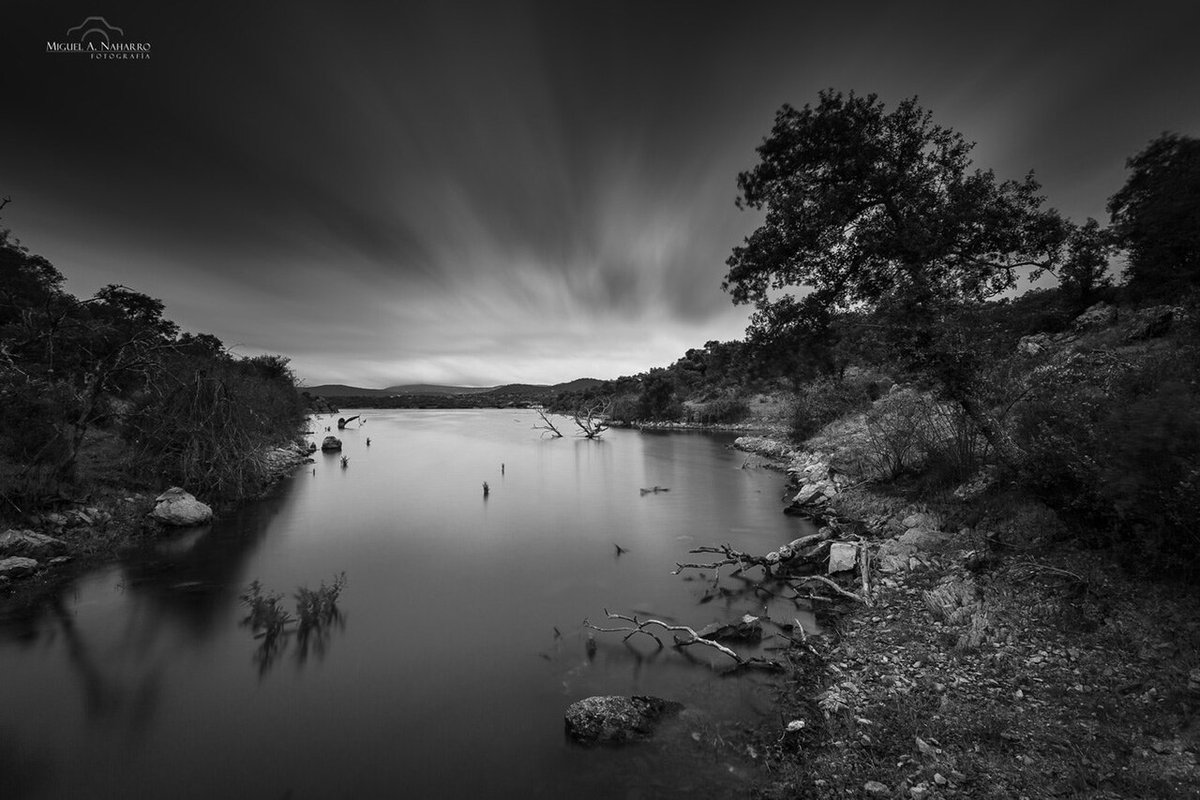
Beyond the edge of the village, the landscape changes very little over long distances. Dehesas of holm oak, cultivated plots and olive groves define the local economy, just as they have done for generations. This is not a rugged or mountainous area but a gently rolling plain, where agricultural tracks link farms, stone enclosures and small ponds.
Walking along these paths reveals how the landscape shifts with the seasons. In spring, the countryside becomes more active and the margins fill with grass. Summer brings intense heat, hardening the ground and concentrating daily activity into the early hours. After winter rains, the tracks can soften and temporary pools appear in lower areas.
There are simple routes around the village, many used daily by farmers and livestock keepers. It is worth checking locally on their condition, as some tracks vary considerably depending on the time of year.
Food rooted in the land
Local cooking follows the same pattern found across much of south-western Extremadura: straightforward dishes based on what the land provides. Olive oil from the area plays a central role, as do traditional preparations such as migas, a dish made from breadcrumbs, and various stews using small game when the season allows.
Iberian pork is another key element, closely linked to the dehesa system that shapes the landscape. In winter, pig slaughtering at home has traditionally been an important moment in family life in many villages of the region, combining food production with social and cultural practice.
Festivities through the year
The main celebrations are dedicated to San Bartolomé and usually take place in August, when many former residents return to the village. During these days, the centre becomes busier than usual and social life moves out into the streets.
Carnival also has a place in the local calendar, with groups in costume and parades passing through the town. As in other villages in the province, Holy Week is marked by observances that remain closely tied to the community.
Getting there and the rhythm of the seasons
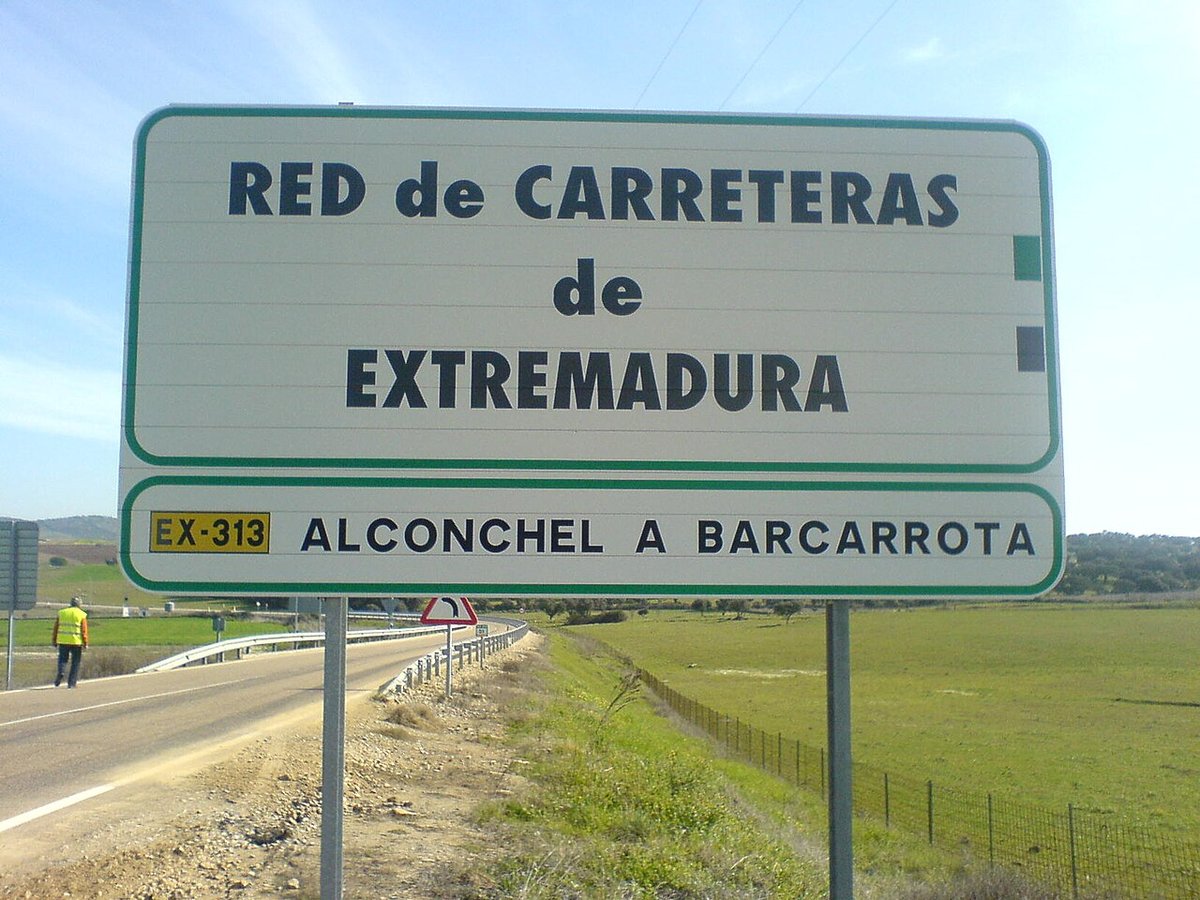
From Badajoz, Alconchel is reached via the EX‑107 road towards Olivenza and then along local roads. The journey takes a little over half an hour and passes through a landscape that is typical of the countryside of Badajoz: open fields, scattered holm oaks and agricultural holdings.
Spring and autumn are generally the most comfortable times to explore the area on foot. Summer heat can be intense, so walks are best planned for early morning or towards evening.