Full Article
about Almendral
A farming and livestock village on the road to Olivenza, known for its parish church and quiet streets.
Ocultar artículo Leer artículo completo
The church bell strikes noon and the village soundtrack switches from sparrows to cicadas. Within minutes, Almendral's single café empties; metal shutters roll down with the finality of a stage curtain. By twelve-fifteen the main square is silent except for the fountain and the low hum of a tractor somewhere beyond the olive groves. This is not siesta as performance for tourists—it's simply how Thursdays work when the mercury brushes 38 °C.
Almendral sits on the flat, wheat-coloured expanse known as the Llanos de Olivenza, fourteen kilometres west of the Portuguese border and roughly halfway between nowhere in particular. The horizon is so wide that storm clouds appear to crawl across it like slow-moving livestock. There is no dramatic gorge, no cliff-top castle, no Instagram-ready mirador—just dehesa woodland, olive plantations and the occasional stone hut whose roof has collapsed into a neat pile of russet tiles.
What the village does have is inertia-proof daily life. Women still whitewash doorstep edges each Saturday morning. The baker arrives with loaves still warm at 8.30 sharp, honking once so customers shuffle out in slippers. In the butcher's, a chalkboard lists the day's cuts alongside a hand-drawn cartoon of a pig wearing sunglasses—an accidental artwork that has been retouched, rather than replaced, for twenty years.
A church, a square, and everything in between
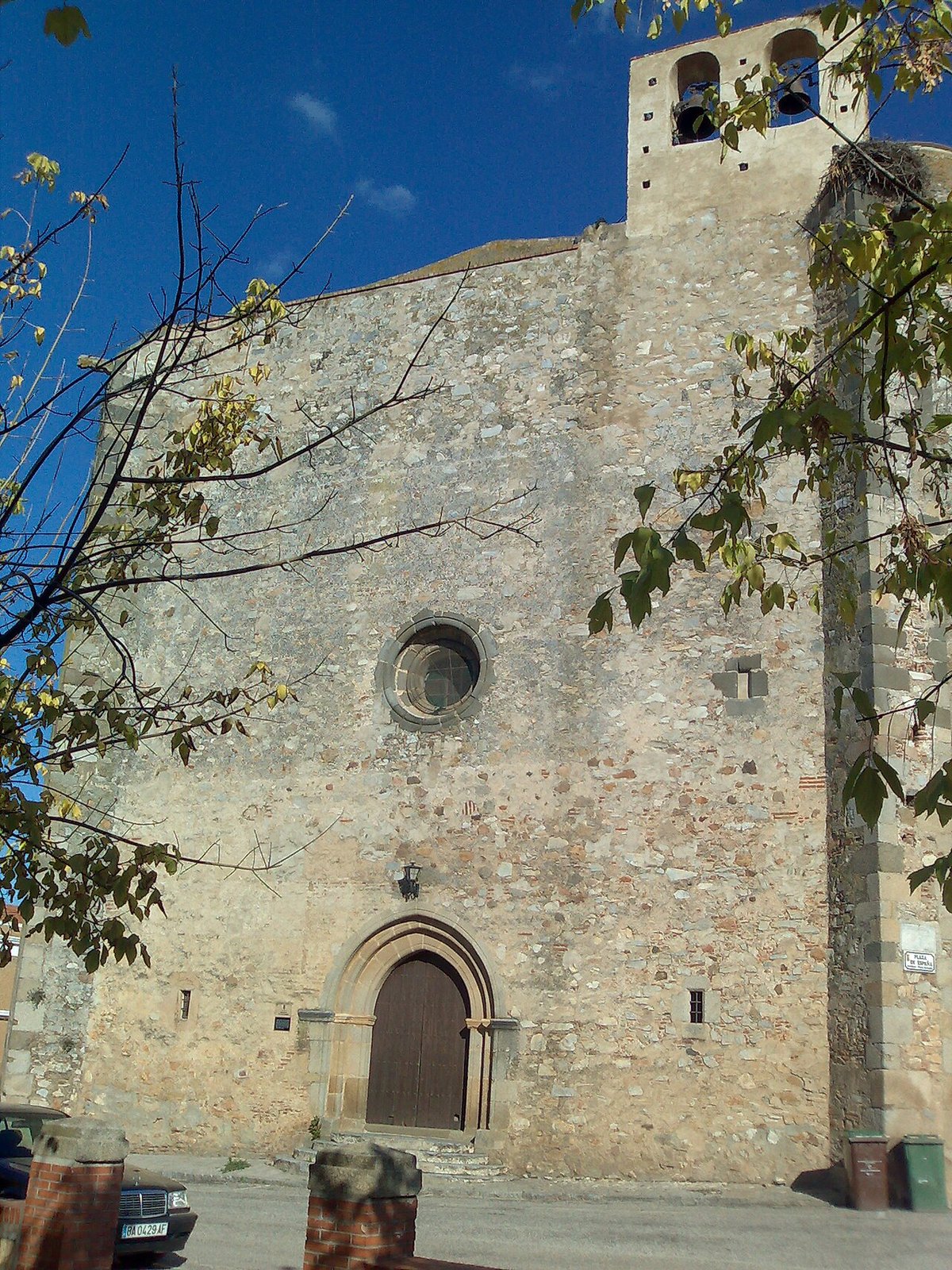
The parish church of San Bartolomé anchors the settlement. Its bell tower leans two degrees north, not enough to rival Pisa but sufficient for locals to joke that even the architecture is relaxed here. Inside, the air smells of candle wax and the floor dips where centuries of feet have worn shallow grooves. Retablos painted in ox-blood and gilt survive from the 1600s; their colours remain fierce because the interior is almost always dim. Sunday mass still draws sufficient numbers that latecomers stand at the back, fanning themselves with missalettes.
Radiating from the church are lanes barely wide enough for a SEAT Ibiza. House fronts alternate between immaculately repainted and gently crumbling. If a door is ajar you glimpse a slice of courtyard: geraniums in olive-oil tins, a caged canary, maybe a grandfather in a vest peeling potatoes for lunch. English is rarely spoken; a greeting of "Buenas" delivered with eye contact works better than phrase-book perfection.
There is no ticketed attraction, no audio guide, no gift shop selling fridge magnets shaped like bulls. The pleasure is purely atmospheric—providing you can tolerate the absence of curated entertainment.
Eating (and drinking) like you mean it
Almendral's culinary offerings fit on the back of a napkin, but what appears is reliably honest. At Bar Avenida, an establishment the size of a London kitchen, Cristóbal flips migas—fried breadcrumbs studded with pancetta and grapes—while recounting how his daughter emigrated to Swindon. A plate big enough for two costs €6; order it before 11.00 am or it runs out. House wine arrives in a plain glass, chilled more than etiquette books advise, and tastes better for it.
The village bakery produces almond tarts whose recipe predates the discovery of sugar substitutes. They travel well and cost €1.20 each, should you wish to smuggle a taste of Extremadura home in hand luggage. For anything fancier, drive fifteen minutes to Olivenza, where Restaurante El Puchero serves ibérico pork cheek so tender it parts company with the fork at a stern glance.
One practical note: lunch service ends at 3.30 pm sharp. Arrive at 3.35 and you will be offered crisps and a sympathetic shrug. Plan accordingly.
Outside the speed limit
The real map unfolds beyond the last streetlamp. Farm tracks, some no wider than a tractor tyre, cut through olive groves planted in ruler-straight lines. Early morning light turns the underside of the leaves silver, so the whole grove appears to shimmer like a school of fish. Spring brings poppies and wild asparagus; autumn smells of bruised olives and wood smoke. There are no way-marked trails, just an open invitation to walk until heat or hunger turns you around. Carry water—there are no kiosks, no mountain rescue, and phone signal dies in the hollows.
Birdlife is understated but constant: hoopoes patrol the verges, serins quarrel in the telephone wires, and black kites circle overhead looking for roadkill. If you prefer your wildlife on a plate, the local hunting season means rabbit and red-legged partridge appear on menus between October and January.
Cyclists appreciate the lack of gradient; you can pedal to neighbouring villages such as Alconchel or Barcarrota without changing gear. Traffic is so thin that a lorry full of pigs merits a wave from passing motorists.
When to bother—and when not to
April and May deliver daytime temperatures in the low twenties and countryside the colour of fresh broccoli. The village fiesta, held around 24 August, imports marching bands, inflatable castles and a temporary bar that stays open until the Guardia Civil suggest otherwise. Accommodation triples in price within a twenty-kilometre radius; book early or time your visit differently.
July and August are furnace-hot. Sensible people follow the local timetable: rise at 6.30, walk or cycle until 10, then retreat behind thick walls with the shutters closed. Activities resume after 7 pm when shadows stretch across the square and the fountain becomes social hub rather than mere decoration. Winter is mild by British standards—think Devon in February—but Atlantic fronts bring horizontal rain that turns the clay tracks into axle-deep glue. Come prepared with wellies or a tolerant hire-car company.
Beds, bolts, and getting here
Hotel Monasterio de Rocamador is the only place actually in the village: eighteen rooms hewn from a nineteenth-century chapel, a small pool and the blessed assurance of parking. Doubles from €70 including breakfast strong enough to restart a heart. Alternative: stay in Olivenza's Parador, a converted fortress where staff speak excellent English and the Wi-Fi actually reaches your device.
Public transport is theoretical. One school bus departs for Badajoz at dawn and returns at dusk; it does not wait for sightseers. A hire car is essential. From Lisbon airport take the A6 eastbound—toll-free and usually quiet—then peel off at Elvas. The journey takes ninety minutes, most of it through cork-oak forest. From Seville allow two hours via the A66 and remember to refuel before the Spanish-Portuguese border; petrol stations thin out dramatically.
The bottom line
Almendral will never feature on a "Top Ten" list because it has no desire to audition. Turn up expecting polished attractions and you will leave within an hour. Stay longer, synchronise with the pace, and the village begins to feel like a deep breath. The olives ripen, the bell tolls, Cristóbal wipes down his bar, and life continues in the unselfconscious way that travel brochures claim still exists—only here, it actually does. Bring sturdy shoes, serviceable Spanish and time to spare; the rewards are small, frequent and entirely genuine.