Lazarillo de Tormes.png
Diego Hurtado de Mendoza (Possibly) · Public domain
Extremadura · Meadows & Conquerors

Barcarrota

The church bells ring at quarter to eleven, not on the hour. That's Barcarrota all over—doing things its own way, three minutes early, four centuri...

3,456 inhabitants · INE 2025
467m Altitude

Why Visit

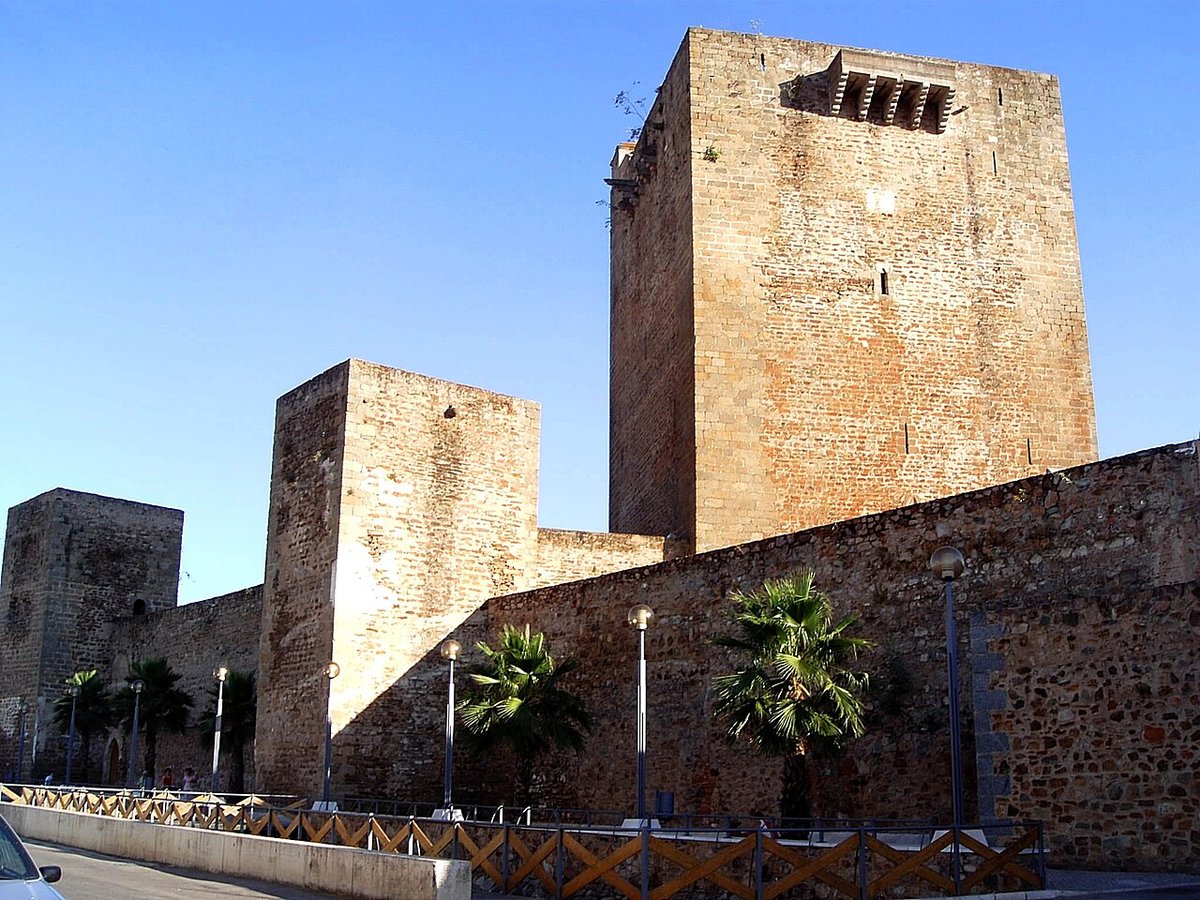
Castle of the Seven Towers Water sports on the reservoir

Best Time to Visit

spring

Patronato Festival (September) septiembre

Things to See & Do
in Barcarrota

Heritage

  • Castle of the Seven Towers
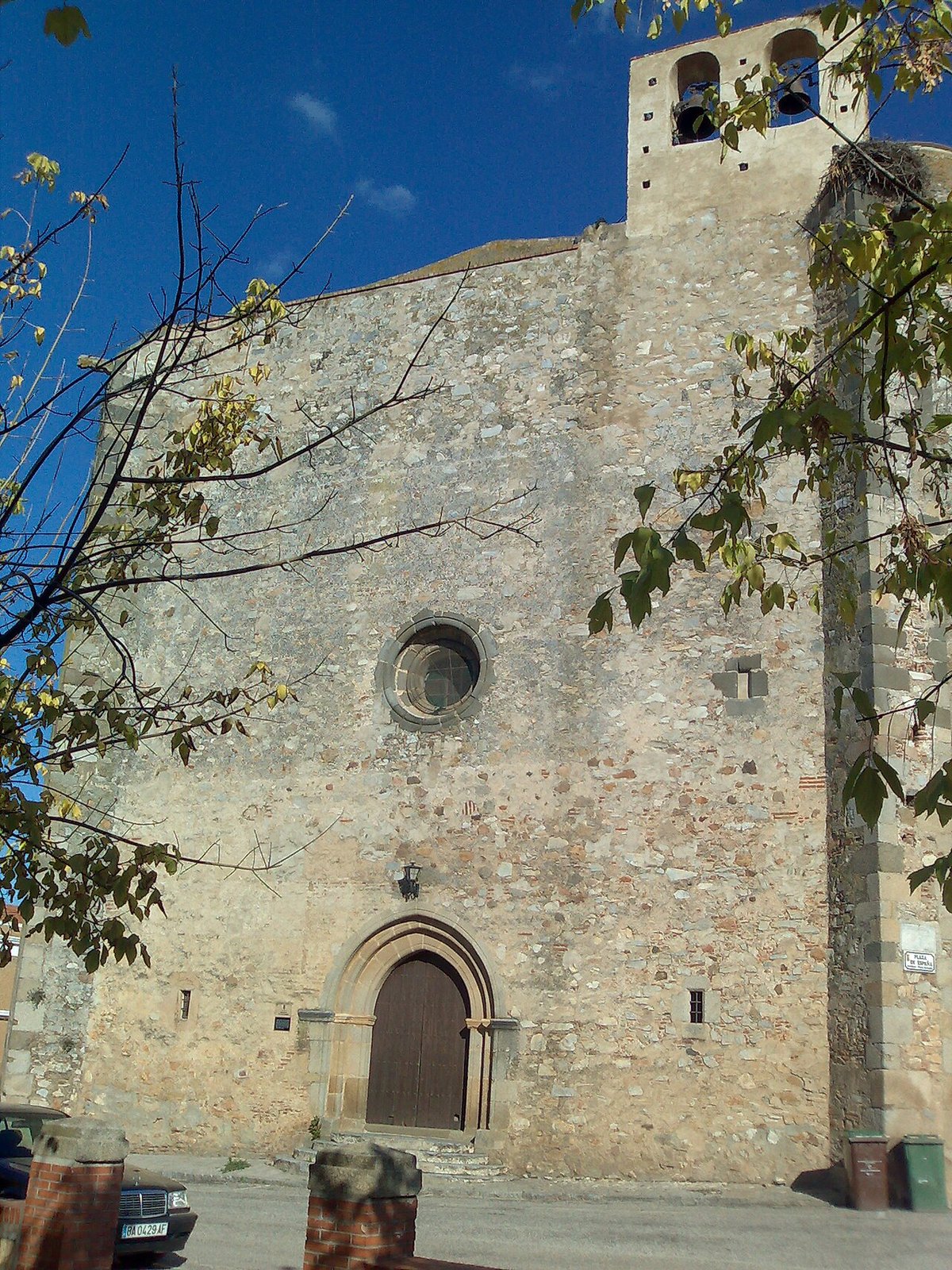
  • Church of Saint James the Apostle
  • Spain Square

Activities

  • Water sports on the reservoir
  • Historic hiking trails
  • Sport fishing

Festivals
& & Traditions

Fecha septiembre

Fiestas del Patronato (septiembre), Certamen Gastronómico del Cerdo Ibérico (abril)

Las fiestas locales son el momento perfecto para vivir la autenticidad de Barcarrota.

Full Article
about Barcarrota

Birthplace of conquistador Hernando de Soto; a town with Templar history and privileged natural surroundings near the Ahijón reservoir.

Ocultar artículo Leer artículo completo

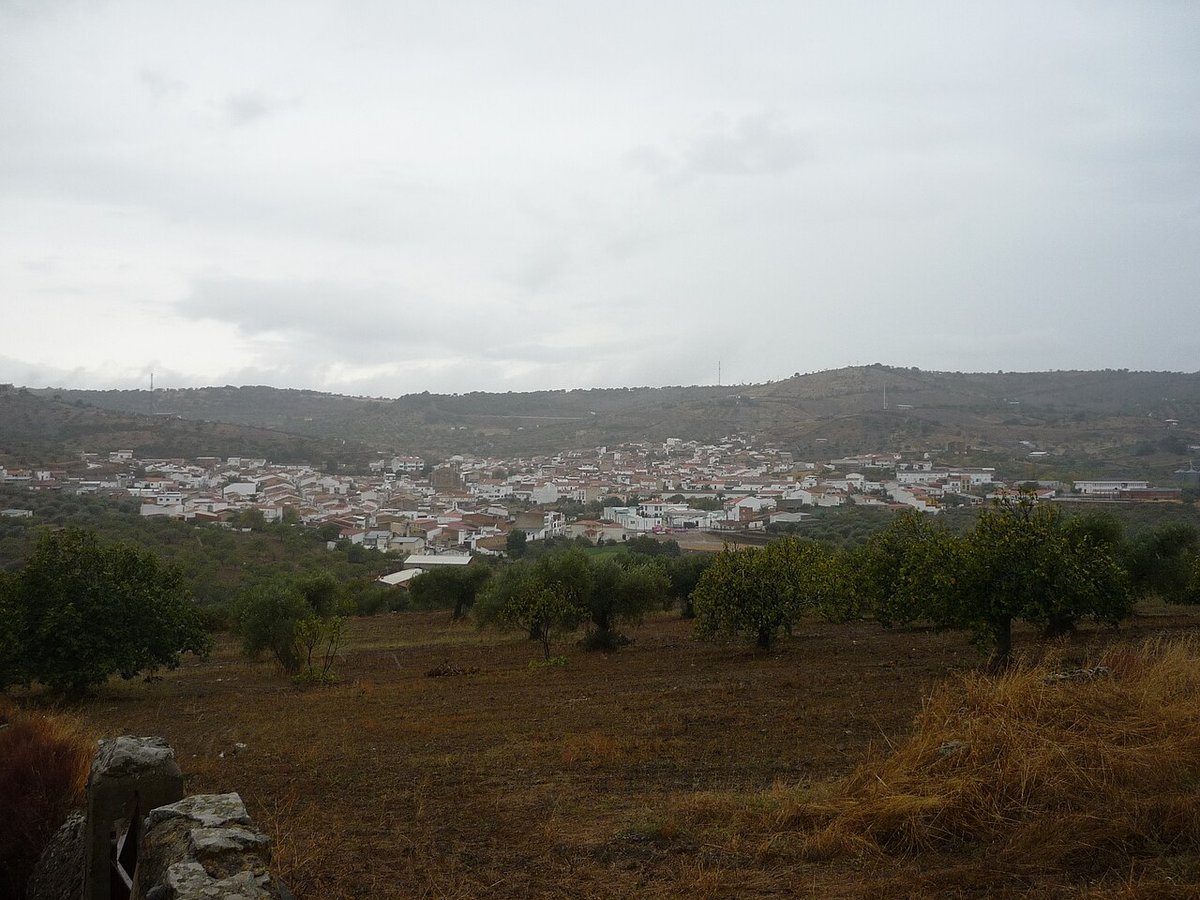
The church bells ring at quarter to eleven, not on the hour. That's Barcarrota all over—doing things its own way, three minutes early, four centuries late. At 467 metres above the olive plains of Badajoz, this knot of white houses keeps the rhythms of rural Extremadura while the rest of Spain hurtles towards the next marketing slogan.

A Town That Forgot to Repackage Itself

Walk the main street at nine on a Tuesday morning and you'll share the pavement with two men wheeling a pig carcass into the butcher's, a woman spraying down her doorstep with canal water, and a dog that has perfected the art of sleeping in the road without getting run over. Nobody is selling you anything. The tourist office only opens if you phone ahead, and even then the woman who arrives with the keys will probably ask why you bothered.

The architecture is honest rather than heroic. The sixteenth-century tower of Santiago Apóstol pokes above the roofs like a watchman's warning, its Mudéjar brickwork turning the colour of burnt biscuits in the sun. Inside, the baroque retablos gleam with the polish of genuine use, not the hush of admission fees. Drop a euro in the box and lights flicker on reluctantly, as if to say "you're really interested in this?" The side chapel still smells of candle stubs and furniture polish—the scent of weekly worship, not weekend heritage.

Opposite, the ruined Convento de San Francisco keeps its cloister open because someone lost the padlock key in 1987. Walk the arcade at dusk and swallows dive through the gap where the altar once stood. No interpretation panels, no audio guide—just stone, sky, and the occasional goat that wanders in from the olive groves.

The Olive Ocean

Those groves roll right to the edge of town, silver-grey waves that break against the last street lamps. Some of the trees were planted when Columbus was still learning to sail; their trunks have thickened into elephantine folds that swallow fence wire and road signs. The signed "Ruta de los Olivares Milenarios" is less a path, more a series of farmer's gates you're politely invited to open. Marking takes the form of splashes of yellow paint that fade every spring under the Extremaduran sun, so navigation involves equal parts map-reading and guesswork.

Allow two hours, sturdy shoes, and a willingness to step aside for the occasional tractor whose driver will raise two fingers from the steering wheel in salute. The reward is landscape that empties your head: nothing but wheat stubble, granite outcrops and the metallic click of cicadas. Bring water; there is no kiosk, no vending machine, probably no phone signal.

When the harvest begins in November, the quiet shatters. Families who left for Madrid or Barcelona decades ago reappear for a fortnight, climbing wooden ladders to shake the fruit onto nets spread beneath each tree. The cooperative presses until midnight; if the wind is right you can smell warm dough and green bananas—the unmistakable perfume of new oil. Visitors who ask nicely at the almazara gate are sometimes given a thimbleful on crusty bread, still warm from the centrifuge. No charge, but they will want to know where you're from and whether it rains as much as they say.

Eating What the Land Thinks Of

Bar meals run to extremes: either €8 for a plate of migas—fried breadcrumbs studded with chorizo and grapes—or €25 for a steak from the retinto cattle that graze the neighbouring dehesa. The cheaper option arrives in portions that would shame a Birmingham carvery; the dearer one tastes of thyme and acorns, and is worth every centimo. Gazpacho here is served in a glass tumbler, thick enough to stand a spoon in, and comes with a side plate of diced onion and green pepper that the locals sprinkle in like breakfast cereal.

Look for the hand-written sign "Queso de Oveja" taped to a front door on Calle Ancha. Ring the bell after six and Ana María appears in an apron, wiping whey from her forearms. She sells one-day, fifteen-day and forty-day cheeses, all still wearing the imprint of the plastic colander they drained in. Prices start at €4 a wheel; she'll wrap them in white paper but warns they won't survive a flight home in summer hand luggage.

When the Heat Closes In

July is a test of character. Temperatures nudge 42 °C by mid-afternoon; shutters slam, streets empty, even the dogs seek shade under parked cars. The only movement is the grandmother who waters geraniums at dusk wearing a housecoat and fur-lined slippers—logic you stop questioning after the second beer. Life resumes after ten; grandparents push babies in prams until midnight, and teenage couples sit on the church steps sharing headphones.

If you must visit then, book a room with air-conditioning. The two-star Hostal Nautilus on the outskirts has units that actually work, plus a pool that fills with tractor drivers at the weekend. Doubles from €55, including breakfast of churros thick as scaffolding poles. The alternative is a casa rural in the old centre: stone walls forty centimetres thick, ceiling fans that wobble like drunk helicopters, and the faint hope of a breeze through the balcony at 3 a.m. Bring ear-plugs; the bells still ring every quarter hour, still three minutes early.

Getting Here, Getting Away

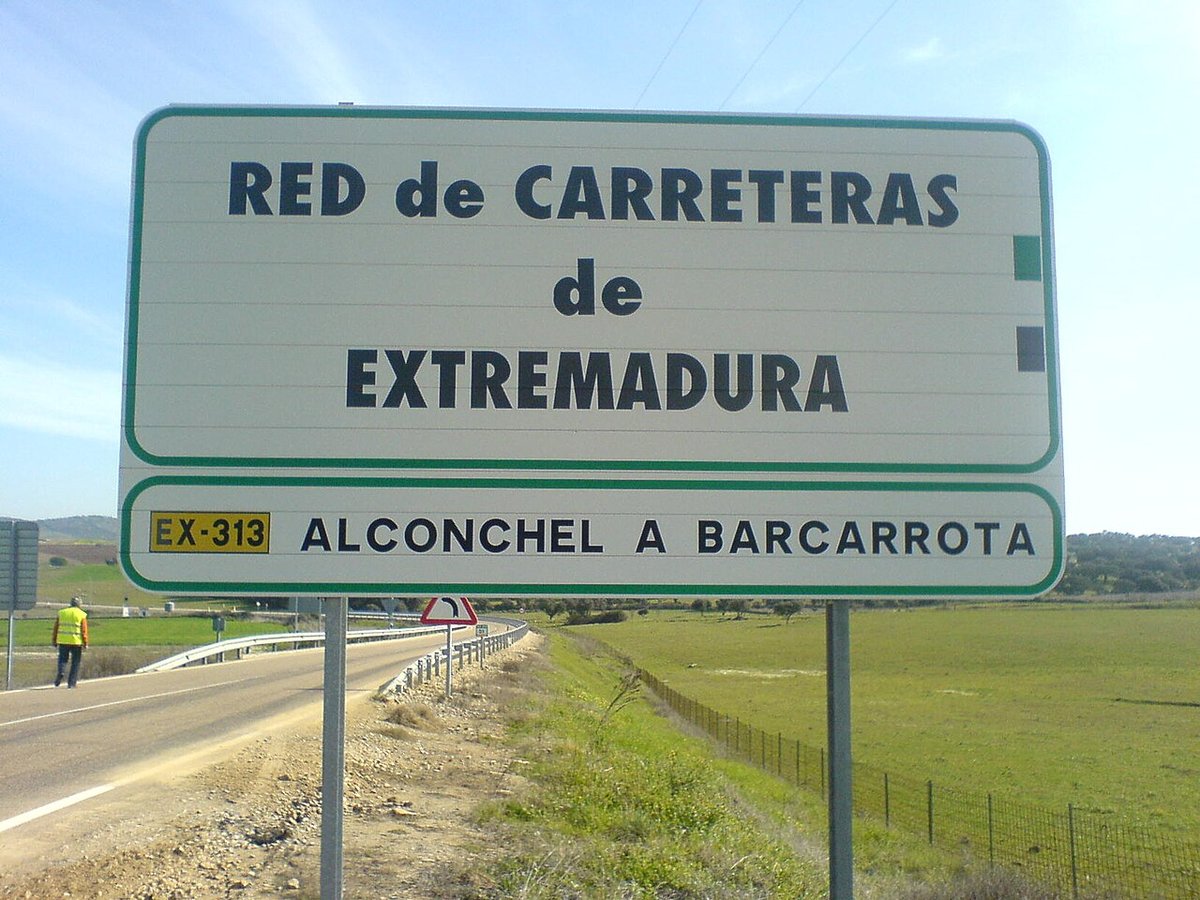
There is no railway. The nearest train station is at Badajoz, forty minutes by taxi (€55) or an hour on the irregular bus that leaves you at the edge of the industrial estate. A hire car from Seville airport makes more sense: two hours up the A-66, then twenty minutes on the EX-114 through landscapes that look as if someone ironed Spain flat while the mountains weren't looking. Petrol stations close for siesta; fill up before 2 p.m. or after 5.

Leave time for a detour to the ruins of the Castillo de Barcarrota, three kilometres west. Only one tower remains, propped up by scaffolding that has itself become historic. The view stretches across Portugal; on clear winter days you can pick out the hills beyond Elvas, forty kilometres away. Take a jacket—wind at altitude slices straight through denim.

The Exit Strategy

Stay three nights and the barman will greet you with "Otra cerveza, inglesa?" on the fourth evening. Stay a week and someone will try to set you up with their niece who works in London. This is friendship offered without invoice, but it comes with obligation: you will be expected to dance at the summer fiesta even if the band only knows one chord, and you will be required to pronounce "Barcarrota" with the double r rolled like a drum. Fail, and they simply laugh, buy you another drink, and demonstrate again.

The village will never make the cover of a glossy magazine. It has not learnt to charge for authenticity, and with luck it never will. Come for the olive oil that catches in your throat, for the bread that tastes of wood smoke, for the church bells that refuse Greenwich mean time. Come if you don't mind places that answer questions with a shrug and a smile. And when you leave, leave early—before the bells strike eleven, three minutes ahead of everywhere else.

Key Facts

Region
Extremadura
District
Llanos de Olivenza
INE Code
06016
Coast
No
Mountain
No
Season
spring

Livability & Services

Key data for living or remote work

2024
ConnectivityFiber + 5G
HealthcareHospital
EducationHigh school & elementary
Housing~5€/m² rent · Affordable
Sources: INE, CNMC, Ministry of Health, AEMET

Planning Your Visit?

Discover more villages in the Llanos de Olivenza.

View full region →

More villages in Llanos de Olivenza

Traveler Reviews