Full Article
about Cheles
Border town on the banks of the Gran Lago de Alqueva; known for its Blue Flag river beach and water sports.
Ocultar artículo Leer artículo completo
The border runs straight through the village pub. Stand at the bar in Cheles and your left foot might be in Spain while your right hovers somewhere over Portugal. This isn't metaphor—locals will point out the exact tile where the frontier slices through the terracotta floor, though nobody's particularly fussed about which country they're drinking in.
A Village That Never Quite Decided Which Country It Belongs To
At 197 metres above sea level, Cheles sits in the Llanos de Olivenza, a rolling plain where the land forgets to be dramatic. The village proper houses just over a thousand souls, though the municipality stretches to include five thousand spread across hamlets so small they appear on maps as dots rather than names. What makes Cheles remarkable isn't what you'll find here, but what you'll hear: Portuguese words slipping into Spanish sentences, producing a dialect that would make both Madrid and Lisbon wince.
The architecture tells the same mixed story. Whitewashed walls and terracotta roofs speak of Extremadura, but step closer and you'll notice Portuguese azulejo tiles framing doorways, blue and yellow against the white. Even the olive groves look different here—older, gnarlier, planted centuries ago when this land changed hands so frequently that farmers simply kept working regardless of which flag flew overhead.
The Church That Anchors Everything
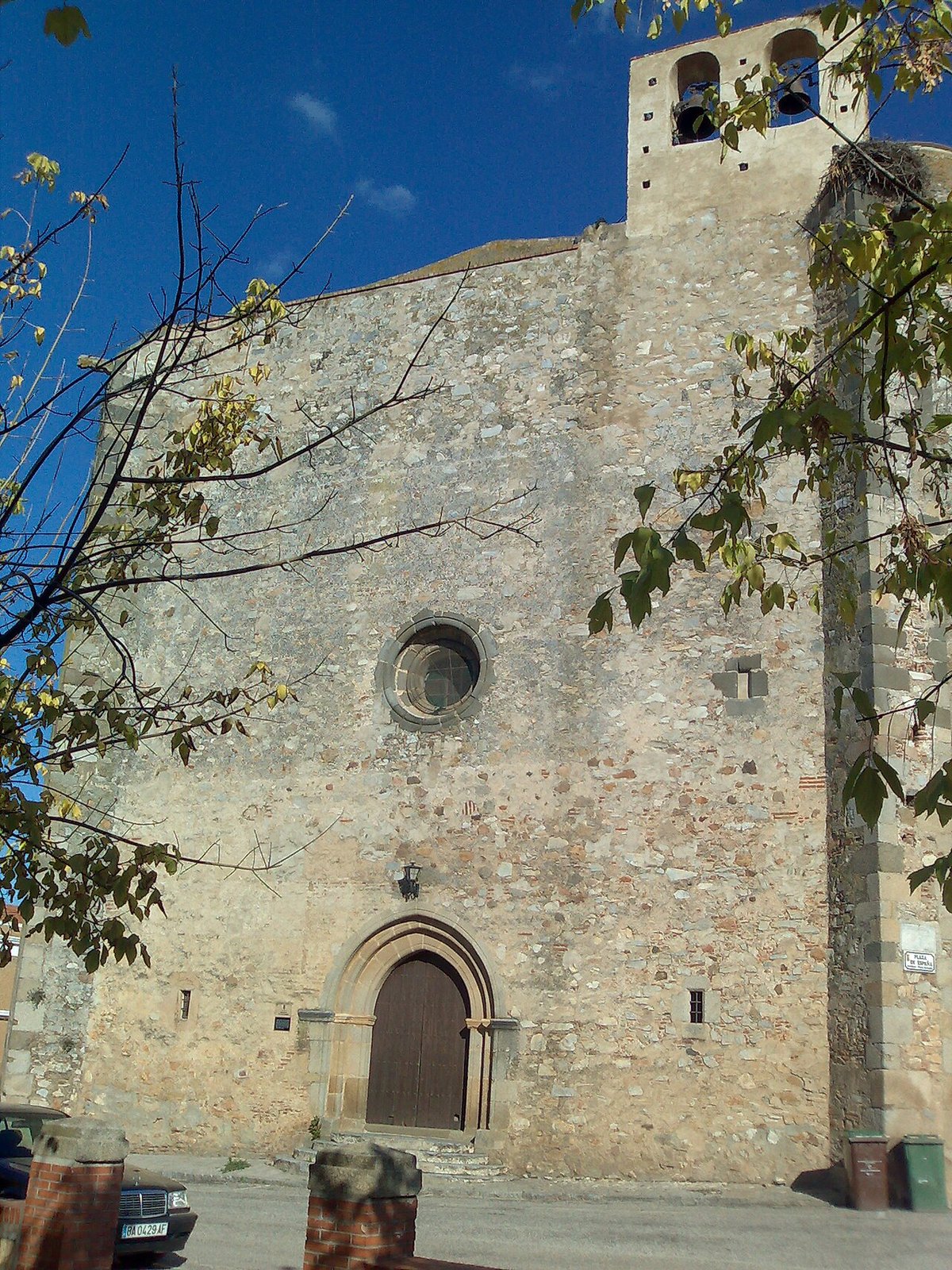
San Pedro's parish church dominates the modest main square, though "dominates" might be overstating it. Built from local stone that matches the earth so perfectly it appears to have grown rather than been constructed, the church serves as village clock, meeting point, and landmark all at once. Inside, the altarpiece shows its 16th-century origins, though most visitors find the simple wooden pews more telling—hand-carved by parishioners whose descendants still occupy them every Sunday at eleven.
The square itself measures barely thirty metres across, paved with the same granite that paves village squares from here to the Atlantic. Elderly men occupy the benches from dawn, moving only when the sun shifts enough to require shade. They'll nod at strangers, perhaps comment on the weather in that particular border Portuguese that requires a moment's mental adjustment, then return to watching nothing in particular happen.
Walking Through Olive Time
The real Cheles reveals itself on foot, specifically on the old mule tracks that radiate outward from the village like spokes. These caminos, wide enough for a single cart, now serve walkers seeking what the Spanish call "senderismo" and the British simply call "a proper walk." The GR-134 long-distance path passes within three kilometres, but shorter loops starting from the village petrol station (the only one for twenty miles) offer gentler introductions to the landscape.
Spring brings the best walking—wildflowers punctuate the cereal fields between olive groves, and temperatures hover around twenty degrees. The land rolls rather than climbs, making five-mile circuits achievable for anyone who can manage a country stroll. Storks nest in roadside pylons, and if you're quiet approaching dawn, you'll spot hoopoes picking through the short grass. The paths are marked, barely, with yellow and white stripes painted on stones or fence posts. Miss one and you'll likely end up at a farmhouse where someone will point you back, probably in Portuguese.
Food That Doesn't Know It's Fusion
The village's three restaurants serve what locals simply call "comida"—food—rather than anything fancy enough to warrant a menu in translation. The speciality isn't a dish but an approach: everything that can be cooked in olive oil is, and everything that can't probably isn't worth eating. Migas, essentially fried breadcrumbs with whatever's handy, appears winter evenings when the temperature drops below ten degrees. Summer lunches mean gazpacho extremeño, thicker than its Andalusian cousin and served with chunks of bread that definitely weren't in the original recipe.
The olive oil itself deserves attention. Local co-operatives press fruit from trees that remember Portuguese kings and Spanish dictators alike. Buy it in plastic five-litre containers from the agricultural supply shop—no gift wrapping, no tourist markup, just liquid that tastes of grass and pepper and the particular mineral tang of this limestone earth. The shopkeeper will ask if you're driving or flying, then produce appropriate packaging from a cupboard that also contains tractor parts and birthday cards.
When to Come and When to Stay Away
April and May transform the plain into something approaching colour. Wheat turns from green to gold, poppies splash red across field margins, and temperatures make walking pleasant rather than penitential. October offers similar conditions, plus the bonus of olive harvest—though "harvest" here means watching elderly villagers beat branches with sticks while teenagers complain about having to help.
July and August belong to the heat. Forty-degree days aren't unusual, and the village empties as anyone with relatives in Badajoz or Mérida decamps to apartments with air conditioning. What remains are the truly committed, the truly stuck, and the occasional tourist who didn't check the forecast. Even the border-pub closes between two and eight—too hot to drink, too hot to move, definitely too hot for that five-mile walk you thought sounded reasonable.
Winter brings its own challenges. The plain channels wind straight from Portugal, and while snow remains rare, damp cold seeps into bones and stone alike. Days shrink to eight hours of grey light, and the village's charms require more effort to appreciate. Come equipped with books, patience, and a proper coat.
Getting Here Without Losing Your Mind
No train reaches Cheles. No bus reaches Cheles. The nearest airport sits forty-five minutes away in Badajoz, though unless you're flying from Madrid (and why would you?), Seville makes more sense. From Seville's San Pablo airport, hire a car and head west on the A-66 for an hour and three-quarters. The last twenty minutes involve leaving the motorway, navigating roundabouts that appear to have been designed by someone who'd heard about traffic engineering but never actually seen it, then driving straight across the plain until Cheles appears as a cluster of white against brown.
Driving remains essential. The village contains one hostal—La Casa Verde, perfectly serviceable but hardly the point of coming here. Better to base yourself in Badajoz or even Mérida, making Cheles a day trip that includes lunch and that five-mile walk. Alternatively, rent a houseboat on the Guadiana River, five miles south, and treat Cheles as somewhere to stock up on olive oil and conversation.
The village takes approximately two hours to see thoroughly, assuming you stop for coffee and chat with the English-speaking dentist who retired here from Birmingham. Stay longer and you'll discover that Cheles rewards patience rather than activity. The border runs through the pub for a reason—this is a place that exists in between, neither Spanish nor Portuguese, neither destination nor departure point, simply somewhere that time moves at the speed of olive trees growing.