Full Article
about Higuera de Vargas
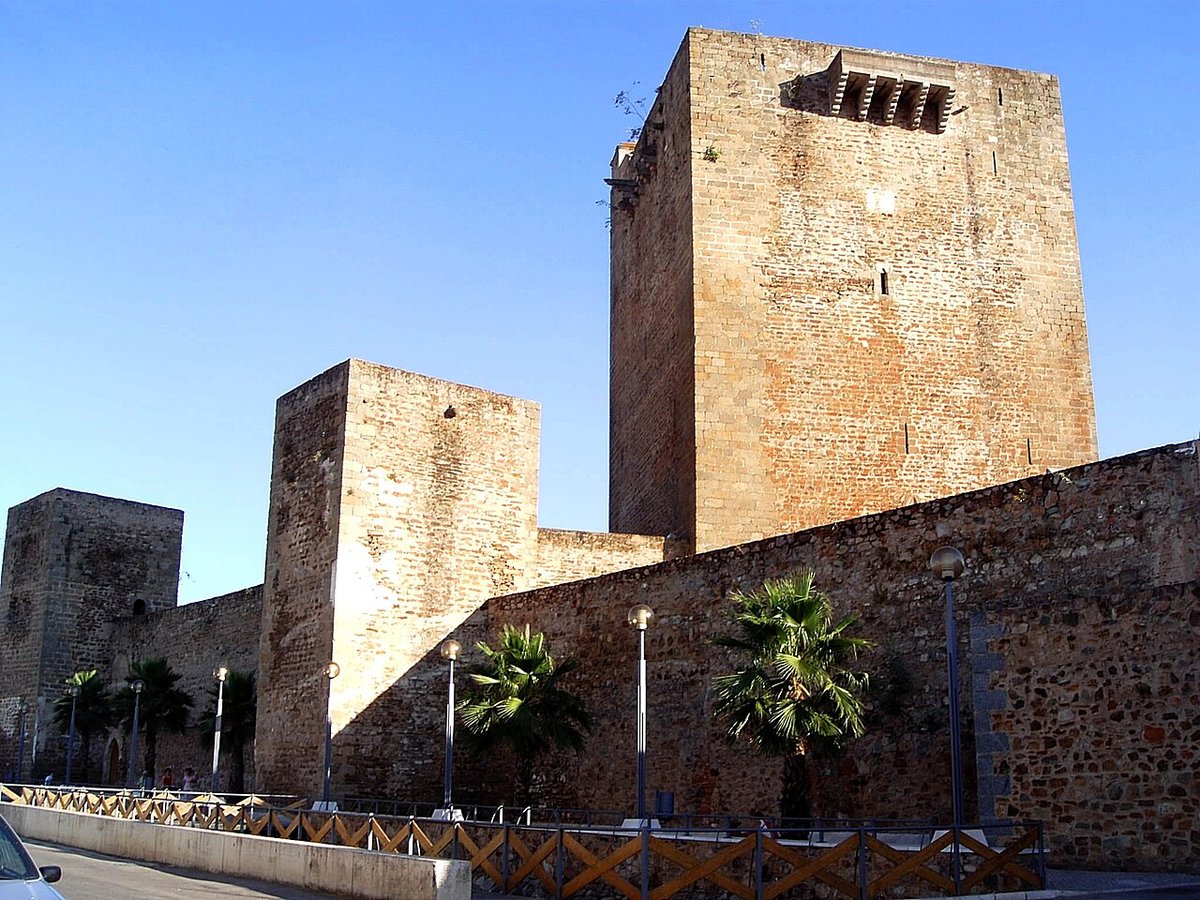
Municipality with a manor castle in the town center; surrounded by dehesa and close to Portugal.
Hide article Read full article
A landscape that sets the tone
Any look at Higuera de Vargas begins with its setting. The village lies on the Llanos de Olivenza, a wide plain in Extremadura where the dehesa has shaped the land for centuries. This is a distinctive rural landscape of scattered holm oaks, open fields and working tracks, closely tied to traditional farming and livestock.
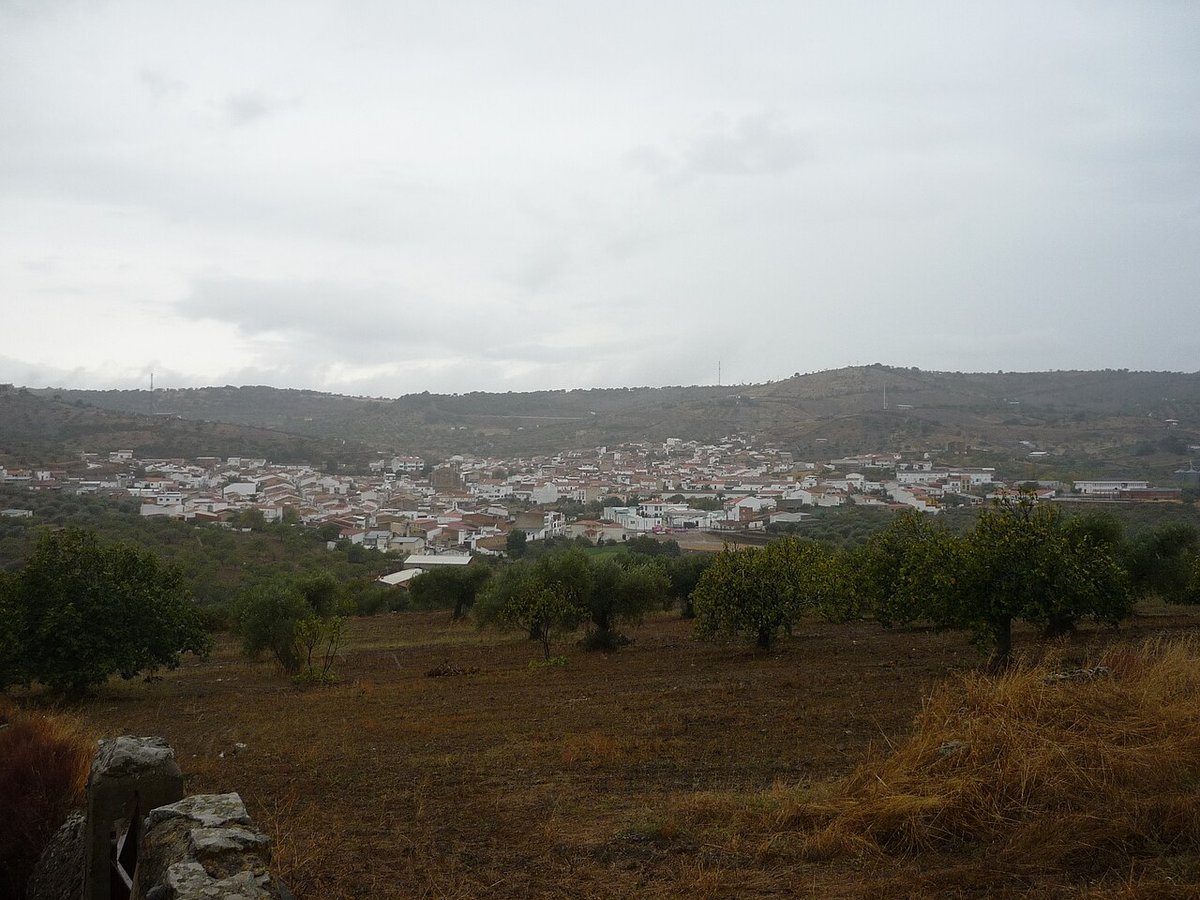
With just over 1,800 inhabitants, the town itself is compact and straightforward. Its layout reflects an اقتصادy built around agriculture rather than urban growth. There are no grand gestures in its design. Instead, everything points back to the surrounding land and the way people have depended on it over time.
This is not a place defined by major landmarks. What becomes clearer here is the relationship between the village and its environment, and how daily life has developed alongside it.
San Bartolomé and the role of the parish
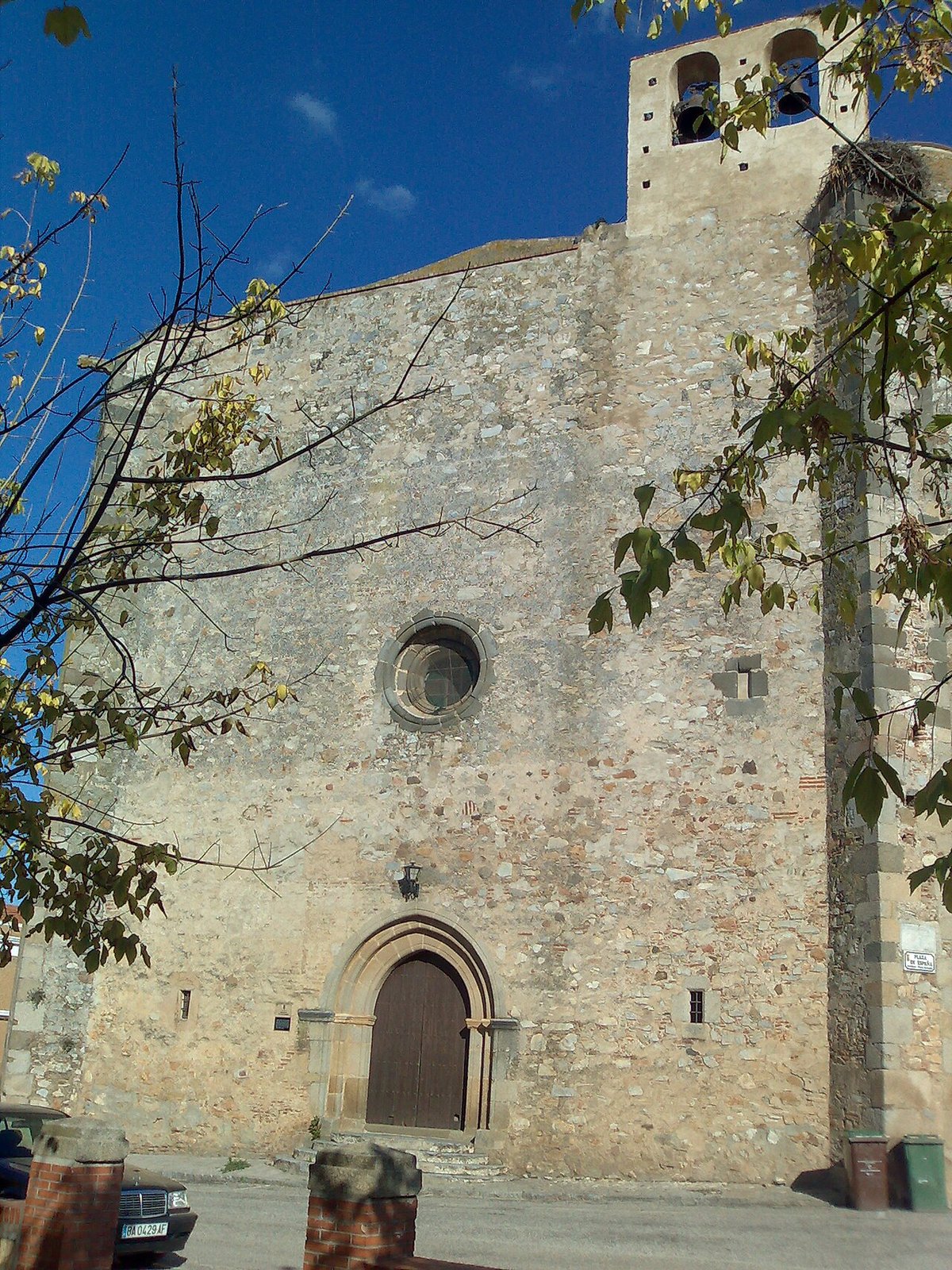
The main architectural reference point is the parish church of San Bartolomé. Construction began in the 16th century, with later alterations added over time. This kind of gradual development is typical of rural churches, which were adapted as needs changed.
The building is restrained in style. Solid walls, balanced proportions and minimal decoration define its exterior. Inside, there are altarpieces and religious figures of a popular, local character, in keeping with a parish serving an agricultural community.
More than its artistic value, the church is best understood through its function. For centuries it has been the religious centre of Higuera de Vargas, and also a place where people gathered. Its presence connects past and present, reflecting how closely tied community life has been to shared spaces.
Streets shaped by everyday life
The layout of the village is easy to follow. Streets tend to run straight, lined with houses of one or two storeys. Whitewashed façades dominate, a familiar feature across this part of the province of Badajoz.
Many homes retain simple doorways and iron grilles on low windows. Tall chimneys stand out against the skyline, a reminder of cold winters on an exposed plain where wind is a constant factor.
In the late afternoon, it is still common to see neighbours talking outside their homes. This everyday rhythm continues to shape the character of the place. There is little separation between private and public life, and the street remains an extension of the home.
The dehesa beyond the village
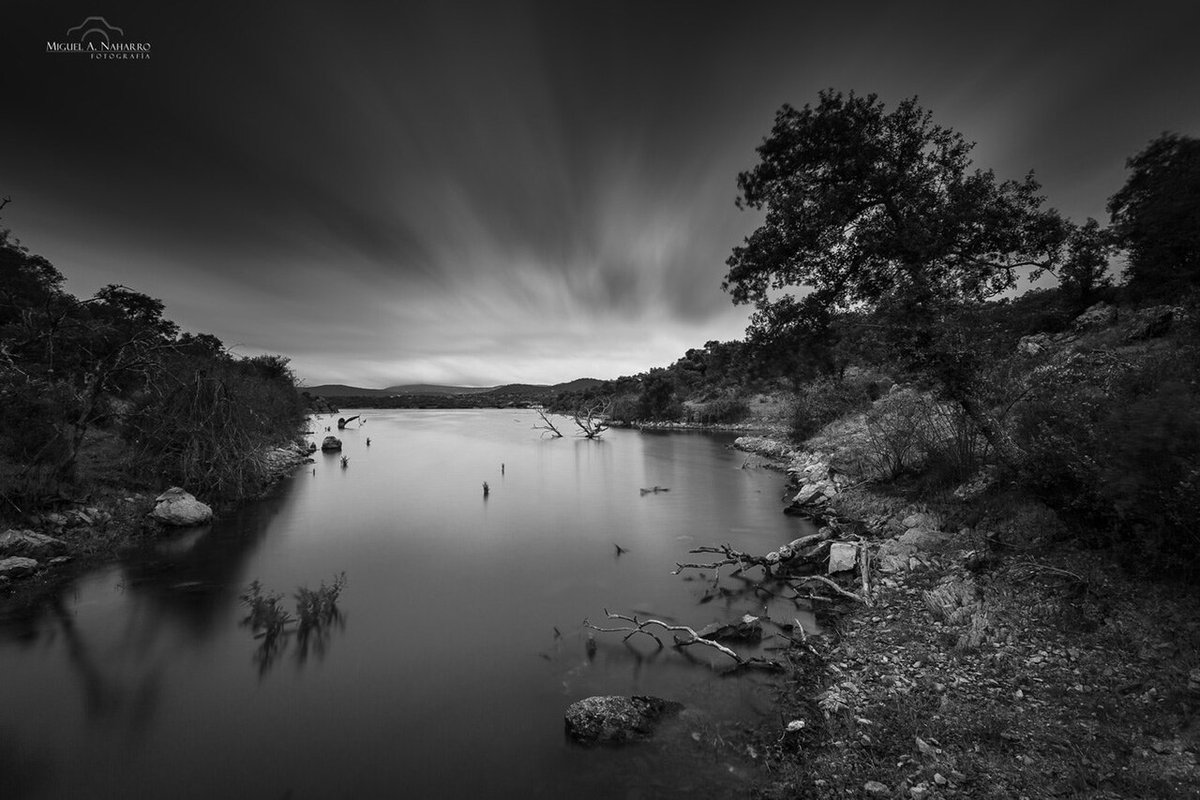
Leaving the built-up area, the transition to the dehesa is immediate. Holm oaks stand spaced across open ground, with wide pastures and tracks used for farming and herding.
This landscape is not ornamental. It has long provided essential resources such as livestock, firewood and acorns, which are traditionally used in feeding Iberian pigs. Walking along these paths offers a clearer sense of how the local economy has functioned.
At certain times of year, birdlife typical of the plains and the dehesa can also be seen, particularly in the early morning. The environment remains active and productive, rather than preserved as scenery.
Traditions tied to the calendar
Religious celebrations continue to play an important role in Higuera de Vargas. Festivities dedicated to San Bartolomé take place in summer and bring together many people who return to the village for the occasion.
Other dates in the traditional calendar are also observed, including those linked to Semana Santa and San Isidro. These are closely connected to agricultural life and seasonal cycles.
Rather than large-scale events, these moments are centred on meeting, reconnecting and maintaining shared customs across generations. They reflect continuity rather than spectacle.
A village explored in a few hours
Higuera de Vargas can be explored at an unhurried pace in a short time. A typical visit might involve walking through the centre, stopping at the church, then heading out along one of the tracks that lead into the countryside.
What stands out is how quickly the setting changes. Within minutes, whitewashed streets give way to open land with very few buildings. The boundary between village and landscape is barely marked.
This closeness reinforces the sense that the two are inseparable. The town does not sit apart from its surroundings but forms part of the same system.
Practical notes for visiting
For most of the year, Higuera de Vargas remains quiet. In summer, the heat can be intense on the open plains, especially in the middle of the day. Spring and autumn tend to offer more comfortable conditions for walking in the surrounding area.
There is no long list of sights to tick off. The appeal lies in observing the setting and understanding how life is organised in this part of the comarca of Olivenza. Here, the landscape explains almost everything.