Full Article
about La Corte de Santa Ana
A small village with rural charm, noted for its traditional architecture and the quiet of its dehesa surroundings.
Hide article Read full article
A village that moves at its own pace
Some places seem arranged for a postcard. Then there is La Corte de Santa Ana, which works differently. It feels more like visiting a friend in a village with no particular plan: a short walk, a bit of conversation, and before long you realise you have spent an hour simply watching the slow rhythm of the street.
The village lies in the Llanos de Olivenza, in a part of Extremadura where the horizon stretches wide and life unfolds without hurry. There are no grand monuments or loud attractions here. What you find instead is everyday life, and that has its own appeal when you take the time to notice it.
The church at the centre
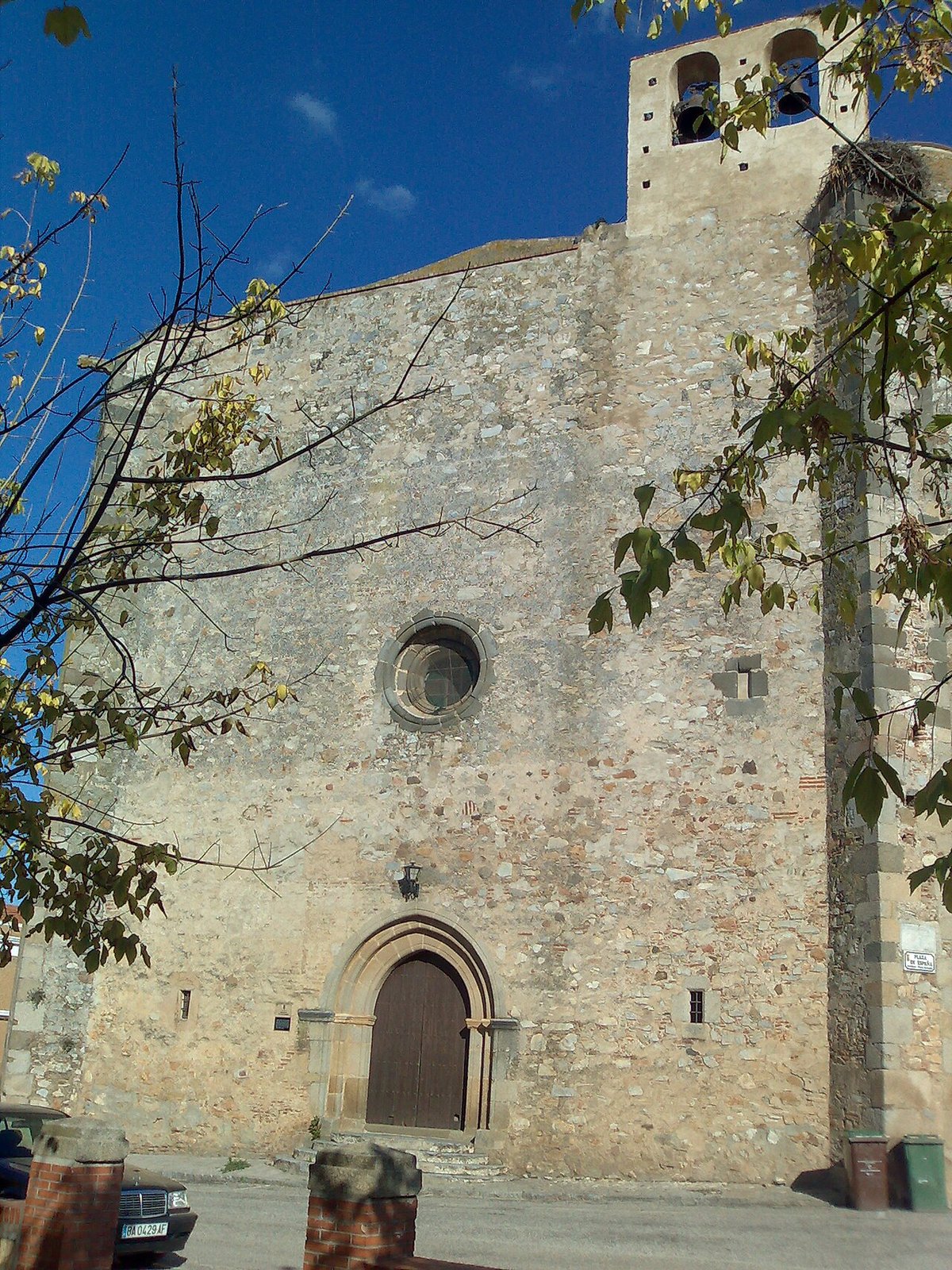
In La Corte de Santa Ana, everything seems to lead back to the parish church dedicated to Santa Ana. Not because it dominates the skyline, but because the village is organised around it. Walk a little and it reappears between whitewashed houses, as if quietly keeping watch.
The building itself is simple. Stone, lime, and an unassuming tower. It is the kind of place that has aged alongside the community. Inside, there are signs of constant use over generations: weddings, funerals, unremarkable Sundays. Nothing showy, but closely tied to local life.
Step outside and the best thing to do is wander without a fixed route through the nearby streets. Calle Mayor and Calle Real gather many of the older houses. Most are one or two storeys high, with iron window grilles and wooden doors that have weathered many winters. Now and then a small inner courtyard appears, or a short flight of steps that breaks the straight line of façades.
This is not architecture designed to impress. These are homes built to be lived in, and that purpose still shows.
Where the village gives way to open land
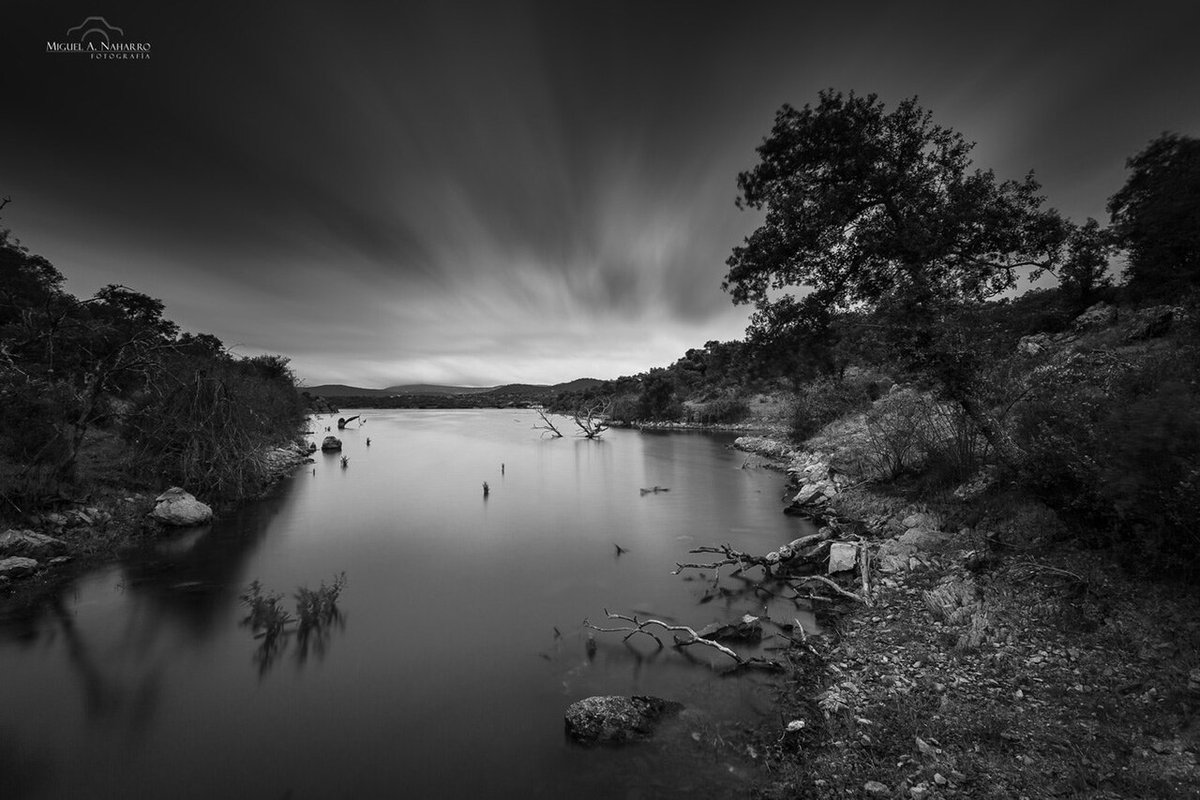
Leave the last houses behind and the landscape changes quickly. The terrain opens into the gentle penillanura typical of this part of Extremadura. The ground is soft in its contours, with scattered holm oaks and wide fields stretching towards the horizon.
Dirt tracks branch out from different points around the village. Many are used by locals heading to their land or checking livestock. If you feel like walking, it is enough to pick one and follow it for a while, seeing how far it takes you.
Spring often brings small wildflowers and tall grass that shift with the breeze. In autumn, colours turn warmer and the atmosphere grows calmer. There is no need to plan a complex route. Sometimes the best option is a short walk, a pause beneath a holm oak, and the quiet of the countryside.
Birds, dehesa and small moments
This kind of landscape holds more life than it first appears, especially if you take your time. Birds are the most noticeable. Birds of prey can often be seen gliding high above, while storks perch on the highest rooftops in the village.
Near ponds or patches of water, when they are present, smaller species tend to gather. There are no dramatic displays. The interest lies in everyday details: a low flight across the fields, the sudden sound of wings as something lifts from the path, or the constant movement among the holm oaks.
It is a type of nature that does not need explanation boards or big claims. You notice it simply by being there.
Food shaped by the land
Cooking in the area remains closely linked to rural life. Bread, cured meats, hearty stews and aged cheese, often produced within the region, are central to the table. These are dishes created to sustain long working days.
Migas, a traditional dish made from breadcrumbs, still appear regularly, especially when the weather cools. Meat stews and recipes based on seasonal ingredients are also common.
In autumn, if the rains have been generous, some locals head out to look for mushrooms in the surrounding countryside. It is something done carefully, following any rules that may apply at the time.
Village celebrations follow the same straightforward spirit. Festivities dedicated to Santa Ana, towards the end of July, bring many residents together. The square fills with people, conversations stretch on, and activities are organised by the community itself.
Easter is marked with processions through the narrower streets. They are quiet and restrained, focused more on tradition and reflection than spectacle.
A short stop that says enough
La Corte de Santa Ana is not a place to fill several days with plans, and there is no need to pretend otherwise. It works better as a calm توقف within the Olivenza area.
A single morning is enough to walk through the centre at an easy pace. You can visit the church, wander the older streets, and head out briefly along one of the countryside paths. In a couple of hours, you will already have a clear sense of the place.
From there, it is easy to continue towards other villages in the Llanos de Olivenza, which share that same quiet character of a borderland between Spain and Portugal.
Spring and autumn tend to be the most comfortable times to visit. The countryside feels more alive and walking is more pleasant. In summer, the heat presses hard across these plains, so it is better to move early in the day or later in the evening.
La Corte de Santa Ana is not a destination of big headlines. Yet for anyone curious about how small villages really function, it offers something worth noticing. The key is simple: arrive without rushing, and let the place set the pace.