Full Article
about Nogales
Town dominated by the Castillo de Nogales on a hill; farming and ranching country with fine views.
Ocultar artículo Leer artículo completo
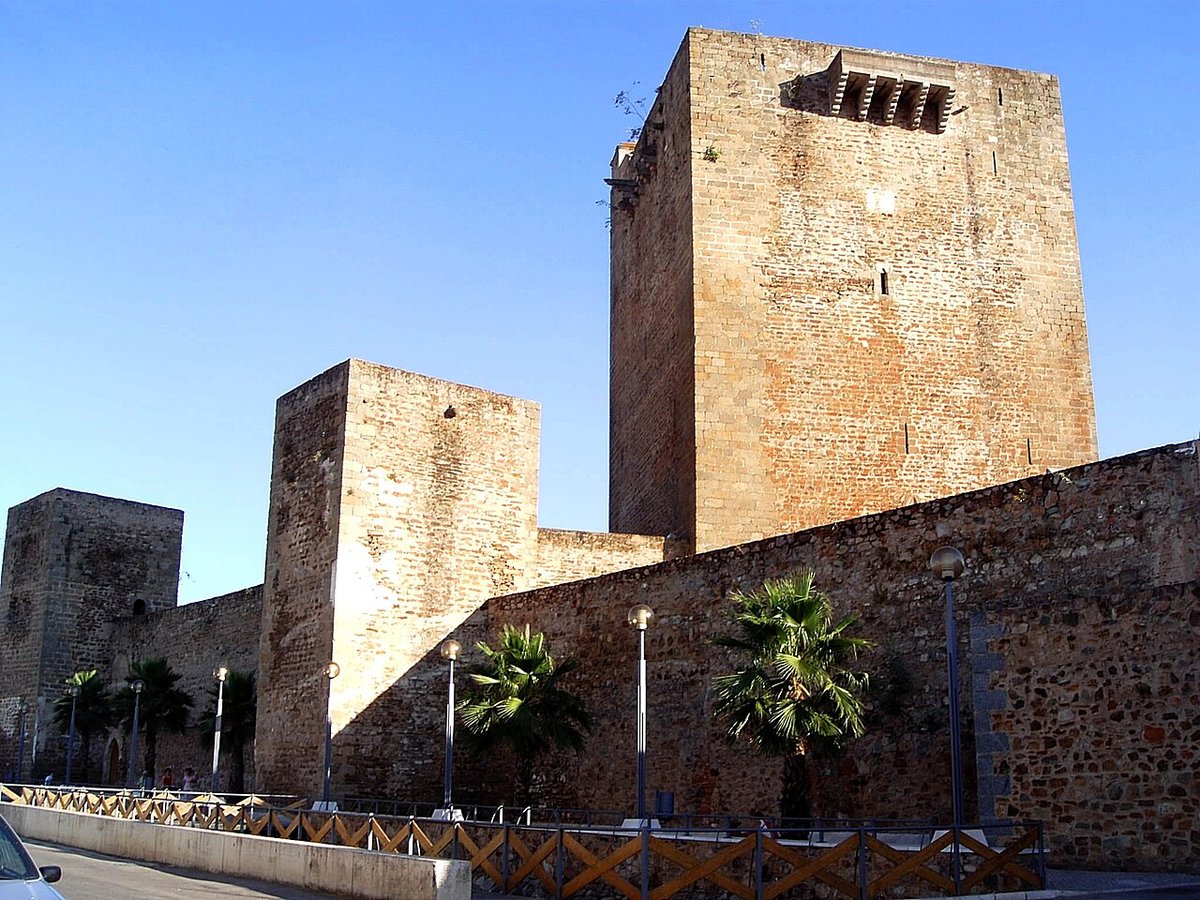
The castle keep at Nogales stands 35 metres above the village rooftops, high enough that vultures circle at eye level. From here, the plains of Extremadura stretch northwards until the land blurs into Portugal. It's the sort of view that makes you understand why medieval commanders chose this ridge—though today the only battle is finding somewhere open for lunch on a Monday.
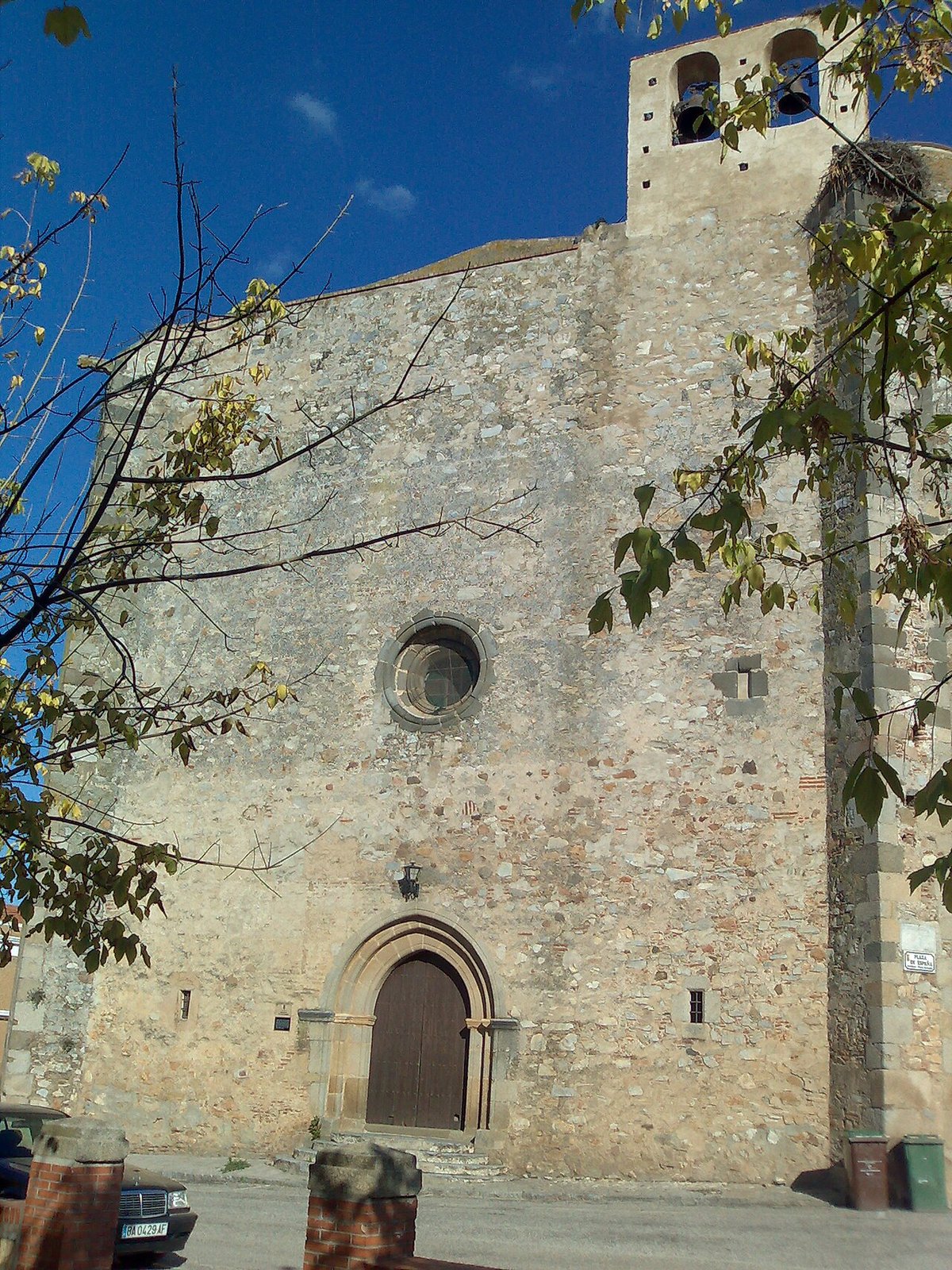
Nogales sits 372 metres above sea level, where the Sierra Morena begins its gentle descent towards the Guadiana River. The altitude matters: summer evenings arrive earlier here than on the coast, and winter mornings can bring frost while citrus groves forty kilometres south stay green. The village itself is modern, low-rise and functional; what draws visitors is the fifteenth-century fortress that crowns the hilltop, its sandstone walls glowing amber in late afternoon light.
The Castle and its Views
Admission costs €2, payable at a small kiosk that may or may not be staffed. Opening hours are strictly observed: 10:00-14:00 and 16:00-18:30 in winter, with an extra hour either side in high summer. Arrive at 13:55 and you'll be waved away—no exceptions, even if you've driven an hour from Zafra. Inside, don't expect furnished rooms or interactive displays; most chambers remain locked. Instead, climb the spiral staircase to the battlements and claim a picnic spot facing west. On clear days you can trace the road to Olivenza, its white houses clustered around a sixteenth-century aqueduct, and beyond that the Portuguese border marked only by a change in field patterns.
British visitors tend to arrive with modest expectations and leave enthusiastic. TripAdvisor reviews—fewer than forty in English—repeat the same phrase: "best €2 view in Spain." Bring binoculars: griffon vultures nest on the crags below, and storks use the castle towers as a landing strip. The silence is complete enough to hear wingbeats overhead.
Walking the Dehesa
Below the fortress, lanes trickle downhill past single-storey houses painted in ochre and dusty rose. Within ten minutes you've left tarmac behind. Tracks radiate into dehesa farmland—open oak savannah where black Iberian pigs root for acorns between November and March. These woods aren't wilderness; they're carefully managed, each tree spaced to let light reach the grass. Walking here requires no map skills: pick any farm track, follow it for forty minutes, then turn around. The only hazards are territorial magpies and the occasional loose hunting dog, usually more interested in the pigs than in you.
Spring brings carpets of white chamomile and purple vetches; autumn turns the oaks copper and makes mushroom hunters competitive. Locals guard their fungi spots, but a polite greeting often yields directions to "a few" edible níscalos—provided you can identify them. If in doubt, photograph and walk away; Extremadura hospitals see a steady stream of over-confident foragers each October.
Cyclists use the same lanes. The gradients are gentle enough for hybrids, though surfaces vary from compacted sand to fist-sized gravel. A circular route south to Villarreal, 12 km away, passes an abandoned railway viaduct popular with rock doves and graffiti artists. Take water: apart from the village fountain at the castle gate, there's nothing until Villarreal's solitary bar, open only at lunchtime.
Food and Drink (or the Lack of It)
Nogales has no restaurants, cafés or shops within the village proper. The nearest reliable meal is at Bar La Muralla on the BA-4304, a five-minute drive or steep fifteen-minute walk downhill. Their menú del día runs to €11 and features carne ibérica, chips and a lettuce-heavy salad—fine if you like your pork salty and your wine poured from a two-litre bottle. Vegetarians get tortilla or scrambled eggs; vegans should pack sandwiches.
Better strategy: stock up in Zafra before you leave. Mercadona on the bypass sells baguettes, local sheep's cheese and plastic cups; combine these with the castle rampart and you have a dining room with a 360-degree horizon. Evening visitors sometimes linger for the star show—light pollution is minimal, and the Milky Way appears sharp enough to touch.
When to Come, Where to Sleep
Mid-March to mid-June offers the kindest weather: daytime temperatures hover around 22 °C, wildflowers are in bloom, and the castle keep catches a cooling breeze. September and October deliver golden light and mushroom potential, though nights can drop to 8 °C; bring a fleece. July and August are fierce: 38 °C by noon, village streets empty until eight o'clock, castle walls too hot to lean against. Winter is crisp and often sunny, but short days mean the fortress closes before you've finished your coffee.
There is nowhere to stay in Nogales itself. The sensible base is Zafra, twenty-five minutes south on the A-66. Hotel Huerta Honda has underground parking and English-speaking reception staff; the Parador de Zafra occupies a fifteenth-century castle-convent with a pool open May to September. Both fill up during Zafra's medieval fair in early May and again during the Iberian ham festival in late September—book ahead or expect to drive an extra forty minutes from Badajoz.
Getting It Right
The most common mistake is confusing this Nogales with the border town in Arizona. Flight search engines occasionally suggest trans-Atlantic routes; ignore them. Fly London-Stansted to Seville (2 h 45 m with Ryanair or EasyJet), collect a hire car, and head north-west on the A-66. Tolls are zero, traffic light, and the turn-off at kilometre 68 is clearly signed. Public transport isn't an option: the weekday bus from Badajoz stops at the motorway exit, still 4 km short of the castle.
Monday closures catch people out. The fortress shuts entirely; Bar La Muralla opens only for breakfast. Check the Ayuntamiento Facebook page the evening before—posts are in Spanish but the word "cerrado" is easy to translate. If the castle's shut, continue twenty minutes to Jerez de los Caballeros, whose Templar churches and ham museum are open daily.
Worth the Detour?
Nogales won't fill a weekend. It will, however, deliver one of the emptiest, grandest views in western Spain for the price of a London coffee. Come for the castle, stay for an hour, then wind south through olive groves to sample jamón in Zafra's market. Think of it as a pause between monuments rather than a destination in itself—an hour of wind, vultures and horizon that makes the rest of Extremadura feel busy by comparison.