Full Article
about Olivenza
Historic town of Portuguese origin with Spain’s only Manueline heritage; noted for its castle and tilework.
Hide article Read full article
A town between two identities
Olivenza feels like that relative who came to stay for a short visit and never quite left. For centuries it belonged to Portugal, and although it now sits firmly in Extremadura, it still carries a distinctly Portuguese air. Anyone interested in Olivenza is really coming to see that overlap: a Spanish town that still seems to speak, at least a little, in Portuguese.
It does not take long for the feeling to set in. A short walk through the streets is enough to raise a quiet question: has the border been crossed without noticing?
The old town that leans both ways
Olivenza lies a short distance from Badajoz, surrounded by the wide, open plains typical of this part of Extremadura. The landscape is straightforward: long, straight roads, broad fields, and towns that appear suddenly on the horizon.
Then the old quarter shifts the mood.
White and blue azulejos decorate façades. Window details hint at a different architectural tradition. Some street names appear in Portuguese as well as Spanish. The effect is subtle but persistent, like hearing an accent that is familiar yet difficult to place.
History explains the feeling. Olivenza belonged to Portugal for centuries, and the change of border never fully disappeared from local memory. Even today, Portugal maintains a historical claim over the town, though this is usually mentioned as a curiosity rather than a serious point of tension.
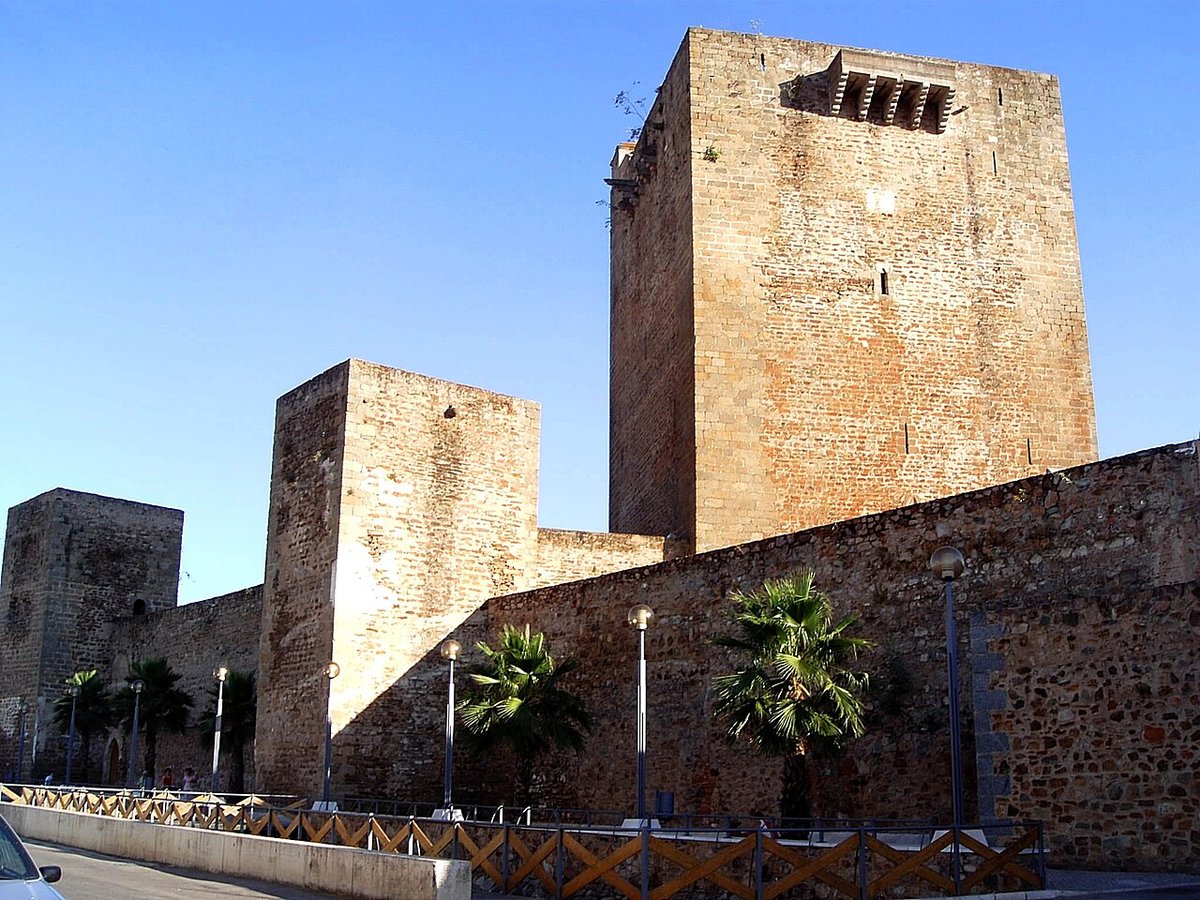
Among the most striking buildings is the medieval castle. Its keep rises above much of the town, a reminder that this was once an important defensive position along the frontier.
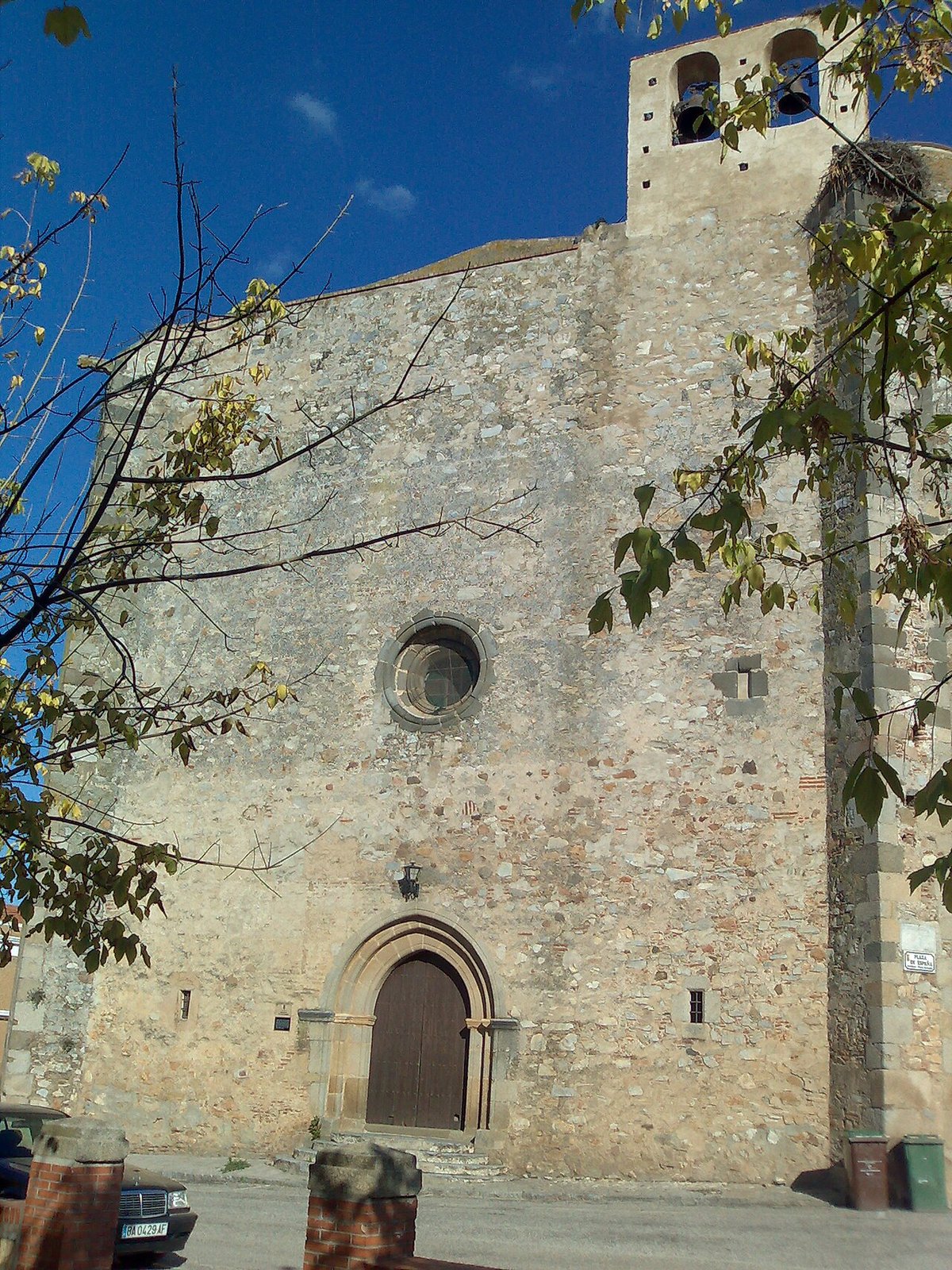
Nearby stands the church of Santa María Magdalena. In Portugal it is considered one of the finest examples of Manueline architecture outside the country. Step inside and that reputation makes sense. The scale and detail feel larger than expected for a town of this size, giving the space a quiet sense of surprise.
A kitchen shaped by two traditions
Portuguese influence does not stop at architecture. It carries straight into the food.
Cod, or bacalao, appears here with a natural ease that is less common in other parts of Extremadura. Bacalao a la oliventense is a regular feature on menus, usually prepared with potatoes and egg, with that distinctive salty edge that quickly becomes more appealing than expected.
Alongside it sits the traditional cooking of the region. Dishes are hearty and direct, shaped by a rural past where energy mattered. Migas, made from fried breadcrumbs, and caldereta de cordero, a lamb stew, are typical examples of that approach.
Sweets follow a similar rhythm of tradition. Hornazo dulce often appears during celebrations, while torta de aceite offers something lighter: thin, crisp, and difficult to stop eating once started.
The museum no one expects
Just when Olivenza seems to have revealed its character, it offers something unexpected: the Museo Papercraft.
It is housed in the Casa Grande, a historic building in the old town. Inside are hundreds of figures made entirely from paper. Castles, characters, large dragons, all constructed piece by piece with careful detail.
What might sound like a quick curiosity often turns into a longer visit. It is one of those small museums that works best without expectations, where the surprise becomes part of the experience.
Walking the line of the walls
Olivenza is easy to explore on foot. The centre is compact, and a calm morning is enough to get a clear sense of the place.
One of the most revealing walks follows part of the old line of the town walls. It is neither long nor demanding, but it helps explain how a border town once organised its defences.
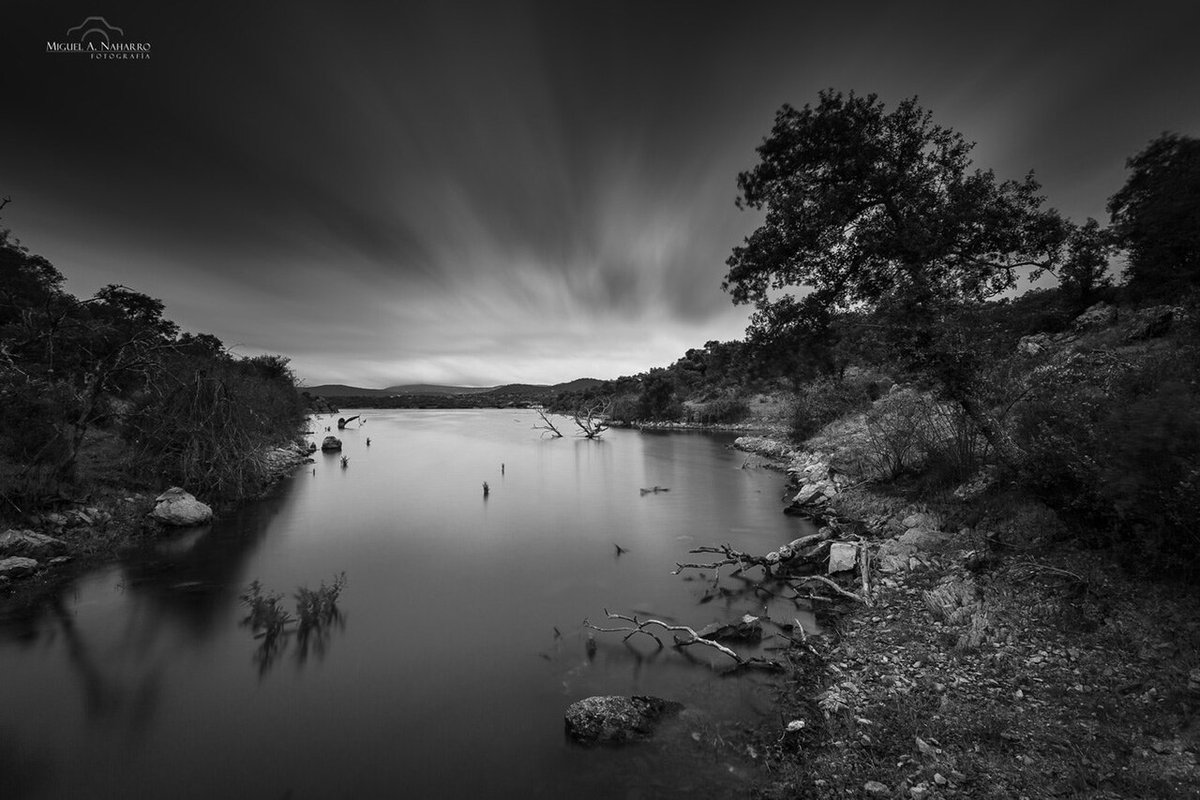
Venture a little further out towards the surroundings of the Guadiana river and the landscape opens again. Paths cross quiet areas where storks and other birds are easy to spot. In this region they nest on towers, bell towers, and any tall structure available, as if they were simply another set of residents.
A place defined by small details
Olivenza does not try to impress with dramatic scenery or monumental scale. Its appeal sits elsewhere, in the quiet mix of two identities that continues to show itself in small ways: architecture, food, even the language of its streets.
It is best understood without rushing. A walk through the old quarter, a look up at the castle, time inside the church of Santa María Magdalena, and then a slow meal are enough to grasp what makes the town distinct.
In the hotter months, the pace naturally slows. Summer here can be intense, and midday tends to quieten as a result.
For those drawn to border places, the kind that do not fully belong to a single identity, Olivenza has a particular pull. It may feel slightly unfamiliar at first, but that is part of its character, and part of what makes it stay in the mind.