Full Article
about Táliga
Former Portuguese village (until 1801); known for its cuisine
Hide article Read full article
A village that runs on its own rhythm
Some places feel a bit like a small corner shop where a quick errand turns into a ten-minute chat. Táliga has something of that. Tourism here is not about striking monuments or streets designed for photographs. It is about a place that continues at its own pace, without adjusting itself for visitors.
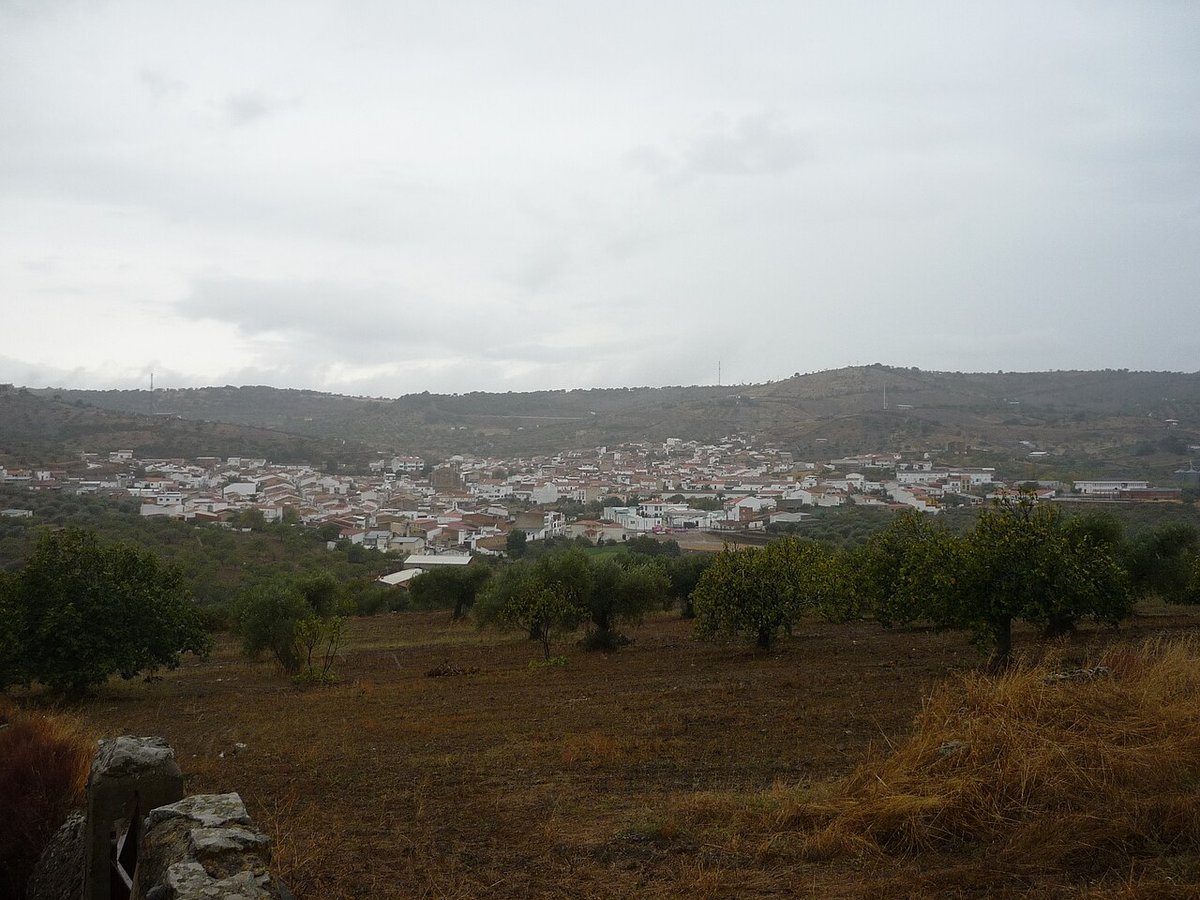
Táliga sits a little over 60 kilometres from Badajoz, within the Llanos de Olivenza and surrounded by dehesa, the traditional landscape of scattered oaks and open pasture typical of western Spain. Arrival comes with a sense that everything slows down. The atmosphere recalls a Sunday afternoon when time seems to stretch and nothing needs to happen quickly.
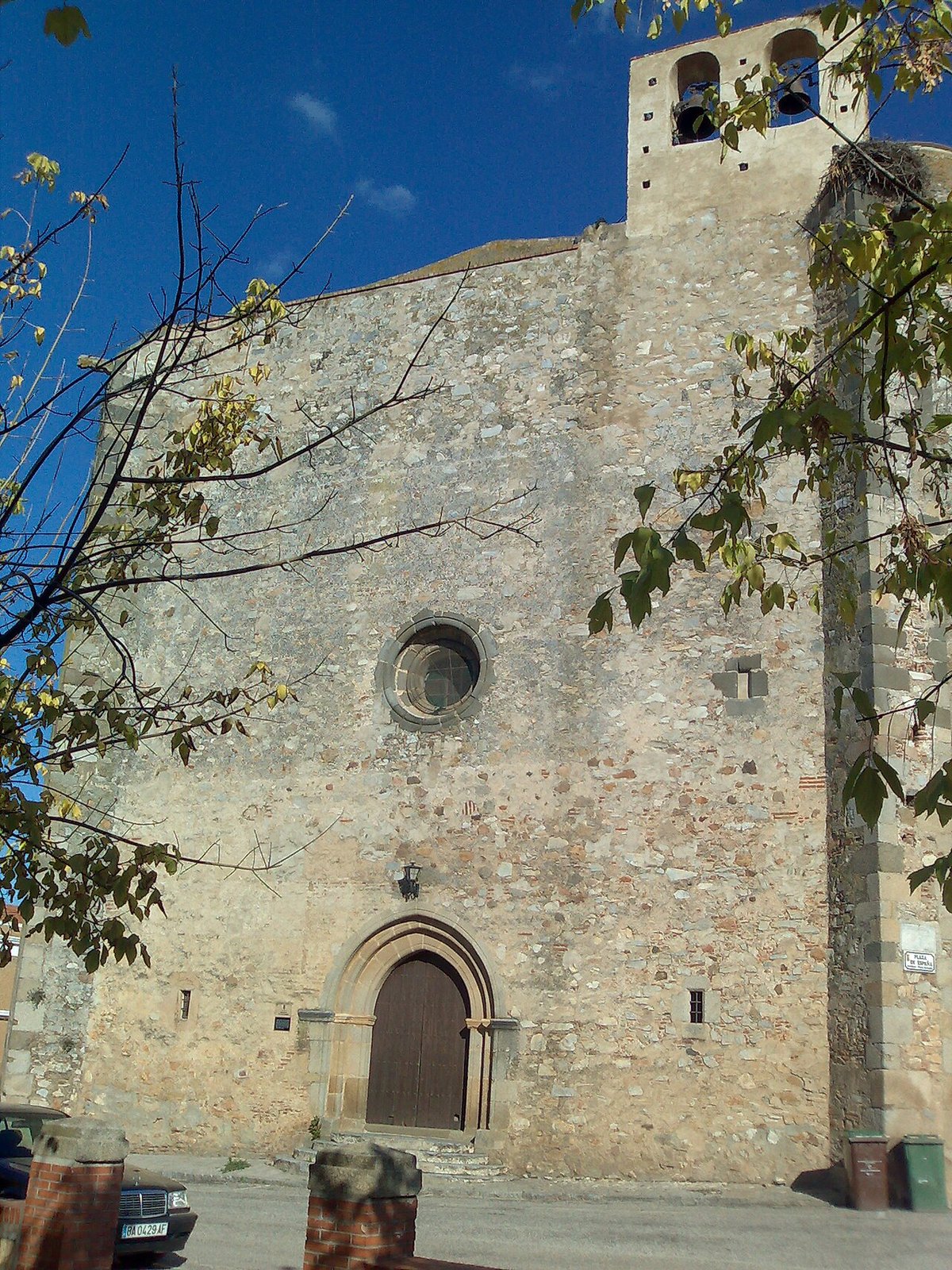
At the centre stands the Iglesia de la Asunción, built around the 16th century. It acts as a natural point of reference when walking through the village. The building does not try to impress. Its presence feels closer to an old house that has lasted because it was built well: solid stone, compact form, no unnecessary decoration. Around it, everyday life continues. People come and go, brief conversations unfold, and the day carries on without interruption.
The main square does not follow the familiar pattern of a perfectly symmetrical plaza with arcades. Instead, it opens out, framed by white houses. It works more like a shared courtyard where things simply happen. Encounters, local celebrations and quick exchanges all pass through this space as people cross from one street to another.
Streets that reveal themselves slowly
The main streets, such as calle Mayor and the Travesía, can be walked in a matter of minutes. Ten minutes is enough to see them. Yet the experience feels closer to flipping through an old photo album. Each façade has some small detail that invites a slower pace.
Doors painted in colours that have faded over time sit alongside iron grilles that look as though they were made decades ago. Behind some entrances lie interior courtyards where agricultural tasks still take place. These are not staged or preserved for show. They remain part of daily life.
Traditional laundries can still be found in the village. They are not presented as museum pieces. They are there simply because they have always been there. Their presence recalls the kind of old kitchens in grandparents’ homes that no one thought to modernise because they still worked perfectly well.
There are no shop windows designed to catch a visitor’s eye. Instead, small local shops sell what people in the village actually use. Dried figs, local cheese, olive oil. These are the kinds of products that appear on the table without ceremony, in the same natural way that bread or a bottle of wine might appear elsewhere.
The surrounding dehesa
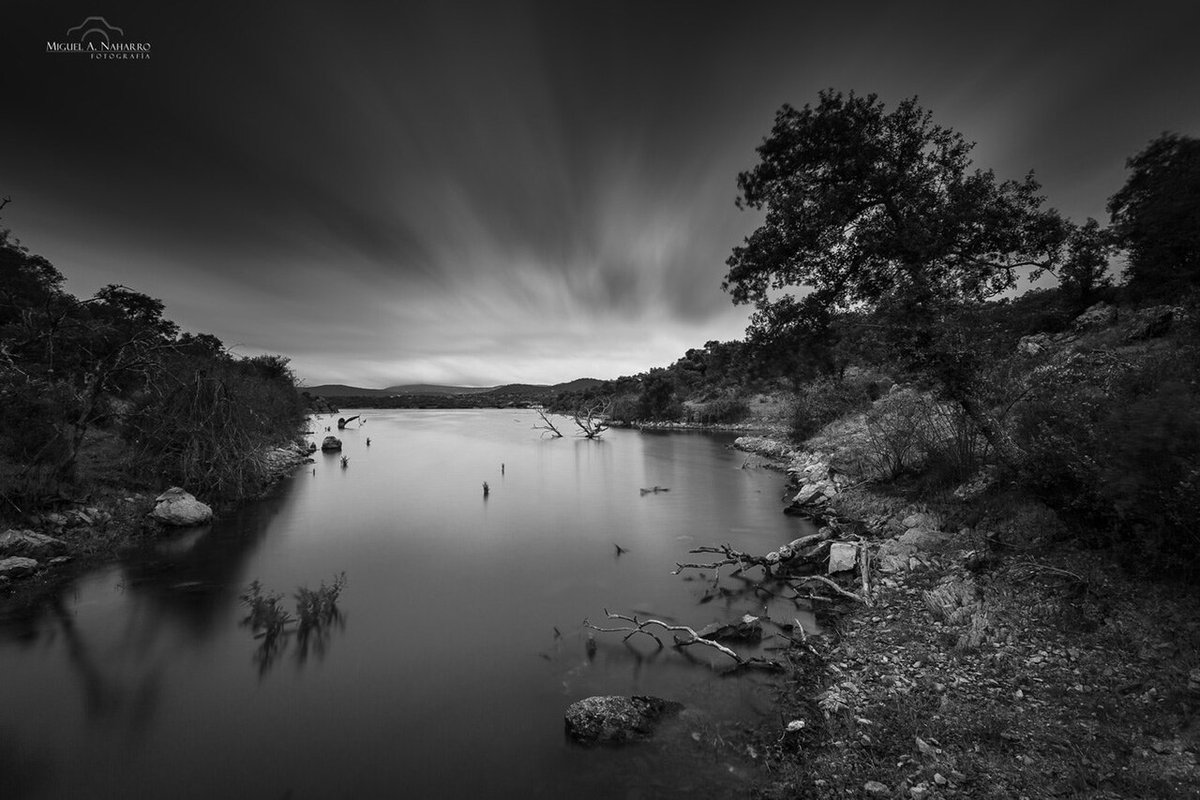
The character of Táliga is shaped as much by its surroundings as by its streets. Beyond the houses, the land opens into the dehesa: holm oaks, olive groves and wide plots stretching as far as the eye can see.
At first glance, the landscape can seem empty. Stay a little longer and movement begins to appear. Livestock grazes quietly. Dogs keep watch. A tractor passes along a track. The scene has a calm that invites observation rather than spectacle.
It resembles the sea on a still day. From a distance, nothing seems to happen. Look more closely and there is always something in motion.
During summer, cows or Iberian pigs are often visible beneath the oaks. Everything takes place at an unhurried pace, in extensive grazing systems rather than intensive farming. This is a landscape best understood on foot. Walking along an agricultural path reveals far more than viewing it from a car.
A short stop, without a fixed plan
A visit to Táliga does not require a detailed itinerary. A couple of hours is enough to get a sense of the place, and the most sensible approach is to do what the locals do: walk without a plan.
A simple route might begin in the centre, pass by the church, circle the square and then continue along one of the side streets. From the edges of the village, the terrain quickly opens out towards the plains. On clear days, the horizon stretches wide, like a table cleared before a meal begins.
Several agricultural paths lead directly into the countryside. These are not marked hiking routes. They are working paths used for daily tasks. Even so, a short walk along one of them places you firmly within the open landscape that defines much of western Extremadura.
Birdlife adds another layer of quiet activity. Vultures circle high above. Small flocks move between the oaks. Turtle doves cross the fields. No special equipment is needed. Often it is enough to look up while walking.
Food and shared traditions
Food in Táliga is straightforward and rooted in long-standing habits. Olive oil, Iberian cured meats and aged cheese form the basis of local cuisine. These are products that need little explanation, as they have been present in kitchens across the area for generations.
One tradition that still lingers in local memory is the matanza del cerdo, the slaughter of the pig, traditionally held in November. It was once a communal task in which many people took part. Today it often has a more festive tone, yet it still reflects the idea of shared work and collective effort.
At certain times of year, especially in spring or early autumn, romerías take place. These are pilgrimages or gatherings that head towards nearby hermitages. They are simple occasions built around long tables, homemade food, wine and conversations that last longer than expected.
Before you go
Táliga does not cater to visitors with packed schedules. It feels more like spending time in someone else’s home while they continue with their normal routine.
Summer brings strong heat, and many streets offer little shade. Arriving at midday makes that immediately clear, much like stepping onto a road with no trees in sight. The pace of the village does not change for the weather, so it is something to bear in mind when wandering through its streets or heading out into the surrounding countryside.