Vista aérea de Torre de Miguel Sesmero
Instituto Geográfico Nacional · CC-BY 4.0 scne.es
Extremadura · Meadows & Conquerors

Torre de Miguel Sesmero

The church bell strikes noon, yet the plaza remains in morning shadow. At 324 metres above sea level, Torre de Miguel Sesmero sits low enough to fe...

1,234 inhabitants · INE 2025
324m Altitude

Why Visit

Church of la Candelaria Lagoon walk

Best Time to Visit

spring

August Fair (August) agosto

Things to See & Do
in Torre de Miguel Sesmero

Heritage

  • Church of la Candelaria
  • village lagoon
  • old mill

Activities

  • Lagoon walk
  • Hiking
  • Cultural visit

Festivals
& & Traditions

Fecha agosto

Feria de Agosto (agosto), Candelaria (febrero)

Las fiestas locales son el momento perfecto para vivir la autenticidad de Torre de Miguel Sesmero.

Full Article
about Torre de Miguel Sesmero

Agricultural town with a history tied to bishops and nobles; known for its old olive-oil mill and lagoon.

Ocultar artículo Leer artículo completo

The church bell strikes noon, yet the plaza remains in morning shadow. At 324 metres above sea level, Torre de Miguel Sesmero sits low enough to feel the Extremaduran heat, but high enough to catch Atlantic breezes that rustle through the 18th-century olive mill locals still call 'Convento de las Claras'. This isn't a convent at all, but a former industrial building whose thick stone walls now house village offices and occasional art exhibitions—a quirk that captures the place perfectly: modest, practical, slightly mislabelled.

The Rhythm of Dry Land

From the main square, where elderly men occupy the same bench positions they've held for decades, the landscape unfurls like a parchment. Olive groves stretch to every horizon, their silver-green leaves catching light that seems to come from everywhere and nowhere. This is secano country—dry farming land—where agriculture follows rainfall rather than irrigation schedules. The result is a calendar marked less by tourism seasons than by the olive harvest, pruning cycles, and the moment when storks return to rebuild nests on telegraph poles.

The village's 1,228 inhabitants know every dip and rise of the surrounding penillanura, that characteristic Extremaduran landscape of gentle undulations. They'll tell you, if you ask, that the best walking happens before 10am or after 6pm, when shadows create definition in what can seem a flat expanse. The caminos—dirt tracks leading between fields—offer easy strolling for anyone wearing sensible shoes. No grand vistas, no challenging climbs, just the meditative repetition of olive trunk after olive trunk, occasionally interrupted by a stone wall or a centuries-old holm oak providing shade for sheep.

What Passes for Sights

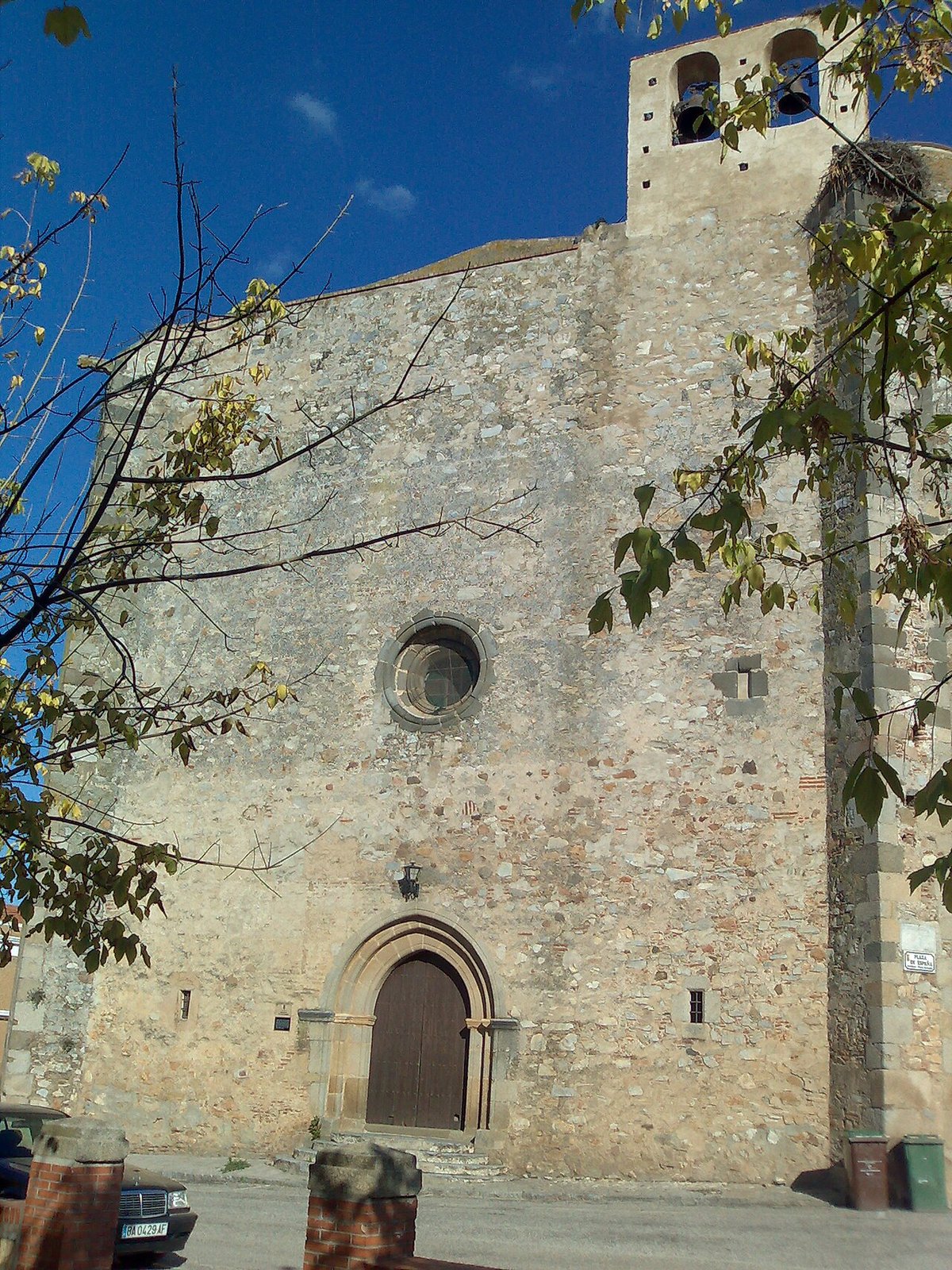
San Miguel Arcángel church anchors the settlement with the authority of a building that has seen everything and expects little. Its whitewashed exterior reflects rather than absorbs heat; inside, the temperature drops ten degrees immediately. The interior won't feature in architecture magazines—simple wooden pews, locally donated saints, ceiling beams that have supported prayers since 1734—but it summarises rural faith perfectly. Notice how families sit in the same pews generation after generation, how the priest knows every cough and whisperer by name.

The historic centre spreads across perhaps eight square blocks, small enough to explore in twenty minutes, large enough to reveal details over several days. Houses stand one or two storeys high, their wooden doors painted ox-blood red or forest green, metal grills protecting windows that stay shuttered against afternoon heat. Washing hangs between buildings across narrow streets—real life continuing regardless of who might be watching. Cars park half on pavements because nobody designed these thoroughfares for modern vehicles; somehow it works, everyone manoeuvring around everyone else with minimal fuss.

Photographers arrive seeking white walls and blue skies, finding instead something more nuanced: the way lime wash catches different light throughout the day, how storks balance on bell towers against vast cloud formations, the geometric patterns of olive groves when viewed from the small rise east of the village. Sunrise and sunset provide the golden hour clichés, but the real magic happens during the blue hour after sunset, when house lights create pools of warmth against cooling stone.

Eating According to the Land

Local cuisine reflects what grows in this climate and what farmers need after dawn-to-dusk labour. Gazpacho extremeño arrives thick and refreshing, closer to a liquid salad than the better-known Andalusian version. Migas—fried breadcrumbs studded with pork belly and garlic—originated as a way to use stale bread, now elevated to comfort food status. Caldereta de cordero, lamb stewed slowly with local herbs, tastes of fields and patience.

The olive oil here carries peppery notes that catch the throat—in a good way. Ask for pan con aceite at Bar Central on the plaza; they'll bring crusty bread, a bottle from the cooperative, and salt that tastes of the Atlantic, forty kilometres distant. This simple combination, eaten while watching grandparents supervise grandchildren on tricycles, costs €2.50 and provides more insight than any guided tour.

When the Village Celebrates

Late September brings the fiestas patronales honouring San Miguel, when the population swells with returning families. The plaza fills with folding chairs, neighbours who haven't seen each other since Christmas compare notes about children working in Madrid or London. Processions wind through streets barely wide enough for the bearers; drums echo off stone walls at volumes that would require health warnings elsewhere. For three days, nobody sleeps much, everyone eats too much, and the village operates on its own rules.

August's summer feria provides a different energy—outdoor concerts lasting until 4am, teenage courtship rituals played out around the mobile disco, elderly residents observing from safe distances. Temperatures often exceed 40°C during daylight; activities shift to night automatically. Visitors sometimes struggle with this timetable, arriving for breakfast at 9am to find everything closed until evening.

Getting Here, Staying Put

Flying to Lisbon then driving east takes roughly five hours total from London—longer than reaching better-known Spanish destinations, which explains why tour coaches remain rare sights. Car hire proves essential; public transport involves multiple changes and considerable patience. The nearest hotels sit in Badajoz, forty minutes north, meaning most visitors day-trip or arrange rental houses through local agencies.

What Torre de Miguel Sesmero offers isn't Instagram-worthy moments or bucket-list ticks. Instead, it provides space to recalibrate—to walk at speeds determined by shade availability rather than step counters, to notice how sky and land meet with minimal human interruption, to understand why some people choose lives that appear unchanged for decades. The village doesn't demand admiration; it simply continues, following rhythms established long before cheap flights and remote working.

Come between March and May or October and November, when temperatures hover around 20°C and storks migrate overhead. Avoid July and August unless you handle heat well and enjoy empty midday streets. Bring binoculars for birdwatching, comfortable shoes for dirt tracks, and enough Spanish to order coffee without resorting to pointing. Leave expecting nothing spectacular; depart understanding that sometimes, nothing much happening constitutes the entire point.

Key Facts

Region
Extremadura
District
Llanos de Olivenza
INE Code
06131
Coast
No
Mountain
No
Season
spring

Livability & Services

Key data for living or remote work

2024
ConnectivityFiber + 5G
HealthcareHospital 9 km away
EducationElementary school
Housing~5€/m² rent · Affordable
Sources: INE, CNMC, Ministry of Health, AEMET

Planning Your Visit?

Discover more villages in the Llanos de Olivenza.

View full region →

More villages in Llanos de Olivenza

Traveler Reviews