Valverde de Leganés 1.jpg
Extremadura · Meadows & Conquerors

Valverde de Leganés

The church bell strikes seven and the day's heat finally loosens its grip. From doorways along Calle Real, plastic chairs scrape onto flagstones. G...

4,230 inhabitants · INE 2025
295m Altitude

Why Visit

Rebelde Dolmen Dolmen Route

Best Time to Visit

spring

August Fair (August) agosto

Things to See & Do
in Valverde de Leganés

Heritage

  • Rebelde Dolmen
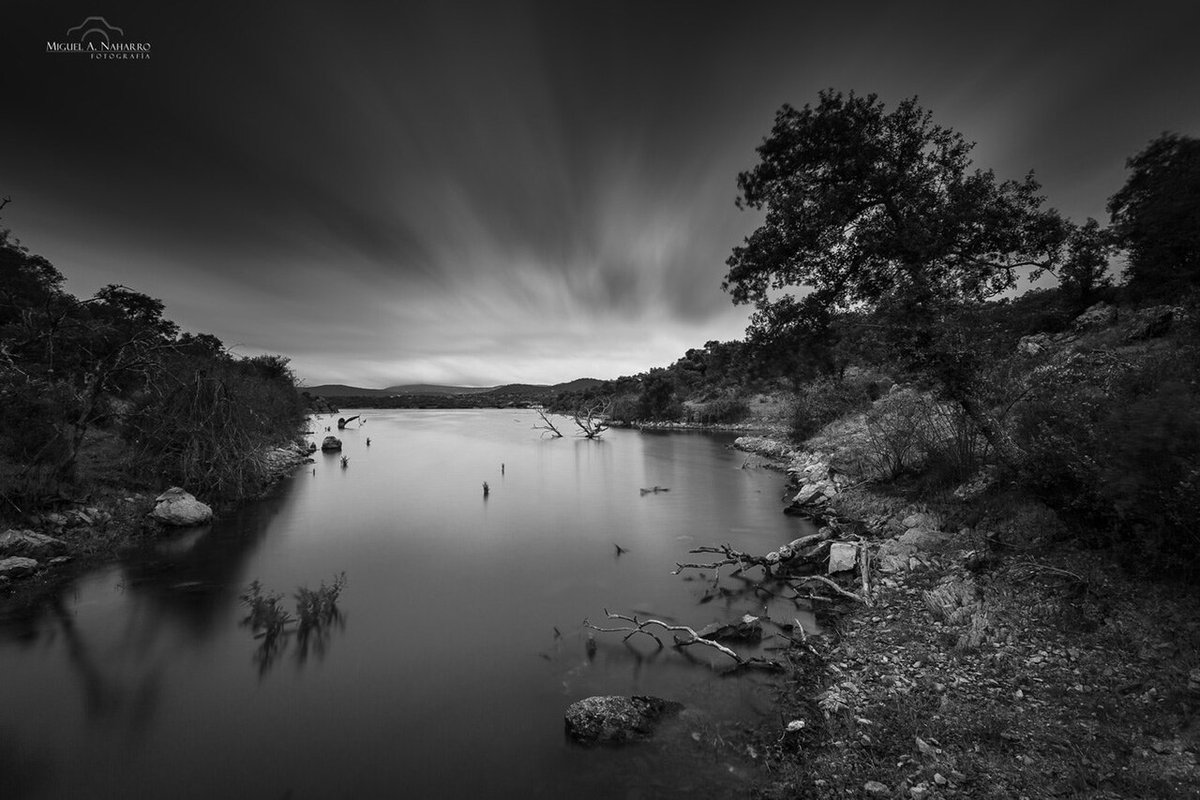
  • Piedra Aguda Reservoir
  • Church of San Bartolomé

Activities

  • Dolmen Route
  • Fishing at Piedra Aguda
  • Hiking

Festivals
& & Traditions

Fecha agosto

Feria de Agosto (agosto), San Bartolomé (agosto)

Las fiestas locales son el momento perfecto para vivir la autenticidad de Valverde de Leganés.

Full Article
about Valverde de Leganés

A lively town near Badajoz and Olivenza, known for its megalithic heritage and the Piedra Aguda reservoir.

Ocultar artículo Leer artículo completo

The church bell strikes seven and the day's heat finally loosens its grip. From doorways along Calle Real, plastic chairs scrape onto flagstones. Grandfathers shuffle out with newspapers; mothers call children in for supper. This is Valverde de Leganés at its most animated, and the population still barely tops four thousand.

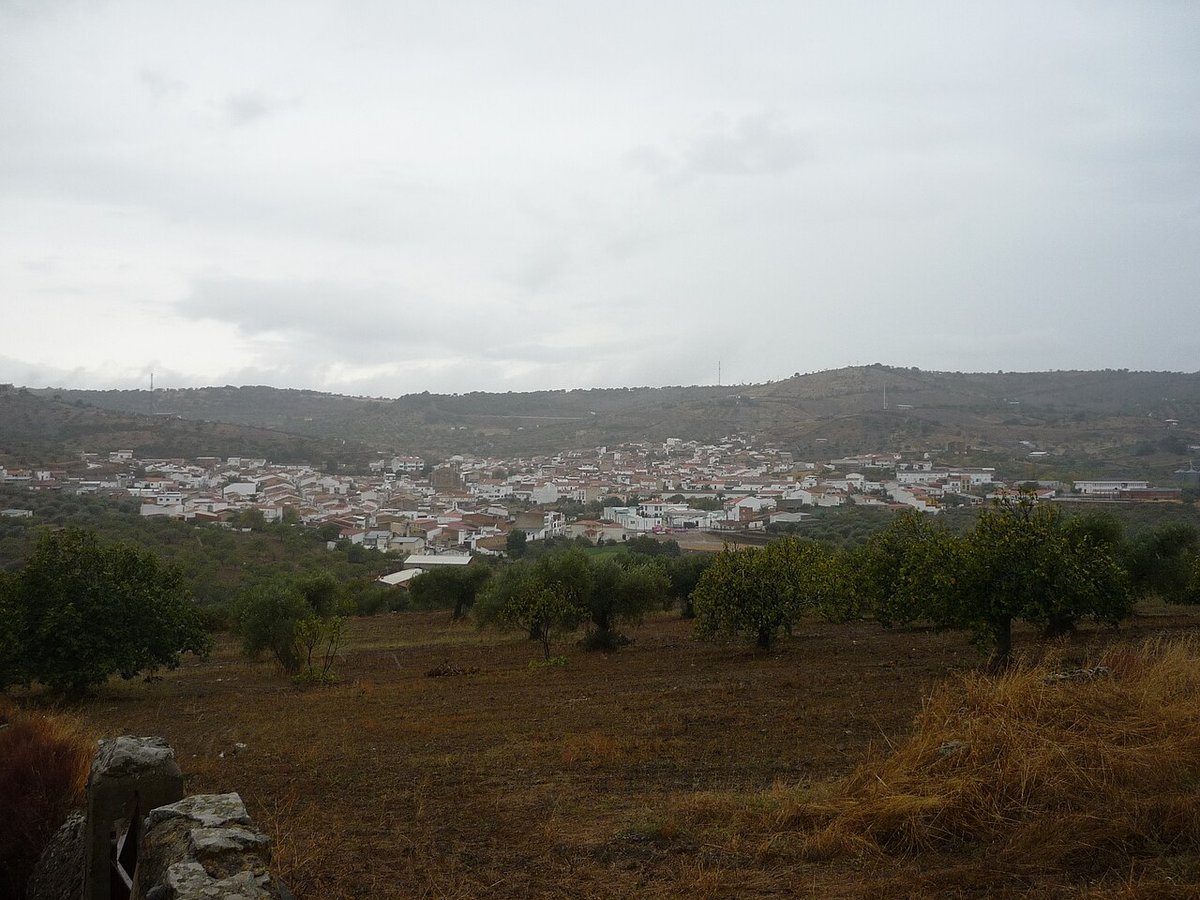
Extremadura's dusty south-west corner feels like Spain before the package tours. The village sits on the Llanos de Olivenza, a rumpled blanket of olive groves that runs almost to the Portuguese border twenty kilometres west. Silver-green leaves shimmer right up to the whitewashed houses, interrupted only by the odd farmhouse or collapsing stone hut. There are no postcard bays here, no dramatic sierras—just horizon, sky and the rhythmic rows of trees that have paid the bills since the 18th century.

A town that still works the land

Spend a morning on the back roads and you'll meet more tractors than tourists. Farmers check drip-feed hoses; crews beat branches with long poles during November's olive rush. The landscape smells of warm earth and crushed leaves, a scent that lingers on clothes long after you've left. Walking tracks exist—old drove roads linking cortijos—but signage is sporadic and phone signal patchy. Download an offline map or simply ask at the panadería; directions come with generous measures of local pride.

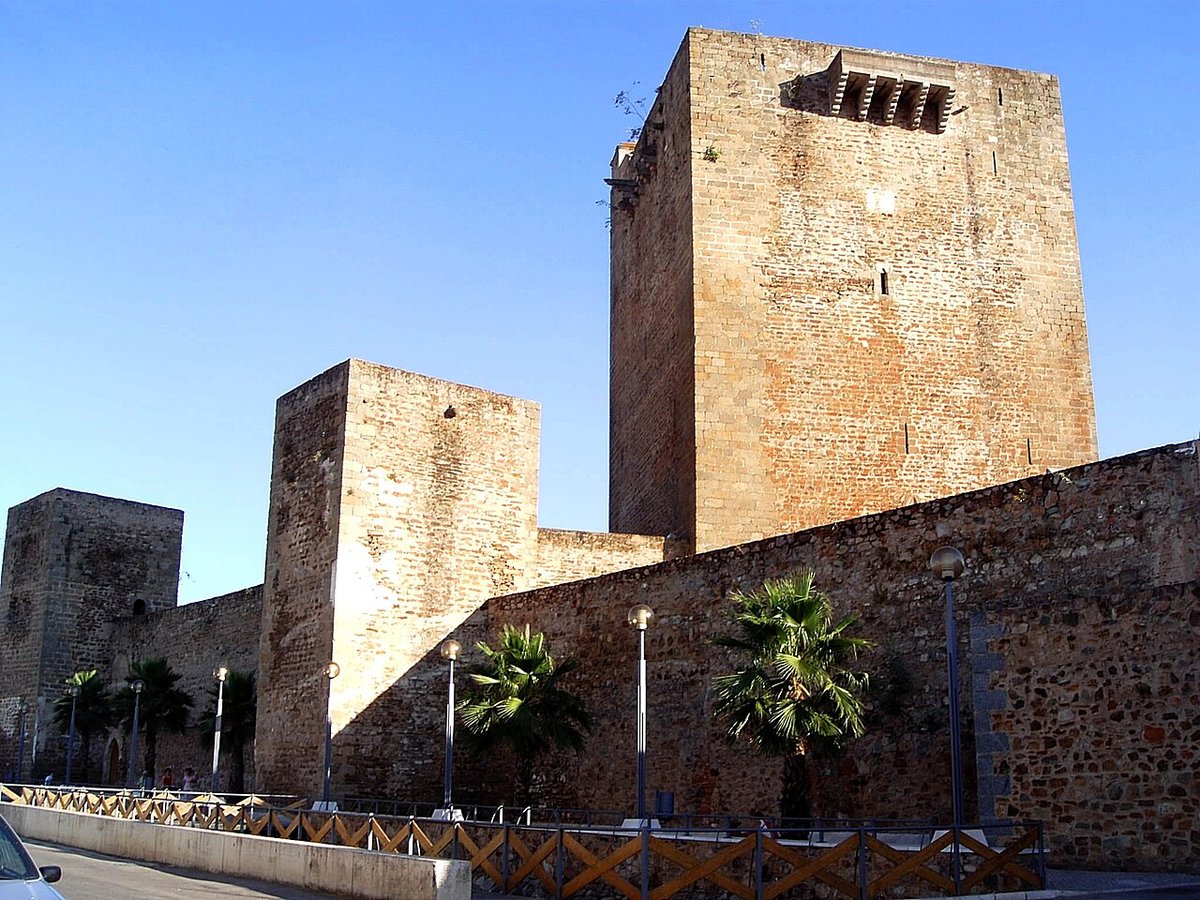
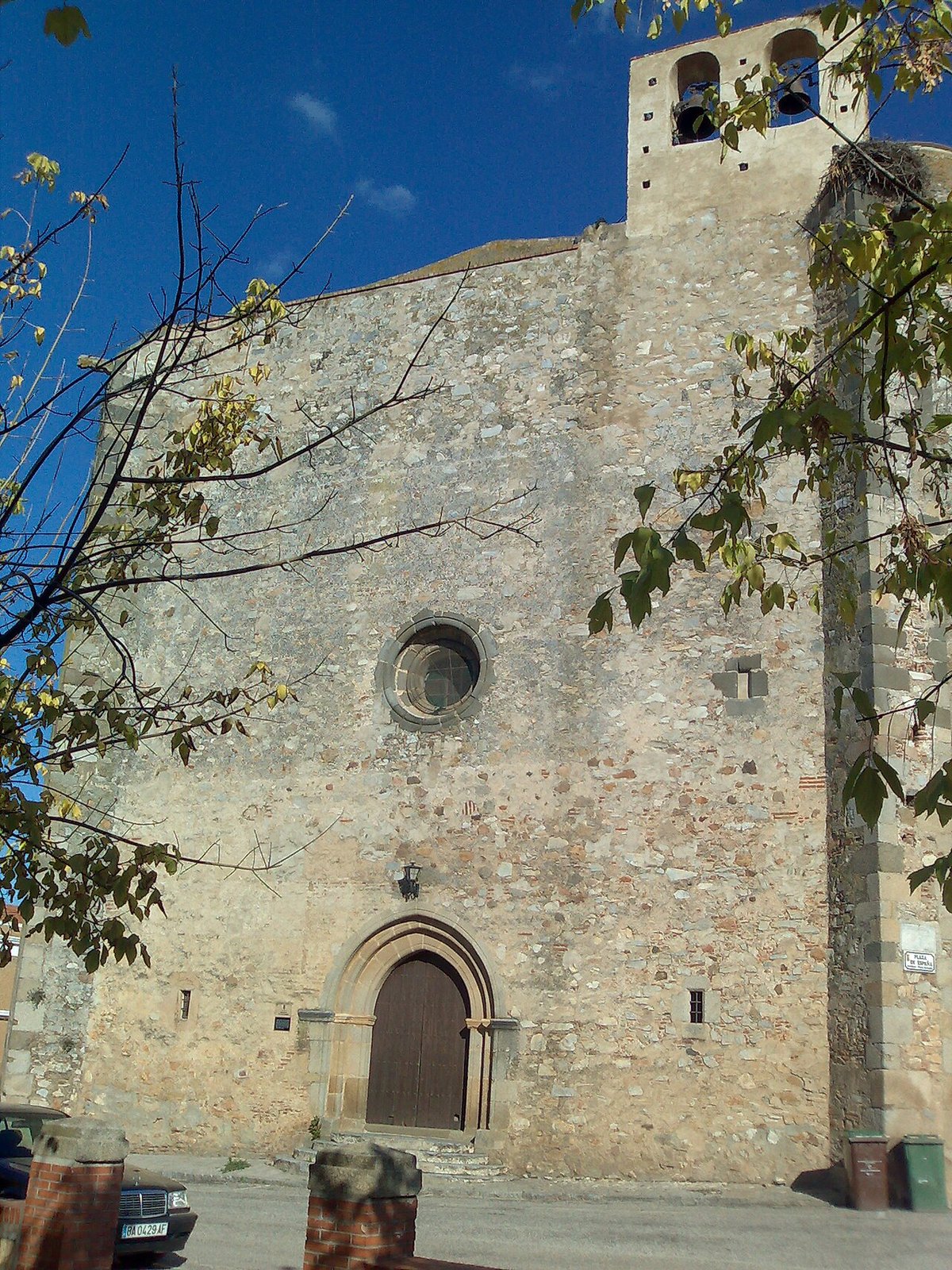
San Bartolomé church rises above the low roofs, its tower patched in mismatched stone after centuries of border-war battering. Inside, the nave is cool and plain, the only glitter a 16th-century Flemish triptych saved from Napoleon's troops by being buried in a field. Around the main square the mansion houses are more ornate: wrought-iron balconies, ochre trim, dates carved above doors—1756, 1823—when olive prices first soared. None are museums; people live behind the shutters, hang washing where knights once carved coats of arms.

What passes for excitement

Evenings centre on the covered market hall, lately restored but still half-empty. One stall sells jamón ibérico from acorn-fat pigs; another offers queso de oveja so sharp it makes the tongue tingle. Prices feel stuck in the nineties: a hand-carved ham wedge, enough for four sandwiches, costs about €6. Opposite Bar Central, rusted farm tools hang on the wall like retired warriors. Order a caña and you're given a free tapa—perhaps cordero estofado (lamb stewed with potato) or migas (fried breadcrumbs laced with chorizo). The food is sturdy rather than delicate; portions assume you've spent the day behind a plough.

Fiestas break the routine. San Bartolomé week, around 24 August, brings flamenco in the square, fireworks that rattle greenhouse roofs, and novilladas where teenagers test courage against young bulls. Accommodation fills up with returning emigrants from Madrid and Barcelona; book early or expect a 30-minute drive to Badajoz. October's olive-oil days are calmer—mill tours, free tastings, chemists explaining polyphenols to grandmothers who have been pouring the stuff for eighty years.

Birds, bikes and border castles

Naturalists arrive with scopes rather than bucket lists. The open farmland suits great bustards and little owls; spring mornings echo with cuckoos and the dry rattle of corn buntings. You can spend a dawn on the Villanueva track, share thermos coffee with a retired teacher who'll rattle off Latin names, and still be back for breakfast by ten.

Road cyclists like the rolling tarmac that heads west to Olivenza, a fortified Portuguese town whose 14th-century walls frame whitewashed alleys and a cracking cake shop. The route is 38 km return, almost traffic-free, with one café stop at San Vicente, where the proprietor keeps a giant pig's leg permanently clamped in its stand.

Drivers have it easier. Badajoz city—castle, museums, riverfront restaurants—lies 25 minutes down the EX-391. Merida's Roman theatre is an hour north; the Alqueva dark-sky reserve, where stargazers count satellites by eye, sits just across the border. Many visitors use Valverde as a quiet billet: rent a cortijo with pool, spend mornings among olive trunks, afternoons touring, nights grilling supermarket steaks under a Milky Way unpolluted by neon.

Practical truths

Getting here takes planning. The nearest airport, Badajoz, has only Madrid connections; from the UK you'll change in the capital or hire a car at Barajas and drive four hours on the A-5, a smooth toll-free motorway that slices through mile after mile of encina oak. Trains don't reach the village; buses from Badajoz are infrequent, aimed at schoolchildren rather than holidaymakers. Without wheels you're stuck, and summer temperatures above 40 °C make walking anywhere after 11 a.m. a feat of endurance.

Accommodation is thin. There are three legal rural houses—Los Gaitanes sleeps ten round a pool, Mountain View villa trades on sunset panoramas, and a third above the butcher's offers simpler rooms at €45 a night. Reserve months ahead for Easter and August; outside those windows you can usually find space with a week's notice. If you crave a hotel bar, the nearest chain option is the Ilunion Golf outside Badajoz—20 kilometres of night-time taxi fare.

When to come, when to stay away

April turns the fields emerald; almond blossom drifts like snow and daytime highs hover around 22 °C—perfect for cycling before the siesta shutters close. October brings the harvest, purple olives rattling into nets and the mills' green-grass perfume drifting through streets. Both seasons sell out fast with Spanish weekenders.

July and August belong to the lizards. Heat starts reasonable but by 3 p.m. the village empties; even dogs seek shade under parked cars. Night-time can still touch 28 °C, so villas need pools or you'll melt. Mid-winter flips the coin: crisp blue skies, wood-smoke curling from chimneys, but rural houses lack central heating and stone walls hold the chill. Bring slippers and expect the pool to be ornamental.

The bottom line

Valverde de Leganés won't hand you Insta-moments on a plate. It offers instead something British market towns lost decades ago: shops that know your name, a bar where the olives are free, and a landscape that works for its living. If you want flamenco troupes or infinity pools, stay on the coast. If you're content to rise with the campesinos, smell olive oil fresh from the press and feel time stretch, this flat, fertile corner of Spain still keeps a chair warm for you—plastic, inevitably, scraped across the flagstones just before the bell tolls eight.

Key Facts

Region
Extremadura
District
Llanos de Olivenza
INE Code
06143
Coast
No
Mountain
No
Season
spring

Livability & Services

Key data for living or remote work

2024
ConnectivityFiber + 5G
HealthcareHealth center
EducationHigh school & elementary
Housing~5€/m² rent · Affordable
Sources: INE, CNMC, Ministry of Health, AEMET

Planning Your Visit?

Discover more villages in the Llanos de Olivenza.

View full region →

More villages in Llanos de Olivenza

Traveler Reviews