Full Article
about Serradilla
In the heart of Monfragüe; known for the Cristo de la Victoria image and hiking trails
Hide article Read full article
A slow morning in Serradilla
Early in the day, before the heat settles in, the main square of Serradilla comes to life at its own pace. A shutter lifts with a sharp clatter, a chair scrapes across the floor under the arcades, and the bells of the church of Nuestra Señora de la Asunción break the stillness. With just under 1,500 residents, the village stretches across a low rise surrounded by holm oaks and seasonal streams that only carry water after a generous winter. Streets reveal whitewashed façades, small windows and wooden doors darkened by time.
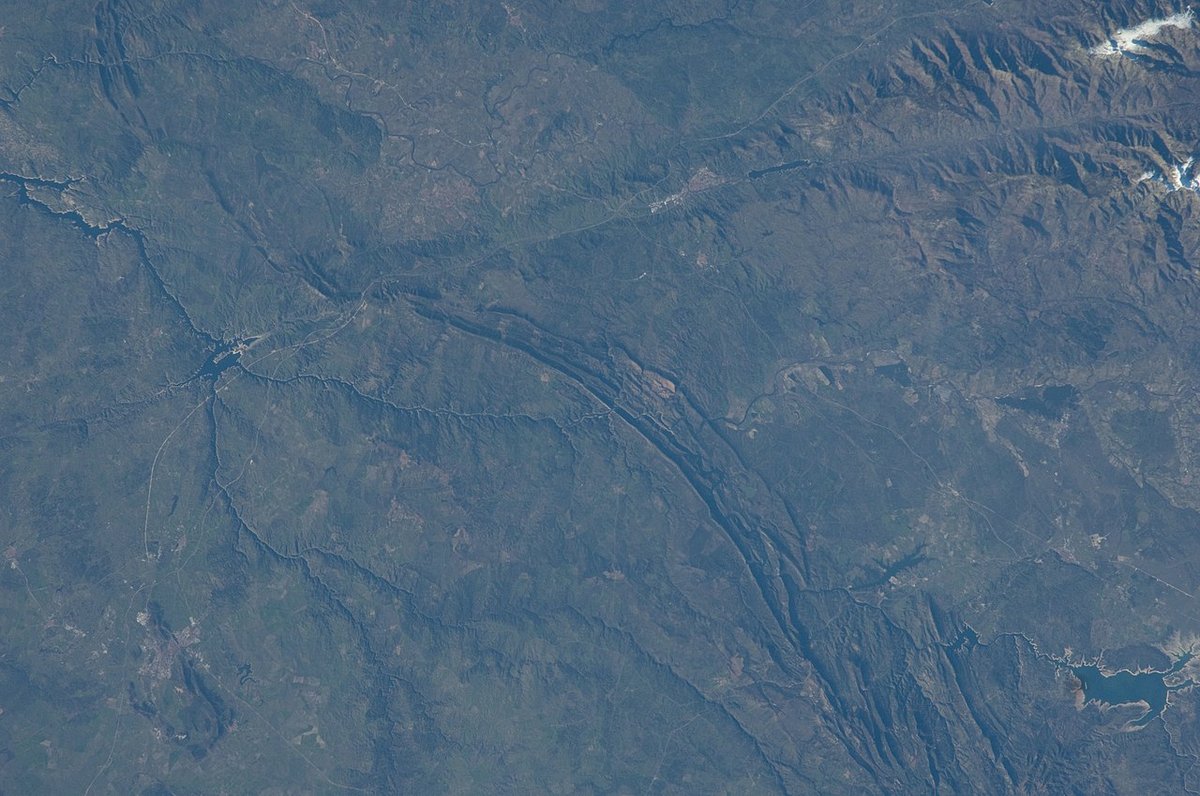
Serradilla sits at around 412 metres above sea level, in a part of Extremadura where the dehesa begins to ripple gently before reaching the Villuercas hills. The dehesa is a traditional landscape of scattered trees and open pasture, shaped over centuries by grazing and farming. Here, though, daily life is closely tied to the nearby Parque Nacional de Monfragüe. The park lies just a short drive away, and many head out early to explore it before returning to the village as the sun drops.
Close to Monfragüe
The presence of Monfragüe makes itself felt even on the edges of the village. Black vultures often appear high above, tracing slow circles over the holm oaks. At dawn and towards evening, when the air cools, black storks come into view along with the occasional large bird of prey heading towards the park.
Tracks lead out from Serradilla into the dehesa, threading between low stone walls and open farmland. These are routes for unhurried walks rather than long-distance hikes. Water is worth carrying at almost any time of year. From midday onwards the sun falls directly overhead, and shaded stretches are scarce.
The Plaza Mayor and streets sloping towards the countryside
Life in Serradilla centres on the Plaza Mayor, a rectangular square lined with arcades that provide shade in summer. At certain times of day, small groups gather to talk through local news while the occasional car passes slowly by.
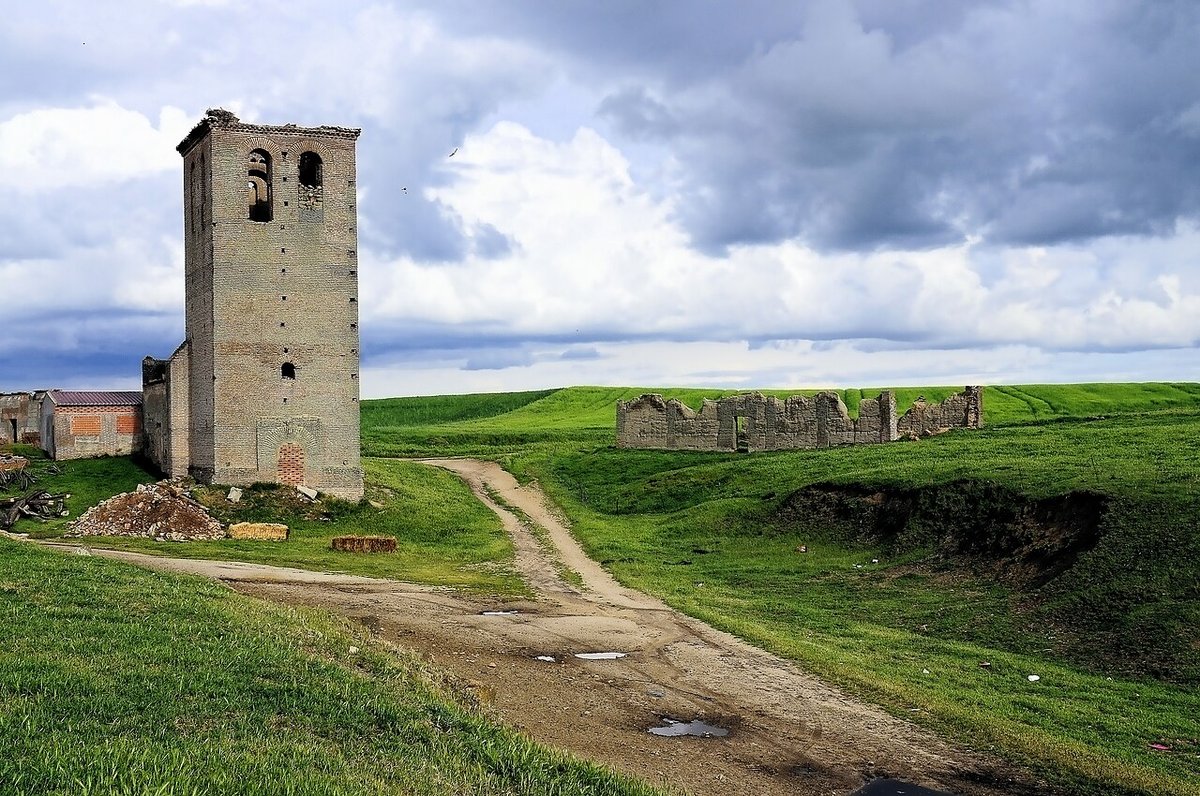
Facing the square stands the parish church. Construction began between the 15th and 16th centuries, and its tower, plain and without much ornament, acts as a reference point from almost anywhere in the village. Inside, there are Baroque altarpieces and an image of the Virgin that is closely linked to local celebrations.
Several streets lead down from the square towards the outskirts. Along them are balconies with dark ironwork, hanging plant pots and wide doorways where farm tools are sometimes kept. In Serradilla, village life and agricultural work still overlap in everyday routines.
Paths among holm oaks and traces of old mills
In the surrounding area, remains of old water mills can still be found. These once used small watercourses to operate, and many are now half hidden among rockrose and brambles, their stone walls gradually crumbling. They are not always easy to locate without local knowledge, but they appear from time to time when following streams or older paths.
The dehesa around Serradilla shifts noticeably with the seasons. Autumn brings a ground covered in dry leaves and acorns. In spring, grass grows tall beneath the holm oaks, and the air carries the scent of thyme as the sun strengthens.
Festivities that shape the year
The main celebrations usually take place in August, when many people who live elsewhere return to the village. During those days there are processions, music in the streets and long gatherings in the square that continue late into the night.
San Isidro is also observed in May and remains closely connected to agricultural life. Fields are traditionally blessed, and people come together around farming activities that still form part of everyday life here.
Holy Week is marked in a more restrained way. Processions move through the central streets accompanied by religious songs that many residents have known since childhood.
When to come and what to expect
Spring and early autumn tend to be the most comfortable times for walking around Serradilla and its surroundings. The countryside is greener, and temperatures make it easier to be outdoors throughout the day.
Summer heat becomes intense from mid-morning onwards. Walks are better left for early hours or the end of the day. In winter, after several days of rain, some of the dirt paths can turn slippery.
Serradilla is not defined by large monuments or streets filled with shops. Its character lies elsewhere: the distant sound of livestock bells, the slow glide of vultures over the dehesa, and the steady rhythm of a village that continues at its own pace, just a few kilometres from Monfragüe.