Full Article
about Cilleros
A key town in the Sierra de Gata, known for its pitarra wines and traditional cellars.
Ocultar artículo Leer artículo completo
Granite, Granite Everywhere
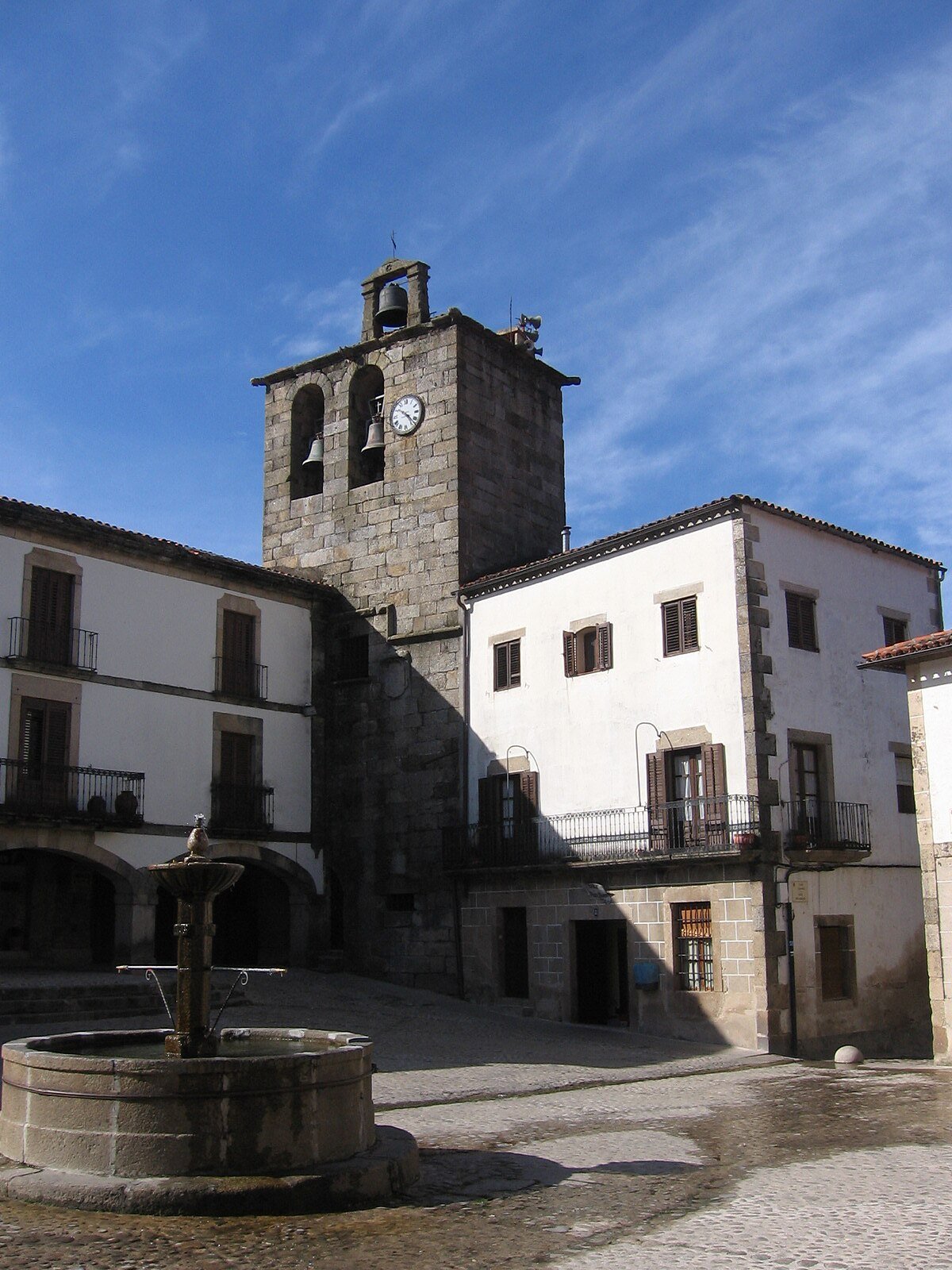
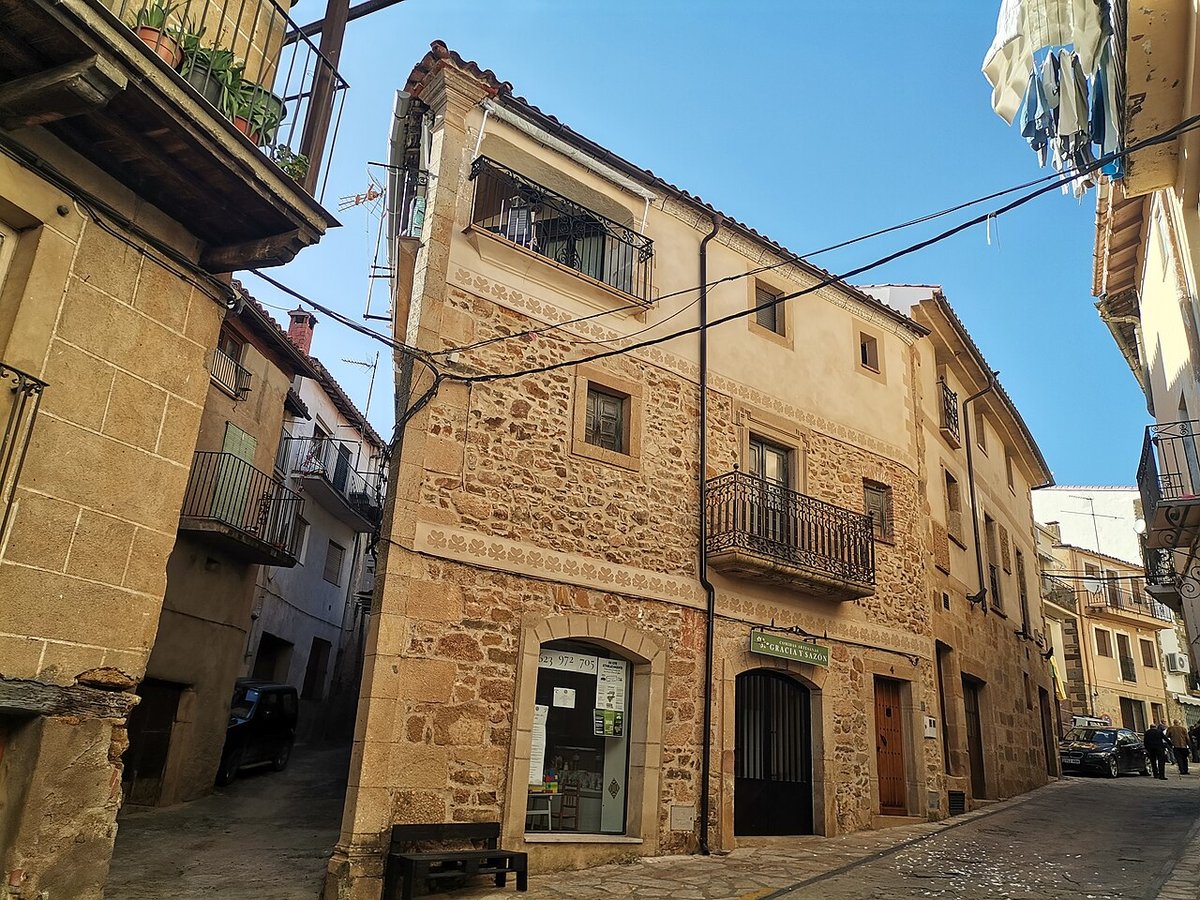
The first thing you notice is the stone. Every house, every wall, every uneven step seems carved from the same grey granite seam that runs beneath the Sierra de Gata. Cilleros sits at 480 metres, high enough to shave the edge off Extremadura's furnace summers but not so high that olive trees refuse to grow. From the village edge you can see Portugal – not as a dramatic panorama, but as a slightly different shade of oak-covered hill that happens to have a different country on top.
This is farming country where tourism feels incidental rather than essential. The 1,590 locals still measure distance in "how long it takes to walk to the finca" rather than kilometres, and the morning ritual involves coffee at Bar Central followed by checking which vegetables need watering. The village doesn't hide its age – it wears it in the polished cobbles of Calle Real and the iron balconies that have supported geraniums since someone's great-grandmother first planted them.
Santiago's Shadow and Other Landmarks
The Church of Santiago Apóstol dominates everything without trying. Built in stages between the 15th and 18th centuries, its tower serves as both compass point and weather vane for the village. Inside, the mix of Gothic ribs and Baroque altarpieces tells the story of a community that added bits when they had money and stopped when they didn't. The church door stands open most mornings; if it's locked, the key keeper lives three houses down – just knock.
Below the church, the Plaza Mayor functions as outdoor living room. Arcades from the 19th century shelter the weekly market (Tuesdays, 9am-1pm) where you can buy everything from local honey to replacement broom handles. The pharmacy occupies a corner where a blacksmith once shod mules, and the bakery opens at 6am with bread that rarely makes it past noon. There's no tourist office – directions come from whoever happens to be having a beer at the nearest bar.
The old town spreads uphill in a maze that defeats Google Maps. Calle de la Cruz leads past houses where granite blocks meet slate roofs with no apparent plan, each generation having added rooms where space allowed. At the top, remnants of medieval walls provide seating for teenagers who've discovered that archaeological ruins make excellent smoking spots.
Walking, Eating, and the Art of Killing Time
Serious hikers should download the GR®22 track before leaving home. This historic villages trail heads west to Termas de Monfortinho in Portugal – a 14km route that crosses two valleys and requires more water than you think. The Portuguese border sits 8km away as the crow flies, but the path follows ancient smugglers' routes that respected nobody's idea of straight lines. Summer walkers need to start by 7am; the sun here has no mercy and shade exists mainly in theory.
Back in the village, the gastronomy arrives without foam or fancy plates. Casa Manolo serves cordero a la estaca – whole lamb threaded onto an iron spit and cooked over holm oak until the outside crackles like pork crackling. The patatera, a soft spread of chorizo and potato, tastes familiar to anyone who's mashed leftover roast into sandwiches. Torta del Casar presents more of a challenge – this runny sheep's cheese costs €18 and divides tables like marmite. Order one to share; spread it on bread with quince paste if the flavour overwhelms.
For gentler tastes, the local honey carries hints of rosemary and thyme from surrounding hills. Fig trees grow like weeds here; in September the pavement becomes hazardous with fallen fruit that the village converts into everything from jam to anise-flavoured liqueur. Breakfast at Bar Julia involves coffee strong enough to wake the dead and toast drizzled with olive oil pressed from trees older than the Queen.
When the Valley Freezes and the British Complain
Spring brings wildflowers and temperatures that hover around 20°C – perfect for walking without resembling a sweat-drenched tomato. May sees the countryside explode into green that photographers drool over, while October offers mushroom hunting and the grape harvest. These shoulder seasons reveal Cilleros at its best: warm enough to sit outside, cool enough to sleep.
August requires strategy. The mercury regularly hits 38°C, air conditioning remains patchy, and the village pool (€3 day pass) becomes the social centre. Book accommodation with AC specifically – Casa Rural La Dehesa has it, along with dogs that serve as unofficial welcome committee. The Hotel AHC Palacio in Coria (15 minutes drive) offers pool access if your rental lacks cooling; British guests consistently warn about summer rooms that "felt like sleeping in a pizza oven."
Winter surprises first-time visitors. At 480 metres, night temperatures drop to freezing from December through February. The granite houses hold cold like storage units; pack slippers and request extra blankets. On the plus side, those same houses contain heat during summer afternoons – a mixed blessing that explains why locals live on the streets during July and August.
Practicalities for the Unprepared
Getting here demands wheels. The nearest train station sits in Plasencia (1 hour) or Cáceres (1 hour 15), both requiring car hire for the final stretch. From Madrid, it's 3.5 hours of motorway followed by country roads that curve like a British B-road but with added Iberian drivers. Bring cash – the village ATM closed in 2019 and the nearest lives in Coria. Shops observe siesta from 2pm-5pm; plan lunch accordingly or risk watching hungry Spaniards eat while you clutch an empty wallet.
Mobile signal disappears entirely in some valley spots. Download offline maps before leaving Coria, and tell someone your walking route. The Portuguese border crossing at Termas de Monfortinho has no passport control, but the café does excellent espresso and serves as proof you've walked to another country.
Cilleros won't change your life. It won't appear on glossy magazine covers or Instagram feeds full of infinity pools. What it offers instead is the rare chance to see Spain functioning for its own benefit – where old men still play dominoes under the arcade, where dinner happens at 10pm because that's when the day finally cools, and where the granite under your feet has supported centuries of people who never considered themselves remarkable. Come for two days, stay for three, leave before the quiet becomes too comfortable.