Full Article
about Descargamaría
Mountain village tucked into the Árrago valley, its vernacular buildings of slate and timber.
Hide article Read full article
A village that keeps things simple
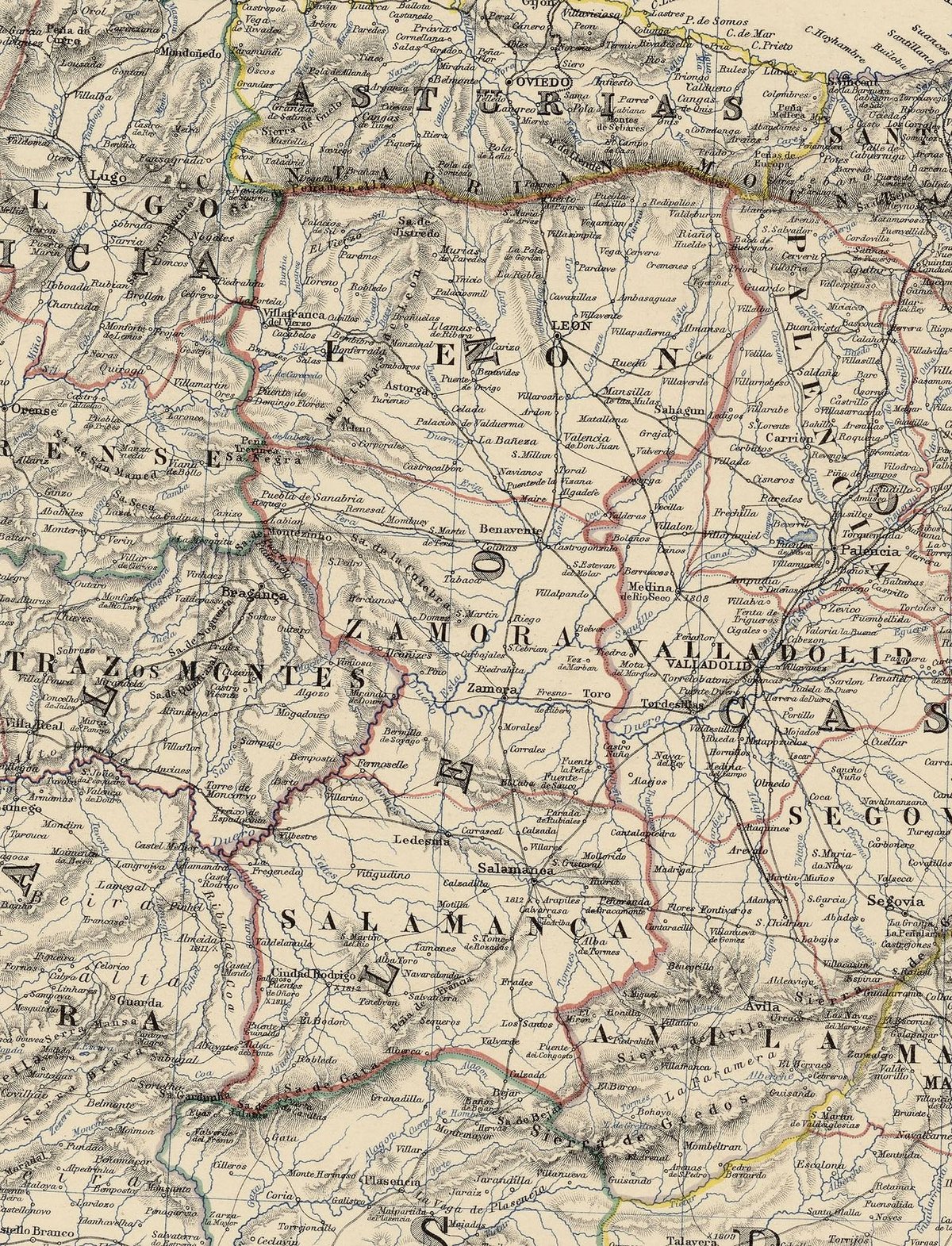
Some places feel like stepping into a slower rhythm, the kind where nothing needs to be rushed or updated. Descargamaría, in the Sierra de Gata, has that atmosphere. It barely reaches a hundred residents, and tourism here is closer to a short wander and a look around than a checklist of sights.
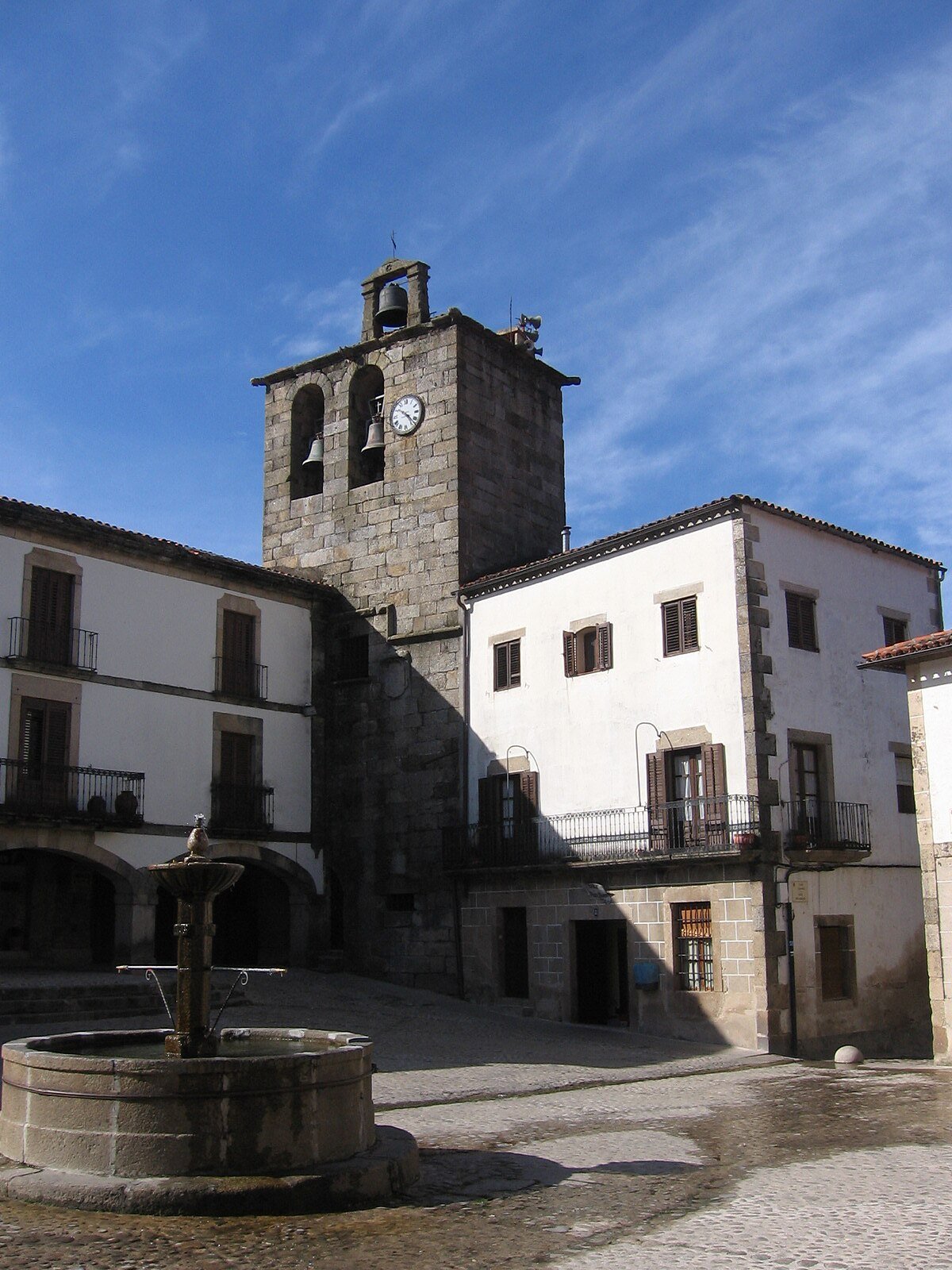
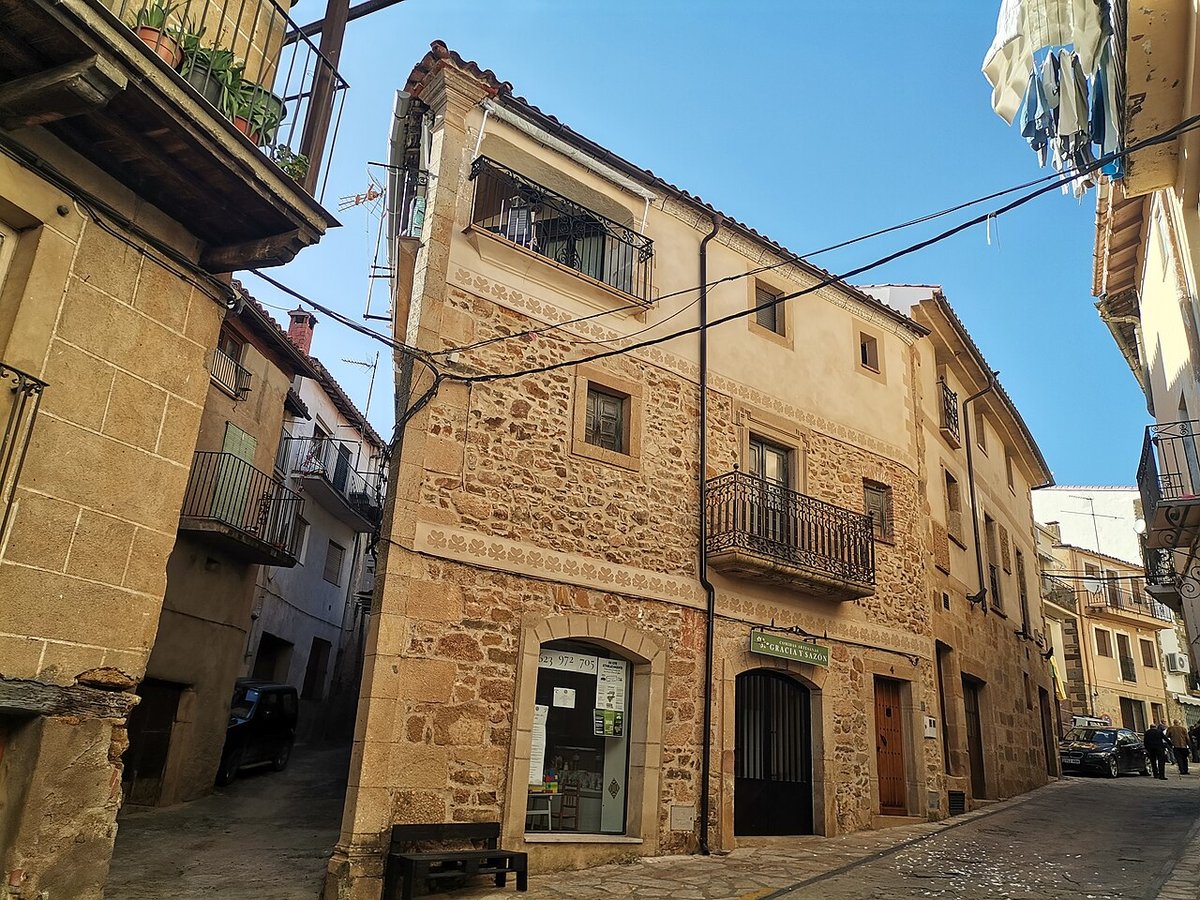
On arrival, simplicity stands out straight away. There are no grand squares or buildings designed to impress. Instead, the village is made up of slate houses, dark roofs and granite walls that have blended into the landscape over time.
The church of San Juan Bautista sits on the higher part of the village, overlooking the main street. Its bell tower can be seen from different corners. Inside, it is modest, the kind of place where size matters less than the fact it is still used by the community.
Walking through Descargamaría means moving up and down narrow streets. The paving stones shift slightly underfoot, and the most common sounds are a dog barking from a courtyard or neighbours talking from their doorways. Now and then a tractor passes, then quiet returns.
Hills, trees and everyday paths
The higher parts of the village open up views of the surrounding hills. In this area, the Sierra de Gata feels enclosed, with oak and chestnut trees covering slopes that stay green for much of the year.
Autumn brings a noticeable change, as chestnut trees take centre stage. It is still common to see local people gathering chestnuts or searching for mushrooms along the paths. This is not arranged for visitors or turned into an activity. It is simply part of everyday life, passed down over generations.
Some of those same paths are used by walkers moving between nearby villages. There is no expectation of extensive infrastructure or signposts every few metres. These are traditional routes, made up of tracks, footpaths and the occasional stream running clear after rainfall.
Small natural pools sometimes appear along those streams. They are not set up for swimming, but they offer a place to pause, dip a hand in the water or sit and listen for a while.
When night falls
Darkness arrives differently in a place like Descargamaría. Anyone used to city life will notice it quickly. A short walk away from the streetlights is enough for the sky to fill with stars.
There are no observatories or facilities built around stargazing. The effect comes simply from the lack of artificial light in the area. Looking up for a while gives a sense of how people once used the sky to find their way.
Traditions that continue quietly
The main local celebration centres on San Juan, around the beginning of summer. In a village of this size, festivities stay small in scale. There is a mass, neighbours gather, and a bonfire often appears once night falls.
Autumn brings another familiar scene across the Sierra de Gata: chestnuts roasting over a fire. Chestnuts have long been part of the local household economy, so gatherings around them remain a reason to meet and talk.
Memories of traditional pig slaughter and homemade cured meats still form part of village life. These practices are less visible than they once were, yet they remain part of the shared memory of the community.
Reaching Descargamaría and what it offers
The journey to Descargamaría usually means leaving main roads behind and following smaller regional routes through the Sierra de Gata. The drive is not difficult, but it gives a clear sense of heading into a more remote corner.
That sense of distance defines the place quite well.
Is it worth the detour? For anyone curious about the smallest villages in this part of the sierra, it can be. Descargamaría does not offer major monuments or a full day of structured plans. It suits a shorter stop: a walk through its streets, a look at the surrounding landscape, and a glimpse of how life unfolds in a very quiet part of Extremadura.