Full Article
about Eljas
A Fala village with a border castle and steep, history-filled streets.
Hide article Read full article
When the map gets confused
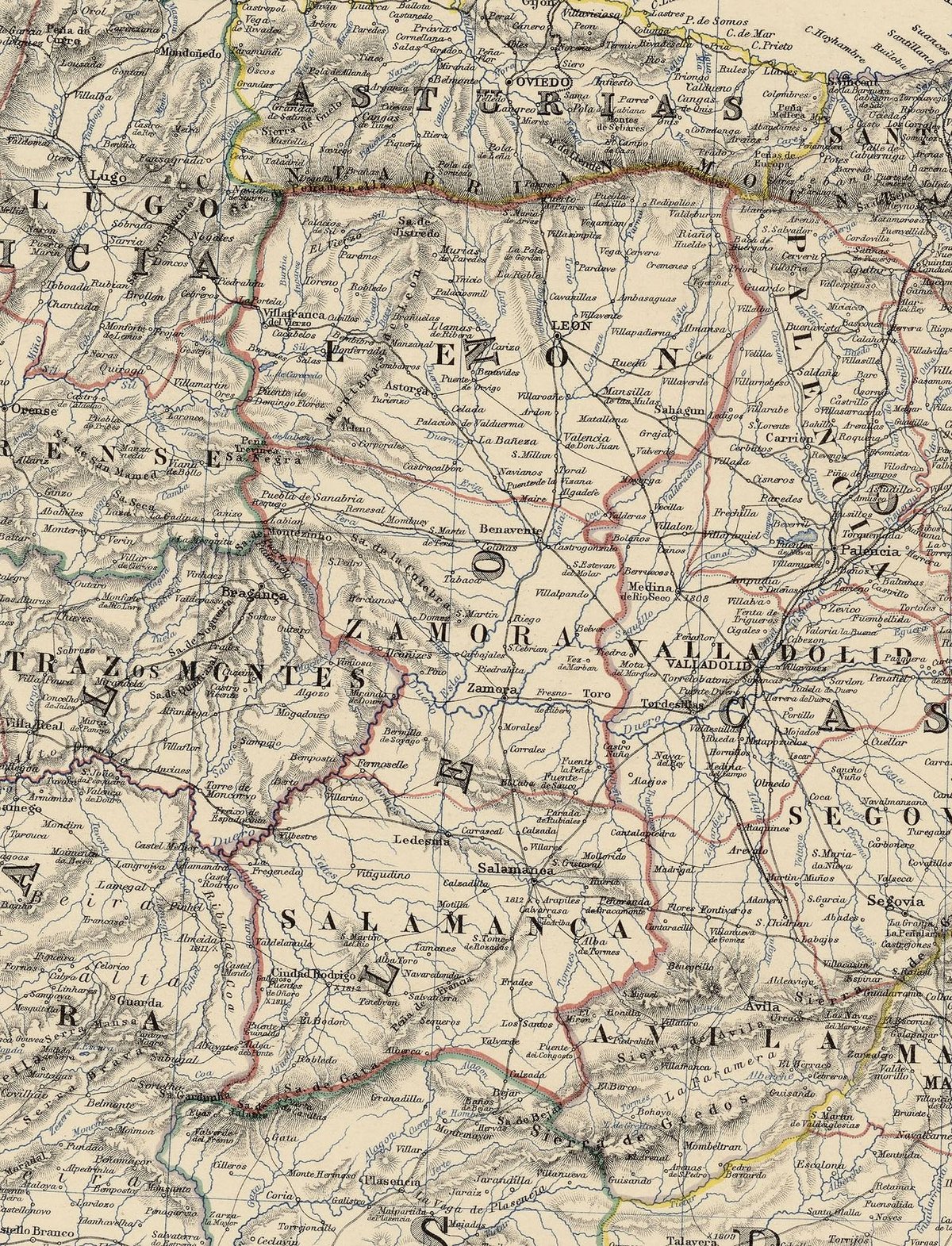
The GPS tends to lose its bearings as soon as you cross the bridge over the river Eljas. Your phone may insist you have entered Portugal, but you have not. This is still Spain. Welcome to Eljas, a place where road signs appear in both Spanish and fala.
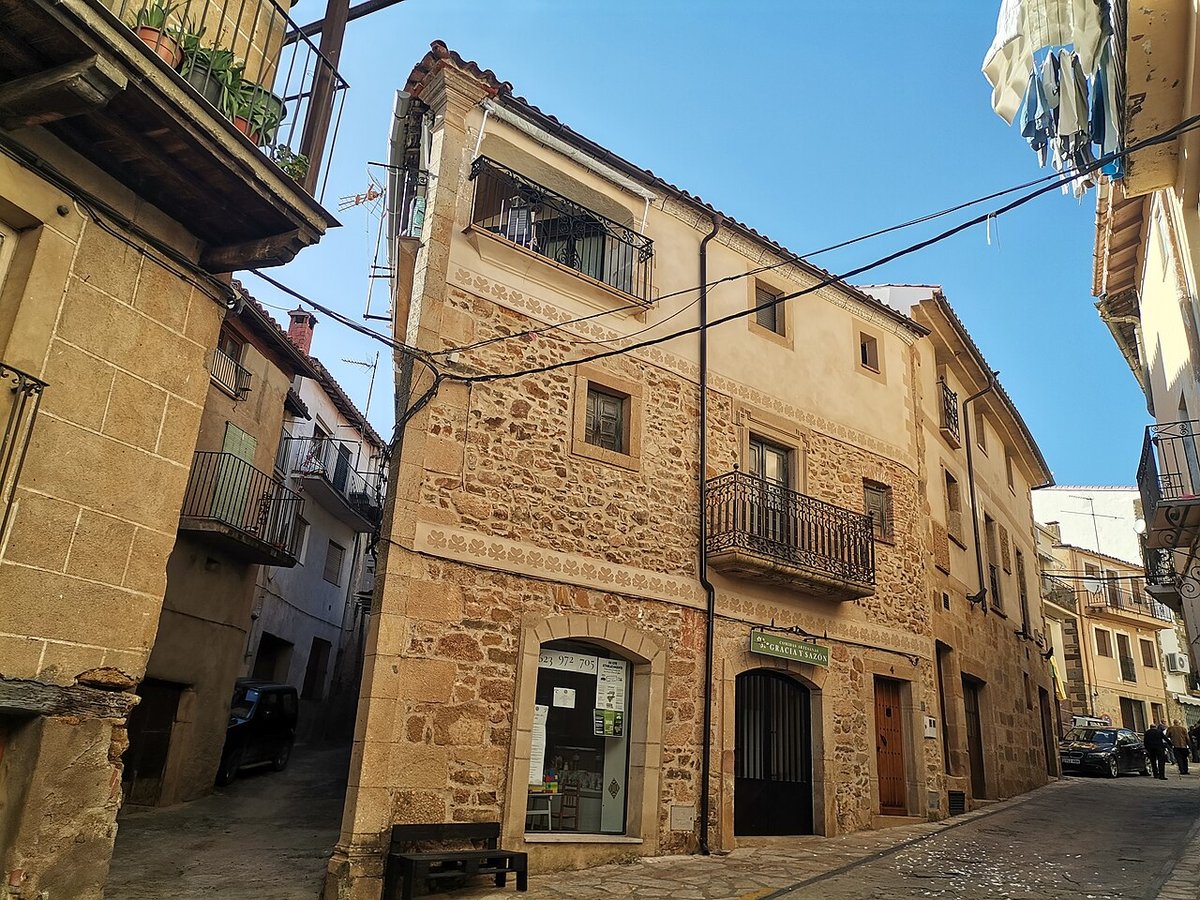
It makes sense to leave the car at the edge of the village and continue on foot. The streets are narrow, and driving adds little. Everything here can be seen in a short walk, with the layout revealing itself quickly as you climb.
A border that barely matters
The river Eljas, called Erges on the Portuguese side, traces the line between the two countries for many kilometres. In this corner, that line feels more like a suggestion than a boundary. If your mobile switches networks, you have probably drifted a little too close to the other side.
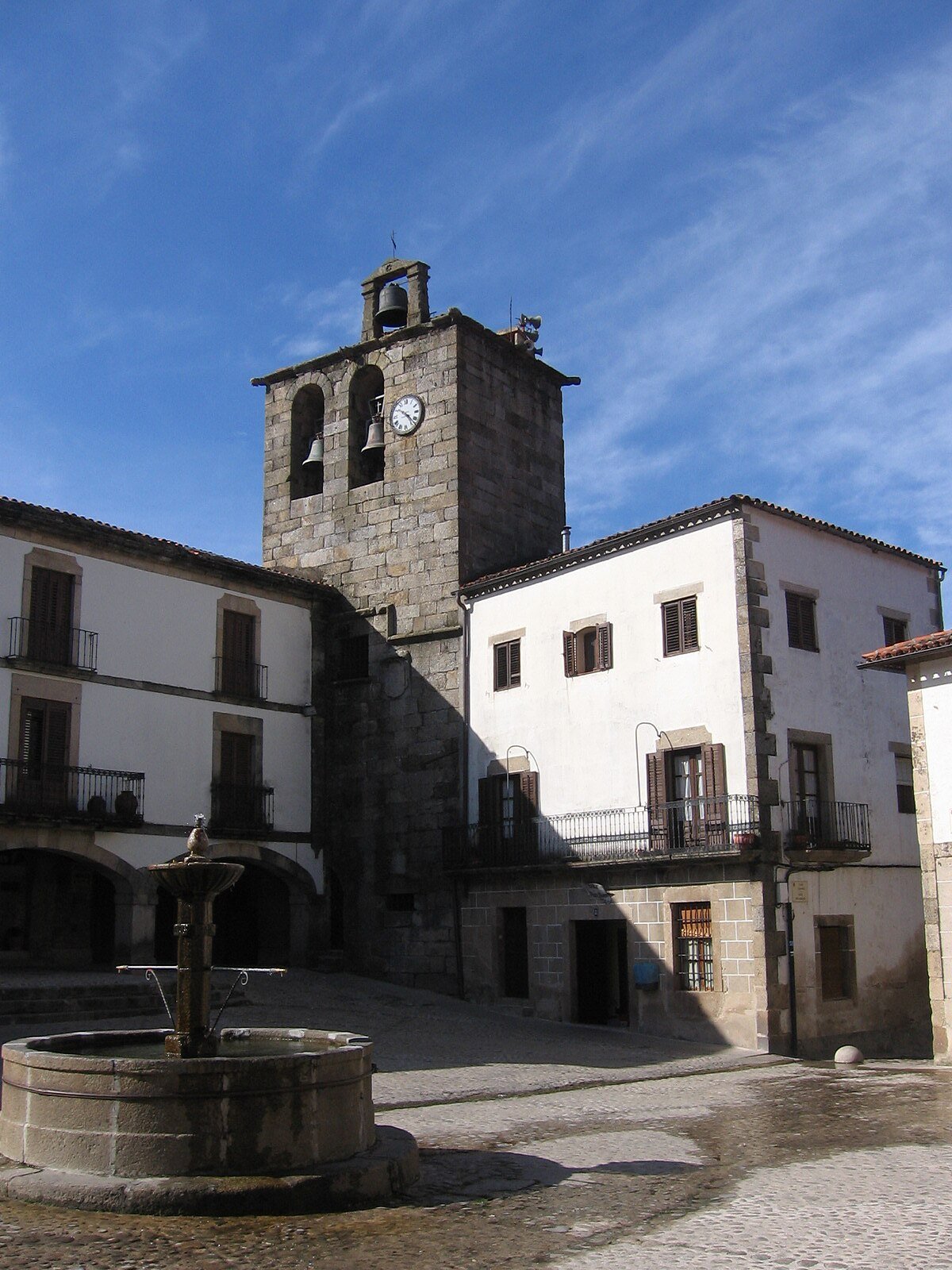
Eljas clings to a hillside. Stone houses rise in steps, topped with slate roofs. In autumn, balconies fill with chestnuts left out to dry. There is essentially one main street, with smaller offshoots that do not take long to explore.
Nearby lies the small settlement of El Soto. Very few people live there. Truly very few.
A castle that asks for little
Head uphill towards the castle, but keep expectations modest. What remains are fragments of walls and a wide, open view across the valley.
The structure was burned in the 17th century during the wars with Portugal and never fully rebuilt. From the top, the river’s course is easy to follow as it winds through the landscape. The surrounding hills shape the horizon. In spring the valley turns green, while in summer the colours shift and the terrain feels harsher.
The Church of the Asunción stands as the most carefully maintained building in the village. It is built in grey stone, with a square tower that anchors the skyline. Inside, there is an old altarpiece that locals know well. If the doors are closed, a glance through the gate will have to do before moving on.
The sound of fala
Fala is the language you will hear here. In Eljas it has its own tone, slightly different from that spoken in nearby villages. The rhythm is more sing-song.
Listening to two older residents talking, it may sound like Portuguese at first, but it is not quite that. It is a blend that has settled in this area over centuries. In the village shop, Spanish is used without difficulty, yet among themselves people switch naturally back to fala.
Many who left to live in places such as Catalonia, Madrid or Switzerland return during the summer months. When they do, fala becomes more present again in the streets, filling the gaps left during quieter times of the year.
Festivities, food and what remains
Local traditions continue to shape life in Eljas. During Las Candelas de San Blas, horses are brought into the centre of the village. They make their way up the cobbled streets while residents watch from doorways and windows.
Another event, the Ofertorio, fills the square with food and local produce. It is not a market in the usual sense. It feels closer to an exchange between neighbours, with goods circulating rather than being formally sold.
Food here follows what is available. The quesadilla de Eljas has nothing to do with the Mexican version. It is made from flour, water and a simple filling. Girixi‑girixo is a soup. Allu de patatas appears when supplies are limited.
On the municipal coat of arms there is a lizard. In the past, it was eaten. Today it remains as a symbol and as a story still told by older residents.
A practical note fits naturally with the pace of the place. Arriving early or towards the end of the afternoon works best. Park outside and walk in. And if you hear fala drifting through the streets, there is no need to try to decode it. Conversations move slowly here, and no one is in a hurry to translate.