Full Article
about Robledillo de Gata
One of Spain’s prettiest villages; untouched slate-and-timber architecture
Hide article Read full article
A small village with its own rhythm
Some villages seem arranged for a quick photo before moving on. Robledillo de Gata works differently. You arrive, leave the car where you can, and within minutes it becomes clear that the place runs at its own pace. This small settlement in the Sierra de Gata, with barely a hundred residents, still feels lived-in rather than staged.
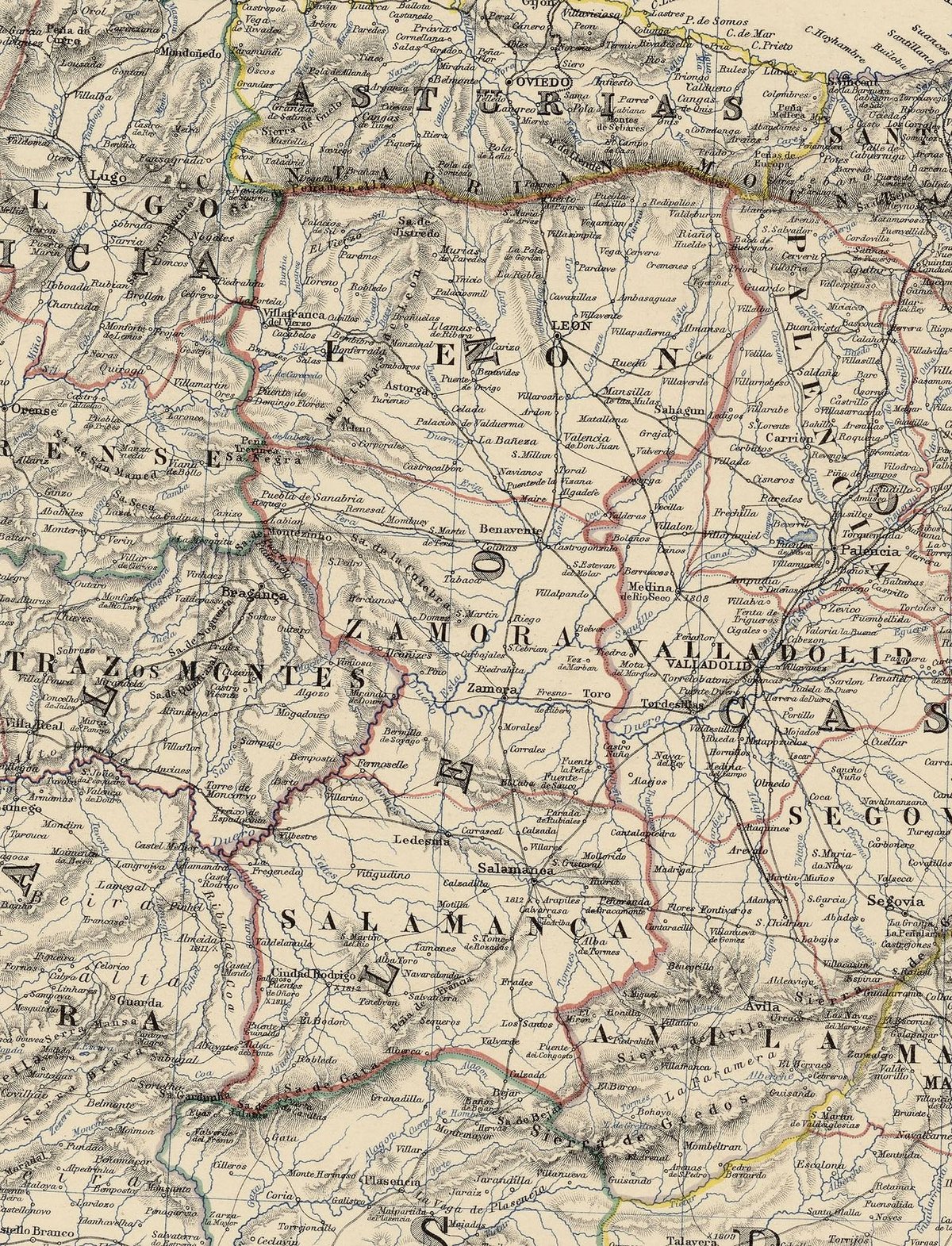
It sits in the north of Cáceres, close to the border with Salamanca. The shift is immediate once you step into the old quarter. Streets narrow quickly, the ground is uneven, and the houses appear to lean into each other as if they have been sharing the load for centuries.
The character of the old quarter
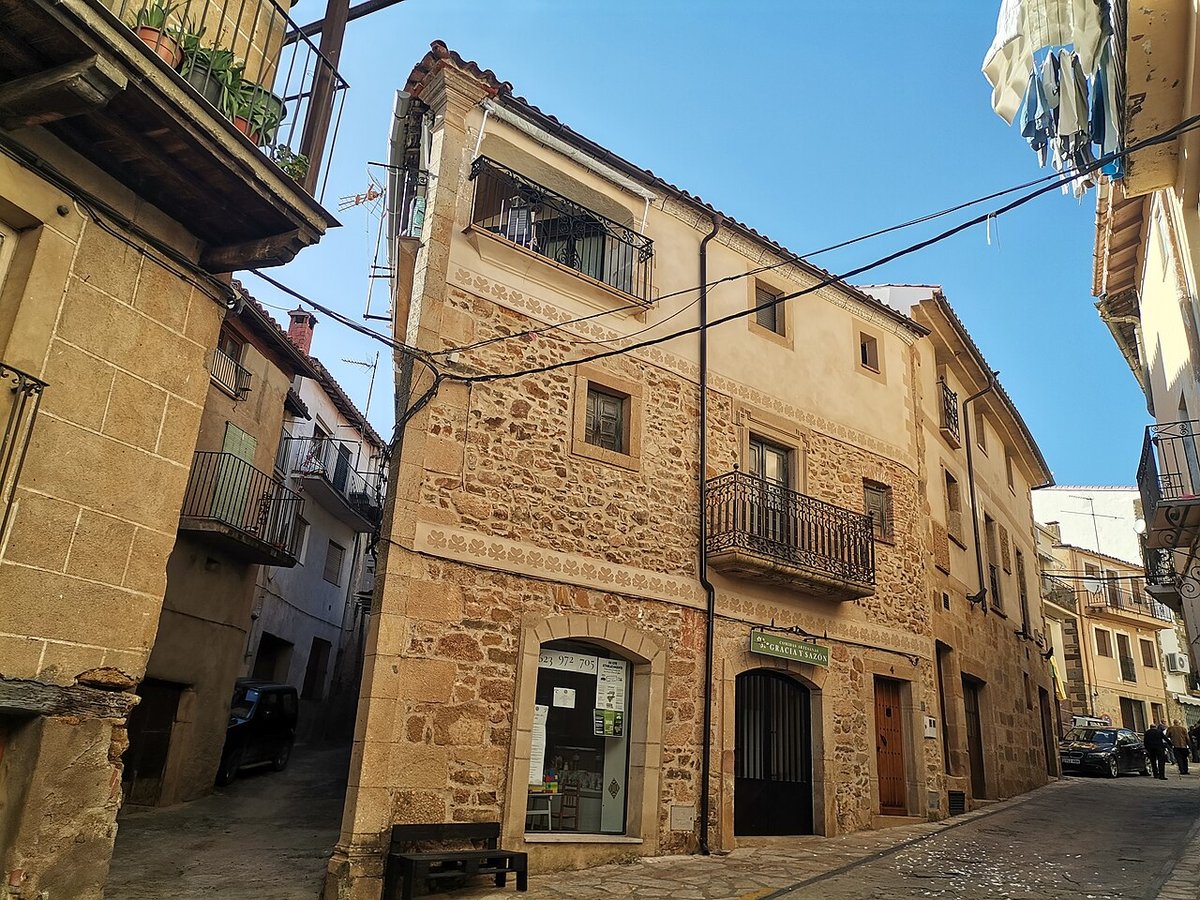
The historic centre is compact. There are no large squares or broad avenues. Instead, the layout is a network of alleyways, short slopes and tight corners where slate, wood and clay dominate the scene.
The houses stand out for their long wooden balconies and deep overhanging eaves. These are not decorative touches. They provide protection from both sun and rain, something quite necessary in this part of the mountains. As you walk through certain stretches, the space narrows so much that both sides of the street feel within reach.
Looking up reveals small details that give the place its character. Firewood stacked on balconies, old tools hanging on a wall, doorways that seem unchanged for decades. Nothing feels arranged for display, which adds to the sense of continuity.
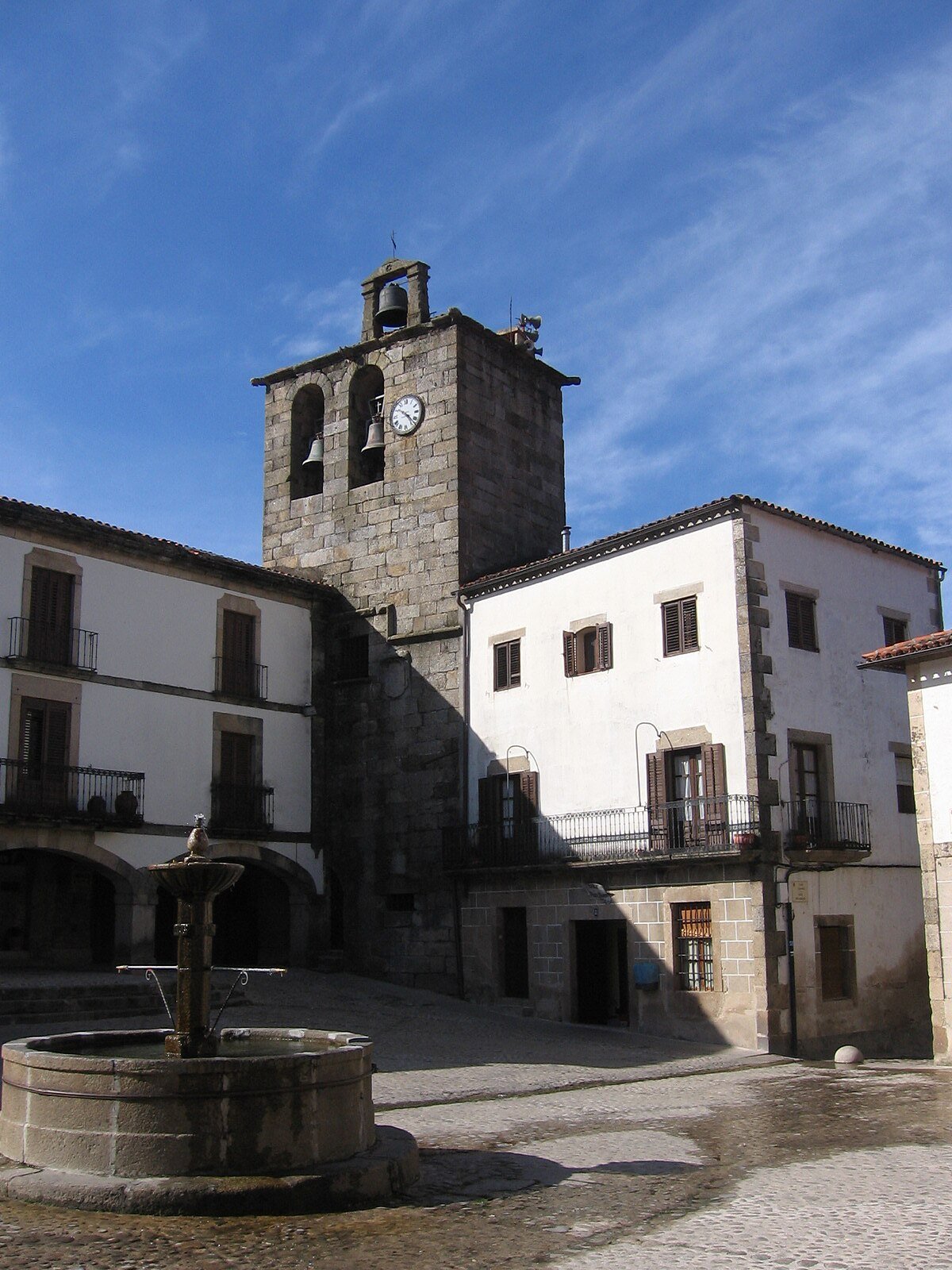
The church of San Bartolomé appears almost without warning among the houses. It is understated, with no monumental ambition. Its construction is usually placed around the 18th century, and it fits naturally with the rest of the village. Stone walls, simple proportions and very little surrounding noise define its presence.
Water, stone and quiet corners
Water is a constant presence in Robledillo de Gata. At first it may go unnoticed, but after a short time walking, the sound becomes part of the background.
The Mimbres stream runs through the village, slipping between houses and under small stone bridges. Alongside it, several traditional fountains remain, places where residents once collected water for daily use. Some of them are still flowing.
These spots carry a strong sense of time passing. Moss clings to the stone, dampness lingers on the walls, and the air feels cooler, especially when the heat builds elsewhere. If you stop and listen for a moment, it is easy to hear blackbirds or other birds moving through the nearby trees.
Walking beyond the village
The surroundings of Robledillo de Gata are made up of low scrubland, oak trees, chestnut groves and wetter areas close to the streams. Traditional paths begin right at the edge of the village, once used to connect with farmland and neighbouring settlements in the Sierra de Gata.
These are not demanding mountain routes. They are the kind of paths that have been used for generations. The ground is irregular, sometimes paved with stone, and the routes rise and fall gently through the landscape.
It suits a slower kind of walking. You can head out for an hour, follow a loose loop and return to the village without paying much attention to the time. The experience is less about reaching a particular point and more about moving through the terrain at an easy pace.
How long to spend
Robledillo de Gata is not large. In fact, it is possible to walk through the entire historic centre in a couple of hours without rushing.
That is not a drawback. Some places work best this way. You arrive, walk, sit for a while near the water or in a quiet corner, and then continue your route through the Sierra de Gata.
There is little sense in stretching the visit artificially. A slow walk, a few photographs and some time simply observing the village are usually enough to understand it.
When to go and a few practical notes
Spring and autumn are generally the most comfortable seasons for walking through the streets and along the nearby paths. Summer can bring intense heat at certain times of day, although the narrow streets offer patches of shade.
It is best to leave the car outside the old centre if the streets begin to feel too tight. The village was not designed for much traffic, and manoeuvring can quickly turn into a puzzle.
Comfortable footwear is worth having. The advice may sound obvious, but it matters here. The stone underfoot is uneven, there is dampness near the stream, and some short slopes require attention with each step.
Robledillo de Gata fits easily into a wider route through the Sierra de Gata, combined with other villages in the area. Even as a destination on its own, the detour makes sense. It is one of those small places where, as soon as you step out of the car, the landscape feels more present than tourism, and that is not especially common today.