Full Article
about Villa del Campo
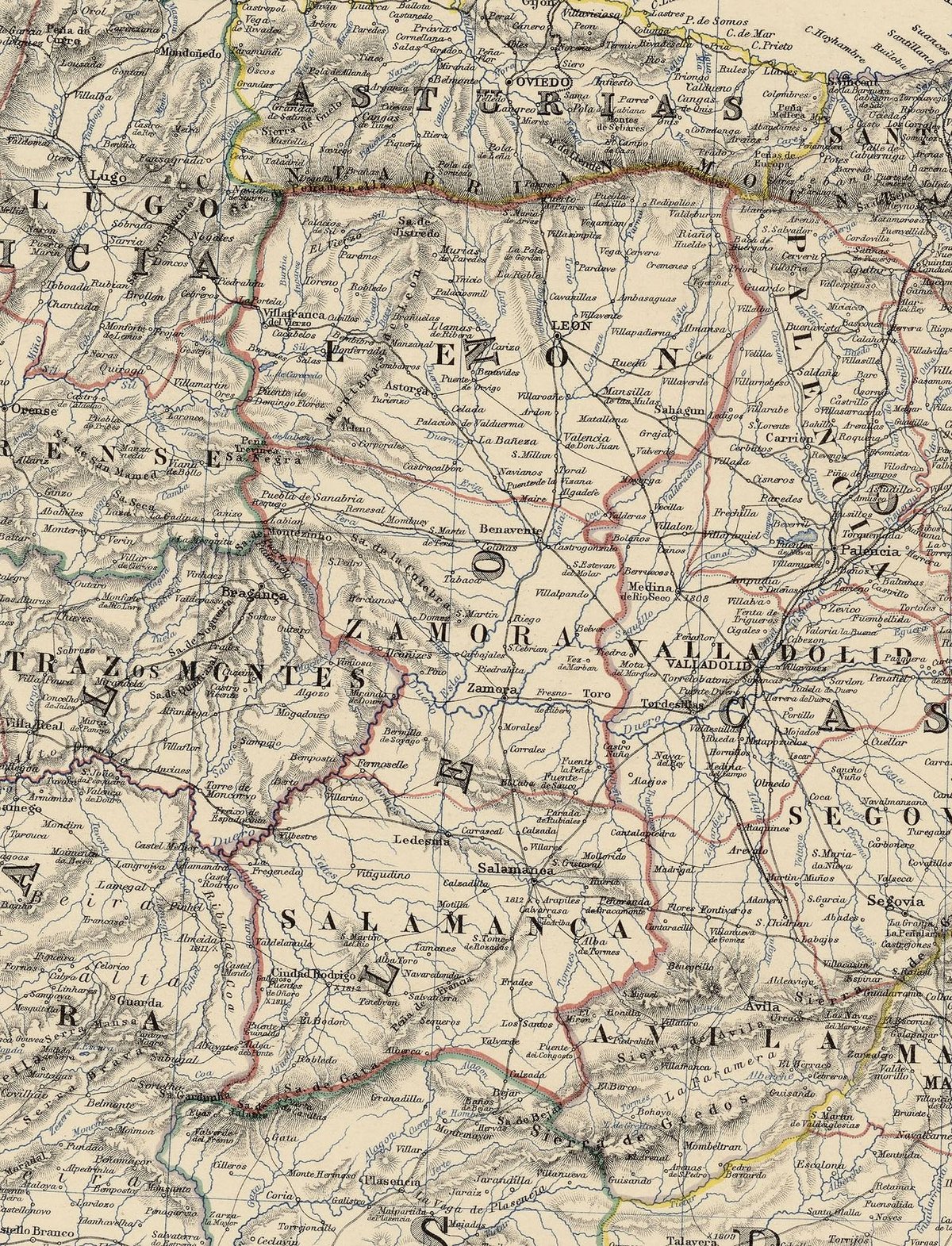
A town between plain and mountains; wine-growing tradition.
Hide article Read full article
A slow morning in Sierra de Gata
Early in the day, as sunlight begins to touch the slopes of the Sierra de Gata, Villa del Campo wakes gradually. Light filters between slate roofs and granite walls that still hold the night’s chill. A shutter opens, a broom scrapes along the street, and the damp scent of chestnut trees drifts in from nearby plots of land. With just over four hundred residents, the village keeps a pace that still follows the seasons and the demands of the countryside.
There is no rush here. The day gathers itself quietly, shaped by routine and by the landscape that surrounds it.
Granite streets and the heart of the village
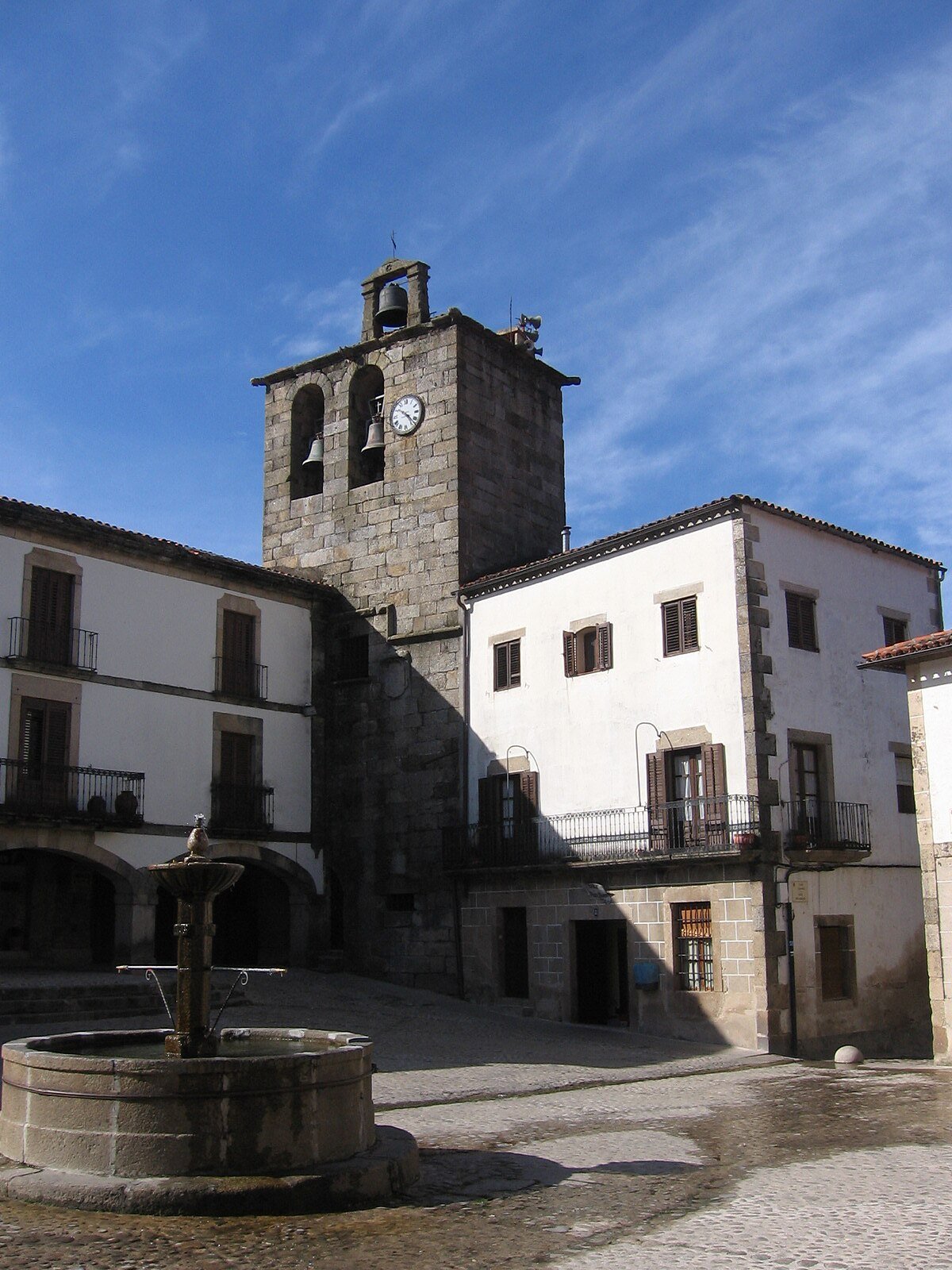
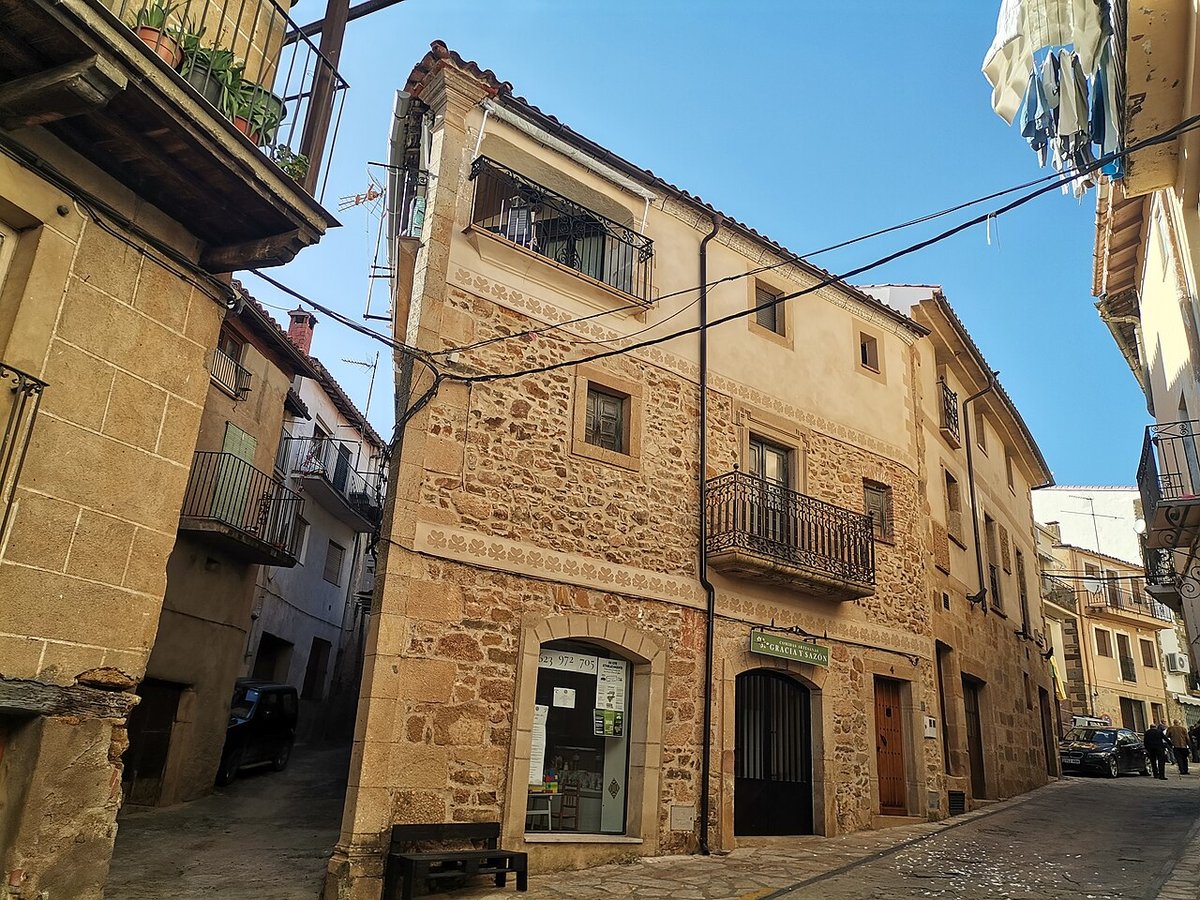
The church of San Juan Bautista anchors Villa del Campo. Its sturdy tower is visible from most streets, and the bells continue to mark the hours, their sound bouncing off the stone façades. The building reflects different periods of construction, something that shows in small details: worn coats of arms, heavy wooden doors with dark iron fittings, and stretches of wall where the granite shifts in size and texture depending on when it was laid.
The old quarter can be covered quickly, but it rewards a slower walk. The houses still carry features that hint at earlier ways of living. Wooden balconies overlook narrow streets, enclosed courtyards sit behind high walls, and sloping slate roofs catch a faint shine after rain. On some façades, carved family crests appear. They are not common, but when they do show up, they point back to an الزراarian past and to the families who worked this land across generations.
Through a half-open doorway, it is sometimes possible to glimpse interiors where traces of traditional trades remain. Looms rest in corners, cellars have been cut directly into rock, and old workspaces for iron can still be recognised. These are not arranged for display, they simply persist as part of daily life.
Paths through chestnut and oak
The landscape shifts quickly once outside the village. Within a few minutes on foot, chestnut groves begin to appear, mixed with holm oaks and other native trees. The paths are not always clearly marked, so it helps to check a route beforehand or ask a local for the most straightforward way through.
In autumn, the ground becomes a layer of damp leaves and split chestnuts. The smell is sweet and earthy, especially after a night of rain. As evening approaches, the light lowers across the sierra and turns the chestnut trunks a copper tone. It is one of the quietest times to walk here.
Some paths pass near small streams that carry water for much of the year. Along the way, there are remains of old flour mills and traditional fountains still in use. These are not set up as visitor sites. They belong to the landscape and, in many cases, continue to serve a practical purpose.
Traces of traditional life
Villa del Campo does not have large interpretation centres or dedicated museums explaining its past. Instead, its history is scattered in small, everyday details across the village. An old oven still used on occasion, farming tools hanging on a wall, or a stone wine press recalling a time when vines were also cultivated in the area.
Walking attentively through the old streets, these elements tend to reveal themselves without effort. They are not labelled or highlighted, just part of the fabric of the place.
Food shaped by the land
Local cooking remains closely tied to what is produced nearby. During chestnut season, they appear in many forms, from the simplest roasted version to dense sweets scented with aniseed and wood smoke. When autumn is wet, mushrooms also become common in the kitchen.
Hearty dishes such as migas, a traditional preparation based on bread, or stewed kid goat are part of home cooking. These are the kinds of meals prepared when families gather or when there is something to celebrate, rooted in a way of eating that follows the rhythm of the land.
Birds, rock and quiet in the sierra
The surroundings of Villa del Campo form part of the Mediterranean forest mosaic of the Sierra de Gata. Heading out early, it is easy to hear the calls of Iberian magpies, nuthatches or the steady tapping of woodpeckers. Above the granite outcrops, birds of prey sometimes glide once the air begins to warm.
There is no need to go far. The stillness of the countryside begins almost at the last houses, where the village gives way to open land and the sounds of the town fade quickly.
When to come
Spring and early autumn are usually the most comfortable times for walking around Villa del Campo. Summer can become intense at midday, while in winter some paths turn slippery after several days of rain.
Autumn has a particular appeal if you are willing to start early. Among the chestnut trees, the light takes longer to reach the ground, and for a while the village remains wrapped in a quiet that is increasingly rare elsewhere in the sierra.