Full Article
about Albalá
Municipality in the Cáceres low hills known for its livestock fairs and cured-meat tradition; a landscape of holm oaks and cork oaks.
Hide article Read full article
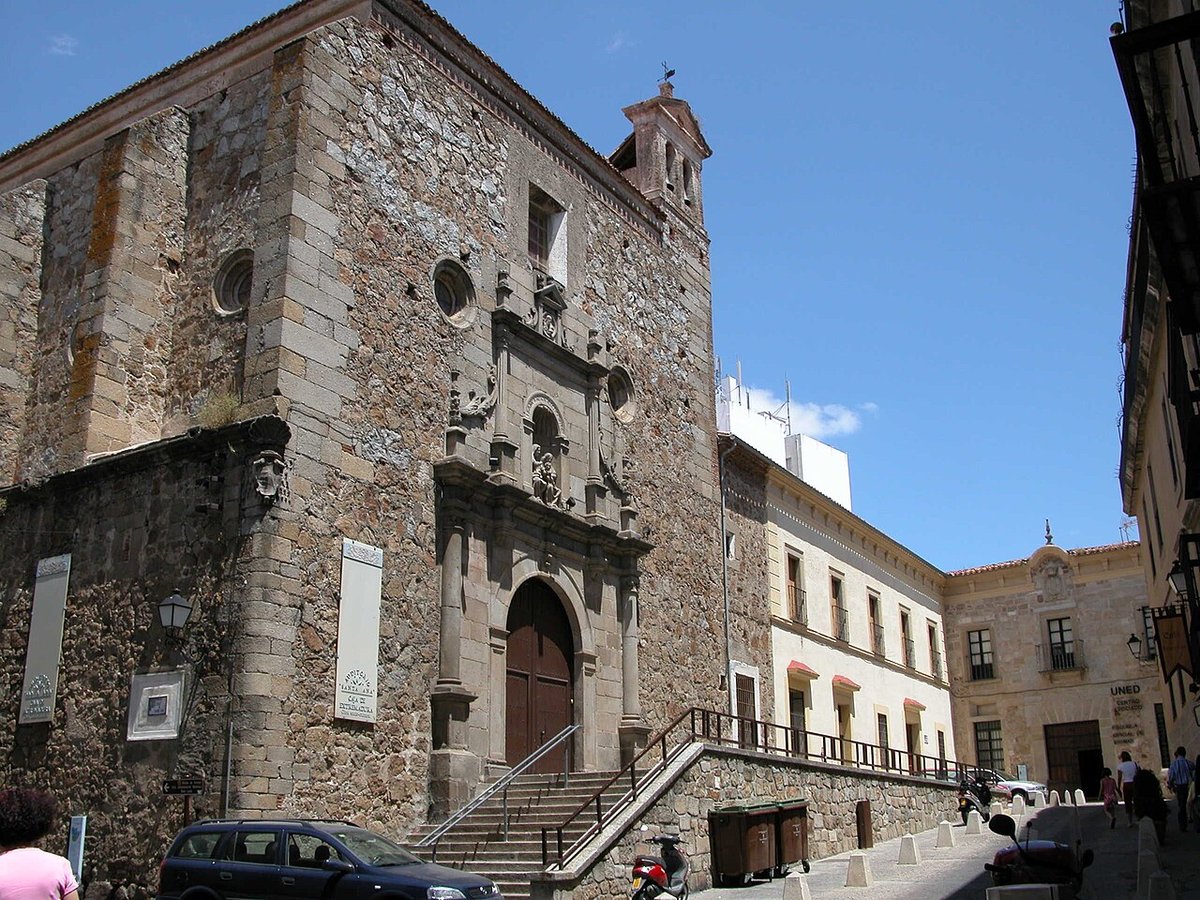
Early in the morning, while shade still clings to the façades, silence in Albalá is broken mainly by church bells and the occasional car crossing the square at a slow pace. When the door of the Iglesia de la Magdalena opens, the smell is unmistakable: wax, old wood, and the coolness held by thick walls that have endured many summers. Granite keeps the night’s moisture, and inside the light enters cautiously through small windows.
The village sits in the Sierra de Montánchez and has just over six hundred residents. Tourism in Albalá follows a different rhythm. People walk slowly, paying more attention to the stone ground and the corners than to any signposts.
Streets shaped by the hillside
The layout of the town follows the curve of the slope. Whitewashed houses with curved roof tiles adapt to the terrain without much concern for straight lines. Some streets narrow to the point where two cars pass carefully.
Calle Mayor runs only a short stretch between the town hall and the square. By mid-morning there is a calm sort of movement: someone stepping out with tools, a conversation leaning against a wall, an open door offering a glimpse of kitchens with old tiles and clay pots.
Many doorways display pots of rosemary, geraniums or thyme. As the sun warms the air, that dry, green scent lingers.
Traces of agricultural life
Small courtyards and alleyways still hold signs of the agricultural life that shaped the village for generations. A water basin appears here, a well covered with a metal grille there, and stone walls where tools were once propped.
The granite at the corners has been smoothed by time and contact. Beyond the last houses, the land opens into fields dotted with holm oaks and cork oaks. Stone fences divide the land, sometimes seeming older than the paths themselves.
Walking around Albalá
A walk around Albalá is straightforward if taken at an unhurried pace along the paths that lead into the dehesa, the traditional pasture landscape of this region. Some tracks still show deep marks in the ground, traces of carts and animals that passed over decades.
Summer hardens the ground and turns it dusty, with strong sun from midday onwards. Early morning or late afternoon are more comfortable moments for walking. Winter brings a different challenge. After several days of rain, some stretches fill with thick mud, so sturdy footwear is a good idea.
The landscape is typical of this part of Extremadura: holm oaks spaced apart, low scrub, and rockrose that scents the air as temperatures rise. Spring introduces yellow broom and small flowers that appear between the stones along the paths.
Work, food and daily life
Some residents still work with products from the land. Homemade cheeses and cured sausages are common in houses where traditional ovens and larders remain in use. Recipes often stay within families, passed down rather than written.
Daily cooking revolves around what the surroundings provide: lamb, vegetables from small gardens when available, and stews that cook slowly over time.
Festivals and the calendar
Local celebrations remain closely tied to the religious and agricultural calendar. The feast of the Magdalena brings processions through the narrow streets. During Semana Santa, the atmosphere shifts. Religious floats move slowly, and a quiet mood settles over the village.
In January, San Antón continues the tradition of blessing animals. It still holds meaning in a place where many families maintain a connection to the countryside.
A short walk through the village
Within the urban area, simple features reflect how life functioned not so long ago. There is an old washhouse near a small watercourse, a fountain where buckets are still filled in summer, and remains of threshing floors where grain was once processed.
A gentle walk can lead from the square to the outskirts, where the dehesa opens around the village. When the wind moves through the holm oaks, little else can be heard.
Albalá is not a place of large monuments or busy streets. It works better as a stop within a route through the Sierra de Montánchez, offering a sense of how small villages here remain closely tied to the land.
Summer visits call for avoiding the central hours of the day when walking. Spring and autumn tend to be more forgiving, with milder temperatures and a landscape that shifts in colour from soft green to the gold of dry leaves. After heavy rain, some paths can remain muddy for days.