Full Article
about Alcuéscar
A stop on the Vía de la Plata with a major Visigothic basilica nearby; farming tradition and crossroads.
Hide article Read full article
Between Cáceres and Mérida
Alcuéscar sits squarely on the Vía de la Plata, the historic route that links Cáceres and Mérida. The setting shapes the experience from the outset. This is open dehesa country, wide grazing land dotted with holm oaks and criss-crossed by tracks that follow very old lines. Anyone arriving on foot notices the change immediately. The surface underfoot shifts, and the Camino leaves the road for earth paths that wind between livestock farms.
The village has a long past, though not one that is always easy to arrange neatly. The present settlement is usually linked to an Andalusi foundation in the Early Middle Ages, during the period of Islamic rule in much of the peninsula. Later it passed into Christian hands as the northern kingdoms advanced southwards. As in much of this part of Extremadura, the Order of Santiago eventually took control of the territory. The village seen today is the result of those overlapping periods, layered rather than replaced.
Alcuéscar is not large, and its streets can be covered without difficulty. Yet the wider landscape and the monuments just beyond the centre give it more depth than first impressions suggest.
Santa Lucía del Trampal: Visigothic Stone
About three kilometres from the village stands the basilica of Santa Lucía del Trampal. Built in the Visigothic period, probably in the 7th century, it is one of the few surviving churches from that era in the south of the Iberian Peninsula.
The building combines brick and stone, a common approach at the time. It has three naves and a chancel divided into several distinct spaces. Inside, the atmosphere is restrained. There are remains of wall paintings and elements reused from earlier constructions, reminders that materials were often repurposed.
The very existence of Santa Lucía del Trampal points to an organised Christian community here before the arrival of Islamic rule. It also helps explain why the site retained importance afterwards. When these lands came under the control of the Order of Santiago, the church was maintained with occasional repairs. Its relative isolation contributed to its survival.
It is worth taking time to walk around the exterior. The apse, with its stepped volumes, offers the clearest sense of the building’s design and the way its different sections fit together. Out here, away from the village centre, the silence and the open fields make the structure feel even older.
From Dungeon to Chapel
Back in the heart of Alcuéscar, the church of the Asunción occupies one of the highest points in the village. The present structure dates from the 15th and 16th centuries, a period when Alcuéscar had acquired a certain standing within the surrounding comarca, or district.
Inside there is a Baroque altarpiece of moderate interest. The more unusual feature lies just a few metres away. An old dungeon, cut directly into the rock and associated with the village’s former defensive system, has been preserved. In time it was converted into a small chapel dedicated to the Virgen de los Dolores.
The space is minimal and damp. The bare stone makes clear what its first function must have been. The religious adaptation came later, when the village required additional places of worship. It is a compact, almost austere spot, where the change of use is still easy to read in the walls.
Together, the parish church and the former dungeon speak of a settlement that needed both defence and devotion, sometimes in the same places.
Tenca, Wine and the Chaquetía
Spring brings one of Alcuéscar’s most recognisable events: a fair dedicated to tenca and local wine. Tenca is a freshwater fish common in the ponds and streams of Extremadura. In many homes it is grilled or stewed with garlic and bay leaf, simple preparations that suit the rural setting.
During the fair the main square fills with stalls and residents from nearby towns. It is not a polished gastronomic showcase. The atmosphere is closer to a local gathering than to a large-scale food festival, with neighbours meeting and sharing familiar dishes.
Another well-known custom is the chaquetía, held on 1 November, All Saints’ Day. Families and groups of friends prepare a straightforward potato stew using products from the matanza, the traditional pig slaughter that has long been part of rural life in Extremadura. The meal forms part of a day spent in the countryside, marking the date in a practical and communal way.
Both occasions reflect the agricultural rhythm of the area. They revolve around ingredients that are readily available and around shared time outdoors, rather than spectacle.
Up to El Calvario
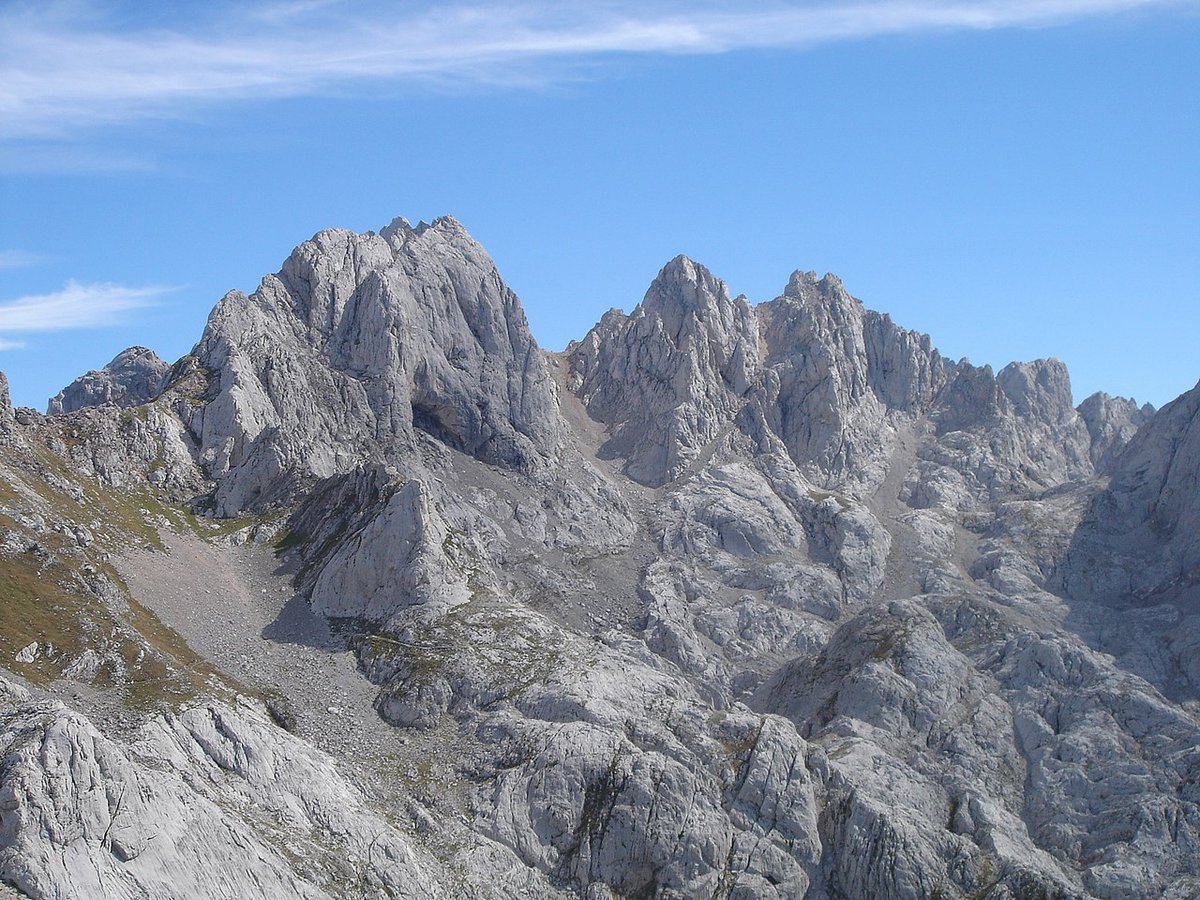
To the south of the village rises the Sierra del Centinela. From its slopes and summit there are broad views over the land surrounding Alcuéscar. The name makes sense. These hills allowed people to watch the routes crossing the area from ancient times.
Near the top stands the ermita del Calvario. The path climbs between holm oaks and dry-stone walls, taking a little under an hour on foot. The ascent is steady rather than dramatic, and the vegetation offers intermittent shade.
At the summit the dehesa spreads out in wide parcels, with grazing animals and patches of olive grove. On a clear day a considerable stretch of territory is visible to the north and east. The present hermitage appears to date from the 18th century, small and whitewashed against the landscape.
On Easter Monday the hill hosts the Jira. Residents walk up together and spend the day on the heights. It is another example of how the surrounding countryside remains closely tied to village life.
Practicalities and Pace
Alcuéscar lies around forty minutes by car from Cáceres. The EX‑390 road follows much of the historic corridor of the Vía de la Plata. There is no railway station, and public transport is limited, so most visitors arrive by car.
The urban centre can be explored in a short time. Santa Lucía del Trampal, slightly removed from the village, justifies setting aside a few extra hours. The short journey out there changes the rhythm of the visit and places the settlement in a wider historical frame.
For those walking to Santiago de Compostela along the Vía de la Plata, Alcuéscar is a natural stopping point. Pilgrims pause to stamp their credencial, the pilgrim passport, and to rest before continuing north. The combination of dehesa landscape, early medieval architecture and long-used paths explains why this stretch of the route tends to linger in memory.
Alcuéscar does not overwhelm with monuments. Instead, it offers continuity: ancient tracks underfoot, Visigothic stone still standing, and gatherings that return each year to the same squares and hillsides. In this part of Extremadura, the past is not staged. It remains part of the everyday ground.