Full Article
about Almoharín
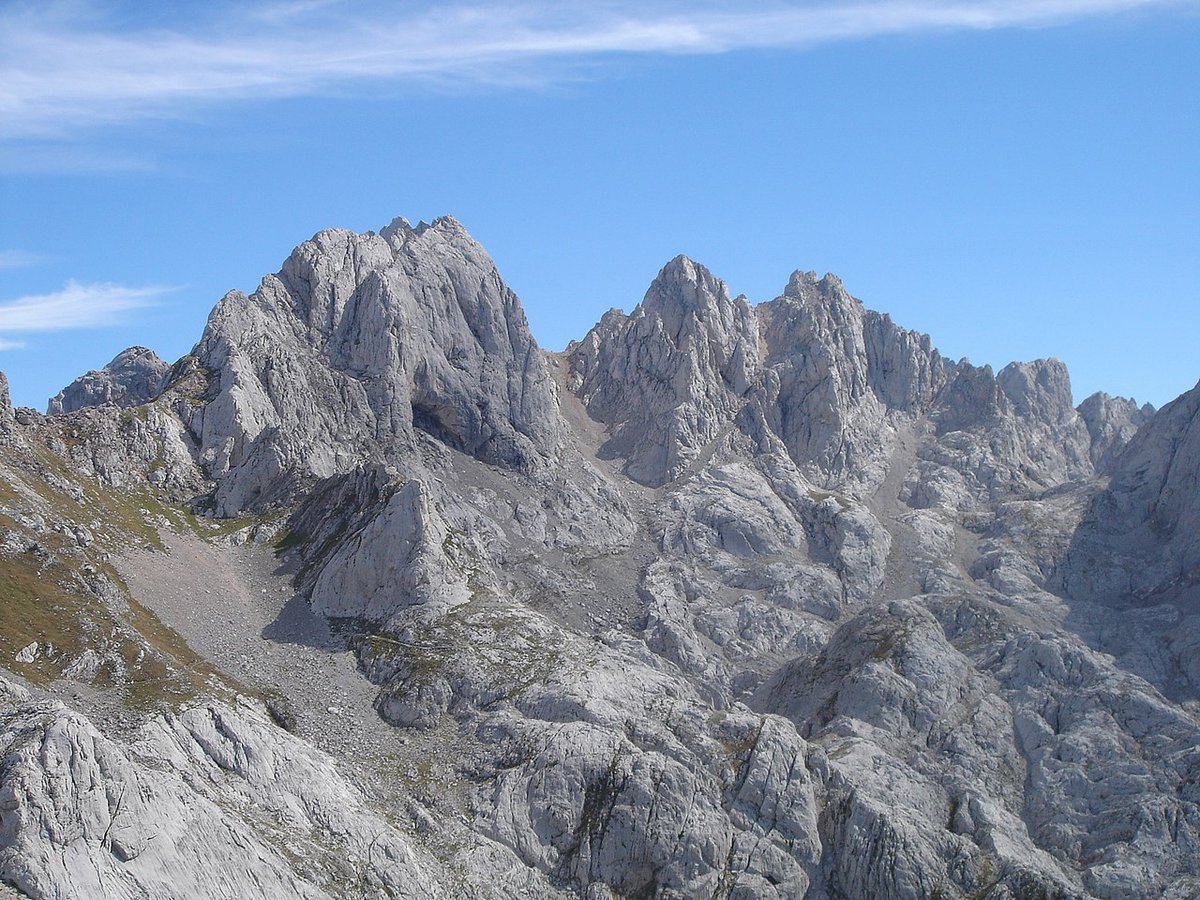
Capital of dried figs, set amid pastureland and crops; its church tower stands out from afar.
Hide article Read full article
How to Miss Almoharín on the First Try
You know when you’re driving and you miss a turn because the sign was smaller than you expected? Almoharín is a bit like that. It’s not on the way to anywhere famous. You take the EX-118 past Montánchez, watch your phone signal drop, and eventually see a nameplate. The first thing that hits you isn’t a view. It’s the smell of wood-fired ovens and ripe figs. It feels less like arriving somewhere and more like stumbling into its backyard.
Life Runs on Fig Time
Forget any idea of a tourist village. Almoharín, with its 1,771 people, operates like a large family farm that happens to have streets. People chat in doorways about the harvest like others discuss the news. You won’t find a gift shop. You will find a pace that makes a Sunday feel rushed.
Even getting a coffee requires local logic. You ask in the plaza. The bar might also sell bread or have a fuel pump out back. It’s that kind of place.
The food follows suit. Take the migas. Here, it’s not a menu item; it’s what happens when people gather. They use yesterday’s bread, enough garlic to clear a room, and panceta that crackles when you bite it. And then there are the figs. They’re everywhere: dried, pressed, stuffed into sweets. If someone hands you one, just take it. Saying no is like refusing a second helping at your aunt’s house.
A Castle That's Really Just the Floor
There’s a road behind the cemetery that turns into a dirt track. It winds for about four kilometres up to what they call the Castillo de San Cristóbal. Don’t picture towers. Think of scattered stones that look more like a collapsed wall than a fortress.
You go for the horizon, not the history.
Up there, the sky does something unusual at night. The dark is so complete it feels solid for a minute. Then your eyes adjust, and stars appear in numbers that seem exaggerated. Bring a proper torch for the walk down though. Otherwise it’s like feeling your way through an unfamiliar house at night.
The Chapel You Find by Taking the Wrong Turn
About seven kilometres out, down a forest track that rattles your car, sits the Ermita de la Virgen de Sopetrán. It appears suddenly among holm oaks, quiet and solitary.
Inside is an image of Mary holding what looks like her shopping: she has fruit in her basket.
The first weekend of September this empty field transforms for the romería. A small band plays, people share food from their boots, and plates of grilled sardines and fig pastries vanish almost as soon as they appear.
A Quiet Good Friday
Semana Santa here feels private. The processions leave from San Bartolomé church and squeeze through streets so narrow everyone has to line up single file.
There are no grandstands or camera flashes. Neighbours watch from their thresholds making small gestures with their hands as statues pass by while kids follow along quietly as if watching something important but ordinary unfold right outside their front door without any need for commentary or applause just presence itself being enough somehow which is rare these days isn't it?
The Point Is There Is No Point
Trying to “do” Almoharín with an itinerary will frustrate you both. This place works better like an unscheduled afternoon. You walk without much direction. You eat when you're hungry. You sit in the square until you feel like moving again. Time doesn't get spent here; it just passes differently leaving behind small stubborn memories: the grit of breadcrumbs from migas on your fingers or how heavy silence can feel under all those stars before you finally turn your light on and head back down toward bed knowing full well tomorrow will smell like figs again because here everything does eventually circle back to them anyway